Arb Single vs. Twin Compressor: Which Fits Your Setup Better?
Choosing between these two robust pneumatic units requires balancing heavy-duty air delivery demands against strict vehicle installation space limits. We evaluate key performance metrics to guide your final choice.

Choose the Arb Single for basic locker actuation and occasional light tire inflation, while the Twin Compressor is the undisputed winner for rapid multi-tire inflation and continuous heavy pneumatic workloads.
Compare all top models in our Best Air Compressor: Top Picks for Every Garage & Roadside.
Side-by-Side Breakdown
| Criteria | Arb Single | Twin Compressor | Edge |
|---|---|---|---|
| Peak Performance & Output | 1.74 CFM at 0 PSI | 6.16 CFM at 0 PSI | Twin Compressor |
| Duty Cycle & Consistency | 50% duty cycle at room temp | 100% duty cycle at room temp | Twin Compressor |
| Operating Noise & Vibration | Moderate operational hum | Higher noise due to dual motors | Arb Single |
| Portability & Footprint | Compact, highly flexible mounting | Larger chassis requiring dedicated space | Arb Single |
| Maintenance & Service Life | Fewer moving parts to service | Dual motor upkeep and dual filters | Arb Single |
| Power Requirements | Lower amp draw (approx 13A) | High amp draw requiring heavy wiring | Arb Single |
| Best Ideal Use-Case | Differential lockers & emergency top-offs | Air tools, large tires, & heavy off-road use | Twin Compressor |
Engineering Architecture and Core Design
Understanding the foundational layout of these off-road pneumatic systems reveals stark differences in mechanical complexity. The single variant utilizes a single piston mechanism optimized for reliable, low-draw intermittent utility applications.
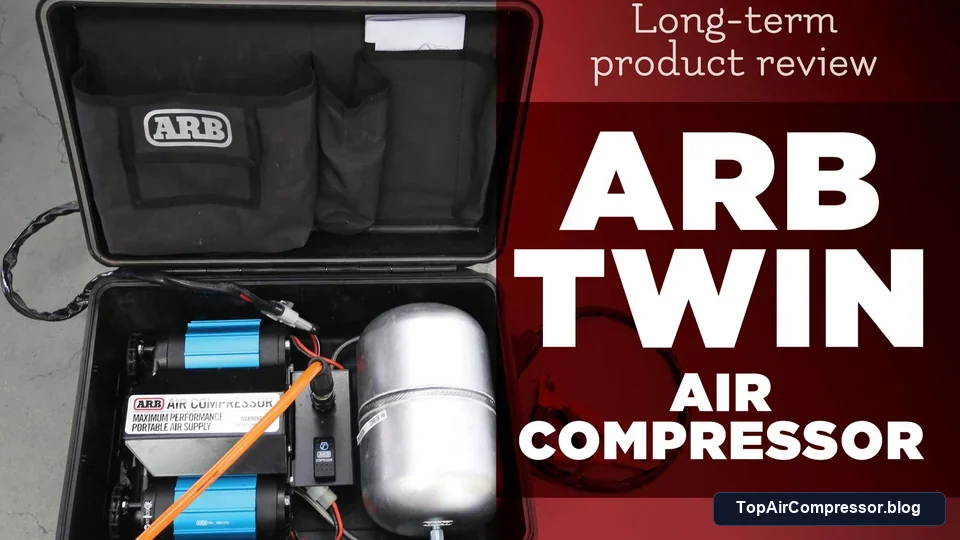
Conversely, the dual-motor configuration integrates two independent cylinders working in parallel synchronization. This sophisticated engineering approach effectively doubles displacement and delivers immense volumetric output for demanding recovery scenarios.
- Single architecture uses one reciprocating piston assembly.
- Twin design features dual independent motor cylinders.
- Both models rely on hard-anodized cylinder bores for wear resistance.
- Sealed permanent magnet motors prevent moisture and dust intrusion.
Piston and Cylinder Metallurgy
Manufacturers employ carbon fiber reinforced piston seals to minimize friction and extend operational lifespan inside harsh environments. These high-grade materials resist thermal degradation during extended pumping cycles under heavy loads.
The cylinder walls undergo specialized hard-anodization processes to prevent scoring. Such rigorous metallurgy ensures reliable performance across extreme temperature ranges from sub-zero winters to scorching desert heat.
- Carbon fiber seals reduce friction coefficients significantly.
- Hard-anodized bores prevent premature piston ring wear.
Air Delivery Rates and Volumetric Efficiency
Volumetric output remains a critical performance differentiator when airing up large tires. For shop applications, our best single phase air compressor roundup evaluates top heavy-duty models for continuous garage duty.
Stepping up to the dual configuration yields an impressive 6.16 CFM at zero static pressure. This massive volumetric leap dramatically reduces waiting times when inflating oversized mud-terrain tires.
Both systems maintain steady pressure thresholds, but the twin variant recovers tank pressure far quicker. This efficiency prevents frustrating delays during group trail recoveries and mechanical adjustments.
- Single unit delivers modest airflow suited for basic tasks.
- Twin unit pumps substantial volume for rapid tire inflation.
- Higher CFM ratings enable safe operation of small pneumatic tools.
Real-World Tire Inflation Timelines
Inflating four thirty-five inch tires from fifteen to thirty-five PSI takes considerable time with a base unit. Expect continuous run times exceeding twenty minutes under normal ambient conditions.
The dual-motor setup cuts this exact inflation task down to mere minutes. Such efficiency transforms a tedious chore into a swift, hassle-free post-trail routine.
- Base unit requires extended run times for large rubber.
- Twin configuration slashes total inflation time by over half.
Electrical Loads and Current Draw Demands
Feeding high-performance pneumatic equipment requires careful attention to vehicle electrical system capacities and wiring gauges. The single configuration draws roughly thirteen amperes under normal operating loads.
The dual-motor monster demands significantly more electrical current, frequently pulling over fifty amperes at peak operating pressure. Proper relay integration and heavy-gauge cabling are mandatory safety essentials.
Failing to install adequate wiring harnesses can cause severe voltage drops and potential thermal damage. Always verify your alternator output before mounting a high-draw dual compressor system.
- Single compressor features modest current draw requirements.
- Twin compressor demands heavy-duty dedicated wiring circuits.
- Upgraded alternators are recommended for heavy dual setups.
Wiring Harness and Fuse Protection
Protecting your vehicle from electrical fires requires industrial-grade inline fuses and weather-resistant relays. The twin setup includes sophisticated looms designed to handle massive surge currents safely.
Routine inspection of terminal connections prevents corrosion-induced resistance spikes. Keeping terminals clean ensures maximum voltage reaches the electric motors during heavy usage.
- Heavy-duty relays prevent switch contact degradation.
- Inline fuses protect against catastrophic short circuits.
Thermal Management and Duty Cycle Limits
Heat buildup is the primary enemy of small electric motors operating under sustained high-pressure pneumatic loads. The single unit features a fifty percent duty cycle rating at standard room temperature.
Engineering advancements allow the twin system to boast an incredible one hundred percent duty cycle rating. You can run this powerhouse continuously without stopping to let the motor cool down.
Internal cooling fans and finned aluminum manifolds dissipate generated heat rapidly. These thermal management features protect internal components from warping or seizing during intense recovery operations.
- Single unit requires intermittent rest periods during heavy use.
- Twin unit handles continuous operation without thermal shutdown.
- Finned manifolds maximize passive heat dissipation effectively.
Overload Protection Mechanisms
Thermal cut-off switches automatically shut down the compressor if internal temperatures exceed safe operational thresholds. This failsafe protects the copper windings from melting down under extreme stress.
Once cooled, the system resets automatically so you can resume your pneumatic tasks without permanent damage. Proper airflow around the mounting location minimizes nuisance thermal trips.
- Automatic thermal breakers prevent permanent motor damage.
- Adequate mounting ventilation prevents premature overheating.
Physical Footprint and Installation Constraints
Finding suitable mounting space inside modern engine bays or cargo areas represents a major installation hurdle. The single compressor features a compact footprint that easily fits into tight fender wells.
The dual-motor assembly requires a larger platform and careful clearance checks. You can read our arb twin air compressor review to understand its exact physical dimensions and mounting specifications.
Weight differences also matter when outfitting a vehicle for extreme off-road articulation. The heavier twin unit adds noticeable mass that must be securely bolted down to prevent shifting.
- Single version slips easily into crowded engine bays.
- Twin version demands dedicated space due to its size.
- Secure anchoring prevents dangerous shifting during rough trails.
Under-Hood Versus Cabin Mounting
Mounting under the hood exposes components to high ambient engine temperatures and road grime. Cabin installation protects the hardware but reduces usable cargo space significantly.
Remote air filter kits allow safe relocation of intake points away from dusty environments. Clean intake air drastically extends compressor life by keeping abrasive particles out.
- Engine bays expose units to heat and moisture.
- Cabin mounting protects equipment but consumes storage.
Maintenance Protocols and Long-Term Durability
Long-term reliability depends heavily on adhering to scheduled maintenance intervals and keeping components clean. The single unit features fewer moving parts, resulting in simpler routine upkeep procedures.
The dual configuration requires servicing two separate filter elements and checking twice as many mechanical fasteners. Regular inspection ensures both cylinders operate in balanced harmony over the years.
Replacing washable air filters and checking pressure switch calibration keeps both systems running at peak factory efficiency. Investing time in preventative care pays off with decades of trouble-free service.
- Fewer components make the single unit easier to maintain.
- Dual unit requires inspecting two filters and more fasteners.
- Regular filter cleaning preserves internal cylinder health.
Filter Replacement and Moisture Traps
Dusty trail conditions clog intake filters rapidly, starving the system of clean air. If you need stationary garage capacity instead, explore our best 60 gallon single stage air compressor selections for home shops.
Installing auxiliary moisture traps prevents condensed water from fouling your pneumatic lines or lockers. Dry air preserves solenoid valves and pneumatic seals from premature corrosion.
- Washable elements trap dust before it enters cylinders.
- Inline water separators protect downstream air accessories.
Selecting the Right Unit for Your Rig
Choosing between these pneumatic solutions depends heavily on your specific off-road habits and tool requirements. For permanent shop setups, consult our best single stage air compressor guide for stationary alternatives.
Overland travelers and rock crawlers who frequently run air tools or large tires will find the twin unit indispensable. Matching the equipment to your actual workload prevents unnecessary spending and weight.
Evaluate your electrical system capacity, mounting space, and inflation habits before making a final purchasing decision. Selecting correctly ensures reliable trailside performance whenever recovery situations arise.
- Pick the single variant for basic lockers and light tasks.
- Choose the twin variant for air tools and rapid tire fills.
- Match equipment capability to your specific adventure style.
Cost Versus Capability Analysis
Initial financial outlay is higher for the dual system, but the productivity gains are immense for serious enthusiasts. Budgeting for necessary wiring upgrades ensures a safe and reliable installation.
Weighing upfront costs against long-term utility helps justify the investment in premium off-road pneumatic gear. Reliable air on demand is a priceless asset on remote wilderness trails.
- Higher initial investment for dual-motor configurations.
- Productivity gains justify costs for heavy enthusiasts.
Frequently Asked Questions
Can the Arb Single compressor run air tools?
The single unit is generally too small for continuous air tool usage because its low air delivery rate cannot maintain required operating pressures. It is best reserved for diff lockers and emergency top-offs.
Does the Twin compressor require a special storage tank?
A secondary storage tank is not strictly required because the dual motors produce massive airflow independently. However, adding a small surge tank helps run pneumatic tools smoothly and efficiently.
How often should I service the air filters?
You should inspect and clean your intake air filters after every dusty off-road excursion. Regular cleaning prevents abrasive dust ingestion and extends the overall service life.
Is professional installation required for these units?
While DIY installation is entirely possible for experienced hobbyists, the heavy electrical draw of the twin model demands careful wiring. Proper relay placement and heavy-gauge cabling are essential for safety.
Can these compressors be mounted outside the vehicle?
Mounting these units externally is strongly discouraged because road salt, mud, and water destroy electrical components rapidly. Always choose a protected interior location or secure engine bay.