Ingersoll Rand vs. Quincy: Which Fits Your Setup Better?
Navigating heavy-duty compressed air demands requires evaluating distinct metallurgical approaches and thermal management systems. This engineering teardown compares industry titans Ingersoll Rand and Quincy to identify the optimal match.


Choose Ingersoll Rand for massive intermittent industrial demands and global service networks. Select Quincy for continuous-duty applications requiring superior volumetric efficiency and lower operating temperatures.
Compare all top models in our Best Air Compressor: Top Picks for Every Garage & Roadside.
Side-by-Side Breakdown
| Criteria | Ingersoll Rand | Quincy | Edge |
|---|---|---|---|
| Peak Performance & Output | High CFM at elevated pressures | Exceptional volumetric efficiency | Quincy |
| Duty Cycle & Consistency | Robust 100% continuous options | Legendary low-RPM heavy duty | Quincy |
| Operating Noise & Vibration | Standard industrial decibel levels | Lower vibration via balanced pumps | Quincy |
| Portability & Footprint | Extensive mobile and stationary lines | Compact heavy-duty vertical configurations | Ingersoll Rand |
| Maintenance & Service Life | Widely available global parts supply | Extended pump life with synthetic oil | Quincy |
| Power Requirements | Optimized multi-voltage electric motors | High-torque industrial motor pairings | Tie |
| Best Ideal Use-Case | Busy automotive and fabrication shops | Continuous industrial manufacturing plants | Quincy |
Engineering Architecture and Pump Metallurgy
Industrial compressed air relies heavily on foundational pump construction and material selection. Ingersoll Rand utilizes precision-machined cast iron cylinders designed to withstand severe thermal expansion during heavy industrial work cycles.
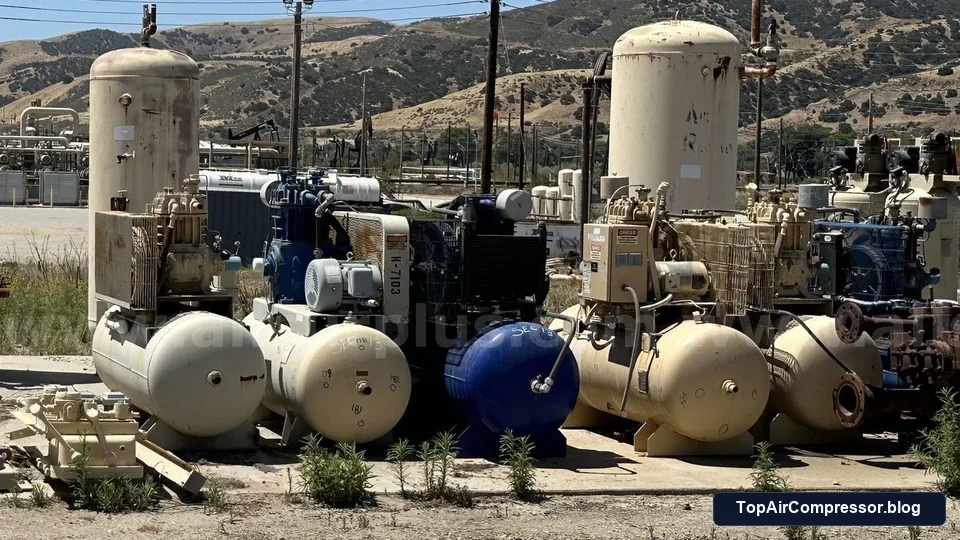
Quincy counters with heavy-duty ductile iron pumps engineered for extreme durability. Their legendary reciprocating blocks feature balanced crankshafts that drastically reduce mechanical fatigue over extended operational lifespans.
Ingersoll Rand utilizes cast iron crankcases and precision-machined cylinders designed to withstand rigorous industrial continuous-duty shifts. Their metallurgical composition prioritizes thermal stability and resistance to warping under extreme operational temperatures.
Quincy counters with heavy-duty ductile iron construction across their flagship reciprocating and rotary screw pump blocks. This material choice offers superior tensile strength, absorbing mechanical shock loads effectively during heavy-load compressor transitions.
- Ingersoll Rand emphasizes high tensile strength alloys.
- Quincy prioritizes low-RPM slow-turning pump designs.
- Both brands utilize ASME-certified receiver tanks.
Cylinder Design and Cooling Fin Layouts
Thermal dissipation dictates how long a compressor can run safely. Technicians often inspect electrical controls during cooling maintenance, following steps found in our ingersoll rand air compressor switch guide.
Quincy adopts a comprehensive cast-iron intercooler design that significantly lowers interstage air temperatures before reaching the final compression stroke and main storage tank.
- Optimized fin spacing prevents localized hot spots.
- Interstage cooling improves overall thermodynamic efficiency.
Volumetric Efficiency and Real-World CFM Output
Delivering rated cubic feet per minute under pressure is vital. Ingersoll Rand units maintain consistent volumetric output using reliable components like those detailed in our ingersoll rand pressure switch replacement guide.
Quincy compressors frequently exceed baseline efficiency expectations through tight manufacturing tolerances. Their valve assemblies minimize air leakage and maximize net delivery per horsepower consumed.
Volumetric efficiency depends heavily on clearance volume and valve design within the compression chamber. Ingersoll Rand implements finger valves and streamlined porting to minimize trapped air and optimize CFM delivery at rated pressures.
Quincy achieves high volumetric performance through precision-ground pistons and rigid reed valves that reduce internal pressure drops. Evaluating real-world output requires reviewing ASME standards and actual displacement curves under varying operational conditions.
- Volumetric efficiency directly impacts pneumatic tool performance.
- Pressure drop across check valves is minimized in both lineups.
- Real-world CFM ratings dictate simultaneous tool operation capacity.
Pressure Band Stability Under Load
Maintaining tight pressure bands prevents production slowdowns in automated facilities. Ingersoll Rand pressure switches offer reliable cut-in and cut-out differentials for standard workshop automation.
Quincy integration systems provide exceptionally smooth pressure recovery curves that eliminate major drops during heavy pneumatic grinding or sandblasting tasks.
- Tight deadbands reduce pressure fluctuations.
- Consistent line pressure protects sensitive downstream air tools.
Duty Cycles, Thermal Management and Heat Rejection
Operating temperature dictates machine longevity across demanding industrial shifts. Fine-tuning operational cut-in limits is also extremely critical, as detailed step-by-step in our ingersoll rand pressure switch adjustment guide.
Quincy units are renowned for running at remarkably lower operating temperatures. This thermal advantage stems from slower pump RPMs paired with massive flywheel fan blades.
Continuous duty cycles demand aggressive thermal management to prevent oil degradation and component scoring. Ingersoll Rand integrates deep-finned aluminum aftercoolers and centrifugal fan blades to rapidly dissipate heat away from compression stages.
Quincy addresses heat rejection by incorporating oversized intercoolers and head designs that maximize ambient airflow across critical hot spots. Proper thermal equilibrium protects internal lubricants and extends overall compressor longevity in hot environments.
- Lower operating temperatures extend lubricant service intervals.
- Thermal overload protection prevents catastrophic motor failure.
- Continuous duty ratings require proper ambient ventilation.
Lubrication and Oil Breakdown Prevention
Synthetic compressor oils resist thermal breakdown under extreme pressure loads. Ingersoll Rand specifies high-grade synthetic lubricants to protect piston rings and cylinder walls.
Quincy pairs its legendary pumps with proprietary lubricants that neutralize moisture buildup and prevent carbon varnish accumulation on internal valve reeds.
- Synthetic oils outperform traditional petroleum formulations.
- Regular oil analysis catches microscopic wear early.
Acoustic Engineering and Vibration Dampening
Noise pollution in modern workshops requires strict adherence to ergonomic safety standards. Ingersoll Rand encloses many rotary screw models in insulated cabinetry to lower decibel output significantly.
Quincy reciprocating units utilize massive balanced crankshafts that inherently dampen mechanical vibration, resulting in a smoother acoustic profile compared to budget alternatives.
Industrial compressor noise reduction involves enclosing intake filters and balancing reciprocating crankshaft assemblies to minimize harmonics. Ingersoll Rand utilizes tuned intake silencers and heavy steel enclosures to suppress ambient decibel levels effectively.
Quincy integrates internal vibration isolators and dynamically balanced rotors to control structural resonance during heavy mechanical loading. Sound dampening blankets and strategic cabinet baffling further lower operational noise across commercial workshop installations.
- Decibel ratings impact worker fatigue and OSHA compliance.
- Vibration isolation pads protect shop floors from resonance.
- Enclosed cabinets restrict airborne acoustic transmission.
Foundation Isolation and Mounting Hardware
Proper anchoring prevents structural resonance from traveling through concrete slabs. Ingersoll Rand provides heavy-duty mounting feet with pre-drilled bolt holes for secure installation.
Quincy recommends high-density elastomeric vibration isolators to absorb remaining reciprocating forces before they reach the facility foundation.
- Isolation pads reduce structural fatigue over time.
- Correct torque on anchor bolts prevents frame distortion.
Footprint, Installation and Site Requirements
Floor space inside busy workshops carries a high operational premium. Ingersoll Rand offers versatile vertical receiver configurations designed to minimize horizontal square footage consumption.
Quincy provides robust modular arrangements that allow facilities to group multiple compressors together while maintaining necessary maintenance clearance gaps around each machine.
Facility floor planning requires evaluating vertical clearance, service access zones, and rigid mounting pad specifications. Ingersoll Rand units often feature compact vertical tank designs to minimize floor space footprints in crowded workshops.
Quincy models frequently prioritize horizontal stability and wider base plates to distribute weight evenly across industrial concrete slabs. Installers must account for adequate ventilation clearance and electrical supply sizing before final anchoring.
- Vertical tanks save valuable workshop floor space.
- Clearance around intake filters ensures adequate airflow.
- Electrical panel proximity reduces wiring installation costs.
Electrical Infrastructure and Voltage Sizing
Heavy industrial compressors demand stable three-phase electrical power supplies. Ingersoll Rand motors feature multi-voltage connectivity to match existing facility distribution panels easily.
Quincy heavy-duty induction motors require careful breaker sizing and heavy-gauge wiring to handle high initial inrush current during startup sequences.
- Three-phase power improves motor efficiency.
- Magnetic starters protect against voltage drop incidents.
Maintenance Protocols and Consumable Lifespans
Routine servicing keeps compressed air systems operating at peak efficiency. Ingersoll Rand designs its filter elements and oil separators for quick toolless replacement during scheduled shutdowns.
Quincy emphasizes long-term reliability through oversized filtration media that trap contaminants effectively before they reach precision compression chambers.
Routine maintenance schedules dictate the long-term reliability and operating economy of heavy industrial equipment. Ingersoll Rand specifies synthetic lubricants and air filter replacements at strict operating hour intervals to protect internal valves.
Quincy emphasizes oil analysis protocols and easy-access spin-on separators to minimize downtime during standard service window inspections. Following manufacturer consumable guidelines prevents premature wear on critical bearings and piston rings.
- Air filter inspection prevents premature cylinder wear.
- Oil separator changes maintain low downstream oil carryover.
- Routine belt tension checks prevent premature slippage.
Preventative Maintenance Schedules
Adhering to strict service intervals prevents unexpected catastrophic breakdowns. Proper maintenance protocols, such as those covered in our ingersoll rand check valve replacement walkthrough, ensure long-term mechanical reliability.
Quincy provides comprehensive maintenance kits containing all necessary gaskets, filters, and synthetic lubricants required for annual overhauls.
- Scheduled downtime minimizes unexpected production halts.
- Genuine replacement parts preserve manufacturer warranty coverage.
Deciding Between Ingersoll Rand and Quincy
Selecting the correct machine requires balancing your specific operational workload against equipment capabilities. Ingersoll Rand excels in applications requiring high mobility and widespread service support.
Quincy remains the definitive choice for heavy industrial facilities demanding uncompromising continuous-duty reliability and exceptional thermal management over decades of service.
Selecting the optimal compressor brand requires matching specific duty profiles, budget constraints, and airflow demands. Ingersoll Rand delivers exceptional versatility and widespread parts availability for general manufacturing and automotive service applications.
Quincy appeals directly to heavy industrial operations needing uncompromising durability and specialized pressure lubrication systems. Assessing your facility's exact pneumatic load ensures maximum return on equipment investment over decades of service.
- Evaluate peak CFM requirements before selecting horsepower.
- Consider ambient shop temperature and ventilation limits.
- Review local dealer network availability for servicing.
Final Purchasing Checklist for Facility Managers
Before finalizing your investment, verify electrical service capacity and total daily air consumption trends. Documenting these parameters ensures your chosen compressor operates well within its optimal efficiency curve.
Consulting with professional compressed air auditors can also prevent costly oversizing or undersizing mistakes in complex industrial environments.
- Calculate true duty cycle requirements accurately.
- Account for future facility expansion in your sizing.
Frequently Asked Questions
Which brand offers better longevity for continuous industrial manufacturing applications?
Quincy generally provides superior longevity in continuous manufacturing environments due to its slower pump RPMs and exceptionally low operating temperatures. These engineering choices significantly reduce thermal stress and mechanical wear over decades of heavy daily operation.
Are Ingersoll Rand compressors easier to service and find replacement parts for?
Ingersoll Rand benefits from a massive global distribution network that makes sourcing replacement filters, valves, and lubricants exceptionally straightforward. Their equipment is designed with widespread technician familiarity, simplifying routine maintenance across diverse industrial sectors.
How do their energy efficiencies compare under maximum pressure loads?
Both manufacturers deliver high volumetric efficiency, but Quincy models often edge ahead by minimizing internal pressure drops. Their precision valve design ensures more net cubic feet of air per electrical horsepower consumed during peak loads.
What specific maintenance tasks are required to maintain factory warranty coverage?
Maintaining warranty coverage requires using approved synthetic lubricants, changing air filters on schedule, and inspecting belt tension regularly. Keeping detailed service logs is essential for validating compliance with manufacturer guidelines.
Can these industrial compressors be installed outdoors or in unconditioned spaces?
Outdoor installation is possible if the units are protected from direct rain, freezing temperatures, and excessive ambient moisture. However, specialized enclosures and tank heaters are strongly recommended for reliable cold-weather operation.