What Is Scfm vs. Cfm: Which Fits Your Setup Better?
Understanding pneumatic metrics requires separating standardized volumetric measurements from raw displacement. Proper engineering calculations prevent costly equipment under-sizing.


When sizing systems, SCFM rules the day for industrial compliance and absolute accuracy under load. Displacement CFM remains useful only for rough preliminary estimates before actual deployment.
Compare all top models in our Best Air Compressor: Top Picks for Every Garage & Roadside.
Side-by-Side Breakdown
| Criteria | What Is Scfm | Cfm | Edge |
|---|---|---|---|
| Peak Performance & Output | Standardized to strict baseline conditions | Theoretical calculation without environment shifts | What Is Scfm |
| Duty Cycle & Consistency | Highly predictable under heavy industrial use | Varies wildly based on ambient conditions | What Is Scfm |
| Operating Noise & Vibration | Dependent on physical unit engineering | Unaffected by metric calculation type | Tie |
| Portability & Footprint | Reflects true power on job sites | Can exaggerate actual delivered air volume | What Is Scfm |
| Maintenance & Service Life | Protects pump from over-allocation | Risks premature wear from miscalculation | What Is Scfm |
| Power Requirements | Matches real electrical draw needs | Ignores real-world temperature variations | What Is Scfm |
| Best Ideal Use-Case | Precision manufacturing and spray painting | Basic consumer shop calculations | What Is Scfm |
Fundamental Definitions of Pneumatic Air Flow
Navigating compressed air specifications requires mastering core terminology. Cubic feet per minute measures raw volume, while standard metrics account for environmental shifts during operation.
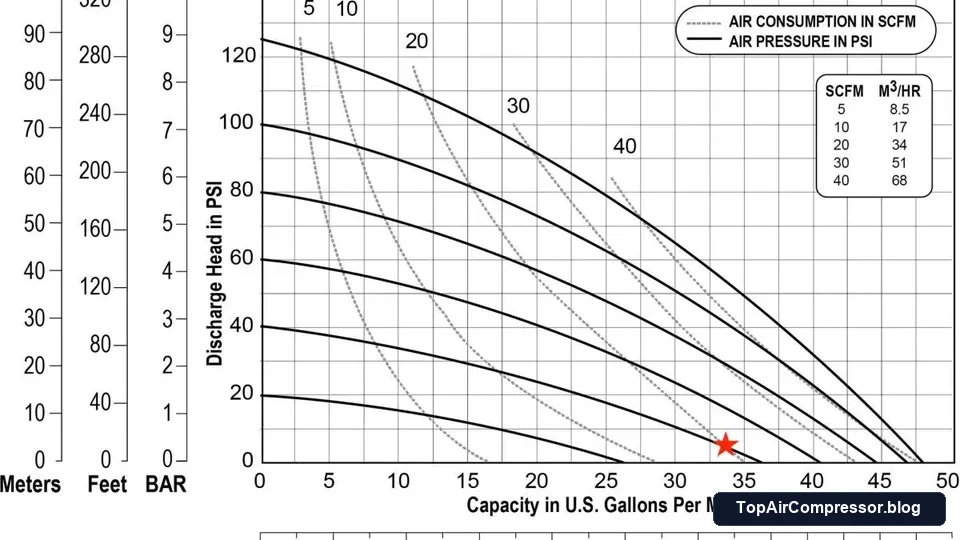
Engineers rely heavily on precise mathematical baselines to ensure pneumatic tools function without pressure drops, maintaining stable factory operations across shifting seasonal temperatures.
Failing to understand these foundational differences frequently leads to purchasing undersized compressors that stall under heavy commercial workloads.
Grasping pneumatic fluid dynamics begins with separating nominal displacement from actual volumetric output. Engineers must evaluate free air delivery under specific working pressures to ensure precise industrial facility operations.
Standard cubic feet per minute normalizes flow measurements against fixed baseline conditions. This baseline typically utilizes 68 degrees Fahrenheit and sea-level atmospheric pressure to establish repeatable performance benchmarks across global manufacturing facilities.
Actual cubic feet reflect the true volume of gas moving through a pipeline at current operational temperatures. Ignoring these operational realities introduces significant pressure drop errors that degrade system efficiency and tool longevity.
- Raw volume determines physical displacement speed.
- Environmental factors alter ambient air density constantly.
- Standardized ratings provide reliable cross-brand comparisons.
- Always verify free air delivery at the target operating pressure.
- Account for baseline temperature variations during initial system design.
Core Differences in Volumetric Measurement
Volumetric efficiency dictates how much air a compressor pump actually delivers. Reviewing what is scfm on an air compressor helps bridge the gap between raw theory and real-world shop floor reality.
Without standardized testing, comparing two different compressor models becomes an unreliable guessing game for facility managers.
- Pumps lose efficiency through internal leakage.
- Temperature spikes reduce overall mass flow.
Core Flow Variables
Understanding fundamental flow variables prevents costly errors during plant equipment selection. Facility managers should review mass flow equations before finalizing any major compressor procurement contracts.
- Measure intake temperatures regularly.
- Calculate accurate pressure ratios.
The Physics of Standard Cubic Feet per Minute
Standard cubic feet per minute establishes a universal baseline for gas volume measurements. Understanding what does scfm mean allows engineers to compare compressors tested on different operational days.
Under this specific protocol, air is measured at exactly sixty-eight degrees Fahrenheit, one atmosphere of pressure, and thirty-six percent relative humidity.
This rigorous standardization eliminates variables like local altitude and barometric pressure fluctuations, ensuring honest performance metrics for end users.
Standardized volumetric flow accounts for gas laws governing compression cycles inside industrial pumps. Boyle and Charles laws dictate that temperature and pressure fluctuations directly alter the density of ambient intake air.
When atmospheric air enters a reciprocating cylinder, it undergoes rapid thermodynamic state changes. Calculating exact mass flow rates requires adjusting for inlet relative humidity to prevent premature component corrosion and pneumatic failure.
Normal cubic meters per hour serve as the metric equivalent in international engineering specifications. Technicians convert imperial figures using standardized reference multipliers to maintain absolute consistency during cross-border plant equipment installations.
- Baseline temperature is set at sixty-eight degrees.
- Barometric pressure is anchored at sea level.
- Relative humidity is fixed to maintain density consistency.
- Apply correct gas law multipliers for high altitude setups.
- Monitor cylinder wall temperatures during extended run cycles.
Why Baseline Environmental Conditions Matter
Air density changes dramatically as weather patterns shift across geographical regions. Standardized measurement protocols neutralize these fluctuations to give buyers trustworthy data.
Industrial facilities require this level of precision to prevent costly production line interruptions caused by unexpected pressure starvation.
- Altitude alters atmospheric pressure levels significantly.
- Humidity introduces moisture that impacts gas volume.
Thermodynamic Adjustments
Thermodynamic adjustments remain vital for predicting compressor behavior under heavy loads. Engineers must incorporate heat dissipation factors into every comprehensive facility energy audit.
- Track intercooler efficiency metrics.
- Evaluate moisture separator performance.
Unpacking Displacement CFM in Real Environments
Displacement cubic feet per minute calculates the physical volume swept by compressor pistons. Theoretical maximum output assumes zero friction, zero heat, and perfect volumetric efficiency.
Because real-world physics involves friction, heat generation, and valve resistance, actual output is always lower than the raw displacement calculation suggests.
Relying solely on displacement numbers during system design often results in severe performance bottlenecks for heavy-duty pneumatic equipment.
Displacement ratings indicate the geometric volume swept by compressor pistons per minute. Manufacturers calculate this theoretical metric using bore and stroke dimensions without accounting for volumetric efficiency losses.
Valve clearance pockets and piston ring blow-by consistently degrade pure displacement capability. Real-world volumetric efficiency typically ranges from 70 to 85 percent depending on machine design and operating discharge pressure.
Failing to account for volumetric efficiency leads to severe undersizing in critical plant air networks. Maintenance teams must understand what does scfm mean for air compressors rather than trusting theoretical displacement claims printed on marketing brochures.
- Calculated using cylinder bore and stroke dimensions.
- Ignores mechanical losses and thermal expansion.
- Always overstates real-world pneumatic delivery capability.
- Examine piston ring wear during scheduled maintenance shutdowns.
- Inspect valve reed plates for carbon buildup.
The Pitfalls of Theoretical Calculations
Manufacturers sometimes promote displacement figures because they sound more impressive on marketing spec sheets. Informed buyers look past these inflated numbers to find true delivery rates.
Understanding mechanical losses helps technicians select robust systems that withstand continuous commercial operational demands.
- Marketing materials often highlight displacement specs.
- Real output drops by twenty to thirty percent.
Analyzing Volumetric Losses
Analyzing volumetric losses helps technicians diagnose internal pump wear before catastrophic failure occurs. Monitoring operating temperatures near valve assemblies highlights unacceptable leakage rates instantly.
- Check valve seating surfaces annually.
- Measure crankcase blow-by pressures.
Environmental Variables Impacting Pneumatic Output
Ambient air temperature directly influences the density of gas entering compressor intake valves. Knowing what does scfm stand for on an air compressor helps explain why hotter intake air contains fewer molecules per cubic foot.
High humidity levels also displace dry air mass, subtly changing the volumetric efficiency of reciprocating and rotary screw compressor pumps.
Facility managers must account for local climate conditions when calculating total compressed air requirements for their specific manufacturing plant.
Ambient temperature variations drastically alter the operational output of industrial compressor systems. Higher intake air temperatures reduce mass flow because warm air possesses lower density than cold atmospheric air.
Altitude changes impose severe penalties on compressor volumetric efficiency due to declining barometric pressure. Facilities operating above three thousand feet elevation must install larger units to compensate for thinner air.
High relative humidity introduces excessive moisture loads into the compression chamber and downstream piping. Installing efficient aftercoolers and refrigerated dryers prevents liquid water from damaging sensitive pneumatic actuator valves.
- Hot weather reduces overall compressor mass output.
- High humidity requires robust aftercooler and dryer setups.
- Altitude adjustments are mandatory for mountain installations.
- Relocate compressor intake ducts to shaded outdoor areas.
- Upgrade dryer capacity when operating in tropical climates.
Temperature and Altitude Corrections
Operating an air compressor at high altitudes significantly decreases available volumetric output. Barometric pressure drops thin out the air entering the compression chamber.
Engineering teams use specific correction formulas to scale compressor specifications up when installing equipment in elevated geographic locations.
- Thin air reduces mass flow through pumps.
- Correction factors prevent high-altitude pressure loss.
Mitigating Environmental Stress
Mitigating environmental stress extends equipment lifespan in harsh industrial manufacturing facilities. Plant engineers should install weatherproof inlet louvers to block airborne debris and moisture.
- Clean intake filter elements weekly.
- Monitor ambient dew point levels.
Matching Compressor Ratings to Pneumatic Tool Demands
Every pneumatic tool requires a specific volume of pressurized air to operate correctly. Continuous duty tools like sanders demand higher flow rates than intermittent items like impact wrenches.
Failing to match compressor output to total tool consumption leads to frequent pressure drops and poor workpiece finish quality.
Calculating total air consumption involves adding up CFM requirements for all tools operating simultaneously on the same production line.
Properly sizing an air compressor requires summing the average air consumption of all connected equipment. Engineers apply a simultaneity factor to account for intermittent tool usage across standard production shifts.
Continuous duty applications demand robust compressor packages rated for one hundred percent run cycles. Selecting a machine with a thirty percent safety margin protects against unexpected pneumatic leaks and demand spikes.
Grinding tools and sandblasters consume massive volumes of air at sustained high operating pressures. Ignoring manufacturer CFM consumption guidelines guarantees premature thermal overload and expensive production downtime on the factory floor.
- Sanders and grinders demand continuous air delivery.
- Nail guns and staplers use intermittent air pulses.
- Simultaneous tool usage multiplies total system demand.
- Audit tool air consumption using calibrated flow meters.
- Group high-demand machinery onto dedicated compressor loops.
Calculating Total System Air Demands
System designers sum individual tool requirements and apply a usage factor based on workflow. Adding safety margins ensures the compressor motor avoids constant overheating.
Proper sizing extends equipment lifespan and guarantees stable pneumatic pressure across all connected workstations.
- Factor in simultaneous tool operation frequencies.
- Include a twenty percent safety margin minimum.
Peak Load Management
Peak load management prevents system pressure crashes during high-demand manufacturing cycles. Integrating a variable speed drive helps match motor output to fluctuating factory requirements.
- Set appropriate pressure band hysteresis.
- Review auxiliary storage receiver capacity.
Standardized Testing Protocols and ASME Standards
Industry associations enforce rigorous testing procedures to verify compressor performance claims. Independent laboratory testing protects consumers from misleading manufacturer performance specifications.
Standards established by organizations like ASME ensure pressure vessels and pumps meet strict safety and volumetric output guidelines.
Compliance with these recognized benchmarks gives industrial facility managers confidence when purchasing expensive heavy-duty equipment.
Certified testing protocols ensure fair comparisons between competing industrial air compressor brands. The CAGI data sheet provides standardized performance metrics measured under strictly controlled laboratory conditions and specific working pressures.
American Society of Mechanical Engineers standards dictate rigorous safety and performance verification procedures. Compliance with ASME pressure vessel codes guarantees structural integrity for large vertical and horizontal air receiver tanks.
Independent auditing agencies verify manufacturer claims using precise flow nozzles and digital pressure transducers. This testing rigor prevents misleading volumetric ratings and protects industrial buyers from investing in inefficient equipment.
- Independent verification ensures honest marketing data.
- ASME guidelines govern safe pressure vessel construction.
- Standardized tests simulate grueling factory conditions.
- Request certified test reports prior to purchasing.
- Verify ASME stamping on all receiver tanks.
Navigating Manufacturer Specification Sheets
Reading technical data sheets requires attention to test pressure parameters. Flow rates drop as operating pressure increases inside the storage receiver tank.
Always check whether listed flow numbers are rated at ninety PSI or forty PSI to ensure accurate comparison.
- Higher operating pressures reduce total delivered volume.
- Check pressure variables on every specification table.
Standard Compliance Audits
Standard compliance audits verify that installed machinery meets local safety regulations. Plant operators must inspect pressure relief valves to ensure they satisfy code requirements.
- Test safety valves annually.
- Review electrical enclosure ratings.
Practical Guidelines for Industrial System Integration
Integrating a new air compressor into an existing facility requires careful infrastructure planning. Pipe sizing and storage tanks play vital roles in maintaining steady pneumatic pressure.
Undersized distribution piping creates friction losses that negate the high output capacity of even the best engineered compressor units.
Consulting certified pneumatic specialists helps facility operators design efficient systems that minimize energy consumption and maximize overall productivity.
Integrating compressors into complex plant networks requires careful pipe sizing and layout design. Minimizing elbows and utilizing smooth-bore aluminum piping reduces friction losses and maintains optimal working pressure downstream.
Pressure drops across distribution headers degrade pneumatic tool performance and waste electrical energy. Facility managers should maintain main header velocities below twenty feet per second to ensure efficient airflow.
Routine leak audits represent the single most effective maintenance strategy for pneumatic systems. Repairing minor joint leaks saves thousands of dollars in annual electricity costs while stabilizing plant operating pressure.
- Proper pipe diameter minimizes internal friction losses.
- Receiver tanks buffer peak pneumatic demand spikes.
- Energy audits identify hidden system inefficiencies.
- Use ultrasonic detectors to locate hidden pipe leaks.
- Install looped distribution headers to balance pressure.
Optimizing Long-Term Compressor Efficiency
Routine maintenance routines keep volumetric efficiency high throughout the service life of the machine. Replacing intake filters prevents premature wear on internal pump valves.
Monitoring operational temperatures and oil quality ensures reliable performance during demanding commercial manufacturing shifts.
- Change air filters according to operating hours.
- Inspect intake valves for carbon buildup regularly.
Network Optimization Strategies
Network optimization strategies improve overall energy efficiency across legacy manufacturing plants. Technicians should eliminate oversized quick-connect fittings that restrict maximum flow velocity.
- Upgrade undersized drop legs.
- Install automatic condensate drains.
Frequently Asked Questions
What is the primary difference between SCFM and CFM?
SCFM measures air flow under strictly standardized environmental baselines. This metric ensures accurate comparisons regardless of local weather conditions or facility altitude.
Why do manufacturers often list displacement CFM instead of SCFM?
Displacement calculations are simple mathematical formulas based purely on cylinder dimensions. These theoretical numbers usually appear higher and more impressive on marketing literature.
How does ambient temperature affect compressor air delivery?
Hot intake air expands and contains fewer oxygen molecules per volume. High ambient temperatures directly reduce the true mass output of any pneumatic pump.
What safety margin should I use when sizing a new air compressor?
Experts recommend adding a twenty to thirty percent safety buffer to your total tool requirements. This conservative margin prevents motor burnout and pressure drops.
Does high altitude change how air compressors perform?
Atmospheric pressure drops significantly at higher mountain elevations, thinning the intake air. Altitude correction factors are essential for maintaining proper tool performance in elevated regions.