Air Compressor Overheating Fix and Thermal Diagnosis
Master the diagnostic steps to resolve thermal overload. Prevent motor failure with professional cooling strategies.

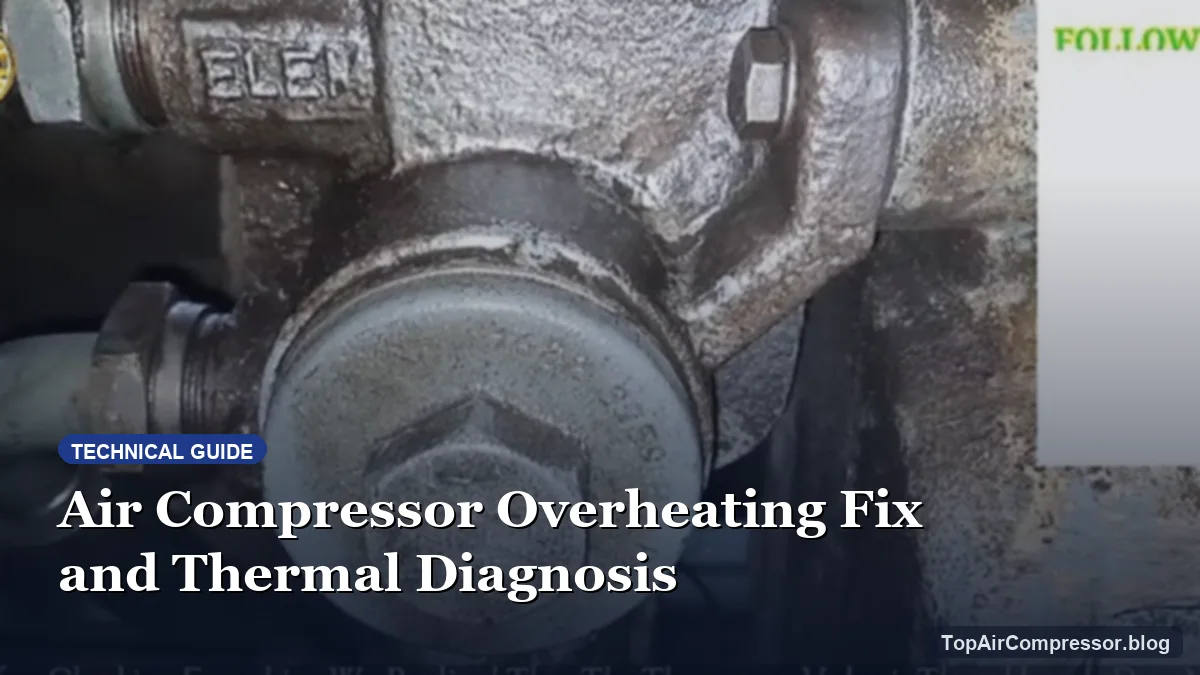
To fix air compressor overheating, clean blocked cooling fins and verify that ambient temperatures remain within safe operating thresholds to prevent catastrophic pump damage.
Ready to compare models? Start with our Best Air Compressor: Top Picks for Garage, Shop, & Tires.
Practical Quick-Reference Table
| Scenario / Metric | Recommended Target | Why It Matters |
|---|---|---|
| Ambient Temperature | Below 100°F (38°C) | Prevents thermal efficiency loss and oil breakdown. |
| Oil Viscosity Grade | ISO 68 Non-Detergent | Ensures proper film strength under extreme operating loads. |
| Maximum Duty Cycle | 50 to 70 Percent | Allows adequate cooling periods between compression cycles. |
| Check Valve Status | Zero Air Leakage | Stops backpressure that forces the motor to stall. |
| Voltage Tolerance | Plus or Minus 10% | Avoids excessive current draw and winding overheating. |
| Ventilation Clearance | Minimum 24 Inches | Guarantees sufficient airflow across cooling fan blades. |
Diagnosing Thermal Overload and Identifying Root Causes
Thermal overload trips occur when internal compressor temperatures exceed safe engineering thresholds. Recognizing these warning signs early prevents permanent damage to pistons, rings, and motor windings across your system.
Before servicing your machine, browse our best portable air compressor for tools roundup if you need a reliable backup. Always disconnect power sources before touching hot metal surfaces to prevent severe thermal burns.
Check the thermal reset button located on the side of the electric motor housing. If the button pops out repeatedly, your compressor is experiencing excessive electrical or mechanical resistance during compression.
Measure the running amperage using a digital clamp meter around the hot power lead. Comparing this exact measurement against the manufacturer data plate reveals if the motor is overworking.
- Disconnect primary electrical power before inspecting internal mechanical components.
- Locate and test the manual thermal overload reset switch on the motor.
- Measure operating amperage to detect abnormal mechanical resistance or binding.
- Record ambient workshop temperatures during heavy operational load cycles.
Recognizing Warning Signs of Impending Failure
Unusual burning smells, slowed pump recovery times, and sudden thermal shutdowns indicate critical failure. Address these symptoms immediately before internal components seize completely.
Listen closely for unusual mechanical knocking noises emanating from the connecting rod and crankshaft bearings during active compression cycles.
- Identify acrid burning odors near the electric motor windings.
- Monitor total tank pressurization times against factory baseline specifications.
Inspecting and Clearing Cooling Fins and Ventilation Paths
When upgrading your workshop setup, consult our best air compressor guide for reliable shop options. Cast iron pump heads rely entirely on clean external cooling fins to dissipate heat efficiently under heavy loads.
Remove any protective plastic or wire mesh safety guards covering the flywheel and pump assembly. This exposes the entire finned cylinder head for thorough physical inspection and cleaning.
Use compressed air at a regulated pressure of thirty psi to blow out debris wedged between cooling fins. Always wear ANSI-approved safety glasses during this maintenance procedure.
Stubborn grease and carbon buildup require a specialized solvent degreaser applied with a stiff nylon brush. Rinse the area gently and dry it completely before restarting the equipment.
- Remove protective belt guards to access obstructed cast iron cooling fins.
- Use low-pressure compressed air to blow away accumulated shop dust.
- Apply safe solvent degreasers to remove baked-on oil and carbon residue.
- Ensure all safety guards are securely reinstalled before power restoration.
Flywheel Fan Blade Assessment
The large flywheel often incorporates cast-in fan blades designed to push cooling air across the pump. Cracked or missing blades severely reduce airflow volume and cause rapid overheating.
Inspect every single blade for structural fractures, loose set screws, or bent metal fins that might disrupt balanced rotational airflow dynamics.
- Examine flywheel blades for cracks, chips, and structural fatigue.
- Verify that the flywheel hub remains tightly secured to the crankshaft.
Video Walkthrough: Search filters
Lubrication Viscosity and Oil Level Management Protocols
Before calculating air demands, use our CFM tool sizing calculator to match proper pump displacement. Inadequate lubrication creates extreme metal-on-metal friction that rapidly generates destructive heat within the crankcase.
Using incorrect oil viscosity grades compromises hydrodynamic film strength under heavy industrial loads. Switch to ISO 68 synthetic compressor oil for superior thermal stability in demanding environments.
Drain and replace the compressor oil annually or after five hundred operating hours to remove accumulated microscopic wear debris. Dirty oil loses its heat dissipation properties quickly.
Inspect the crankcase breather cap to ensure it is not clogged with varnish. A blocked breather creates internal crankcase pressure that forces oil past piston rings.
- Verify oil levels daily using the visual crankcase sight glass.
- Drain old oil while the pump is warm to suspend particulate contaminants.
- Replace crankcase oil annually using approved synthetic lubricant formulations.
- Clean or replace blocked crankcase breathers to prevent internal pressure.
Evaluating Synthetic versus Mineral Lubricants
Synthetic oils resist thermal breakdown significantly better than traditional petroleum-based mineral oils under continuous high-load applications.
Upgrading your lubricant formulation helps lower overall operating temperatures by reducing internal fluid shear friction within the pump.
- Compare thermal degradation thresholds of mineral and synthetic oils.
- Ensure oil compatibility with your specific reciprocating pump seals.
Unloader Valve and Check Valve Operational Verification
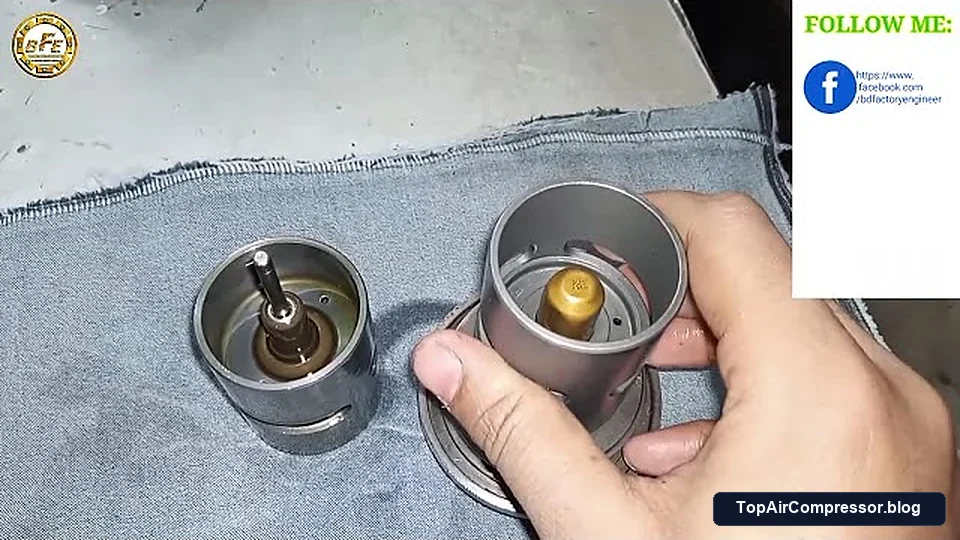
Faulty check valves allow high-pressure air to leak backward into the pump head against stopped pistons. This dangerous backpressure forces the electric motor to restart under a heavy load.
Motors attempting to start against trapped head pressure experience massive electrical current spikes. This rapid amperage surge triggers internal thermal overloads within seconds of startup.
Inspect the unloader valve connected to the pressure switch to ensure it releases residual manifold pressure. A functioning unloader vents trapped line air immediately after the motor stops.
Clean debris and carbon deposits from the check valve disc and brass seat using a safe solvent. Replace worn internal spring components if the valve fails sealing tests.
- Test check valve sealing integrity to prevent destructive head pressure leaks.
- Listen for the distinct hiss of the unloader valve after motor shutdown.
- Clean carbon fouling from check valve poppets and internal brass seats.
- Replace damaged pressure switch unloader tubing during routine inspections.
Electrical Voltage Drops and Motor Amp Draw Testing
Low input voltage forces electric motors to draw excessive amperage to produce rated horsepower. This elevated current directly translates into severe winding heat and premature thermal failure.
Measure the incoming line voltage at the motor terminals while the compressor is actively running under a full load. Voltage drops exceeding ten percent demand immediate correction.
Inspect all electrical supply wiring, heavy-duty extension cords, and magnetic motor starter contact points for corrosion. Loose terminals create high resistance and localized thermal hotspots.
Ensure your circuit breaker sizing and wire gauge match the full-load amperage specifications listed on the compressor data plate to maintain safe operating margins.
- Measure running voltage under load to detect dangerous electrical sags.
- Clean oxidized magnetic starter contacts to reduce high-resistance heating.
- Verify proper wire gauge sizing for long electrical supply runs.
- Check thermal overload relay heater elements for correct amperage sizing.
Ambient Environment Management and Duty Cycle Adherence
If you need roadside inflation on the go, choose our best portable tire air compressor to handle emergencies safely. Stationary shop units demand proper ventilation, while mobile units require reliable DC power connections.
Maintain a minimum clearance of twenty-four inches around the entire unit to facilitate unrestricted airflow. Install louvered intake vents if the compressor operates inside a dedicated enclosure.
Exceeding the manufacturer recommended duty cycle causes continuous heat accumulation within the pump cylinders. Industrial reciprocating compressors generally require a fifty to seventy percent duty cycle.
Integrate external cooling fans or improve workshop exhaust ventilation if ambient temperatures consistently exceed safe operational limits during peak summer production shifts.
- Provide unobstructed perimeter clearance for adequate cooling airflow circulation.
- Adhere strictly to manufacturer duty cycle limits to prevent heat saturation.
- Install auxiliary exhaust fans in enclosed compressor rooms or sheds.
- Avoid placing compressors directly beside high-heat industrial equipment.
Comprehensive Preventative Maintenance Schedule for Long-Term Reliability
Implementing a disciplined preventative maintenance schedule eliminates unexpected thermal shutdowns and expensive component replacements. Document every service task in a dedicated workshop maintenance logbook.
Inspect and clean intake air filter elements monthly to maintain maximum volumetric efficiency. Restricted intake filters force the pump to work harder, increasing operating temperatures.
Check drive belt tension and alignment every quarter to prevent frictional power losses. Loose or misaligned belts create slippage that generates localized heat and reduces pump speed.
Test the pressure relief safety valve periodically to ensure it functions correctly and prevents catastrophic over-pressurization events during unexpected thermostat or switch failures.
- Clean or replace intake air filter elements on a monthly basis.
- Inspect drive belt tension and alignment every three months.
- Test pressure relief safety valves for unhindered mechanical operation.
- Maintain detailed service records for all compressor maintenance procedures.
Frequently Asked Questions
Why does my air compressor trip the thermal overload switch?
Thermal trips usually indicate excessive motor amp draw caused by low voltage, restricted cooling fins, or high pressure. Inspect your electrical supply and clean the pump exterior thoroughly.
How often should I change the pump oil to prevent heat buildup?
Replace compressor oil annually or after every five hundred operating hours to maintain thermal stability. Fresh oil reduces internal friction and dissipates heat effectively.
Can a bad check valve cause an air compressor to overheat?
Yes, a faulty check valve allows compressed air to leak backward against stopped pistons. This forces the motor to restart under a heavy load, triggering thermal overloads.
What is the ideal ambient temperature for compressor operation?
Keep operating environments below one hundred degrees Fahrenheit with ample ventilation clearance. Proper airflow prevents heat saturation and protects internal pump components.
Does a dirty intake filter contribute to compressor overheating?
Restricted intake filters force the pump to work harder to draw air, increasing mechanical strain and operating temperatures. Inspect and clean your filter elements monthly.