Can You Store Air Compressor with Air in Tank?
Leaving pressure inside an air compressor tank during storage is a common workshop dilemma. Understanding moisture accumulation and material fatigue prevents dangerous structural failures.

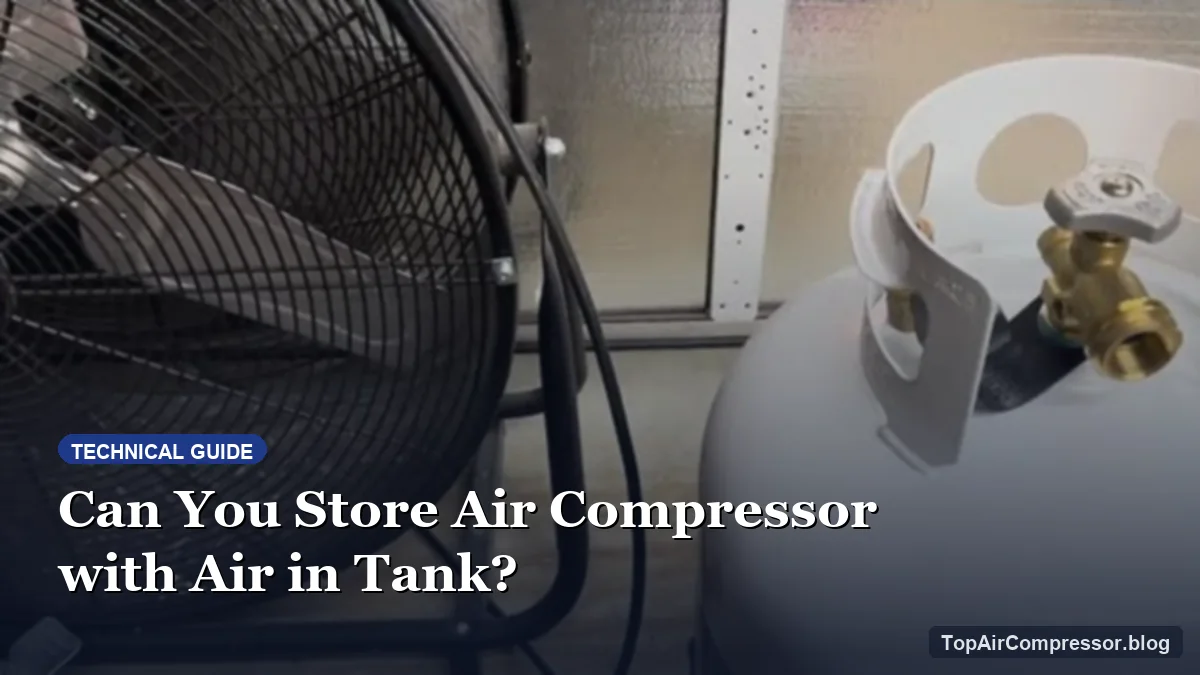
You can technically store a compressor with air, but it is strongly discouraged for long durations. Always release tank pressure and drain condensation to prevent corrosion.
Looking for matching picks? See our Best Portable Air Tank: Top Picks for Quick Inflatables.
Practical Quick-Reference Table
| Scenario / Metric | Recommended Target | Why It Matters |
|---|---|---|
| Short-term overnight storage | Can retain pressure | Minimal condensation risk for brief intervals |
| Long-term multi-week storage | Completely depressurized | Eliminates rust and metal fatigue hazards |
| Moisture drainage frequency | Daily or after each use | Prevents galvanic pitting inside steel shells |
| Pressure regulator setting | Zero or backed off | Preserves spring tension and internal seals |
| Tank drain valve position | Open during storage | Allows residual condensation to evaporate fully |
| Power supply status | Unplugged or isolated | Prevents unexpected motor cycling and accidents |
Understanding Internal Tank Pressure Dynamics
Steel and aluminum pressure vessels endure constant stress when holding compressed air. Over time, fluctuating ambient temperatures can cause microscopic metal fatigue and unexpected seal degradation.
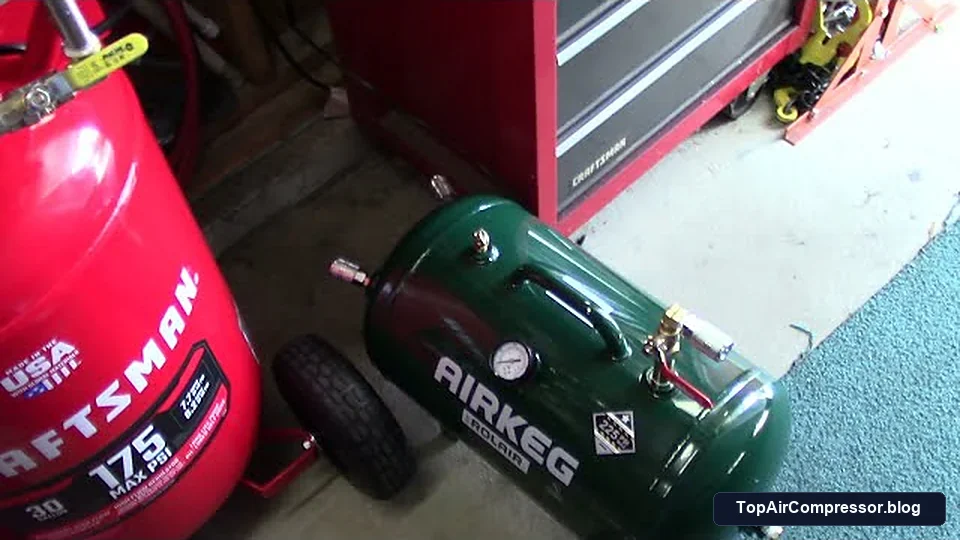
Moisture is the primary enemy of any compressed air storage tank. When ambient air is pressurized, water vapor condenses and settles at the bottom of the vessel.
Leaving this moisture inside an unmonitored pressurized tank accelerates internal rust formation significantly. Corrosion thins the metal walls, creating catastrophic rupture risks during future inflation cycles.
OSHA and ASME safety guidelines recommend depressurizing vessels when equipment remains unused for extended periods. Adhering to these protocols protects both your workshop and your facility personnel.
Storing an air compressor under full pressure exerts continuous mechanical stress on steel welds. Using the best plasma cutter with built in air compressor helps reduce equipment clutter in tight workshops.
Ambient temperature fluctuations directly impact internal tank pressure according to the ideal gas law. A ten-degree drop in the shop causes a measurable pressure decrease, potentially drawing moisture past closing valve seats.
Leaving systems pressurized overnight invites slow leaks at threaded NPT pipe connections and manifold fittings. Even a minor drop of five PSI per hour indicates a compromised seal that requires immediate thread sealant inspection.
Industrial safety standards mandate isolating the pneumatic network during extended shutdowns. Retaining compressed air inside the reservoir without active monitoring bypasses essential failsafe operating protocols established by OSHA guidelines for workshop environments.
- Monitor internal vessel pressure using analog or digital gauges regularly.
- Inspect tank exterior surfaces for signs of bubbling paint or rust.
- Keep operating pressures well below the manufacturer maximum allowable working pressure.
- Perform hydrostatic testing every few years if required by local codes.
Short-Term Versus Long-Term Storage Rules
Short-term storage overnight rarely causes severe damage if the receiver tank is relatively new. However, multi-week storage demands complete depressurization to ensure absolute safety.
Always assess your specific workshop environment humidity levels before deciding on leaving residual air. High-moisture environments require immediate draining regardless of storage duration.
- Evaluate regional humidity before storing units.
- Drain tanks immediately after humid shifts.
Moisture Accumulation and Corrosion Risks
Water condensation is an unavoidable byproduct of the mechanical compression process. For roadside emergencies, choosing the best portable tire air compressor ensures quick inflation without heavy shop gear.
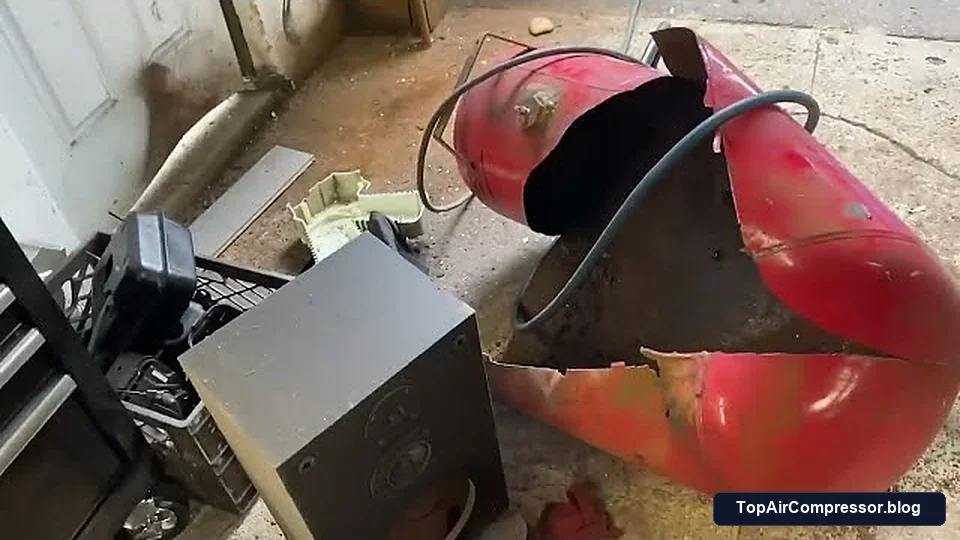
Liquid water pools rapidly at the lowest point of the horizontal or vertical tank shell. If left inside during storage, this water initiates galvanic corrosion against bare interior steel.
Standard ASME pressure vessels feature protective interior coatings, but micro-fissures frequently develop over years of service. Trapped moisture attacks these exposed spots, forming pitting corrosion.
Pitting compromises structural integrity much faster than uniform surface oxidation. A tank weakened by internal rust can fail violently under normal working pressures.
Compressed air naturally holds high water vapor concentrations depending on ambient relative humidity levels. When warm air cools inside a stationary tank, moisture condenses rapidly into liquid pooling water along the bottom floor.
Leaving this acidic condensation pooled inside the steel tank overnight accelerates internal wall oxidation. Unchecked moisture directly attacks the uncoated interior surface, leading to premature wall thinning and catastrophic structural failure risks.
Standard ASME storage tanks feature a bottom drain port specifically designed for condensate removal. Operators must open this brass drain valve fully to expel trapped water, maintaining a minimum dry threshold inside the reservoir.
Automatic electronic drain valves provide reliable moisture purging during active cycles, but static storage stops their functionality. Without power, accumulated fluid sits undisturbed, creating optimal conditions for microbial corrosion pitting along welds.
- Install automatic electronic drain valves to purge liquid water daily.
- Manually open the tank drain cock after every heavy pneumatic operation.
- Tilt portable units slightly to ensure complete moisture evacuation during draining.
- Never weld damaged tanks or repair rusted pressure vessels locally.
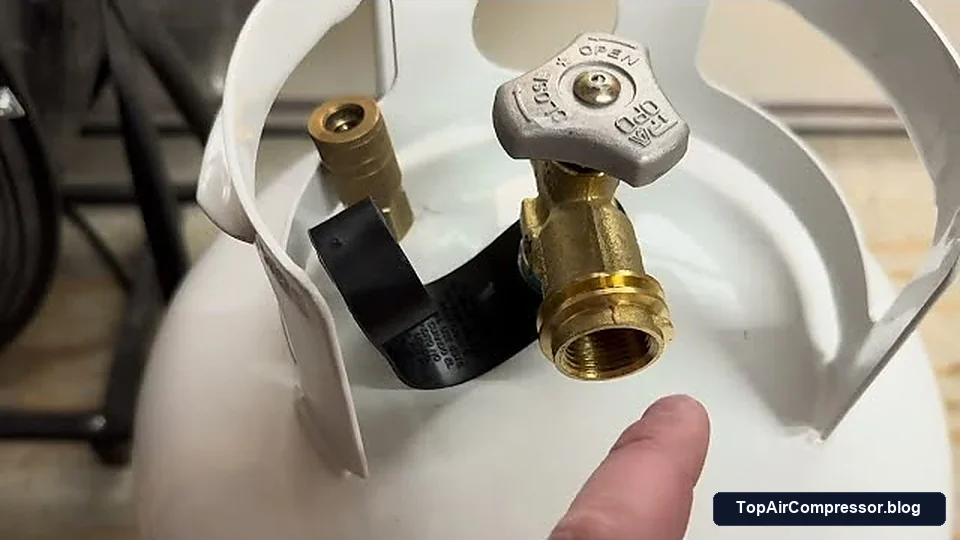
Video Walkthrough: Boost Your Air Compressor! Expanding a small air compressor with a propane tank.
Mechanical Wear on Valves and Regulators
Leaving pneumatic systems under continuous static pressure exerts constant force on internal components. Check valves, pressure switches, and regulators remain loaded indefinitely.
Rubber o-rings and spring diaphragms can take a permanent compression set when pressurized for months. This deformation leads to air leaks and premature component failure upon restart.
The compressor check valve separates the pressurized tank from the pump head. Constant back-pressure can weaken the internal reed or disc, causing leakage back into the pump.
Regulators left adjusted to high delivery pressures lose spring tension and calibration accuracy over time. Relieving these systems preserves delicate internal brass and elastomer seals.
Keeping pneumatic regulators under continuous downstream pressure fatigues the internal elastomeric diaphragm. Constant spring tension degrades the rubber material, resulting in inaccurate pressure delivery when you resume tool operations the next day.
Check valves separating the pump head from the tank experience continuous reverse seating force. When left pressurized, the brass or delrin poppet stays jammed against its seat, causing spring memory loss and backflow leaks.
Ball valves on the tank outlet handle high mechanical loads during storage. Leaving these isolation valves open means line pressure continually strains the PTFE seat rings, accelerating wear and increasing the likelihood of air slip.
Safety relief valves also suffer when exposed to static line pressure for extended periods. The spring mechanism can bind slightly, potentially altering the strict calibration set point required for emergency over-pressurization release protection.
- Back off pressure regulator knobs to release internal spring tension.
- Inspect check valve seating surfaces during scheduled seasonal maintenance routines.
- Replace hardened or cracked nylon airline fittings immediately upon discovery.
- Test pressure relief valves manually to ensure they unseat smoothly.
Safety Protocols and Manufacturer Recommendations
Equipment manufacturers explicitly outline storage procedures within their comprehensive user manuals. Ignoring these engineering guidelines voids equipment warranties and elevates workplace liability.
Pressurized vessels represent stored mechanical energy capable of causing lethal property damage or personal injury. Proper shutdown procedures eliminate this hidden workshop hazard entirely.
Always disconnect the primary power source before performing any maintenance or depressurization steps. Unplug electric models or disconnect the spark plug wire on gas-powered units.
Wear ANSI-approved safety glasses and hearing protection when operating manual tank drain valves under pressure. Escaping high-velocity air can propel rust flakes and debris dangerously.
Major compressor manufacturers clearly state in their user manuals that tanks should be depressurized after use. Following these explicit operating instructions preserves your warranty coverage and prevents unexpected workshop equipment damage.
Leaving pressurized vessels unattended in public or commercial shops introduces serious liability concerns. If a fitting fails overnight, escaping high-velocity air can launch debris, violating core workplace safety regulations enforced by inspectors.
Fire hazards increase when electrical switches remain engaged while the tank stays fully pressurized. Power surges can trip the motor starter, forcing the compressor to run dry and causing dangerous thermal overload conditions.
Implementing a routine equipment lockout policy ensures absolute safety for all shop personnel. Venting the receiver tank completely eliminates stored energy hazards, fulfilling strict industry best practices for heavy machinery management.
- Consult the specific equipment owner manual for rated tank capacity limits.
- Mount stationary compressors in well-ventilated areas away from flammable chemical storage.
- Post clear warning placards regarding compressed air safety protocols in shared workshops.
- Train all secondary equipment operators on proper emergency depressurization sequences.
Step-by-Step Procedure for Proper Shutdown
Shut down the compressor motor and disconnect the primary power supply completely to prevent accidental cycling. Allow the entire drive assembly to cool down safely.
Close the tank outlet valve to isolate your downstream air distribution piping. Using our cfm tool sizing calculator helps match pneumatic requirements to your receiver tank.
Slowly open the manual tank drain valve to exhaust all remaining compressed air and accumulated moisture. Keep your face clear of the direct exhaust stream path.
Leave the drain valve slightly open during the entire storage period to prevent condensation buildup. Close the valve securely only when you are ready to restart.
Begin the shutdown process by turning off the electric motor power switch to stop pump cycles. Disconnect the main power supply cord or flip the heavy-duty electrical breaker switch to the off position securely.
Next, close the primary ball valve connecting the tank output to your main workshop distribution piping. This isolation step protects downstream air tools from any lingering pressure surges or drops during venting.
Slowly open the manual tank drain valve located at the lowest point of the reservoir bottom. Allow all condensed water and pressurized air to exhaust completely, achieving a zero PSI reading on your gauges.
Leave the drain valve cracked open slightly overnight to allow any remaining vapor to escape freely. This simple habit prevents internal moisture pooling and guarantees a dry storage environment for your equipment.
- Verify the tank pressure gauge reads exactly zero before leaving the unit.
- Wipe down exterior metal surfaces with a clean, dry shop towel.
- Store lightweight hoses and accessories in dry, climate-controlled storage bins.
- Cover stationary vertical units with breathable canvas dust covers.
Video Walkthrough: Adding an Extra Air compressor Tank to your shop
Troubleshooting Pressure Loss and Leaks
If your compressor loses pressure overnight while stored, you likely have a minor leak. Evaluating an air compressor steel vs aluminum tank comparison helps you understand vessel durability.
Apply a soapy water solution to threaded fittings, quick-disconnect couplers, and tank welds. Bubbles indicate escaping air that requires immediate tightening or thread sealant replacement.
Faulty check valves are another frequent culprit behind mysterious overnight pressure drops. Inspect the valve core for debris or wear if your pressure switch bleeds down.
Resolving these minor leaks prevents premature motor burnout and excessive electricity consumption during daily operations. Systematic troubleshooting saves both time and expensive repair costs.
Finding unexpected pressure loss overnight usually points to minor air leaks within the distribution system. Apply a soapy water solution across all threaded pipe joints to locate microscopic air bubbles indicating active leakage points.
Check the quick-disconnect fittings on your air hoses for worn O-rings and loose locking collars. A failing pneumatic coupler often bleeds system pressure silently, forcing your compressor to execute unwanted ghost recharges while idle.
Inspect the pressure switch manifold for unseated check valves or damaged unloader valve tubing. If air continuously escapes through the small bleed port, replace the faulty check valve to restore proper system isolation.
Routine maintenance of threaded connections using rated thread sealant tape prevents future pressure decay. Addressing these small pneumatic leaks promptly extends pump longevity and ensures reliable operating efficiency for daily tasks.
- Use high-grade thread sealant tape on all threaded pneumatic connections.
- Check quick-release hose fittings for worn rubber o-ring inserts.
- Inspect pressure switch unloader lines for pinhole cracks or kinks.
- Replace damaged check valves with exact OEM replacement parts promptly.
Frequently Asked Questions
Is it dangerous to leave air in a compressor tank for a few days?
Leaving compressed air inside your receiver tank for a short weekend period is generally safe if the pressure vessel is modern, certified, and structurally sound.
However, leaving high pressure unmonitored for extended multi-week durations significantly accelerates hidden internal rust accumulation and permanent elastomeric seal degradation across critical workshop pneumatic systems. Always consult your specific equipment manual before determining whether to store your unit fully pressurized.
How often should I drain my air compressor tank to prevent rust?
You should manually drain your air compressor tank after every single day of heavy pneumatic operation. Regular moisture purging eliminates pooled liquid water before it can initiate destructive interior wall corrosion.
If your compressor operates in a high-humidity coastal environment, consider installing an automatic electronic drain valve to ensure consistent moisture removal without daily manual intervention.
Can leaving pressure in the tank ruin the pressure switch?
Constant static pressure can indeed cause internal diaphragm fatigue and spring calibration drift over many months. Relieving system pressure during storage preserves delicate elastomer components and ensures accurate motor cycling upon restart.
Always back off your regulator knobs and disconnect power supplies completely before leaving your equipment unattended for extended storage intervals.
What is the proper way to safely depressurize an air compressor?
To safely depressurize your unit, first disconnect the main power source and allow the motor to cool down completely. Slowly open the manual tank drain valve located at the bottom of the vessel until all air and moisture escape.
Always wear approved safety glasses and verify that your tank pressure gauge reads absolute zero before walking away from your equipment.
Does storing a compressor with air cause the tank to explode?
An explosion from stored air alone is extremely rare unless the vessel suffers from severe, undetected wall thinning. However, internal rust pitting combined with sustained high pressure significantly elevates structural failure risks over time.
Routine visual inspections and mandatory pressure relief valve testing help ensure your receiver tank remains structurally sound throughout its operating lifespan.