How Long Do Air Compressor Tanks Last?
Understand the precise mechanical limits, corrosion factors, and operating conditions that determine how long your steel receiver tank remains structurally safe.

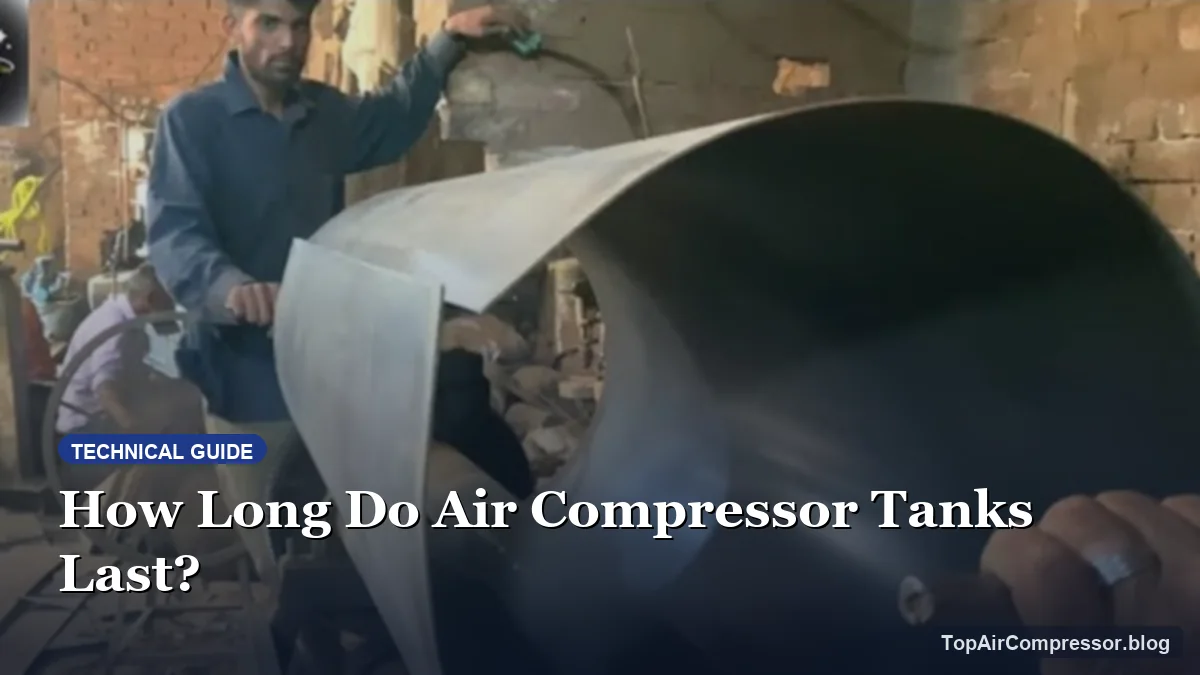
Most steel air compressor tanks last ten to fifteen years under regular use, provided operators drain accumulated moisture daily and respect maximum allowable working pressure limits.
Looking for matching picks? See our Best Portable Air Tank: Top Picks for Quick Inflatables.
Practical Quick-Reference Table
| Tank Type & Capacity | Typical Service Lifespan | Inspection & Maintenance Requirement |
|---|---|---|
| Portable Pancake (1-6 Gallon) | 5 to 8 Years | Daily drain, annual visual check for exterior scuffs. |
| Portable Twin-Stack (10-20 Gallon) | 8 to 12 Years | Drain moisture daily, check regulator and safety valve. |
| Jobsite Wheelbarrow (8-30 Gallon) | 7 to 10 Years | Inspect vibration dampeners, drain condensation after shifts. |
| Standard Shop Vertical (60-80 Gallon) | 12 to 20 Years | Bi-annual pressure relief test, mandatory daily manual draining. |
| Industrial Rotary Screw (120+ Gallon) | 15 to 25 Years | Professional ASME inspection, automated timed drain maintenance. |
| Aluminum Lightweight Tanks | 15 to 20+ Years | Corrosion-resistant alloy requires fewer rust-specific checks. |
Understanding Receiver Tank Metallurgy and Expiration Realities
Air compressor receiver vessels are heavy-duty pressure storage units constructed primarily from carbon steel. Over extended operational cycles, these structural metals experience constant stress from cyclic pressurization and depressurization.
Engineering standards dictate that standard steel tanks do not necessarily feature a fixed hard expiration date. Instead, their functional longevity depends heavily on environmental humidity, manufacturing quality, and daily preventative maintenance routines.
Uncoated interior walls face direct assault from liquid water condensation generated during standard air compression cycles. Without an active corrosion mitigation strategy, the vessel wall thickness degrades progressively from the inside out.
When evaluating a tank's physical health, users must look beyond exterior appearance. Internal rust accumulation frequently compromises structural integrity long before any external signs of wear become visible to operators.
Air compressor receiver tanks rely on certified carbon steel compliant with ASME standards, much like options found in our best portable tire air compressor reviews. These materials provide high tensile strength but need proper protection.
Standard industrial vessels utilize structural steel plates ranging from 1/8 inch to 3/8 inch in thickness. Manufacturers incorporate a corrosion allowance into these measurements to safely accommodate predictable interior metal loss over time.
Metallurgical fatigue develops gradually through thousands of pressure cycles. As internal pressure fluctuates from zero to 175 PSI, microscopic crystalline shifts occur within the welded seams, slowly reducing structural integrity.
True expiration is rarely defined by a calendar date alone. Operating environments with high ambient humidity and fluctuating temperatures drastically accelerate structural degradation compared to climate-controlled indoor mechanical rooms.
- Carbon steel construction handles high internal pressure but remains vulnerable to moisture oxidation.
- Cyclic fatigue gradually weakens welded seams over decades of continuous shop operation.
- Manufacturer guidelines usually suggest retirement thresholds based on operating hours and environment.
- Unregulated humidity accelerates internal wall pitting and reduces safe working margins.
The ASME Code and Pressure Vessel Standards
Commercial operations often adhere strictly to ASME pressure vessel certification guidelines. These standards establish baseline fabrication protocols to ensure receiver tanks handle rated PSI safely.
Inspectors rely on ultrasonic thickness testing to verify that vessel walls retain adequate structural steel. Tanks failing these minimum thickness requirements face immediate removal from service.
- ASME stamps indicate compliance with strict design and safety engineering criteria.
- Industrial setups require periodic professional safety audits of all compressed air infrastructure.
Comprehensive Lifespan Estimates by Compressor Build Type
Small portable units like those in our best portable air compressor for tools guide typically endure shorter lifespans. Their thinner steel walls and frequent transport expose them to rapid vibration stress.
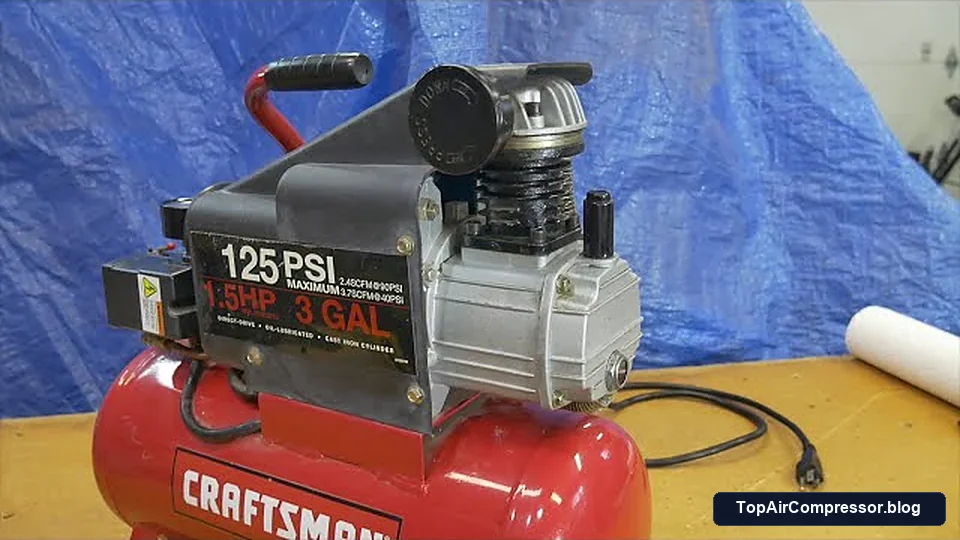
Jobsite wheelbarrow compressors endure heavy jobsite conditions, dirt, and rough handling. These units usually achieve eight to twelve years of reliable service before internal oxidation requires a full replacement.
Stationary vertical shop compressors with capacities ranging from sixty to eighty gallons enjoy more stable environments. Mounted securely to concrete floors, they often operate safely for fifteen years or more.
Large industrial rotary screw systems utilize heavy-gauge industrial receiver tanks. Built to rigorous specifications, these massive vessels can easily exceed two decades of operational life with proper care.
Small portable pancake and twin-stack units typically feature thinner sheet metal. These consumer-grade vessels usually offer a realistic service life of three to five years under moderate residential usage conditions.
Professional-grade vertical stationary reciprocating compressors utilize heavier ASME-rated steel. When properly maintained and drained daily, these robust commercial tanks routinely deliver ten to fifteen years of dependable operating service.
Industrial rotary screw packages often integrate oversized air receivers designed for continuous duty. High-end commercial installations frequently achieve fifteen to twenty years before failing rigorous ultrasonic thickness testing protocols.
Fleet operators must distinguish between intermittent hobbyist applications and heavy manufacturing demands. Continuous multi-shift operations subject welds to extreme thermal fatigue, cutting normal operational lifespans by nearly half.
- Pancake compressors: Five to eight years of typical hobbyist operational service.
- Twin-stack portable units: Eight to twelve years with consistent moisture draining.
- Vertical shop tanks: Twelve to twenty years in controlled indoor environments.
- Industrial stationary vessels: Fifteen to twenty-five years with certified inspections.
Aluminum Versus Steel Alloy Longevity
Aluminum air tanks offer superior natural resistance to rust and oxidation. This chemical property allows aluminum portable units to often outlast standard carbon steel equivalents by several years.
Despite their longevity advantages, aluminum tanks cost more upfront and remain susceptible to mechanical denting. Operators must weigh weight savings against structural impact resistance in mobile settings.
- Aluminum resists internal galvanic corrosion significantly better than carbon steel.
- Steel remains the preferred heavy industrial choice due to its high tensile strength.
Video Walkthrough: Why Do Air Compressors Need Such Big Tanks?
Converting Operational Hours and Duty Cycles Into Timeline Metrics
Calculating receiver tank lifespan requires examining actual run hours and consulting our cfm and tank sizing calculator rather than just calendar years. A compressor running forty hours ages much faster.
High duty cycles generate massive volumes of compressed air moisture quickly. Continuous pumping raises internal temperatures, which increases condensation rates and accelerates internal steel oxidation.
Commercial body shops or manufacturing facilities subject tanks to severe fatigue limits. In these heavy settings, a tank might reach its structural retirement threshold in under a decade.
Conversely, intermittent garage usage allows a quality tank to easily cross the fifteen-year mark. Low daily run times minimize the total number of pressure expansion and contraction cycles.
Calculating tank longevity requires tracking actual running hours rather than calendar years. A compressor operating at a 50 percent duty cycle accumulates wear twice as fast as an identical standby unit.
Standard workshop compressors engineered for a 5,000-hour operational threshold will last ten years if run ten hours weekly. Heavy industrial systems often demand designs rated for 20,000 operating hours minimum.
Rapid cycling drastically shortens vessel longevity by generating excessive thermal expansion. Compressors that cycle on and off more than six times per hour suffer accelerated fatigue along the tank base welds.
Monitoring motor run-time meters provides accurate data for preventative replacement schedules. Facility managers should log weekly run times to predict precise structural retirement dates before catastrophic vessel failure occurs.
- Monitor annual running hours to predict realistic equipment retirement schedules accurately.
- Heavy industrial duty cycles accelerate both mechanical fatigue and moisture accumulation.
- Intermittent weekend use extends calendar longevity by reducing total pressure cycles.
- High operating temperatures worsen internal chemical breakdown of protective tank linings.
Understanding Pressure Cycle Fatigue
Every time a compressor fills from zero to maximum PSI, the steel shell flexes microscopically. This continuous expansion and contraction creates cumulative metal fatigue along welded joints.
Limiting maximum working pressure to necessary levels reduces overall vessel strain. Avoiding unnecessary high-pressure charging preserves structural weld integrity over long operational timelines.
- Microscopic steel flexing occurs during every single compressor pump-up cycle.
- Weld seams represent the primary stress concentration points during pressurization.
Degradation Mechanics: Internal Moisture and Corrosion Pathways
Water is the primary enemy of any compressed air storage vessel. Atmospheric air drawn into the intake always carries humidity, which condenses rapidly inside the cold receiver tank.
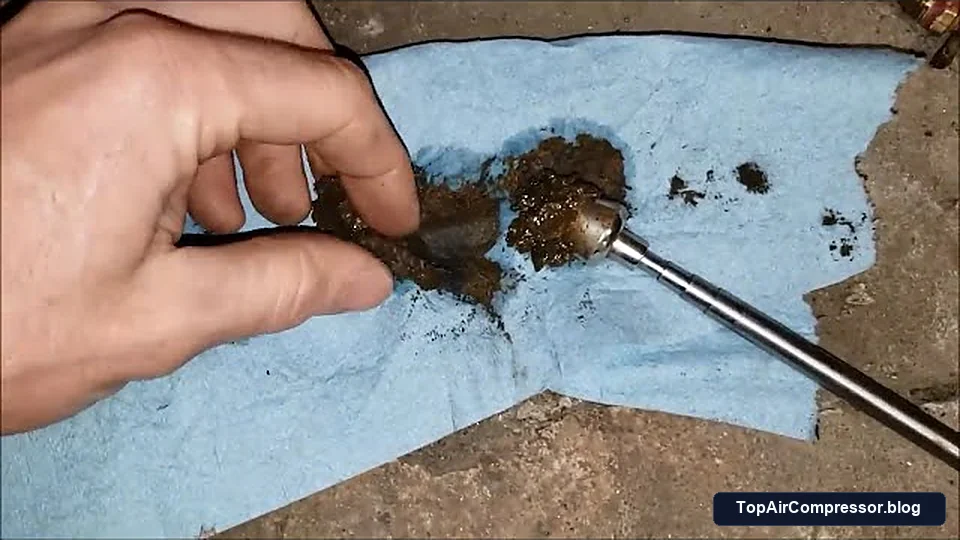
When compressed air cools inside the storage tank, liquid water drops settle directly onto the bottom interior floor. This trapped moisture creates a continuous pool that breeds aggressive internal rust.
Over time, this localized moisture eats away at the steel bottom plate. This hidden internal pitting can reduce structural wall thickness long before any external warning signs appear.
Using aftercoolers and refrigerated air dryers significantly reduces incoming moisture loads. Removing water upstream protects the tank interior from premature chemical oxidation and structural failure.
Atmospheric air naturally contains water vapor that condenses during the compression stroke. As hot air enters the cooler receiver tank, liquid water drops out, pooling harmlessly at the bottom drain port.
Left unmanaged, this accumulated moisture combines with oxygen to create galvanic corrosion. The chemical reaction actively pits the interior steel floor, often creating a knife-edge thinning effect completely invisible externally.
Oil carryover from lubricated piston pumps creates an acidic sludge mixture. This viscous emulsion coats internal tank surfaces, trapping moisture against bare metal and accelerating localized pitting corrosion rates exponentially.
Automatic electronic drain valves significantly mitigate internal moisture accumulation. Installing a reliable timer-operated purge valve prevents standing water from sitting against the bottom steel plates for extended overnight periods.
- Atmospheric humidity converts to liquid condensation during standard compression cycles.
- Pooled water at the tank bottom causes hidden internal pitting corrosion.
- Upstream air dryers drastically lower the moisture volume entering the receiver.
- Neglecting manual drain valves guarantees rapid internal steel wall degradation.
The Role of Automatic Tank Drains
Installing electronic or pneumatic automatic tank drains removes human error from maintenance routines. These devices purge accumulated condensate at timed intervals throughout the workday.
Reliable automatic draining ensures water never pools inside the vessel for extended hours. This simple upgrade dramatically improves overall tank lifespan in busy workshops.
- Timed solenoid drains expel liquid water before rust formation accelerates.
- Manual draining relies entirely on operator consistency and daily discipline.
Identifying Critical End-of-Life Failure Symptoms and Risks
Recognizing early symptoms of tank degradation prevents catastrophic structural ruptures. Visual inspection should immediately identify any bubbling paint, flaking rust, or suspicious exterior swelling.
If you observe deep pitting or rust flakes emerging from the drain valve during a purge, internal damage is already severe. This indicates significant wall thinning that compromises safe operation.
Any audible cracking sounds or unexplained pressure drops demand immediate system shutdown. Pressurized air vessels store immense kinetic energy and pose severe safety hazards if compromised.
Unusual vibrations or structural shifting near mounting feet suggest compromised chassis integrity. Operators must treat these physical warning signs as definitive retirement triggers.
Visible external rust bleeding through paint coatings indicates advanced structural degradation. Property owners must immediately inspect areas surrounding welded tank feet and bottom drain fittings for deep pitting anomalies.
Auditory warnings such as unusual metal creaking or popping during pressurization demand immediate shutdown. These sounds signify major structural shifting within the weakened steel walls under standard operational loads.
Pinholes developing through the tank body represent an immediate catastrophic failure risk. Applying makeshift epoxy patches to leaking compressed air vessels violates OSHA safety standards and invites explosive rupture events.
Unexplained pressure drop overnight without active air consumption suggests internal micro-cracks. Technicians should perform a soapy water leak test on all welded seams and threaded tank bung fittings thoroughly.
- Bubbling exterior paint often signals underlying rust pushing through the steel.
- Rust debris exiting the drain valve reveals advanced internal wall pitting.
- Unexplained structural deformation requires taking the compressor out of service immediately.
- Never attempt welding repairs on a compromised, pressurized air receiver tank.
The Dangers of Catastrophic Tank Rupture
An exploding air receiver releases stored energy with devastating explosive force. Steel shrapnel and high-pressure blasts can cause catastrophic property damage or severe personal injury.
Respecting pressure vessel safety margins remains an absolute priority for every operator. Never exceed the manufacturer's maximum rated PSI stamped on the data plate.
- Stored compressed air energy equals the destructive power of localized explosives.
- Tank failures destroy surrounding shop infrastructure and endanger personnel.
Video Walkthrough: Inspecting the Tank
Rigorous Maintenance Protocols to Maximize Tank Durability
Extending your system's operational life, such as models featured in our best air compressor rankings, requires disciplined daily maintenance habits. Always drain accumulated water completely before starting any work shift.
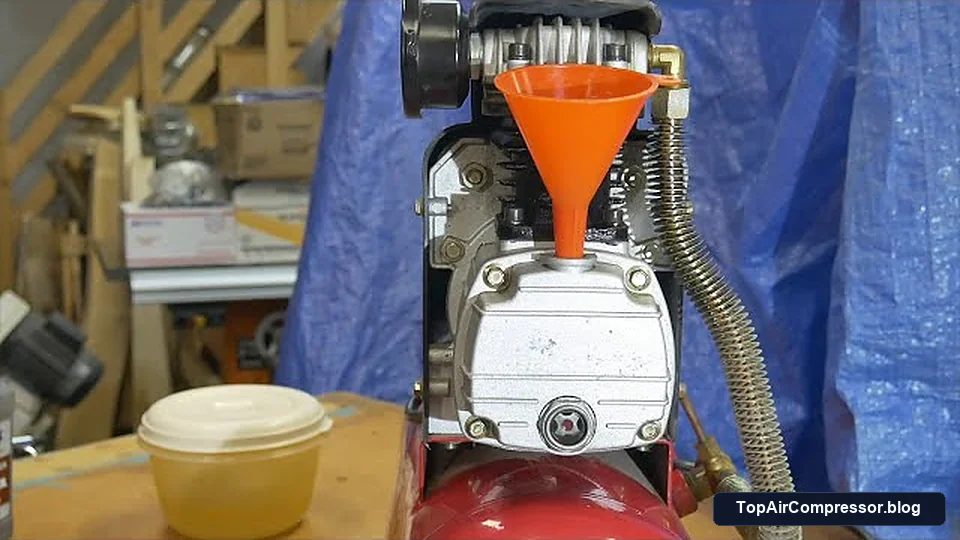
Keep the compressor operating area clean, dry, and well-ventilated to minimize ambient humidity intake. Good airflow prevents external moisture from attacking the outer steel frame.
Test the safety pressure relief valve manually every few months to ensure it opens freely. A stuck relief valve creates dangerous over-pressurization risks during normal motor operation.
Inspect vibration isolation pads regularly to ensure they remain soft and functional. Wobbly mounts transmit destructive harmonic vibrations directly into the welded tank seams.
Daily manual draining remains the single most effective practice for extending vessel life. Operators must completely bleed system pressure down to zero PSI to flush out accumulated moisture and debris.
Installing remote drain lines simplifies maintenance in hard-to-reach industrial installations. Technicians should use rigid copper or stainless steel piping rather than flexible plastic tubing for reliable high-pressure condensate removal.
Maintaining optimal workshop ambient conditions prevents exterior surface oxidation from worsening. Facilities should keep relative humidity below 50 percent using commercial dehumidifiers near the compressor installation zone.
Annual safety valve testing ensures pressure relief devices function correctly during emergencies. Certified technicians must manually pull the pop-off valve ring to verify proper mechanical actuation at rated pressure thresholds.
- Drain all liquid condensation daily while the tank holds slight residual pressure.
- Test mechanical safety pop-off valves regularly for proper opening function.
- Keep compressor feet isolated with rubber dampening pads to reduce vibration fatigue.
- Wipe down exterior metal surfaces and touch up any scratched protective paint.
Proper Draining Techniques for Maximum Safety
When purging a tank manually, reduce the internal pressure down to about ten PSI. This slight residual pressure helps forcefully blow out accumulated water and heavy debris.
Always wear safety glasses and hearing protection when opening bottom drain valves. Escaping high-pressure air mixed with rust particles creates a hazardous cleaning stream.
- Reduce tank pressure before draining to safely expel trapped water and debris.
- Always wear protective eyewear during the manual tank purge procedure.
Evaluating Tank Replacement Thresholds and Safety Standards
Deciding when to replace an aging air compressor tank involves clear safety parameters. Any vessel exceeding fifteen years of heavy commercial service warrants a thorough professional evaluation.
If inspection reveals wall thickness below safe manufacturing thresholds, retirement is mandatory. Attempting to patch or weld rusted pressure vessels is extremely dangerous and illegal in many jurisdictions.
Factor the cost of a replacement tank against the total value of your compressor pump assembly. Often, replacing an entire aging package proves more practical than retrofitting a new tank.
Always source certified replacement receiver tanks that match or exceed original equipment specifications. Verify that all new fittings, gauges, and safety valves meet current compliance standards.
Safety regulations mandate strict adherence to ASME boiler and pressure vessel codes. When ultrasonic testing reveals a wall thickness reduction exceeding 10 percent of original specs, the vessel requires mandatory retirement.
Insurance inspectors often enforce strict age limits on uncertified commercial pressure vessels. Many industrial policies require complete tank replacement after twenty years of service regardless of external appearance.
Attempting to weld or repair a compromised compressed air tank is extremely dangerous. Heat from welding introduces new metallurgical stresses, drastically increasing the risk of a lethal vessel explosion under pressure.
Proper decommissioning involves depressurizing the system entirely and removing all electrical connections. Facilities must physically drill a large hole through the tank body before scraping the metal to prevent reuse.
- Retire commercial tanks promptly after fifteen to twenty years of service.
- Never attempt DIY welding repairs on corroded high-pressure vessels.
- Verify that replacement tanks feature valid safety certifications and data plates.
- Replace worn pressure switches and relief valves alongside any new tank installation.
Safe Disposal of Expired Pressure Vessels
Disposing of an old compressor tank requires rendering it permanently unusable. Always depressurize the vessel completely and remove the drain valve entirely before recycling.
Cut a large hole or slice into the tank body with a saw to prevent accidental reuse. Scrap metal recyclers appreciate this safety step before accepting old pressure vessels.
- Fully depressurize and open all valves before scrapping an old tank.
- Drill or cut holes into the vessel shell to guarantee permanent retirement.
Frequently Asked Questions
How can I tell if my air compressor tank is rusted inside?
Inspect the liquid discharge during daily manual draining for rust flakes and discoloration. Using a borescopic inspection camera through the port hole reveals exact interior wall pitting.
Is it safe to weld a leaking air compressor tank?
Never weld a compromised pressure vessel under any circumstances. Patch welding structural cracks creates dangerous weak spots that frequently result in catastrophic explosions.
What causes air compressor tanks to fail prematurely?
Failure usually stems from neglected moisture accumulation and aggressive internal oxidation. High humidity environments combined with skipped daily draining accelerate steel wall degradation rapidly.
Do aluminum air compressor tanks last longer than steel?
Aluminum tanks resist natural oxidation and internal galvanic corrosion much better than carbon steel. This chemical resistance allows aluminum units to outlast traditional steel tanks significantly.
How often should an industrial air compressor tank be inspected?
Industrial pressure vessels require formal third-party inspections every few years according to local codes. Regular daily visual checks by operators complement these mandatory safety audits.