How Many Amps Does 60 Gallon Air Compressor Use?
Understanding exact electrical draws keeps your workshop safe. Proper circuit sizing prevents costly motor damage during heavy pneumatic tool operation.


Most sixty-gallon units draw thirteen to twenty-six amps depending on supply voltage. Always verify your nameplate data before installing dedicated wiring.
Looking for matching picks? See our Best 60 Gallon Air Compressor: Top Workshop Picks.
Practical Quick-Reference Table
| Scenario / Metric | Recommended Target | Why It Matters |
|---|---|---|
| 230V Single-Phase Motor | 30-Amp Breaker | Prevents nuisance tripping during startup surges. |
| 208V Three-Phase Power | 20-Amp Breaker | Balances electrical load across multiple lines safely. |
| 10 AWG Copper Wire | Up to 30 Amps | Minimizes dangerous voltage drop over distance. |
| 8 AWG Copper Wire | Up to 40 Amps | Handles higher current draws for heavy industrial units. |
| Starting Current Surge | 300% of Running Amps | Requires time-delay fuses or heavy-duty breakers. |
| Pressure Switch Setting | 135 to 175 PSI | Determines exact motor load cycle duration. |
Understanding Electrical Loads of Large Capacity Compressors
Operating a large shop compressor requires careful attention to electrical demands. Drawing too much current causes thermal overloads, tripped breakers, and premature motor failure in demanding environments.
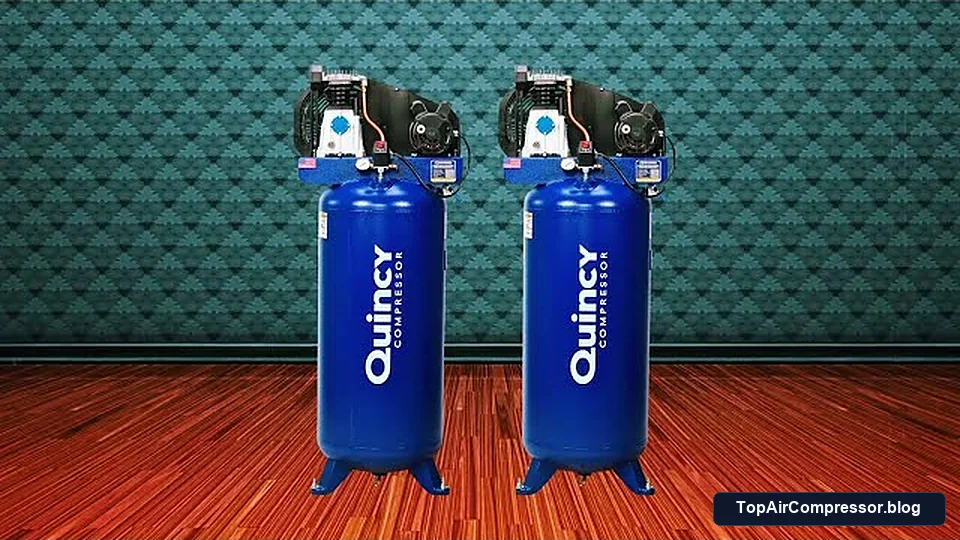
Standard sixty-gallon tanks provide substantial air storage for pneumatic tools. Consult our best air compressor for home use guide to evaluate motor amperage requirements before installation.
Industrial compressors rely on heavy-duty induction motors to deliver reliable performance. These robust power units convert electrical energy into mechanical force efficiently under heavy daily shop workloads.
Ignoring manufacturer electrical specifications creates severe safety hazards in the workshop. Always match your supply wiring gauge directly to the maximum running load amperage listed on the nameplate.
- Consult nameplate data for exact running load amperage values.
- Account for starting surges when sizing workshop electrical panels.
- Inspect power cords regularly for signs of thermal degradation.
- Ensure proper grounding to eliminate potential shock hazards.
Motor Horsepower and Power Consumption
Motor horsepower ratings directly correlate with electrical current consumption. A standard five horsepower motor demands substantially more amperage than a smaller three horsepower unit operating under pressure.
Pump displacement and tank pressure ratings further dictate total energy usage. Higher pressure thresholds require the electric motor to work harder against accumulated system resistance.
- Match breaker capacity to motor horsepower specifications.
- Verify real running current with a clamp meter.
Voltage Options and Phase Configurations in Industrial Units
Power supply options dictate how much current your compressor will draw during operation. Check our best 20 gallon air compressor roundup when comparing single-phase power setups for residential workshops.
Single-phase motors draw higher amperage to produce the same mechanical output as three-phase counterparts. This increased current requires thicker supply conductors to prevent overheating inside metal conduit runs.
Three-phase equipment distributes the electrical load evenly across multiple hot legs. Such balanced distribution significantly lowers individual line amperage, reducing stress on internal motor winding insulation materials.
Switching between available voltage supplies often requires changing internal motor wiring connections. Always follow the schematic diagram printed directly on the electric motor terminal housing cover.
- Single-phase units typically require two hundred thirty volts for operation.
- Three-phase systems lower individual line current requirements effectively.
- Incorrect phase rotation can damage rotary screw or reciprocating pumps.
- Consult licensed electricians before modifying main facility electrical panels.
Evaluating Single Versus Three-Phase Amperage
Comparing single and three-phase current draws highlights efficiency differences. Three-phase motors operate cooler because current is shared across three distinct sinusoidal waveforms simultaneously.
Single-phase motors utilize start capacitors and centrifugal switches to overcome initial inertia. These added components introduce higher electrical resistance and temporary current spikes.
- Check motor terminal labels for dual-voltage wiring instructions.
- Never guess voltage configurations without checking technical manuals.
Video Walkthrough: Search filters
Calculating Full Load Amperage Ratings from Motor Specifications
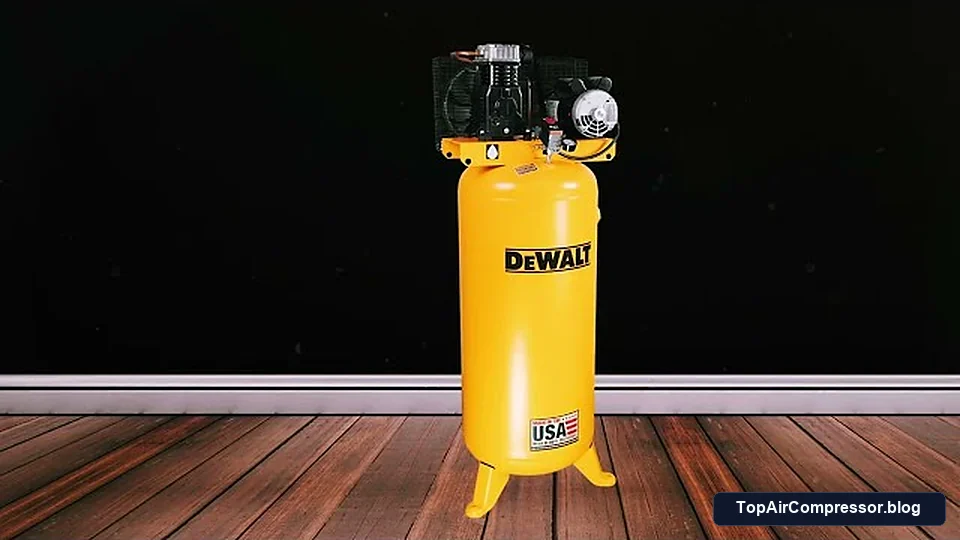
Determining full load amperage requires analyzing specific motor nameplate parameters carefully. Use our cfm and tank sizing calculator alongside standard engineering formulas to evaluate power requirements accurately.
Full load amps represent the maximum current a motor draws under normal working conditions. Exceeding this threshold trips thermal overload protectors and degrades internal copper winding insulation.
Service factor ratings indicate how much overload capacity the motor can handle temporarily. A service factor of one point two five allows safe operation beyond standard ratings.
Ambient temperature also influences your calculated full load amperage limits. Hot workshops reduce motor efficiency, forcing the system to draw slightly higher operating current.
- Multiply horsepower by seven hundred forty-six to find wattage.
- Divide total wattage by supplied voltage and motor efficiency.
- Factor in power factor coefficients for single-phase systems.
- Review nameplate service factor before running continuous cycles.
Using Clamp Meters for Accurate Field Measurements
Theoretical calculations provide baseline estimates for workshop planning and installation. However, actual clamp meter readings confirm real-world current draw under actual working pressure conditions.
Measure amperage on each hot wire during a full pump-up cycle. Unbalanced readings indicate potential winding faults or incoming voltage supply issues requiring immediate attention.
- Ensure digital multimeters are rated for AC current testing.
- Isolate single conductors before attaching the clamp sensor.
Dedicated Circuit Wiring and Breaker Sizing Requirements
Large air compressors demand dedicated branch circuits to prevent nuisance breaker trips. Review our best 6 gallon air compressor review to see how smaller units manage electrical loads without causing severe voltage sags.
Circuit breakers protect building wiring rather than protecting the compressor motor itself. Magnetic overload relays mounted on the compressor safeguard the internal motor windings directly.
Installing a thirty amp breaker is standard practice for most single-phase units. Heavy industrial models may require forty or fifty amp dedicated breaker configurations.
Conductor sizing must correspond perfectly with your chosen circuit breaker rating. Undersized wiring acts like a heating element, creating severe fire hazards inside your walls.
- Always install dedicated circuits for sixty-gallon air compressors.
- Use copper conductors rather than aluminum for compressor drops.
- Mount disconnect switches within sight of the compressor unit.
- Comply with local electrical codes regarding conduit installation.
Selecting Correct Wire Gauge for Compressor Drops
Wire gauge selection depends on total circuit amperage and run length. Using ten gauge wire is typical for runs under fifty feet on thirty-amp circuits.
Longer cable runs demand thicker wire to compensate for natural resistance. Upgrading to eight gauge prevents excessive voltage drop and motor overheating issues.
- Consult American Wire Gauge charts for precise sizing rules.
- Account for total distance from the main breaker panel.
Starting Current Surges Versus Running Load Amps
Electric motors require significantly more electricity to start than to run continuously. This initial surge, known as locked rotor amps, can reach three hundred percent of running values.
Momentary current spikes challenge standard circuit breakers during the compressor startup phase. Time-delay fuses or heavy-duty thermal magnetic breakers accommodate these temporary startup surges safely.
Centrifugal switches disconnect start windings once the motor reaches operating speed. If this switch fails, the motor draws excessive current and trips the breaker instantly.
Frequent motor restarts generate excessive heat within the electrical windings. Allow adequate time between heavy cycles to prevent thermal breakdown of internal insulation.
- Expect momentary current spikes when the pressure switch engages.
- Inspect centrifugal switches if compressors hum without turning.
- Avoid rapid cycling by adjusting pressure differential settings.
- Ensure supply transformers handle initial motor startup demands.
Managing Locked Rotor Amps in Industrial Settings
Locked rotor amps represent the current drawn when power is applied to a stationary shaft. This extreme electrical draw lasts only a fraction of a second during startup.
Magnetic starters utilize overload heaters matched to running load specs. These components protect motors against stalled conditions without tripping during normal startup surges.
- Verify magnetic starter contactors are free from carbon buildup.
- Test overload relay trip thresholds periodically for accuracy.
Voltage Drop Calculations for Long Workshop Runs
Electrical resistance increases over long wire runs, leading to voltage drop. Operating a compressor on low voltage forces the motor to draw higher amperage to compensate.
Excessive voltage drop causes sluggish startup behavior and overheating motor windings. Industry standards recommend keeping total voltage drop below three percent across the circuit.
Calculate voltage drop using wire length, current draw, and conductor resistance. Upgrading wire thickness eliminates resistive losses on extended runs across large workshops.
Checking voltage at the motor terminals under load reveals hidden supply issues. Readings dropping below acceptable thresholds require immediate electrical system remediation and upgrades.
- Measure terminal voltage while the compressor pump is running.
- Calculate resistance losses for all extended workshop wiring.
- Replace degraded connections that contribute to high circuit resistance.
- Keep branch circuit lengths as short as practically possible.
Mitigating Resistive Losses in Extension Lines
Never operate heavy stationary air compressors using standard portable extension cords. Extension cords introduce dangerous resistance that starves the motor of required voltage.
Hardwire all sixty-gallon units directly into approved electrical junction boxes. Permanent conduit installations ensure reliable power delivery and maximum operational safety.
- Prohibit extension cord use for stationary shop equipment.
- Inspect junction box terminals for secure mechanical connections.
Comprehensive Diagnostic Techniques for High Amperage Draws
Abnormally high amperage draws indicate underlying mechanical or electrical system faults. Identifying these issues early prevents catastrophic motor failure and costly workshop downtime.
Begin troubleshooting by checking belt tension and pump lubrication levels. Bound compressor pumps force electric motors to work harder, increasing operating current significantly.
Inspect electrical contactors for pitting, corrosion, or burnt contact points. Damaged contactors create high-resistance connections that starve motors and cause unbalanced phase draws.
Test run capacitors and start capacitors using a specialized multimeter. Failing capacitors reduce motor efficiency and cause prolonged startup cycles that elevate current draw.
- Check compressor pump flywheels for smooth manual rotation.
- Clean dirty electrical contacts with approved contact cleaner.
- Test capacitor microfarad ratings against manufacturer specifications.
- Monitor motor housing temperatures for signs of overheating.
Resolving Thermal Overload Trips in Shop Environments
Thermal overload relays trip automatically when motor temperatures exceed safe limits. Resetting the relay without finding the root cause leads to repeated operational failures.
Evaluate ambient room temperatures and ventilation around the compressor enclosure. Restricted airflow prevents adequate heat dissipation from cooling fins and motor housings.
- Allow motors to cool completely before resetting thermal overloads.
- Ensure compressor installation sites feature adequate room ventilation.
Frequently Asked Questions
How many amps does a typical 60 gallon compressor draw?
Most units draw thirteen to twenty-six amps depending on supply voltage. Always check the motor nameplate specifications.
Can I run a 60 gallon air compressor on a 110V outlet?
Standard sixty-gallon units require two hundred thirty volts for safe operation. Standard household circuits cannot handle this heavy electrical load.
What size breaker is needed for a 5HP air compressor?
A dedicated thirty amp breaker is typically required for single-phase units. Heavy industrial models may demand larger dedicated breakers.
Why does my compressor breaker trip during startup?
Initial motor startup surges exceed normal running current significantly. Installing time-delay breakers or checking capacitor health resolves this issue.
Does wire length affect compressor amperage draw?
Long wire runs cause voltage drop and increase motor amperage. Using thicker copper conductors prevents dangerous resistive power losses.