How Many CFM for Impact Wrench?
Determining the correct airflow requirements prevents frustrating pressure drops during heavy fastener removal. Proper compressor sizing ensures your impact wrench delivers peak torque consistently.

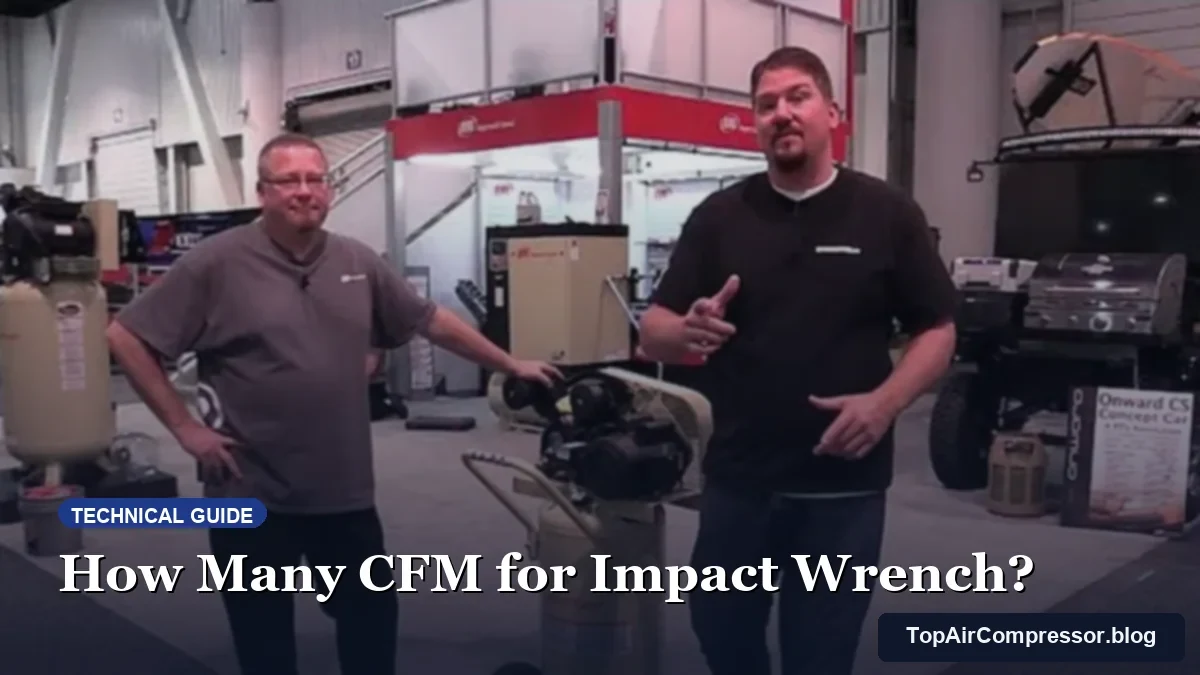
Standard half-inch impact wrenches typically demand four to six CFM at ninety PSI for continuous operation. Always multiply your tool rating by one point five to accommodate duty cycles safely.
Looking for matching picks? See our Best Air Compressor For Impact Wrench: Top Picks.
Practical Quick-Reference Table
| Scenario / Metric | Recommended Target | Why It Matters |
|---|---|---|
| 3/8-Inch Impact Wrench | 3 to 4 CFM at 90 PSI | Ideal for light automotive trim and fastener work. |
| 1/2-Inch Impact Wrench | 4 to 6 CFM at 90 PSI | Standard requirement for general suspension and tire service. |
| 3/4-Inch Impact Wrench | 8 to 10 CFM at 90 PSI | Handles heavy truck maintenance and structural steel bolts. |
| 1-Inch Heavy Impact Wrench | 12 to 20+ CFM at 90 PSI | Required for industrial construction and massive equipment repair. |
| Multi-Tool Shop Setup | Sum of tools x 1.5 safety factor | Prevents catastrophic pressure drops during concurrent usage. |
| Line Pressure Drop Limit | Under 5 PSI loss | Ensures tools receive designated operating pressure at the connection. |
Demystifying Cubic Feet per Minute Mechanics for Pneumatic Impact Tools
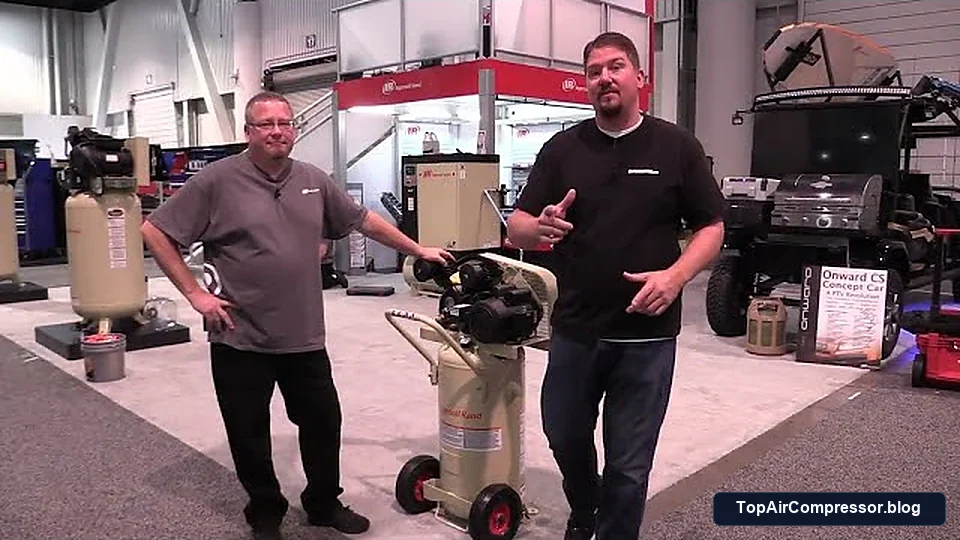
Air compressors generate pneumatic energy by forcing ambient air into a storage receiver tank. Understanding volumetric flow rate is essential before connecting any high-torque impact wrench to your distribution network.
Cubic feet per minute dictates how much volume a compressor can deliver continuously. Reviewing options in our best air impact wrench for small compressor guide helps ensure steady CFM output during automotive tasks.
When you pull the trigger, stored air depletes rapidly from the tank. If your pump cannot replenish this air quickly, working pressure drops and your fastener removal torque diminishes noticeably.
Mechanics often confuse tank capacity with actual pump delivery capabilities. While a large tank stores reserve air, the pump displacement rating determines your true continuous operating duration under load.
Pneumatic impact wrenches require continuous volume delivery to maintain peak torque output during heavy fastening tasks. Understanding volumetric flow prevents premature tool stalling and ensures optimal rotational speed under load.
When compressed air enters the motor housing, expanding gases drive the rotor blades rapidly. This mechanical action demands an uninterrupted supply measured strictly in cubic feet per minute at specific operating pressures.
Unlike continuous-use sanders, impact wrenches operate on an intermittent duty cycle. However, prolonged lug nut removal triggers high momentary air consumption that quickly depletes small receiver tank reserves.
Mechanics must evaluate both the average consumption rate and the peak demand figures. Ignoring these dynamic pneumatic realities inevitably leads to frustrating pressure drops and severely compromised fastening performance.
- Measure volumetric output at ninety pounds per square inch.
- Prioritize continuous CFM over raw electric motor horsepower.
- Account for pneumatic line friction losses across long runs.
- Size storage tanks appropriately for peak surge demands.
The Role of Working Pressure in Pneumatic Delivery
Impact wrenches operate efficiently within a narrow pressure window usually centered around ninety PSI. Exceeding this threshold accelerates internal wear without providing meaningful performance gains.
Dropping below recommended operational pressure starves the pneumatic motor of necessary force. Maintaining strict pressure regulation preserves tool longevity and prevents erratic torque delivery on stubborn lug nuts.
- Install dedicated regulators near drop points.
- Monitor line pressure under heavy operational loads.
Analyzing Air Tool Flow Charts and Pressure Ratings Accurately
Manufacturers calculate air tool consumption using standardized laboratory testing procedures. Reading an official specification chart requires careful attention to duty cycles and stated pressure thresholds.
Many budget tools list average CFM instead of continuous consumption metrics. Relying on average flow numbers can lead to severe compressor under-sizing during extended suspension overhaul projects.
Continuous consumption reflects the air volume required when the trigger remains depressed indefinitely. Heavy commercial applications demand strict adherence to continuous flow ratings rather than misleading averages.
Pressure drop across quick-disconnect fittings directly impacts tool efficiency. Upgrading your setup using selections from our best air hose for impact wrench guide preserves your available CFM delivery right at the inlet.
Manufacturer specifications frequently list air consumption using standardized ratings that can mislead inexperienced technicians. Always verify whether the stated CFM requirement reflects continuous operation or a percentage duty cycle.
Operating pressure ratings are typically established at 90 PSI directly at the tool inlet while running. Failing to maintain this baseline pressure drastically reduces the maximum breakaway torque of your wrench.
Flow charts provided in user manuals often use a twenty-five percent duty cycle baseline for heavy industrial models. Calculating true demands requires scaling these baseline numbers against your actual shop utilization rates.
Never rely solely on the minimum rating stamped on the tool casing for heavy truck maintenance. Professional applications demand sizing your compressor setup to handle maximum surge loads without significant pressure loss.
- Verify if ratings use continuous or intermittent cycles.
- Check manufacturer pressure baselines before purchasing.
- Inspect fittings for internal restriction diameters.
- Match hose inner diameters to tool inlet requirements.
Decoding Intermittent Duty Cycle Calculations
Impact wrenches are inherently intermittent tools used in short bursts. Understanding your actual duty cycle helps prevent buying an excessively massive industrial compressor for home garage use.
Applying a standard safety factor accounts for unexpected trigger holding times. A conservative multiplier of two guarantees reliable performance during demanding rusted bolt removal sessions.
- Calculate actual trigger-down time per working hour.
- Factor in recovery time between heavy fastener bursts.
Video Walkthrough: Search filters
Comprehensive CFM Consumption Profiles Across Impact Wrench Categories
Compact three-eighths inch impact wrenches typically consume minimal air volume. Use our cfm tool sizing calculator to determine exact requirements before connecting smaller tools for everyday engine bay tasks.
Standard half-inch drive models represent the most common shop configuration. Technicians need between four and six CFM to operate these versatile fastening tools without experiencing compressor stall.
Three-quarter inch models step up into heavy commercial vehicle maintenance. Such powerful tools demand roughly eight to ten CFM to sustain high impact frequencies on large lug nuts.
Industrial one-inch drives require massive airflow volume to function correctly. Expect to supply twelve to twenty CFM continuously to prevent severe performance degradation during heavy steel erection.
Compact quarter-inch and three-eighths impact wrenches generally consume between three and five CFM at ninety PSI. These lightweight tools are ideal for tight automotive interior trim and light assembly work.
Standard half-inch pneumatic impact wrenches demand approximately four to seven CFM during active fastener removal. They serve as the primary workhorse in most professional automotive repair and tire service bays.
Heavy-duty three-quarter-inch impact wrenches require ten to fourteen CFM to sustain high torque outputs. Servicing commercial trucks and heavy equipment safely necessitates robust compressors delivering adequate volumetric output.
Industrial one-inch drive impact tools consume upwards of twenty CFM under heavy load conditions. Operating these massive air tools demands dedicated station piping and large multi-stage compressors to prevent starvation.
- Match compressor output directly to your heaviest tool.
- Avoid running heavy wrenches on undersized portable units.
- Upgrade supply lines when moving to larger drive sizes.
- Verify tank recovery rates for continuous heavy impacts.
Evaluating Specialty and Right-Angle Impact Requirements
Right-angle impact wrenches feature compact gear heads for tight clearance spaces. These specialized mechanisms often have higher air consumption relative to their overall physical output size.
Always consult the manufacturer manual for specialty tool pneumatic demands. Proper air preparation units keep moisture away from these complex internal mechanical components.
- Check clearance tool specifications prior to purchase.
- Install lubricators for right-angle motor protection.
Calculating Aggregate System Demand for Multi-Tool Shop Environments
Busy professional shops rarely operate only a single pneumatic tool simultaneously. Calculating total system demand requires summing the maximum requirements of every active workstation.
Simultaneity factors prevent over-specifying compressors for large commercial facilities. Not every technician pulls their trigger at the exact same instant, allowing a calculated diversity factor in sizing.
Main distribution piping diameter dictates how efficiently air travels to drops. Undersized distribution headers create internal flow restriction that mimics an undersized compressor pump.
Adding an auxiliary storage tank can buffer sudden multi-user surges effectively. Strategic receiver tank placement stabilizes system pressure across expansive automotive repair facilities.
Multi-tech automotive shops must calculate aggregate CFM demand by summing individual tool requirements. However, multiplying every tool rating together creates an oversized system due to the diversity factor in use.
Apply a realistic simultaneity factor based on how many technicians operate impact wrenches simultaneously. Typically, forty to sixty percent of total connected tools run concurrently during peak shop hours.
Always add a safety margin of at least twenty-five percent to your final aggregate CFM calculation. This buffer accommodates future equipment expansions and prevents motor strain during unexpected heavy workloads.
Tank capacity must also scale proportionally with aggregate tool demand to stabilize line pressure. A larger storage receiver dampens pressure fluctuations when multiple mechanics trigger heavy-duty impact wrenches at once.
- List every pneumatic tool in your active inventory.
- Apply a realistic simultaneity percentage for active staff.
- Ensure main headers exceed minimum branch line sizes.
- Drain receiver tanks daily to prevent moisture accumulation.
Designing Efficient Distribution Piping Networks
Copper and aluminum piping prevent internal rust contamination in your lines. Smooth interior walls minimize friction coefficient losses across extended shop layouts.
Install sloped pipe runs equipped with automated condensate drains. Proper moisture management infrastructure protects downstream impact wrenches from premature internal corrosion.
- Pitch horizontal lines downward toward drop points.
- Use full-port ball valves for isolation maintenance.
Deconstructing SCFM Versus ACFM Metrics Under Actual Working Loads
Standard cubic feet per minute measures air under controlled laboratory conditions. This baseline metric provides a universal comparison standard across different compressor manufacturing brands and models.
Actual cubic feet per minute accounts for real-world environmental operating factors. Temperature, humidity, and elevation alter air density performance significantly during outdoor job site applications.
Compressor displacement figures often exaggerate true delivery capabilities. Always verify the actual delivered volume at your working pressure rather than relying solely on displacement numbers.
High ambient temperatures reduce compressor volumetric efficiency noticeably. Proper mechanical ventilation around your compressor room helps maintain optimal operating air density levels.
Standard CFM measures air volume under controlled baseline conditions of temperature, pressure, and relative humidity. This metric allows direct comparison between different compressor models regardless of ambient weather variations.
Actual CFM represents the true volume of compressed air delivered at the discharge port. Because compression generates heat, ACFM accounts for environmental conditions and volumetric efficiency losses within the pump displacement.
Ignoring the difference between these two measurements often results in purchasing an underpowered air compressor. Impact wrenches require sufficient ACFM delivery to maintain proper pneumatic pressure during prolonged fastener extraction.
Always review the compressor manufacturer performance data curves rather than relying solely on displacement numbers. True delivery rates dictate whether your impact wrench will maintain sustained torque delivery.
- Convert standard ratings using local elevation corrections.
- Focus on delivered output rather than displacement math.
- Maintain clean inlet filters for maximum air intake.
- Position compressors in cool, well-ventilated locations.
Environmental Impacts on Pneumatic System Efficiency
Humidity introduces liquid water directly into your compressed air stream. Effective aftercoolers and dryers remove moisture before it reaches expensive impact wrench motors.
Cold winter temperatures thicken compressor lubricating oil drastically. Using the correct oil viscosity ensures reliable cold-weather startup and prevents premature pump damage.
- Install water separators near the compressor tank.
- Monitor oil sight glasses during seasonal changes.
Identifying Root Causes of Pneumatic Pressure Drops and Flow Deficits
Sudden pressure drops at the tool often originate in undersized hoses. Restrictive quarter-inch whip hoses severely limit CFM delivery to hungry half-inch impact wrenches.
Quick-disconnect couplers act as notorious bottlenecks in compressed air lines. Upgrading to high-flow coupler styles instantly improves tool performance without modifying your compressor.
Internal valve wear within the compressor can reduce output efficiency over time. Routine reed valve inspection prevents hidden flow deficits from crippling your shop productivity.
Clogged intake filters starve the compressor pump of essential air volume. Replacing paper filter elements maintains peak volumetric efficiency throughout the life of the machine.
Excessive pressure drops frequently stem from undersized distribution piping installed throughout the service bay. Restrictive quarter-inch air lines choke vital airflow, starving your impact wrench of necessary volumetric supply.
Quick-disconnect fittings with small internal orifices create significant flow bottlenecks in the delivery line. Upgrading to high-flow industrial fittings instantly restores adequate cfm throughput to heavy-duty impact tools.
Accumulated moisture inside steel distribution lines leads to internal corrosion and increased friction losses. Installing refrigerated air dryers and automatic drain valves protects system flow efficiency over time.
Regulator malfunctions and clogged particulate filters also restrict proper air volume delivery to tool inlets. Routine maintenance checks on all upstream components prevent unexpected performance drops during critical repairs.
- Upgrade supply hoses to three-eighths inch minimums.
- Inspect quick-connect fittings for internal wear.
- Clean or replace air intake filters every month.
- Check belt tension on reciprocating compressor pumps.
Troubleshooting Hose Length and Fitting Restrictions
Long hose runs create cumulative pressure losses due to wall friction. Minimizing total hose length preserves necessary operating pressure at the tool handle.
Avoid daisy-chaining multiple short hoses together with standard fittings. A single continuous properly sized hose delivers superior airflow to high-draw impact wrenches.
- Keep service hoses under fifty feet when possible.
- Eliminate unnecessary adapters and reducers.
Diagnostic Indicators Signaling an Undersized Air Compressor Installation
Frequent compressor cycling during routine fastening indicates inadequate tank storage. An undersized system struggles to maintain stable working pressure during heavy truck tire rotations.
Tools that slow down noticeably after five seconds signal severe starvation. This classic flow deficit symptom proves your pump cannot keep pace with continuous air consumption.
Thermal overload trips frequently on compressors pushed beyond their limits. Operating an undersized electric motor continuously leads to premature burnout and costly replacement downtime.
Moisture accumulation in lines often spikes when compressors run hot. Overworked pumps fail to cool air adequately, increasing condensation downstream in your sensitive pneumatic tools.
A clear sign of an undersized compressor is pressure dropping below eighty PSI. When your tool loses power, choosing a proper unit from our best air compressor for impact wrench roundup solves air delivery issues.
Compressors that run continuously without cycling off indicate a severe deficit in displacement capacity. This constant operation accelerates pump wear and drastically increases electrical energy consumption across your facility.
Thermal overload switches tripping frequently point directly to an overworked motor struggling against demand. Sizing up your compressor pump resolves these safety shutdowns and ensures reliable shop productivity.
Experiencing sluggish tool response even with a fully pressurized tank highlights poor recovery rates. Upgrading your compressor infrastructure eliminates workflow bottlenecks and guarantees sustained pneumatic performance every day.
- Monitor tank gauge recovery times during heavy use.
- Check motor housing temperatures for excessive heat.
- Listen for continuous pump operation under light loads.
- Inspect air lines for excessive liquid water buildup.
Corrective Steps for Upgrading Marginal Pneumatic Systems
Adding a secondary storage tank can resolve minor CFM deficits cheaply. This extra volume provides a larger air buffer for heavy impact wrench bursts.
Replacing a marginal pump requires matching motor electrical service limits. Consult a certified professional electrician before upgrading shop compressor electrical infrastructure.
- Calculate exact storage volume deficits before buying tanks.
- Verify breaker panel capacity for larger compressor motors.
Frequently Asked Questions
How many CFM do I need for a standard 1/2-inch impact wrench?
Most standard half-inch impact wrenches require four to six CFM at ninety PSI for efficient operation. Always verify your specific manufacturer rating before sizing your shop compressor.
Can I run an impact wrench on a small pancake compressor?
Small pancake compressors generally deliver only two CFM, causing your impact wrench to stall rapidly under load. They are strictly suitable for very brief fastener removal tasks.
Why does my impact wrench lose power after a few seconds?
Your compressor cannot replenish air fast enough to match consumption, resulting in a severe pressure drop. Upgrading your tank capacity or CFM output resolves this issue.
Does hose size affect the CFM delivered to my impact tool?
Using narrow quarter-inch hoses restricts airflow significantly and starves your impact wrench. Always use three-eighths inch or larger hoses to maintain adequate CFM delivery.
What is the difference between SCFM and ACFM for air tools?
SCFM measures airflow under ideal laboratory conditions, whereas ACFM accounts for real environmental factors. Understanding actual delivered volume prevents unexpected performance issues on the job.