How Many CFM for Sandblaster?
Determine the precise airflow needed to run abrasive blasters efficiently. Proper sizing prevents pressure drops and secures professional media delivery.

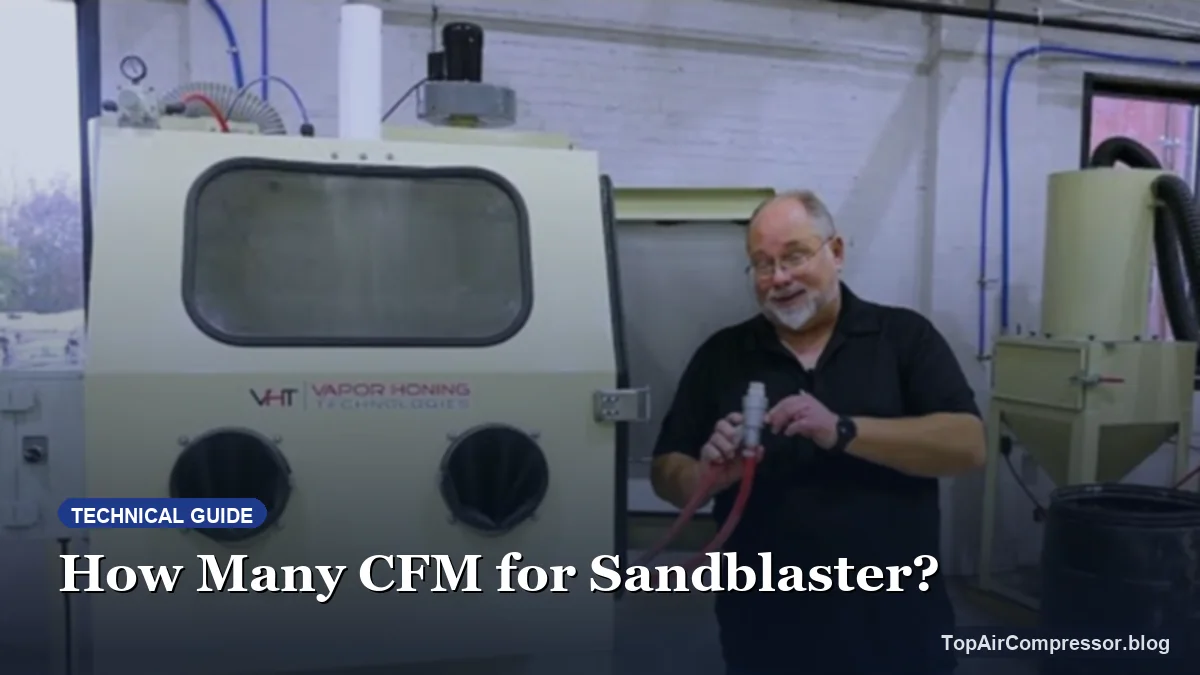
Most standard siphon blasters require 10 to 15 CFM at 80 PSI, while heavy industrial pressure pots demand 30 to 50 CFM for continuous productivity.
Looking for matching picks? See our Best 5 Cfm Air Compressor: Top Workshop Picks.
Practical Quick-Reference Table
| Scenario / Metric | Recommended Target | Why It Matters |
|---|---|---|
| Siphon Blaster (1/8" nozzle) | 10-15 CFM at 80 PSI | Sufficient for light hobby restoration and small parts cleaning. |
| Pressure Pot (3/16" nozzle) | 20-30 CFM at 90 PSI | Delivers higher abrasive velocity for faster automotive stripping. |
| Industrial Pot (1/4" nozzle) | 50-60 CFM at 90 PSI | Required for continuous heavy-duty rust and paint removal. |
| Tank Receiver Capacity | 60 to 80 Gallons Minimum | Buffers air temperature drops and prevents rapid motor cycling. |
| Delivery Hose Diameter | 3/4 Inch Minimum ID | Reduces internal friction losses across long distribution runs. |
| Moisture Control | Desiccant Air Dryer System | Prevents media clumping and pneumatic valve corrosion issues. |
Understanding Abrasive Blasting Airflow Dynamics
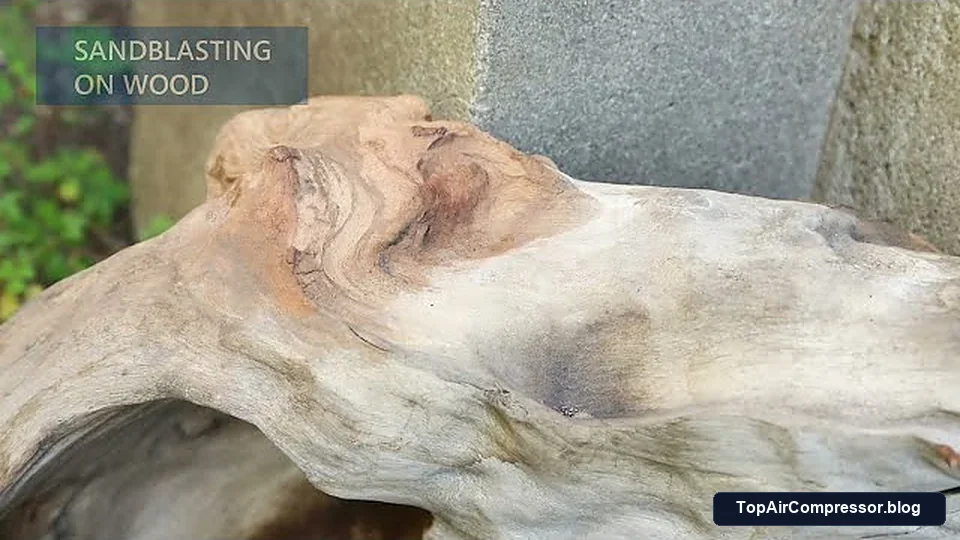
Sandblasting requires a continuous volume of compressed air to propel abrasive media effectively. Operating below recommended cubic feet per minute causes erratic media flow and frustrating job delays.
The interaction between compressor output and nozzle diameter dictates overall system performance. Consulting our best cfm for spray painting reviews ensures your pump delivers sufficient continuous volume without pressure drops.
Siphon-fed abrasive blasters draw media via a vacuum created inside the gun assembly. This specific design demands moderate airflow compared to pressurized heavy-duty industrial blasting systems.
Pressure blast systems force air directly into the abrasive vessel to accelerate media at higher velocities. Consequently, these setups require significantly larger compressor displacement to maintain consistent productivity.
Abrasive blasting requires sustained volume measured in cubic feet per minute rather than just peak pressure. Standard shop compressors frequently drop below required delivery rates during extended blasting cycles, causing severe pressure loss.
Volumetric efficiency dictates that compressors deliver roughly 3 to 4 CFM per horsepower at 90 PSI. Failing to account for altitude and temperature will reduce actual pneumatic output, starving your sandblasting nozzle of energy.
Pressure drop across long hose runs can ruin cleaning performance instantly. Utilizing a three-quarter inch main distribution line minimizes friction losses, ensuring your blast pot maintains the correct operating pressure at the nozzle tip.
Ambient humidity heavily impacts pneumatic systems by introducing moisture into the abrasive stream. Implementing an aftercooler drops air temperatures before storage, protecting delicate media valves and preventing clumping inside the pickup tube.
- Abrasive blasting is a high-demand continuous pneumatic application.
- Air volume determines media acceleration and overall cleaning speed.
- Siphon systems rely on venturi suction to feed abrasive material.
- Pressure vessels utilize direct air injection for maximum particle velocity.
Pressure Versus Volume Fundamentals
Many operators confuse static pressure with actual operational volume delivered through the hose. You must match both metrics to avoid unexpected performance losses during long projects.
Always evaluate compressor ratings at specific operating pressures like ninety pounds per square inch. Standard cubic feet per minute values drop as required working pressure increases.
- Static pressure differs significantly from dynamic working pressure.
- Always verify CFM ratings at targeted working pressure levels.
Nozzle Orifice Sizes and Associated CFM Demands
The physical diameter of your blasting nozzle is the primary factor determining air consumption. Reviewing options in our best cfm for air tools guide helps you select equipment with adequate CFM capacity.
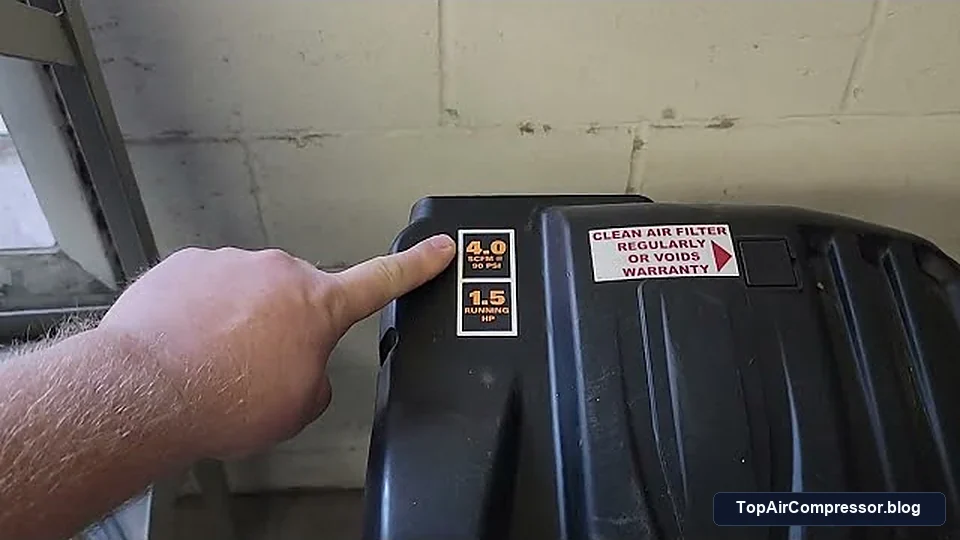
A standard one-eighth inch nozzle typically consumes roughly twenty cubic feet per minute at standard operational pressure. Upgrading to a quarter-inch nozzle more than triples your air demand.
Matching compressor output to nozzle size prevents the motor from running continuously without adequate recovery. Exceeding your compressor limit overheats the pump and degrades internal components.
Always factor in a safety margin of at least twenty percent above theoretical calculations. This accounts for normal system friction losses and gradual nozzle wear over time.
Nozzle orifice diameter directly dictates your total air consumption requirements. A standard number two nozzle with a one-eighth inch opening typically demands roughly 21 CFM at an operating pressure of 80 PSI.
Scaling up to a number four nozzle increases your volumetric requirements to approximately 85 CFM. Failing to match your compressor capacity to this larger orifice creates severe pressure starvation and incomplete surface preparation.
High-production industrial jobs often utilize a number eight nozzle requiring 350 CFM. Feeding such massive air volume demands heavy-duty rotary screw compressors capable of running at 100 percent continuous duty cycles safely.
Wear patterns inside tungsten carbide inserts enlarge the orifice over time. Monitoring actual consumption with an inline flow meter prevents unexpected compressor overload as your legacy blasting tips degrade during long jobs.
- Nozzle orifice diameter dictates total air consumption requirements.
- Larger orifices demand significantly higher compressor displacement rates.
- Worn nozzles increase airflow needs beyond original equipment specifications.
- Always include a safety margin to prevent pump overheating.
Video Walkthrough: What Size Air Compressor Do You Need To Sandblast?
Evaluating Compressor Types for Continuous Duty
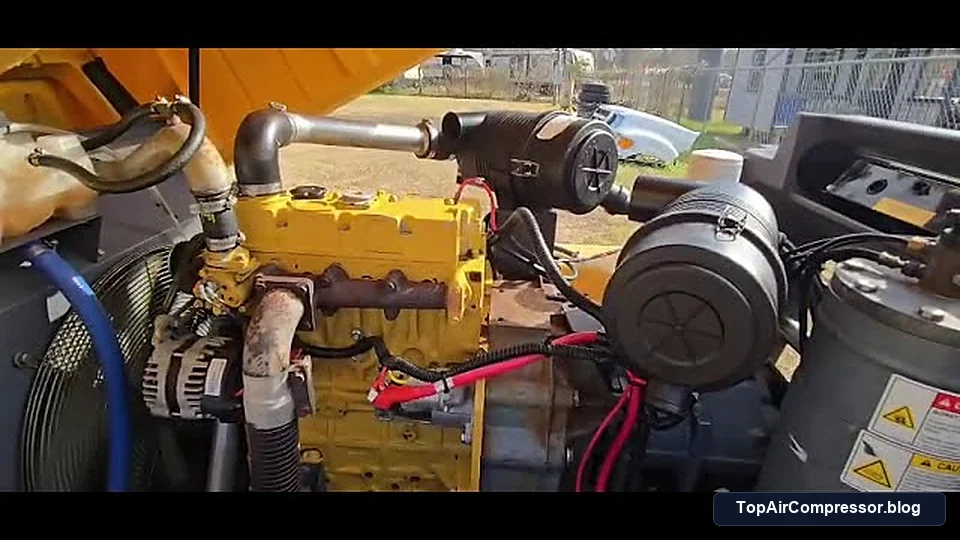
Standard single-stage workshop compressors struggle with continuous duty cycles demanded by abrasive blasting. Pairing them with the best sandblaster for small compressor options ensures adequate tank storage capacity.
Rotary screw compressors provide an uninterrupted stream of high-volume air for large industrial projects. Reciprocating piston models work well for intermittent blasting but require proper thermal management.
Tank size acts as a vital buffer to cool hot compressed air before it reaches the abrasive gun. A larger vertical receiver prevents rapid motor cycling during prolonged cleaning tasks.
Insufficient tank capacity forces the pump to run constantly, leading to accelerated wear and severe moisture accumulation. Invest in adequate reservoir volume to protect your pneumatic investment.
Single-stage reciprocating compressors lack the thermal management required for prolonged abrasive blasting applications. Operating these units beyond a fifty percent duty cycle rapidly overheates reed valves and degrades synthetic pump oil.
Two-stage piston pumps compress air twice, yielding cooler operating temperatures and higher pressures. Pairing a 15 horsepower two-stage unit with an 80-gallon tank provides reliable intermittent operation for medium-sized blasting cabinets.
Rotary screw compressors represent the gold standard for continuous industrial sandblasting operations. These machines deliver pulsation-free air at 100 percent duty cycles, preventing pressure surges that disrupt steady abrasive media flow rates.
Engine-driven portable compressors are essential for mobile field blasting projects without electricity. Selecting a diesel model with adequate air delivery ratings ensures your remote job site remains productive without auxiliary power generators.
- Single-stage pumps struggle with continuous abrasive blasting duty cycles.
- Two-stage reciprocating models offer superior pressure and heat dissipation.
- Rotary screw units provide reliable air for heavy industrial workloads.
- Large tanks prevent excessive motor wear and cool incoming air.
Step-by-Step Installation and Pressure Calibration
Proper plumbing configuration ensures maximum air delivery from the compressor tank to your blast cabinet. Using our cfm & tank sizing calculator helps you install properly sized distribution piping.
Avoid restrictive quick-disconnect fittings on high-flow abrasive lines because they limit effective airflow. Instead, use full-port industrial ball valves and threaded connections for optimal pneumatic transfer.
Calibrate your pressure regulator while the blast trigger is fully engaged to read accurate operating conditions. Static gauge readings drop significantly once media begins flowing through the nozzle.
Double-check all hose clamps and fitting connections before pressurizing the abrasive delivery system. Secure assembly prevents dangerous hose whips and maintains steady pressure across the entire line.
Begin installation by mounting your compressor on a solid, level concrete pad. Use heavy-duty vibration isolator pads to absorb mechanical shock and prevent premature structural stress on copper or iron discharge lines.
Install a full-port ball valve and a flexible high-temperature connector between the tank and plumbing. This setup isolates the compressor for maintenance while absorbing thermal expansion during heavy continuous blasting sessions.
Calibrate your pneumatic regulator while the blasting deadman valve is fully open. Adjusting line pressure under a no-flow condition gives false readings, leading to insufficient nozzle pressure once media begins flowing.
Verify system performance using a needle pressure gauge inserted directly behind the nozzle holder. Maintaining 90 PSI dynamic pressure at the tip ensures optimal abrasive velocity and maximum surface cleaning efficiency.
- Use rigid copper or steel piping for permanent workshop air lines.
- Avoid small quick-disconnect fittings that restrict high-volume airflow.
- Always calibrate regulators under active flow rather than static conditions.
- Inspect all hose couplings securely before pressurizing equipment.
Preventing Moisture Contamination and Line Restrictions
Compressed air naturally generates heavy condensation that ruins abrasive media and plugs metering valves instantly. Installing a commercial-grade desiccant air dryer is essential for trouble-free operation.
Position moisture separators several feet away from the compressor tank to allow air cooling. Cooler air drops moisture more efficiently before entering secondary filtration devices and blast lines.
Inspect air hoses regularly for internal kinks, partial collapses, or abrasive wear spots. Restricted lines choke vital airflow, mimicking the symptoms of an undersized or failing air compressor.
Clean inline particulate filters frequently to prevent pressure drops caused by trapped compressor oil and dust. Maintaining clean filtration preserves consistent velocity at the blasting nozzle.
Compressed air naturally contains high moisture levels that ruin abrasive media instantly. Installing a refrigerated air dryer drops dew points to 38 degrees Fahrenheit, completely eliminating damp clogs inside blast pots.
Position particulate filters directly upstream of your blast pot pneumatic controls. A high-efficiency coalescing filter element traps microscopic oil aerosols, protecting delicate pop-up valves from sticky carbon varnish accumulation.
Inspect all quick-disconnect fittings for restrictive internal diameters. Upgrading standard industrial couplers to high-flow styles prevents unnecessary pressure drops that starve your blasting equipment of critical volume.
Drain receiver tanks manually or install automated electronic timer valves daily. Eliminating accumulated condensate protects internal tank walls from rust and prevents corrosive water slugs from entering your blasting hoses.
- Condensation ruins abrasive media and causes severe clogging.
- Desiccant dryers eliminate residual humidity in high-demand lines.
- Allow air to cool before reaching primary filtration units.
- Inspect supply hoses routinely for internal restrictions and wear.
Safety Protocols and Routine Pneumatic Maintenance
Abrasive blasting creates hazardous airborne dust particles requiring proper personal protective equipment at all times. Always wear a NIOSH-approved supplied air respirator inside enclosed blasting environments.
Drain the receiver tank daily to remove corrosive water accumulation and prevent internal rust formation. Neglecting tank drainage weakens structural integrity and creates catastrophic explosion hazards under high pressure.
Check compressor oil levels before every startup to protect moving pistons and bearings from friction damage. Use synthetic compressor lubricants rated for high-temperature continuous duty cycling.
Inspect safety pressure relief valves monthly to ensure they release excess pressure correctly during emergencies. Proper safety maintenance guarantees long equipment life and protects workshop operators.
Inspect all blast hoses daily for external wear, soft spots, and bulging areas. High-pressure abrasive lines carry extreme energy, making safety cable restraints mandatory at every single coupling and joint connection.
Operators must wear certified supplied-air respirators connected to dedicated breathing air filtration panels. Never route your blasting air supply directly into a helmet without an ambient air purifier removing carbon monoxide.
Check compressor oil levels before every startup and change synthetic lubricants every 1,000 hours. Neglecting scheduled filter replacements restricts intake airflow, leading to thermal overload and catastrophic airend compressor failure.
Test safety pressure relief valves monthly to verify proper mechanical opening thresholds. Ensuring your tank cannot exceed its maximum allowable pressure protects personnel from dangerous catastrophic vessel ruptures on site.
- Always wear certified respiratory protection during blasting operations.
- Drain receiver tanks daily to prevent dangerous internal corrosion.
- Check lubricating oil levels prior to every compressor startup.
- Test safety relief valves monthly for proper mechanical function.
Frequently Asked Questions
Can I use a standard garage pancake compressor for sandblasting small metal parts?
Small portable compressors lack the necessary continuous CFM delivery required to sustain abrasive blasting operations without constant equipment interruption. You will experience severe pressure drops, erratic media flow, and prolonged motor overheating within seconds of pulling the blast trigger.
What happens if my air compressor has lower CFM than my sandblaster nozzle?
Operating with insufficient compressor capacity causes your working pressure to plummet rapidly during active media delivery tasks. This results in weak abrasive impact, clogged pickup tubes, and frustrating productivity halts while waiting for the tank to recover pressure.
Do I need a two-stage compressor for occasional hobby sandblasting projects?
Single-stage units can handle very brief, intermittent hobby tasks if you pair them with a small nozzle size. However, two-stage pumps provide superior thermal management and necessary air volume for consistent, reliable performance during extended surface restoration jobs.
How does hose length and diameter affect my sandblaster air pressure?
Long supply hoses and narrow inner diameters create excessive internal friction that severely reduces effective working pressure at the gun. Using properly sized three-quarter inch lines for primary runs helps maintain correct air volume and abrasive velocity.
Why is moisture control so critical when setting up a sandblasting air system?
Compressed air naturally produces heavy condensation that ruins dry abrasive media and plugs metering valves instantly. Installing a commercial desiccant dryer prevents clumped media and ensures smooth, uninterrupted material flow through your blasting nozzle.