How to Quiet a Loud Air Compressor
Reduce persistent pneumatic noise through targeted mechanical isolation, intake silencing, and structural enclosure design.

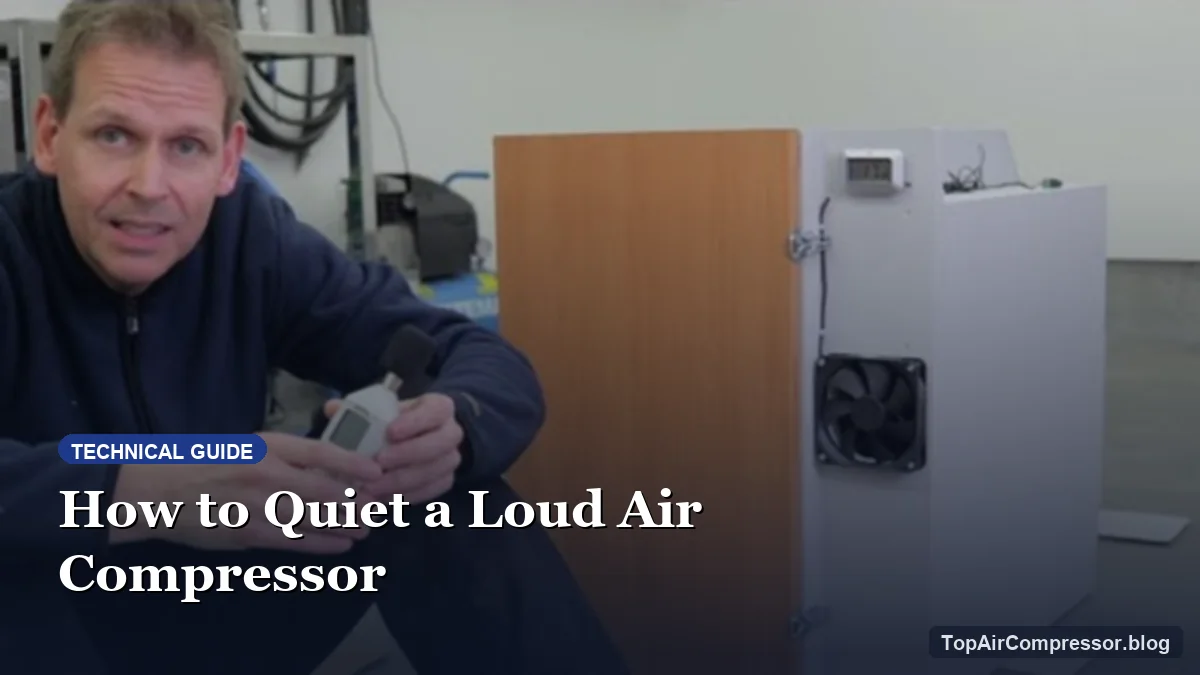
Achieve significant decibel reductions by isolating motor vibration with dense pads and installing high-efficiency intake mufflers.
Looking for matching picks? See our Best Quiet Air Compressor: Top Picks for Workshops.
Practical Quick-Reference Table
| Scenario / Metric | Recommended Target | Why It Matters |
|---|---|---|
| Intake Noise Reduction | Add multi-stage paper filter muffler | Stops high-frequency piston slap at source |
| Vibration Isolation | 70 durometer rubber EVA pads | Prevents concrete floor resonance transmission |
| Enclosure Ventilation | Minimum 200 CFM auxiliary fan | Prevents thermal overload inside sound boxes |
| Hearing Safety Threshold | Under 85 dBA continuous exposure | Protects operators from permanent NIHL damage |
| Discharge Piping | Flexible braided stainless hose | De-couples compressor pulse from rigid lines |
| Maintenance Check | Weekly head bolt torque verification | Eliminates rattles from loose mechanical fasteners |
Pinpointing the Primary Acoustic Drivers in Pneumatic Systems
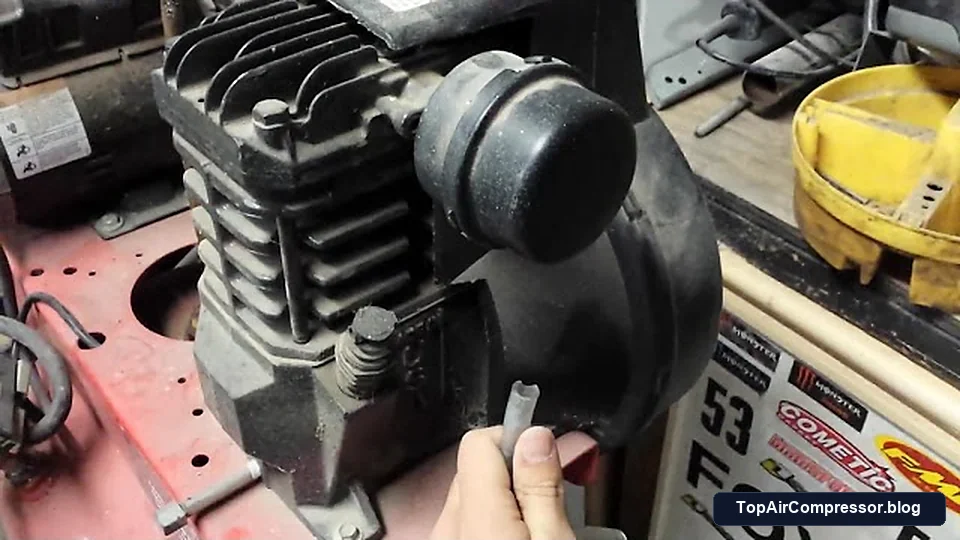
Uncontrolled compressed air systems generate severe noise through three distinct mechanical channels. Understanding intake pulsation, mechanical friction, and discharge vibration is essential for effective mitigation across industrial setups.
Piston compressors produce loud slapping sounds as intake valves snap shut rapidly. Rotary screw units generate high-pitched whining from meshing rotors spinning at thousands of revolutions per minute under heavy loads.
Air velocity within exhaust manifolds contributes significantly to overall ambient noise levels. Unmodified copper or iron pipes frequently act as acoustic horns, amplifying high-pressure turbulence throughout the entire workspace.
Diagnostic evaluation requires mapping sound frequency spectrums using calibrated meters. Separating mechanical motor hum from aerodynamic intake hiss dictates your primary noise reduction engineering strategy.
Piston slap and valve flutter generate intense mechanical frequencies within reciprocating pumps. Identifying these specific noise sources requires a digital sound level meter to isolate mechanical resonance from intake air rush.
Intake air velocity creates high-frequency whistling as air enters the filter housing. Measuring static pressure drops across the intake manifold helps diagnose turbulent airflow restriction causing unnecessary aerodynamic sound generation.
Electric motor cooling fans contribute a continuous whine, especially in high-RPM direct-drive units. Checking the motor cooling fin clearance ensures that vibration-induced harmonics do not amplify housing panel rattles.
Copper or steel discharge lines often ring like tuning forks under high operating pressures. Installing braided stainless steel flexible discharge hoses dampens high-frequency pipe vibrations before they reach the air receiver tank.
- Identify intake valve slap frequencies
- Measure compressor housing vibration levels
- Inspect discharge piping for acoustic resonance
- Map ambient dBA readings across zones
Isolating Aerodynamic Versus Mechanical Sounds
Aerodynamic noise originates from high-speed air rushing through narrow intake ports. Reading our Fortress ultra quiet review highlights how custom air filters suppress high-frequency suction without starving the pump head.
Mechanical noise stems from worn bearings, slapping pistons, and unlubricated connecting rods. Regular component teardowns ensure internal tolerances remain tight to prevent metallic clattering.
- Listen for metallic knocks under load
- Check intake ports for turbulent whistling
Decibel Thresholds and Workplace Hearing Protection Standards
Standard reciprocating compressors routinely operate between 80 dBA and 95 dBA. Sustained exposure above 85 dBA mandates hearing protection according to standard occupational safety regulations.
Every 3 dBA increase above threshold cuts safe exposure time in half. Mitigating compressor noise protects workers and improves overall plant safety metrics significantly.
Long-term exposure to pneumatic whine causes cumulative sensorineural hearing loss. Implementing engineered noise controls is always preferable to relying solely on personal protective equipment.
Acoustic surveys should be conducted at typical operator workstation distances. Establishing baseline decibel metrics ensures your noise reduction modifications yield measurable, compliant results.
Occupational Safety and Health Administration regulations mandate hearing protection for continuous noise exposure exceeding 85 decibels over an eight-hour shift. Standard workshop compressors frequently operate between 78 and 95 dB.
Prolonged exposure to unprotected pneumatic noise causes irreversible sensorineural hearing loss. Implementing a formal hearing conservation program becomes mandatory when workplace noise doses consistently exceed the action level.
When evaluating earmuffs or earplugs, always check the Noise Reduction Rating specified by the manufacturer. Proper fit and maintenance ensure workers receive the full attenuation required in loud shop environments.
Sound pressure levels drop inversely with distance according to the inverse-square law. Doubling the distance from the compressor pump typically yields a 6 decibel reduction in perceived ambient workshop noise levels.
- Comply with OSHA 85 dBA guidelines
- Monitor operator proximity sound levels
- Use weighted dB(A) filters for measurements
- Schedule mandatory audiometric testing intervals
Calculating Safe Operator Exposure Durations
Units running at 90 dBA limit safe unprotected exposure to under two hours daily. Exceeding these limits risks permanent auditory damage for shop personnel.
Adding acoustic baffling brings ambient room levels down to safe 75 dBA thresholds. This allows all-day operation without violating mandatory workplace safety standards.
- Track daily machine run times
- Enforce strict hearing PPE rules
Video Walkthrough: Quieting Your Noisy Workshop Air Compressor | Air Compressor Noise Reduction Hack
Mechanical Isolation and Vibration Damping Techniques
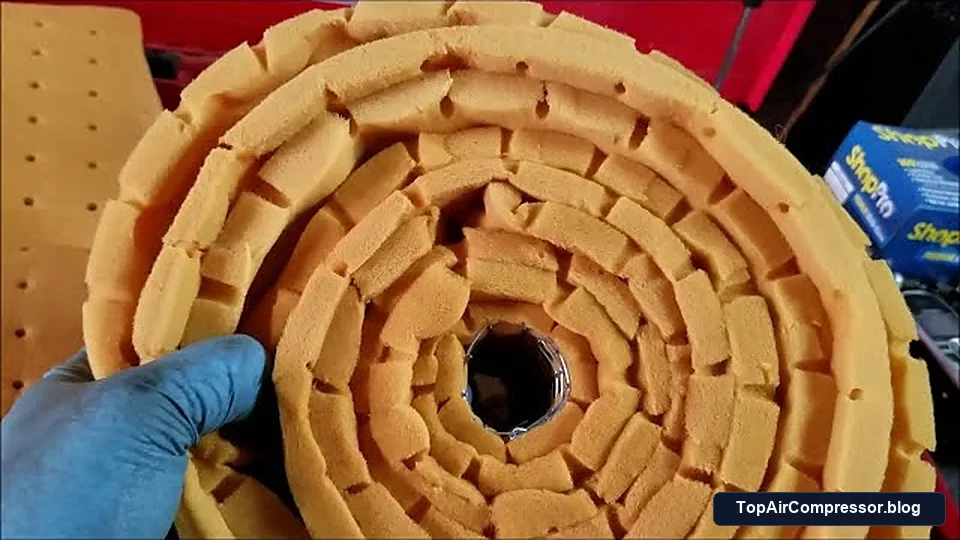
Rigidly bolted compressors transfer low-frequency motor vibrations directly into concrete subfloors. These structural vibrations act as giant subwoofers, amplifying noise throughout the surrounding building structure.
Placing high-density rubber pads under each compressor foot breaks this rigid acoustic bridge. Selecting 70 durometer EVA composite pads absorbs kinetic energy effectively.
Flexible braided discharge hoses prevent pump vibration from traveling down rigid metal pipes. Rigid copper lines transmit hammering forces, creating unnecessary structural rattling across the workshop.
Check compressor mounting bolt torque periodically to prevent loosening. As noted in our Kobalt quiet tech review, loose footings allow excessive rocking, degrading isolation pad performance over extended operational cycles.
Rigidly bolting a compressor directly to concrete floors transmits low-frequency structural vibrations throughout the building. Installing heavy-duty rubber vibration isolators decouples the steel tank feet from the foundation slab effectively.
Elastomeric pads must be selected according to the total operating weight of the unit. Correctly rated durometer hardness ratings prevent bottoming out while absorbing the dynamic forces generated by reciprocating pistons.
Check all mounting hardware periodically to ensure anchor bolts have not loosened from continuous cycling. Using locking flange nuts prevents vibrational drift and maintains consistent clamping force on isolation pads.
Ensure rigid hard piping never connects directly to the vibrating compressor discharge port. A certified high-pressure flexible hose must bridge the gap to isolate systemic pipe rattle and vibration.
- Install 70 durometer anti-vibration feet
- Add flexible stainless discharge jumpers
- Verify anchor bolt rubber bushing integrity
- Isolate hard lines from stud walls
Choosing the Correct Vibration Pad Density
Selecting improper pad thickness renders vibration isolation systems completely ineffective. Compressors require correct load-rated composite pads matched to total wet machinery weight.
Improperly matched pads compress completely, transmitting raw mechanical energy directly through to the foundation. Always calculate exact pump weight before purchasing specialized damping hardware.
- Weigh compressor unit accurately
- Consult manufacturer load rating charts
Upgrading Intake Silencers and Exhaust Mufflers
Factory intake filters typically offer minimal acoustic dampening properties. Upgrading to an aftermarket multi-stage intake silencer dramatically cuts suction noise without restricting vital airflow.
Intake mufflers utilize internal baffling chambers to cancel out high-frequency suction waves. Selecting oversized filter housings lowers air inlet velocity for quieter operation.
Pneumatic exhaust valves also generate sharp bursts during unloader cycles. Fitting sintered bronze or plastic mufflers onto solenoid exhausts diffuses high-pressure air safely.
Inspect filter elements monthly to prevent clogging and pressure drop. Restricted intake airflow forces the motor to work harder, increasing thermal stress and operational noise.
Factory air filters often act as poor acoustic mufflers, allowing intense intake pulses to escape. Upgrading to a multi-stage baffled intake silencer significantly dampens high-frequency whistling without restricting vital airflow.
Ensure the replacement silencer matches exact pump displacement requirements. Using our CFM and tank sizing calculator prevents undersized filter elements from creating a restrictive pressure drop that overheats the compressor head.
Remote mounting the intake filter outside the mechanical room removes primary noise sources. Utilizing smooth schedule 40 PVC or steel piping for the remote run minimizes aerodynamic flow friction.
Exhaust check valves and unloader lines can also generate sharp pneumatic snaps during cycle shifts. Installing small pneumatic exhaust mufflers on solenoid dump ports diffuses escaping air pressure silently.
- Install multi-stage baffled intake filters
- Fit sintered mufflers on exhaust ports
- Verify inlet pipe diameter matches port
- Clean filter elements every fifty hours
Sizing Aftermarket Intake Mufflers Correctly
Muffler internal volume must match compressor pump displacement ratings. Undersized silencers restrict airflow, causing severe volumetric efficiency losses and increased motor strain.
Always verify inlet thread pitch before ordering custom replacement filter assemblies. Proper installation ensures an airtight seal, eliminating whistling air leaks around the manifold.
- Calculate pump CFM requirements
- Confirm NPT thread sizing dimensions
Constructing Acoustic Enclosures and Baffle Boxes
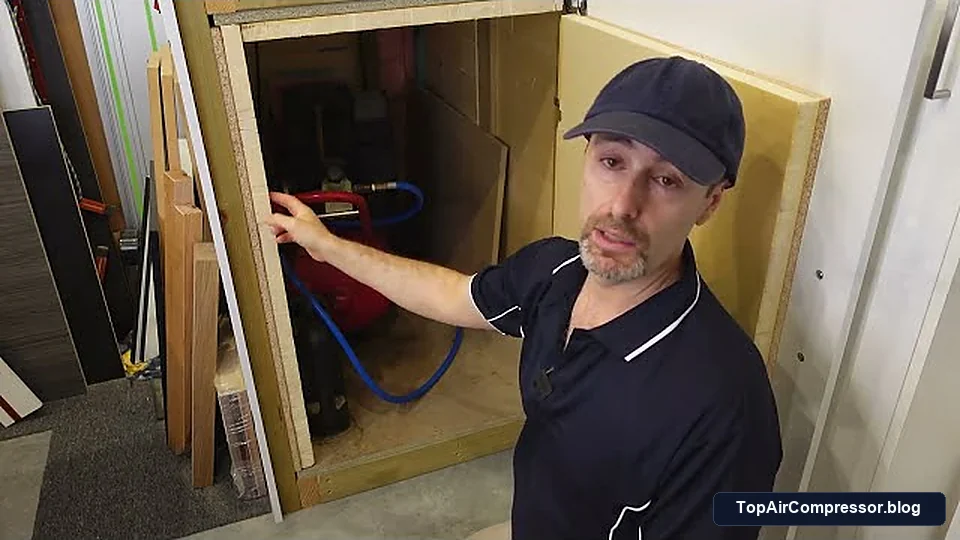
Building a custom sound enclosure provides the ultimate decibel reduction for noisy workshops. Constructing frames from MDF board lined with mass-loaded vinyl barriers absorbs airborne sound waves.
Soundproofing panels trap acoustic energy and convert it into negligible heat. Ensure your enclosure design includes adequate ventilation pathways to prevent compressor overheating.
Install intake and exhaust baffled channels to trap escaping sound energy. Direct airflow paths around insulated corners to prevent direct line-of-sight noise propagation.
Monitor internal cabinet temperatures during extended heavy load testing cycles. Overheating compressor pumps suffer premature valve failure, diminishing long-term equipment reliability across industrial environments.
Building a custom wooden sound enclosure can drop noise levels by up to 10 decibels. Construct walls using dense MDF or exterior plywood lined with mass loaded vinyl for optimal sound deadening.
Thermal management is critical when sealing a machine inside a tight wooden box. Install an exhaust fan providing sufficient cubic feet per minute airflow to prevent catastrophic compressor pump overheating.
Design intake and exhaust ventilation paths as offset labyrinth baffles to block direct sound travel. Lining these internal air channels with open-cell acoustic foam absorbs airborne sound energy effectively.
Support the compressor inside the enclosure on a heavy vibration isolation mat. Never let the compressor frame touch the interior walls, as direct contact transmission completely negates your acoustic insulation.
- Build dual-layer mass-loaded vinyl walls
- Design labyrinth cooling air intake vents
- Install quiet inline ventilation exhaust fans
- Seal all cabinet access door perimeters
Designing Labyrinth Ventilation for Sound Boxes
Acoustic enclosures require forced-air ventilation to maintain safe operating temperatures. Labyrinth duct designs force air around lined corners, blocking direct noise escape paths.
Install dedicated thermal switches to shut down the compressor if internal fans fail. Protecting against thermal runaway is critical for enclosed industrial air compressor systems.
- Calculate required CFM cooling air
- Mount thermal emergency shutoff sensors
Routine Maintenance Protocols for Reduced Operating Noise
Neglected maintenance directly increases compressor noise and vibration levels. Worn bearings, loose belt drives, and dry pumps generate harsh metallic screeches under standard loads.
Lubricate electric motor bearings using specified synthetic greases at recommended intervals. Proper lubrication eliminates squeals and prevents catastrophic internal component failure during cycles.
Inspect V-belt tension weekly to prevent annoying squealing and slippage. Properly aligned pulleys distribute rotational loads evenly, reducing overall mechanical noise output significantly.
Tighten all pump head bolts and mounting hardware during scheduled service. Loose fasteners vibrate audibly, contributing unnecessary rattle to your overall baseline decibel profile.
Worn reed valves and loose cylinder heads produce distinct metallic knocking sounds during operation. Performing a torque check on head bolts prevents gasket failure and eliminates abnormal mechanical chatter.
Low crankcase oil levels increase friction, bearing wear, and overall pump operating noise. Maintain proper fluid viscosity and check levels daily using the sight glass indicator before starting the motor.
Loose belt drives create rhythmic slapping sounds against safety guards or motor housings. Adjust tension to maintain correct belt deflection limits and align pulleys precisely using a laser tool.
Clogged intake filters force the compressor to work harder, increasing motor strain and noise. Replace paper filter elements regularly according to operating hours to ensure optimal airflow dynamics.
- Grease electric motor bearings regularly
- Adjust V-belt tension and alignment
- Torque cylinder head bolts securely
- Drain tank condensation to stop corrosion
Checking Drive Belt Tension and Alignment
Loose drive belts squeal loudly upon startup as pulleys slip. Correct tensioning eliminates this screech while improving overall power transfer efficiency to the pump.
Misaligned pulleys create side loads that wear motor bearings prematurely. Use laser alignment tools to ensure smooth, quiet pulley rotation across every operational cycle.
- Measure belt deflection with gauge
- Use laser pulley alignment tools
Selecting Low-Noise Compressor Technologies for Future Builds
When retrofitting fails to meet decibel goals, investing in modern quiet technology is necessary. Scroll and rotary screw compressors operate at substantially lower noise thresholds than traditional units.
Oil-free scroll pumps utilize orbiting spirals to compress air quietly. Reviewing our best quiet air compressor rankings helps professionals select ideal industrial units for indoor laboratory environments.
Variable speed drive units adjust motor RPM to match exact air demand. Eliminating constant high-speed running reduces average daily noise exposure across the workspace.
Evaluate total cost of ownership alongside initial decibel specifications. Choosing quiet compressor designs enhances employee comfort and productivity throughout long manufacturing shifts.
Scroll and rotary screw compressors offer dramatically lower noise signatures than traditional reciprocating units. Many modern scroll designs operate below 60 decibels, making them ideal for indoor laboratory settings.
Variable speed drive technology matches motor RPM to actual air demand, lowering average noise. A VSD inverter system eliminates constant high-speed running during periods of low shop air consumption.
Oil-free reciprocating pumps often feature dual-piston setups running at slower rotational speeds. Selecting a unit rated for 1725 RPM instead of 3450 RPM halves the mechanical operating noise output.
Evaluate overall lifecycle costs alongside noise ratings when budgeting for your next compressor upgrade. Investing in fully enclosed rotary equipment eliminates the need for expensive custom soundproofing builds later.
- Research oil-free scroll pump designs
- Consider variable speed drive units
- Review manufacturer dBA rating sheets
- Calculate indoor workspace placement needs
Comparing Reciprocating Versus Scroll Sound Levels
Traditional piston compressors generate harsh pulsed noise exceeding ninety decibels. Modern scroll compressors run continuously below sixty-five decibels without acoustic enclosures.
This massive reduction eliminates the need for bulky custom sound boxes entirely. Facilities save valuable floor space while maintaining strict hearing safety compliance standards.
- Compare decibel specification sheets
- Assess footprint size and weight
Frequently Asked Questions
What is the primary cause of loud air compressor noise?
High-speed intake valve snapping and mechanical motor vibration generate most ambient noise. Installing baffled intake filters and rubber isolation pads mitigates these issues.
How many decibels should a quiet air compressor produce?
Quiet industrial compressors typically operate between 60 dBA and 75 dBA. This range prevents hearing damage and complies with standard workplace safety regulations.
Can I build a wooden sound enclosure for my compressor?
Yes, using MDF and mass-loaded vinyl blocks sound effectively. You must install forced-air labyrinth ventilation to prevent dangerous pump overheating.
Do anti-vibration pads actually reduce compressor noise?
Pads eliminate floor resonance and structural rattling caused by rigid mounting bolts. Selecting proper 70 durometer composite mats absorbs kinetic energy efficiently.
Why does my compressor make a loud squealing sound upon startup?
Squealing usually indicates loose or misaligned drive belts slipping on pulleys. Inspecting belt tension and applying proper alignment tools eliminates this noise.