What Can I Use for Compressor Oil?
Choosing the correct fluid prevents catastrophic pump failure. This guide examines approved alternatives and specifications.


Always prioritize non-detergent mineral oils matching your manufacturer viscosity grade. Using incorrect automotive formulations causes carbon buildup and severe valve damage.
Looking for matching picks? See our Best Oil Less Air Compressor: Top Picks & Buying Guide.
Practical Quick-Reference Table
| Scenario / Metric | Recommended Target | Why It Matters |
|---|---|---|
| Reciprocating Piston | SAE 30 Non-Detergent | Prevents carbon buildup |
| Rotary Screw | Synthetic ISO 46/68 | Resists thermal breakdown |
| Cold Ambient Use | Synthetic ISO 32 | Ensures low-temp flow |
| Food Processing | USDA H1 Food Grade | Meets safety standards |
| Emergency Substitute | Non-Detergent SAE 20 | Temporary short-term fix |
| Prohibited Fluid | Standard Detergent Motor Oil | Foams and damages valves |
Understanding Air Compressor Lubrication Fundamentals
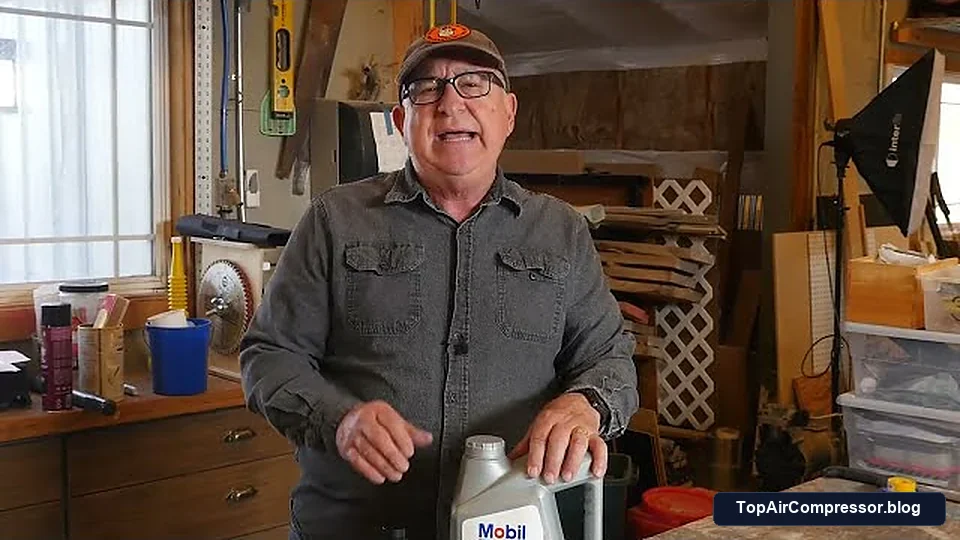
Air compressors require specialized lubricants to reduce friction. Reciprocating pumps generate immense heat, demanding oils that resist breakdown under extreme mechanical stress and pressure loads.
Unlike internal combustion engines, these systems lack fuel wash. They require non-detergent oils so moisture drops out. Selecting the best air compressor for home use requires understanding these fluid needs.
Selecting the right fluid guarantees longevity. Manufacturers design pump tolerances specifically for defined film thicknesses, preventing metal-to-metal contact during startup and continuous running phases.
Operating without proper lubrication ruins reed valves. Thermal management depends entirely on the fluid carrying heat away from compression chambers effectively.
Proper compressor lubrication prevents catastrophic metal-to-metal contact inside reciprocating cylinders. ISO 100 and ISO 46 viscosity grades govern oil film thickness under high operating pressures and continuous friction loads today.
Rotary screw units demand specialized fluids that resist foaming and rapidly release entrained air. Demulsibility rates measured in minutes dictate how efficiently the lubricant separates from moisture inside the primary receiver tank.
Ambient workshop temperatures directly influence fluid selection and startup viscosity thresholds. Operators must verify that cold weather fluid properties allow proper pump crankcase circulation before reaching full working pressure thresholds.
Effective thermal management relies on lubricants absorbing heat from compression cycles. Flash points exceeding 400 degrees Fahrenheit prevent ignition risks when operating the best air compressor for industrial use under heavy capacity loads.
- Maintain proper fluid levels daily
- Never mix different oil brands
- Check for milky discoloration
- Change oil every 500 hours
The Role of Flash Point in Compressor Safety
Compressor oils must possess exceptionally high flash points. High temperatures inside cylinders can ignite low-flash fluids, leading to dangerous crankcase explosions.
Engineers specify minimum flash thresholds exceeding four hundred degrees Fahrenheit for standard industrial reciprocating air compressor units operating under heavy loads.
- Monitor discharge air temperatures
- Inspect valves for carbon deposits
Evaluating Synthetic Versus Conventional Mineral Formulations
Conventional mineral oils derive from refined crude petroleum sources. They offer adequate protection for light-duty applications but degrade rapidly under continuous high-temperature operating cycles.
Synthetic lubricants undergo advanced chemical engineering processes. These engineered fluids maintain viscosity stability across extreme temperature ranges while resisting varnish and carbon formation.
Choosing synthetic options extends oil change intervals significantly. Facilities running equipment multiple shifts per day benefit from reduced downtime and lower long-term maintenance costs.
Cost remains the primary drawback of synthetic oils. However, their superior resistance to thermal breakdown often justifies the higher initial purchasing investment in industrial settings.
Conventional mineral oils derive from refined petroleum and suit light-duty intermittent shop use. Thermal stability limits standard mineral options to lower operating temperatures compared to engineered synthetic counterparts available today.
Synthetic polyalphaolefin and diester formulations deliver exceptional resistance against carbon varnish buildup. Oxidation resistance in synthetics extends oil change intervals significantly past the standard five hundred hour mark.
Mixing mineral and synthetic compressor oils can cause unpredictable chemical reactions and additive drop-out. Technicians must completely flush the crankcase reservoir before transitioning a legacy pump to advanced synthetic lubricants.
Initial cost differences disappear when factoring reduced wear and extended maintenance schedules. Premium synthetic fluids maintain their viscosity index across wider temperature swings than conventional petroleum-based lubricating oils.
- Synthetics reduce carbon varnish
- Conventional oils require frequent changes
- Mineral oils cost less upfront
- Synthetics perform well in cold
Carbon Buildup and Synthetic Advantages
Conventional oils leave carbon residue on valves. Synthetic alternatives eliminate this hazard, keeping reed valves clean and preventing dangerous discharge fires.
Cleaner valves ensure higher volumetric efficiency over time. Maintaining stable pressure helps your unit match outputs calculated by our CFM and tank sizing calculator without unexpected performance drops.
- Prevent valve sticking
- Maintain peak CFM output
Video Walkthrough: Search filters
Analyzing Viscosity Grades and Temperature Requirements
Viscosity measures fluid resistance to flow. Selecting the correct ISO grade ensures adequate oil film strength without imposing excessive drag on the electric motor.
Most reciprocating units require ISO 68 or SAE 30 non-detergent oil. Rotary screw compressors typically utilize lighter ISO 32 or 46 synthetic fluids.
Ambient temperature dictates your viscosity choice heavily. Cold environments demand thinner oils to permit easy motor startup without tripping thermal overload breakers.
Hot workshops require thicker oils to maintain internal pressure seals. Thin fluids in hot weather fail to protect bearings from heavy mechanical loads.
Viscosity ratings measure a fluid internal resistance to flow under specified mechanical conditions. Selecting correct ISO grades ensures adequate hydrodynamic lubrication inside tight clearance reciprocating piston compressor cylinders.
Lighter ISO 32 weights suit cold ambient environments where heavy oils restrict initial motor start. Conversely, hot industrial shops require heavier ISO 68 fluids to prevent film breakdown under stress.
Operating outside recommended temperature bands leads directly to accelerated bearing wear and pump failure. Pour points dictate the absolute lowest temperature at which the oil will pour freely.
Ambient factory climate data must guide every seasonal lubricant grade adjustment decision you make. Monitoring operating temperatures protects critical piston rings and crankshaft journals from premature scuffing damage.
- Match ISO grade to climate
- Avoid heavy oils in winter
- Check motor amperage draws
- Monitor startup current spikes
Cold Weather Viscosity Challenges
Low winter temperatures cause conventional oils to thicken dramatically. Stiffened lubricants prevent the compressor pump from turning freely during initial startup sequences.
Utilizing automotive multi-grade oils as a permanent fix fails. Detergents trap moisture, causing thick sludge that ruins pumps in freezing outdoor job sites.
- Use synthetic ISO 32 outside
- Install crankcase heaters if needed
Safe Emergency Alternatives and Unacceptable Substitutes
Running dry ruins expensive pumps within minutes. If standard compressor oil is unavailable, non-detergent motor oil serves as a temporary emergency substitute.

Never use standard automotive detergent oils under any circumstances. Detergent additives hold moisture in suspension, creating stubborn foam that accelerates bearing wear.
Hydraulic oil featuring anti-wear additives works in a pinch. However, you must flush the entire crankcase thoroughly before resuming standard equipment operations.
Avoid automatic transmission fluids and heavy gear oils completely. Their chemical makeup damages internal rubber seals and gaskets rapidly over short periods.
True emergency situations in remote job sites sometimes force temporary alternative lubricant usage decisions. Non-detergent SAE 30 motor oil serves as a short-term fix in older reciprocating cast iron pumps.
Never use automotive detergent motor oils in modern rotary units. Additive packages foul internal separators quickly. Maintenance demands standard fluids, especially if running the best air compressor for continuous use safely.
Transmission fluids and hydraulic oils lack the specific shear stability required by heavy-duty air compressors. Using unapproved substitutes instantly voids manufacturer equipment warranties and invites catastrophic mechanical failure risks.
Vegetable oils and cooking fats decompose rapidly under high compression heat and form sticky resins. Proper lubricant selection remains your primary defense against costly emergency downtime and compressor replacement costs.
- Never use detergent motor oil
- Flush emergency oils quickly
- Check seal compatibility first
- Avoid automatic transmission fluid
The Dangers of Automotive Detergent Oils
Detergents are specifically engineered for internal combustion engines. They capture soot and suspend moisture, which prevents proper lubrication in air compressors.
Moisture accumulation causes rapid internal oxidation and rust. Free rust particles circulate through the system, scoring cylinder walls and destroying precision components.
- Suspends moisture dangerously
- Causes internal rust formation
Material Compatibility and Thermal Breakdown Factors
Compressor oils interact constantly with internal seals and hoses. Incompatible fluids cause rubber gaskets to swell, crack, and leak oil onto workshop floors.
Thermal breakdown occurs when operating temperatures exceed limits. Broken-down fluid loses lubricating properties, turning into a sticky varnish that seizes moving parts.
Rotary screw units face severe thermal stress. Their continuous duty cycles require specialized lubricants that handle high heat without thinning out excessively.
Always consult your owner manual for specific fluid requirements. Manufacturers test their pumps extensively to determine exact fluid compatibility guidelines for maximum longevity.
Synthetic compressor lubricants can aggressively attack certain paint coatings, seals, and plastic bowl components. Checking seal material compatibility with Viton or Buna-N prevents devastating chemical leaks in service.
Thermal breakdown occurs when continuous high heat degrades molecular bonds within the lubricating fluid base. Carbon residue buildup restricts valve movement and increases internal operating temperatures across all stages.
Moisture contamination reacts with degraded oil to form corrosive organic acids inside the crankcase. Installing desiccant filters and draining condensate daily mitigates internal chemical corrosion on critical steel components.
High compression ratios generate localized hot spots that accelerate the oxidation of substandard oils. Maintaining cooling fins clean ensures proper heat dissipation away from vulnerable oil-wetted compressor housing surfaces.
- Check seal material types
- Monitor oil operating temperatures
- Replace degraded seals promptly
- Use manufacturer-approved fluids
Managing High Heat in Industrial Units
Excessive heat degrades standard lubricants rapidly over time. Cooling fans and clean intercoolers help maintain safe operating temperatures for the crankcase fluid.
Carefully check ambient room ventilation around your compressor installation. Restricted airflow traps heat, cooking the oil and causing premature pump failure.
- Keep cooling fins clean
- Ensure adequate room ventilation
Performing Routine Oil Checks and Fluid Changes
Regular maintenance prevents unexpected equipment breakdowns. Inspect the sight glass daily to ensure oil levels remain safely within the marked red circle.
Change the oil while the pump is warm. Warm fluid flows more freely, carrying suspended contaminants and sludge out of the crankcase drain.
Dispose of used oil responsibly at recycling centers. Never pour compressor lubricants down drains or onto the ground, as they pollute local waterways.
Clean the magnetic drain plug thoroughly during every change. Removing accumulated metal shavings prevents them from re-entering the fresh fluid during startup.
Daily fluid level inspections using the sight glass prevent catastrophic running-dry equipment failures. Maintaining the oil level exactly at the red circle center ensures proper splash lubrication distribution.
Changing compressor oil while the unit remains warm helps suspend accumulated contaminants for removal. Drain plugs should be opened carefully to evacuate spent fluid completely into an approved container.
Standard reciprocating units require oil replacement every three months or five hundred operating hours. Synthetic fills extend intervals up to two thousand hours depending on operating cleanliness and duty cycle demands.
Inspecting drained oil for metallic particles provides early warning of impending mechanical bearing damage. Documenting service records helps maintenance teams track equipment health and plan preventative overhauls proactively.
- Check sight glass daily
- Change fluid while warm
- Clean magnetic drain plugs
- Recycle used oil properly
Step-by-Step Compressor Oil Replacement
Shut off electrical power and relieve all tank pressure completely. Place a catch pan beneath the drain plug and remove it slowly.
Allow old fluid to drain completely out of the system. Reinstall the plug securely, then fill the crankcase with fresh non-detergent oil to specifications.
- Relieve tank pressure first
- Fill to center of sight glass
Specialized Lubricants for Extreme Operational Environments
Food processing facilities demand specialized compressor lubricants. Food-grade oils must meet strict regulatory standards to ensure consumer safety if incidental contact occurs.
These specialized fluids resist foaming and heavy oxidation. They provide excellent anti-wear protection while maintaining non-toxic properties required in food packaging plants.
Dusty woodworking and construction shops require robust synthetic blends. Synthetic lubricants prevent airborne dust particles from forming abrasive pastes inside pump mechanisms.
Harsh marine environments demand exceptional internal rust inhibitors. Salt air accelerates corrosion, making marine-rated compressor oils essential for reliable offshore operational success.
Extreme cold weather operations demand specialized low-temperature synthetic lubricants to prevent motor overload trips. Synthetic diester fluids maintain fluidity even when ambient shop temperatures drop below freezing points.
Food processing facilities require USDA food-grade lubricants that meet strict non-toxic safety compliance standards. H1 lubricants provide safe incidental contact protection without sacrificing high-performance anti-wear characteristics required by equipment.
High-humidity marine environments accelerate rust formation inside unprotected compressor crankcase storage reservoirs. Specially formulated rust inhibitors displace moisture films from metal surfaces to prevent premature internal corrosion failure.
Dusty construction sites introduce abrasive silica particles that contaminate standard compressor lubricating oils instantly. Implementing filtration systems and high-capacity intake breathers protects internal components from abrasive wear damage.
- Use H1 food-grade oils
- Select synthetic dust-resistant blends
- Apply marine-grade rust inhibitors
- Evaluate environment before filling
Understanding Food-Grade Oil Classifications
H1 lubricants are approved for incidental food contact. They feature odorless and tasteless properties, ensuring product contamination does not occur during processing.
Regulatory agencies strictly monitor these chemical formulations. Maintenance teams must never substitute standard industrial oils in food plant air compressors.
- Ensure H1 USDA certification
- Prevent accidental food contamination
Frequently Asked Questions
Can I use regular motor oil in my air compressor?
You should never use standard automotive motor oil because its detergent additives trap moisture and create harmful foam. Non-detergent oil is required to protect your pump valves and prevent carbon buildup.
How often should I change my air compressor oil?
For standard reciprocating compressors, you should change the oil every five hundred hours of operation or at least once per year. Heavy industrial use or dusty environments may require much more frequent fluid replacement intervals.
What happens if I overfill the compressor crankcase?
Overfilling your compressor causes excessive internal pressure and forces oil past the piston rings into the discharge air lines. This leads to heavy oil consumption and contaminates your downstream pneumatic tools with unwanted fluid.
Is synthetic oil worth the extra cost for home compressors?
Synthetic oil offers superior thermal stability and resists carbon formation, making it ideal for units running under heavy workloads. While the upfront cost is higher, it significantly extends pump life and reduces overall maintenance requirements.
Can I mix different brands of compressor oil together?
Mixing different oil brands or combining synthetic and mineral formulations can cause additive clashes and sludge formation. Always drain the system completely and stick to one specific product for safe and reliable lubrication performance.