What CFM Compressor Do I Need?
Choosing the correct cubic feet per minute rating prevents tool starvation. Matching your pneumatic air demand to proper compressor output guarantees continuous job site performance.

Calculate total air consumption by adding individual tool ratings and multiplying by a safety factor. Always select a unit exceeding that sum by at least twenty percent for reliable operation.
Looking for matching picks? See our Best 5 Cfm Air Compressor: Top Workshop Picks.
Practical Quick-Reference Table
| Scenario / Metric | Recommended Target | Why It Matters |
|---|---|---|
| Standard Brad Nailer | 2.0 CFM at 90 PSI | Ensures consistent fastener depth without stalling. |
| Heavy Impact Wrench | 5.0 CFM at 90 PSI | Delivers required torque during stubborn bolt removal. |
| DA Orbital Sander | 12.0 CFM at 90 PSI | Meets continuous volumetric flow demands of abrasives. |
| Home Garage Setup | 6.0 CFM at 90 PSI | Handles general maintenance and light pneumatic tasks. |
| Professional Auto Shop | 15.0+ CFM at 90 PSI | Supports multiple technicians operating tools concurrently. |
| Industrial Production | 30.0+ CFM at 90 PSI | Prevents factory downtime during peak manufacturing shifts. |
Calculating Your True Compressed Air Volume Requirements
Determining the correct airflow capacity starts with listing every pneumatic tool you plan to operate simultaneously. Each device consumes a specific volume measured in cubic feet per minute under standard operational pressure.
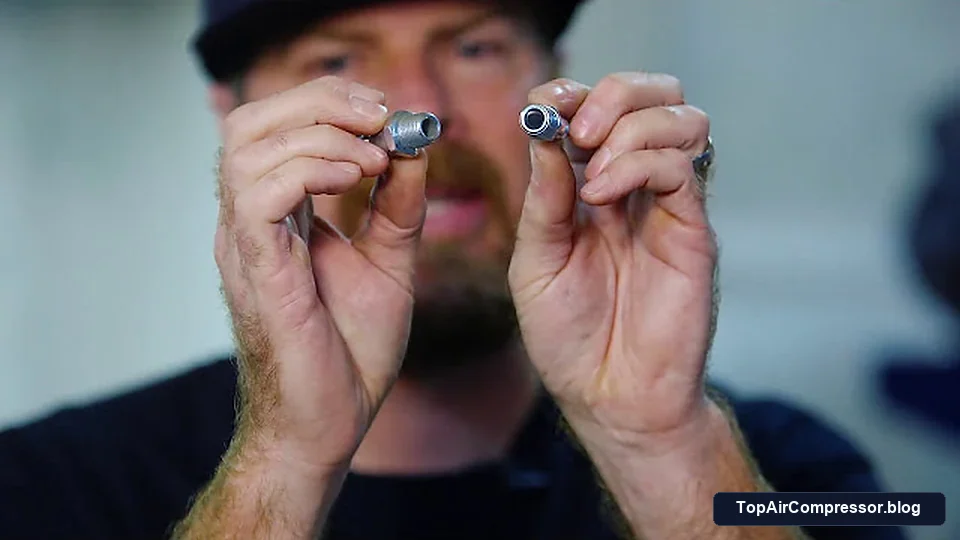
Industrial air tools feature manufacturer ratings indicating exact consumption rates at specific pressures. Explore our recommendations for the best 10 cfm air compressor options to prevent rapid pressure drops and tool stalling.
Multiplying your combined tool consumption by an operational safety factor ensures your machine never operates at its absolute limit. Professional shops typically apply a multiplier of one point four to account for line leaks.
Intermittent tool use permits smaller displacement pumps because storage tanks bridge the temporary supply gaps. Continuous applications like sandblasting require a continuous airflow matching the tool demand without relying on reservoir reserves.
- Sum up the CFM ratings of all tools operating at the exact same time during peak production windows.
- Factor in a twenty percent buffer to compensate for natural hose friction and minor fitting leaks over time.
- Check whether your primary applications demand intermittent bursts or steady, unbroken airflow delivery routines.
- Evaluate manufacturer data carefully because ratings at lower pressures do not translate to higher pressure thresholds.
Assessing Simultaneous Tool Operations
Running multiple nail guns simultaneously demands higher volumetric output than operating a single impact wrench for brief intervals. Calculating peak demand prevents costly delays caused by recharging storage tanks mid-task.
Map out your workflow sequences to identify exact moments when maximum air consumption occurs across your facility. This targeted approach prevents oversized capital investments while eliminating frustrating operational bottlenecks completely.
- Identify peak overlapping equipment usage intervals.
- Group pneumatic tasks to avoid simultaneous surges.
Assessing Pressure Ratings Versus Flow Capacity Metrics
Pressure and flow rate represent two distinct engineering metrics that dictate how your pneumatic equipment performs under load. High pressure without adequate volume leaves air tools starved and incapable of delivering torque.
Pounds per square inch measures the force behind the compressed air stream pushed through your distribution lines. Flow rate determines how much air volume reaches the tool mechanism per minute of continuous operation.
Most standard workshop pneumatic tools require operating pressures between ninety and one hundred pounds per square inch. Exceeding these recommended thresholds accelerates internal wear and risks catastrophic component failure during heavy usage.
Evaluating your airflow needs requires checking standard cubic feet calculations. Review our detailed guide on what is scfm vs cfm to understand how volumetric output differs under varying atmospheric conditions.
- Never confuse static pressure readings with dynamic flow capacity under actual load conditions on the shop floor.
- Verify that regulator valves maintain consistent delivery pressure even as tank reserves drop during heavy operational cycles.
- Remember that increasing pressure output often reduces total volumetric flow capacity in standard reciprocating compressor pumps.
- Select equipment designed specifically to meet your highest pressure tool requirement without unnecessary margin inflation.
Video Walkthrough: What Size Air Compressor Do You Really Need?
Evaluating Pneumatic Duty Cycles Under Heavy Working Loads
Duty cycle specifications dictate the exact percentage of time a compressor pump can run safely before overheating occurs. Exceeding thermal limits leads to premature motor burnout and costly premature pump replacement expenses.
A fifty percent duty cycle means the machine operates for thirty minutes before requiring a thirty-minute cooling interval. Industrial environments demand continuous one hundred percent duty cycle units built for relentless daily service.
Commercial piston compressors typically feature lower duty ratings compared to rotary screw systems designed for continuous industrial applications. Calculating your actual runtime prevents unexpected thermal shutdowns during critical manufacturing deadlines.
Ambient workshop temperatures significantly impact thermal performance and overall operational duty cycles during hot summer months. Proper ventilation around the compressor enclosure helps dissipate excess heat and extends pump operational lifespan.
- Review manufacturer thermal ratings before deploying piston compressors in demanding commercial production line settings.
- Install auxiliary cooling fans in enclosed utility rooms to improve overall compressor thermal dissipation efficiency.
- Monitor crankcase oil temperatures regularly during extended heavy load cycles to prevent unexpected thermal overload shutdowns.
- Match duty cycle capabilities directly to your daily operational timeline rather than average estimated usage.
Understanding Single-Stage Versus Two-Stage Pump Mechanics
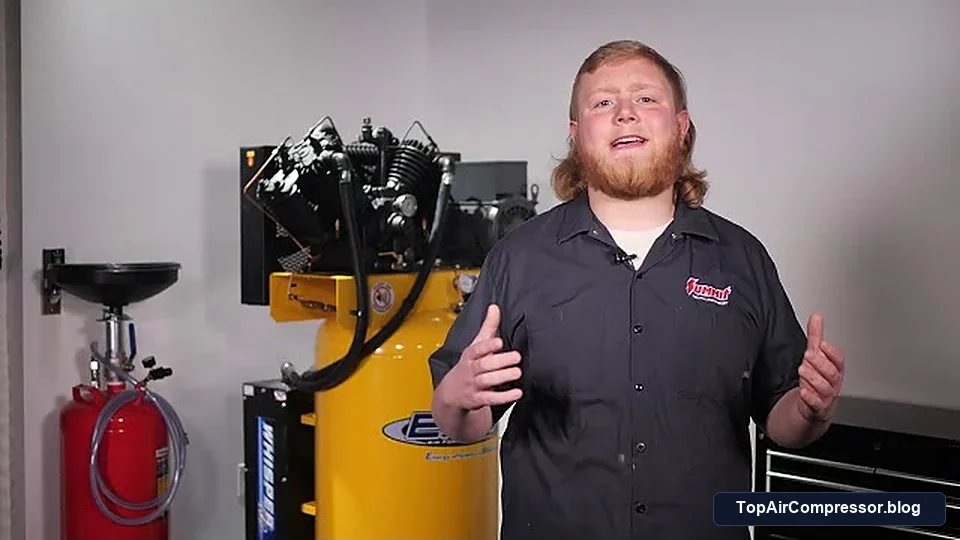
Single-stage compressors draw atmospheric air into a cylinder and compress it to the final pressure in one stroke. These units typically generate maximum pressures around one hundred fifteen pounds per square inch.
Two-stage pumps compress air twice using an intermediate intercooler tube to lower temperatures between compression stages efficiently. This mechanical design delivers higher pressures up to one hundred seventy-five psi consistently.
Workshops requiring steady high-pressure output for heavy impact wrenches benefit immensely from robust two-stage compressor configurations. Light automotive repair garages often find single-stage units sufficient for standard pneumatic tool demands.
Two-stage systems generally offer superior volumetric efficiency and cooler operating temperatures during extended heavy commercial work shifts. Investing in the correct stage configuration prevents excessive energy consumption and unnecessary mechanical wear.
- Choose single-stage pumps for standard framing nailers and general inflation tasks requiring moderate pressure thresholds.
- Select two-stage configurations when running continuous heavy-duty industrial impact tools or sandblasting equipment regularly.
- Inspect intercooler fins periodically to ensure unimpeded airflow between primary and secondary compression cylinders.
- Calculate long-term energy efficiency because multi-stage compressors often consume less power per cubic foot delivered.
Analyzing Tank Storage Capacities For Intermittent Demands
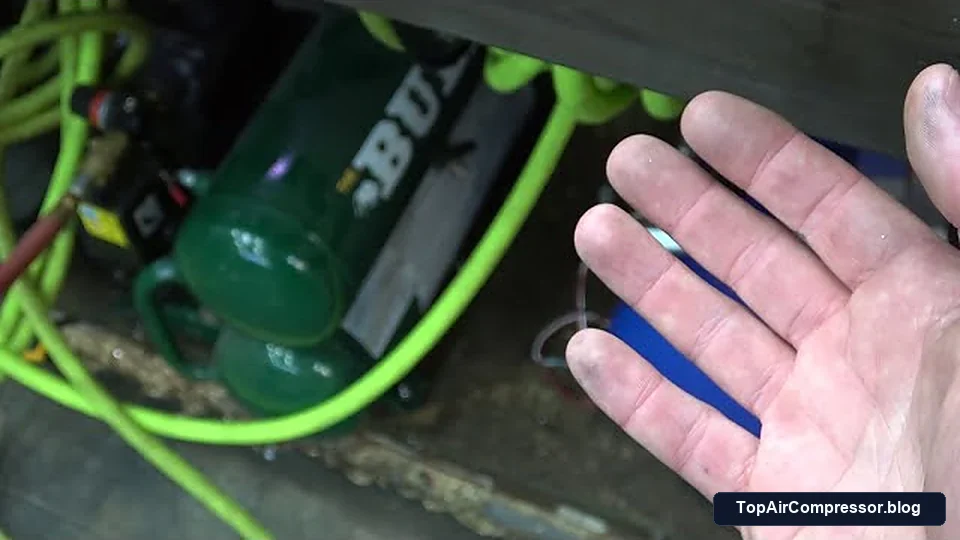
Air receiver tanks act as thermal buffers that supply volume during sudden spikes in demand. Use our interactive cfm and tank sizing calculator to determine the exact reservoir capacity your workshop requires.
Stationary workshop installations frequently utilize vertical eighty-gallon tanks to maximize reserve capacity while saving valuable floor space. Portable service trucks rely on smaller twin-tank setups for mobile repair accessibility.
Undersized storage reservoirs force compressor motors to start repeatedly, generating excessive electrical current spikes and motor heat. Selecting appropriate tank dimensions ensures steady line pressure and protects sensitive motor winding insulation.
Condensation accumulation inside storage vessels requires routine daily drainage to prevent internal corrosion and pneumatic line contamination. Automatic drain valves simplify maintenance routines in demanding industrial production environments.
- Size receiver tanks based on pump displacement rates and maximum expected intermittent tool consumption spikes.
- Mount stationary tanks securely to reinforced concrete flooring using vibration-isolation pads to reduce structural noise.
- Perform daily manual tank draining procedures to expel moisture and inhibit internal rust formation safely.
- Avoid running compressors without adequate storage capacity because rapid cycling destroys pressure switches prematurely.
Power Source Specifications And Electrical Circuit Demands
Electric air compressors require dedicated circuits matching exact voltage and amperage specifications listed on nameplate labels. Undersized electrical wiring causes voltage drop, leading to sluggish motor startup and premature thermal overload trips.
Smaller portable units operate on standard one-hundred-ten volt household circuits, while heavy shop compressors demand two hundred thirty volt connections. Industrial facilities frequently utilize three-phase electrical power for maximum operational efficiency.
Gas-powered portable compressors provide exceptional versatility for remote job sites lacking permanent electrical grid infrastructure and reliable power. Proper engine maintenance ensures dependable field performance under harsh environmental operating conditions.
Consulting a certified electrician before installing heavy stationary compressors prevents costly electrical code violations and hazards. Verifying breaker panel capacity guarantees safe operation during peak motor starting amperage surges.
- Verify breaker amperage ratings match manufacturer recommendations precisely prior to final electrical installation work.
- Avoid using long extension cords with electric compressors to prevent dangerous voltage drops and motor damage.
- Inspect power cords and plugs routinely for signs of cracking, fraying, or thermal scorching.
- Install proper disconnect switches near stationary compressor units to comply with local electrical safety regulations.
Preventing Common Sizing Mistakes In Workshop Environments
Many buyers focus exclusively on horsepower ratings rather than actual cubic feet per minute delivery metrics. Horsepower figures often reflect peak motor output rather than true pump volumetric efficiency under load.
Failing to account for future workshop expansion leaves businesses operating with severely underpowered compressed air infrastructure systems. Investing in slightly higher capacity initially accommodates new tools without requiring complete equipment replacements.
Altitude changes reduce efficiency because thin air lowers mass flow delivery. Read our comprehensive scfm vs cfm air compressor guide to adjust your sizing calculations for high-elevation job sites.
Reviewing comprehensive technical specifications guarantees your selected compressor meets all current and projected pneumatic tool demands. Proper engineering diligence ensures long-term operational reliability and maximum productivity across your entire facility.
- Base equipment selection strictly on delivered cubic feet per minute rather than nominal motor horsepower.
- Factor in high-altitude performance degradation when purchasing equipment for mountain job site locations.
- Plan for future tool acquisitions by incorporating an extra twenty percent capacity safety buffer.
- Consult technical experts if complex multi-tool piping layouts create unpredictable pressure drop variables.
Frequently Asked Questions
How do I calculate the exact CFM needed for my workshop tools?
Add the individual consumption ratings of all pneumatic devices operating simultaneously during peak tasks. Multiply that total sum by one point four to account for system friction and potential line leaks.
What happens if I buy an air compressor with insufficient CFM?
Your pneumatic tools will experience severe pressure drops and stall frequently during critical tasks. This constant starvation also forces the compressor motor to run continuously, causing premature thermal burnout and excessive wear.
Does a larger storage tank increase the CFM output of a compressor?
Receiver tanks do not increase pump flow capacity or actual cubic feet per minute generation rates. Larger reservoirs simply provide a larger volume buffer to support intermittent high-demand tools without immediate pressure loss.
Why is duty cycle an important specification to check before purchasing?
Duty cycle determines the exact percentage of time a compressor pump can run safely before needing rest. Exceeding thermal limits leads to overheating, ruined motor windings, and expensive premature replacement costs.
Should I choose a single-stage or two-stage compressor for heavy use?
Select a two-stage compressor if your workshop requires continuous high pressure exceeding one hundred fifteen pounds per square inch. Single-stage models work best for standard intermittent tasks and lighter automotive applications.