What Is a Good Tire Pressure for a Car?
Discover the exact science behind proper car tire pressure. Maintain optimal safety, fuel economy, and tire longevity with precision inflation methods.

Most passenger cars require 32 to 35 PSI when cold, but you must always verify the exact manufacturer placard located on your driver-side door jamb for safe operation.
Looking for matching picks? See our Best Air Compressor For Car Tires: Top Rated Picks.
Practical Quick-Reference Table
| Scenario / Metric | Recommended Target | Why It Matters |
|---|---|---|
| Standard Passenger Car | 32 - 35 PSI (Cold) | Ensures balanced contact patch and optimal fuel economy. |
| Light Truck / SUV | 35 - 45 PSI (Cold) | Supports heavier load ratings and prevents sidewall flex. |
| High-Speed Driving | Add 3 - 5 PSI | Mitigates extreme heat buildup during sustained highway speeds. |
| Towing Heavy Loads | Max Placard PSI | Prevents dangerous tire overheating and structural failure. |
| Winter Temperature Drop | Compensate +1 PSI per 10°F | Maintains correct inflation despite cold ambient air shifts. |
| Compact Spare Tire | 60 PSI | Ensures immediate readiness for emergency road situations. |
Fundamentals of Automotive Tire Inflation and Safety
Maintaining correct tire pressure is vital for vehicle safety and braking efficiency. Incorrectly inflated tires compromise handling dynamics across wet and dry road surfaces, increasing stopping distances significantly.
Your tires represent the only contact point between your vehicle and the pavement. Engineering standards dictate specific internal pressures to support vehicle weight without excessive sidewall deflection.
Under-inflation generates excessive internal heat through rapid rubber flexing, which can trigger catastrophic tread separation. Conversely, severe over-inflation reduces your tire contact patch, diminishing cornering traction.
Understanding these foundational principles helps you avoid uneven tread wear patterns. Regular pressure checks protect your investment and preserve suspension components from premature mechanical wear.
- Tires dictate emergency braking performance and cornering grip.
- Incorrect PSI accelerates tread wear across outer or inner shoulders.
- Proper inflation minimizes rolling resistance to optimize fuel economy.
- Heat buildup from low pressure causes structural tire degradation.
The Physics of the Tire Contact Patch
A properly inflated tire maintains a uniform contact patch with the road. This engineering balance ensures predictable steering feedback and maximum friction during emergency maneuvers.
When pressure drops too low, the center of the tread lifts away from the pavement. This concentrates all vehicle loads onto the outer shoulder ribs.
- Uniform pressure distributes vehicle weight evenly across the tread.
- Abnormal contact patches reduce hydroplaning resistance in rain.
Economic and Environmental Impacts
Under-inflated tires increase rolling resistance, forcing your engine to burn more fuel. Maintaining correct inflation directly lowers your monthly fuel expenditures and carbon footprint.
Extended tire lifespans also reduce landfill waste from prematurely discarded rubber. Precision maintenance delivers measurable economic and environmental advantages over time.
- Low pressure increases fuel consumption by several percentage points.
- Correct PSI extends operational tread life by thousands of miles.
Locating Manufacturer Specifications and Vehicle Placards
Many drivers mistakenly read the maximum pressure rating printed on the tire sidewall. That figure represents structural limits, not your vehicle's recommended daily operating pressure.
Always reference the official manufacturer placard permanently attached to the driver-side door jamb. This specialized sticker provides exact engineering targets for front and rear axles.
Some vehicle placards also list separate specifications for sustained high-speed driving or maximum cargo loads. Review these secondary guidelines if you plan extended road trips with heavy baggage.
Consulting your owner's manual offers additional context regarding specialized tire sizes or seasonal pressure adjustments recommended by the original equipment manufacturer.
- Never use the maximum pressure printed on the tire sidewall.
- Locate the federal certification label on the driver door pillar.
- Note differing front and rear axle specifications where applicable.
- Cross-reference values with your vehicle owner's manual.
Decoding the Door Jamb Placard
The door placard displays recommended pressures in both PSI and kilopascals. It also lists the vehicle's gross weight rating and original equipment tire size.
Matching replacement tires to this placard specification ensures your suspension performs exactly as engineered by the factory designers.
- Placards list cold PSI for standard factory tire dimensions.
- Gross vehicle weight ratings dictate maximum safe cargo limits.
Navigating Aftermarket Tire Variations
Installing non-standard tire sizes or load ranges complicates standard placard readings. You may need professional guidance to calculate safe operating pressures for modified vehicles.
Load-range upgrades often require higher pressures to support identical vehicle weights safely without excessive sidewall roll during cornering.
- Aftermarket sizing changes internal air volume requirements.
- Consult tire manufacturers when deviating from factory dimensions.
Video Walkthrough: STOP Setting Tire Pressure to 32 PSI! (You're Destroying Your Car)
Mastering Cold Tire Pressure Measurements and Physics
Accurate pressure readings require cold tires measured before driving. Using the best air compressor for car tires helps maintain proper levels before friction heats internal air.
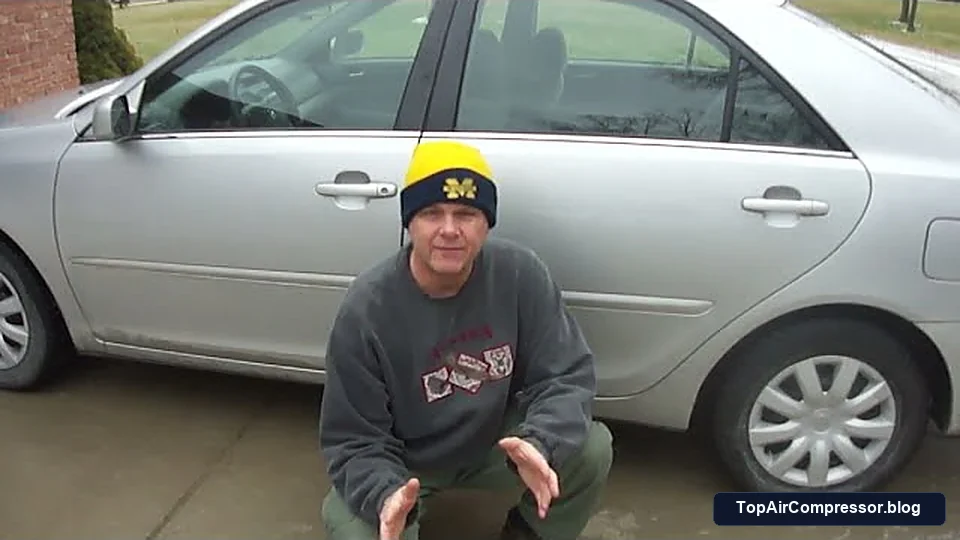
Industry standards define cold tires as vehicles that have sat parked for at least three hours. Alternatively, driving under one mile at low speeds qualifies as cold.
Never bleed air from warm tires after highway driving. The apparent over-inflation is normal thermal expansion, and releasing air will leave your tires under-inflated once cooled.
Establish a consistent morning routine before your daily commute to capture true baseline measurements. This discipline ensures reliable tracking across changing weather conditions.
- Measure tires only after sitting parked for three or more hours.
- Avoid bleeding warm tires immediately following highway travel.
- Friction-generated heat artificially raises internal air pressure.
- Establish consistent morning measurement habits for accuracy.
Understanding Ideal Ambient Conditions
Ambient garage temperatures provide the most stable environment for precise pressure checks. Direct sunlight on one side of a car can skew temperature and pressure readings.
Shielding your vehicle or checking tires in shaded areas eliminates solar radiation interference. Precision requires controlling environmental variables during inflation.
- Direct sunlight heats exterior rubber and internal air rapidly.
- Park in shaded areas for consistent pressure verification.
The Danger of Bleeding Warm Tires
Releasing air from hot tires creates a hazardous under-inflation scenario once temperatures normalize. Always wait for complete cooling before adjusting air volume.
Thermal contraction will drop pressures below safe minimums if you bleed air from tires immediately after high-speed transit.
- Hot pressure spikes are temporary and expected physics.
- Bleeding warm tires guarantees low pressure when cold.
How Ambient Temperature Shifts Impact Tire Pressure
Ambient temperature changes directly influence internal tire pressure through fundamental gas laws. Expect to lose one PSI for every ten-degree drop in outside air temperature.
Seasonal transitions during autumn and winter catch many motorists off guard as morning frost causes widespread pressure drops. Monitoring these shifts prevents unexpected low-pressure warnings.
Conversely, summer heatwaves increase internal pressures significantly as asphalt temperatures soar. You must account for thermal gains when verifying hot-weather inflation levels.
Regular monthly monitoring compensates for these natural atmospheric fluctuations, ensuring your vehicle maintains proper contact patches throughout changing seasons.
- Tires lose approximately one PSI for every ten-degree temperature drop.
- Winter weather demands frequent pressure checks and adjustments.
- Summer heat expands internal air, occasionally requiring slight venting.
- Seasonal transitions require proactive pressure adjustments.
Calculating Winter Pressure Loss
A sudden cold snap dropping outdoor temperatures from seventy to thirty degrees will reduce tire pressure by four PSI. This drop easily triggers warning indicators.
Proactive top-offs before major cold fronts arrive prevent low-pressure handling anomalies and protect sidewalls from premature flex fatigue.
- Massive temperature swings demand immediate pressure compensation.
- Pre-winter inflation checks prevent sudden dashboard alerts.
Managing Summer Heat Expansion
High asphalt temperatures can increase operating tire pressures by five to six PSI above cold baselines. Factory designs account for this predictable expansion safely.
Do not manually vent operating pressure during hot road trips unless readings exceed maximum safety margins established by the tire manufacturer.
- Hot asphalt elevates internal operating pressures safely.
- Allow normal cooling before adjusting high summer readings.
Interpreting Tire Pressure Monitoring System Warnings
Modern vehicles feature a Tire Pressure Monitoring System designed to alert drivers of significant pressure loss. Federal mandates require this safety tech on all passenger cars.
Direct TPMS uses physical radio transmitters inside each wheel assembly to measure exact internal pressure. Indirect systems calculate pressure by monitoring wheel speed via ABS sensors.
A steady dashboard warning light indicates one or more tires have dropped twenty-five percent below recommended placard specifications. Immediate inspection is required.
Flashing TPMS icons typically signify an electronic sensor malfunction rather than pressure loss. Consult a qualified technician to diagnose faulty internal transmitters.
- TPMS alerts drivers to pressure drops exceeding twenty-five percent.
- Direct systems measure real pressure via wheel-mounted sensors.
- Indirect systems utilize existing ABS wheel speed parameters.
- A flashing dashboard icon points to electronic sensor failure.
Direct Versus Indirect TPMS Design
Direct sensors provide real-time pressure data for individual tires on your dashboard display. They require battery maintenance and reprogramming during tire rotations.
Indirect systems compare relative rotational speeds to infer deflation. Lower pressure reduces tire diameter, causing that wheel to spin faster than others.
- Direct sensors offer precise individual PSI readouts.
- Indirect setups rely on wheel speed differential calculations.
Troubleshooting Stubborn TPMS Lights
Sometimes refilling tires fails to extinguish the dashboard warning immediately. Certain vehicles require a manual reset procedure via dashboard menus or button presses.
Dead internal sensor batteries also trigger persistent warning lights that require complete component replacement by a tire service professional.
- Many vehicles require manual TPMS reset procedures.
- Dead sensor batteries necessitate physical component replacement.
Step-by-Step Guide to Safe and Accurate Tire Inflation
Choosing the best small tire inflator for car ensures you always have reliable compressed air on hand. Park on level ground and engage your parking brake securely before starting.
Remove the plastic valve stem cap from your first tire and store it safely. Press your digital or dial pressure gauge firmly onto the valve stem.
Read the initial measurement and compare it against your door placard target. If pressure is low, attach your air compressor chuck and add air in short bursts.
Recheck the pressure with your gauge after each short burst of air to prevent accidental over-inflation. Replace the valve stem cap securely when finished.
- Park on flat ground and engage the emergency parking brake.
- Remove valve caps and store them in a secure location.
- Attach air chuck firmly to prevent frustrating air leaks.
- Add air in short intervals, checking gauge readings frequently.
Selecting Reliable Inflation Tools
Investing in a quality dial pressure gauge prevents inaccurate readings caused by cheap pencil gauges. Digital gauges offer exceptional clarity in low-light environments.
Portable 12-volt air compressors or garage inflators ensure you can maintain correct pressure anywhere without relying on gas station coin-operated machines.
- Dial and digital gauges outperform traditional pencil styles.
- Portable compressors provide convenient home maintenance options.
Avoiding Common Inflation Mistakes
Rushing the inflation process often leads to severe over-inflation and harsh ride quality. Always take your time and verify measurements systematically.
Failing to reinstall valve stem caps exposes delicate valve cores to dirt and moisture, causing slow air leaks over subsequent weeks.
- Never rush inflation or skip verification measurements.
- Always reinstall valve stem caps to protect internal cores.
Recognizing the Dangers of Over and Under Inflation
Extreme tire pressure deviations destroy tire structures and compromise vehicle safety. Under-inflation generates excessive heat, causing tread separation and blowouts at highway speeds.
Over-inflation reduces your tire's contact patch, concentrating forces onto the center tread. This causes rapid center wear, harsh ride quality, and diminished braking traction.
Balanced tire pressures ensure optimal braking distances across slick roads. Maintaining correct PSI protects steering responsiveness and structural suspension integrity.
Regular inspections catch minor pressure drifts before they transform into costly mechanical failures or dangerous highway emergencies.
- Under-inflation causes dangerous heat buildup and structural blowouts.
- Over-inflation accelerates center tread wear and reduces braking grip.
- Correct pressure preserves optimal vehicle handling and suspension life.
- Routine inspections prevent catastrophic road failures.
Analyzing Under-Inflation Wear Patterns
Tires running low on air exhibit heavy wear along both outer shoulder ribs. The unsupported center tread fails to make firm contact with the pavement.
This uneven loading increases rolling resistance, driving down fuel economy while generating destructive internal operating temperatures.
- Low pressure wears out outer shoulder ribs prematurely.
- Excessive sidewall flexing generates dangerous internal heat.
Analyzing Over-Inflation Wear Patterns
Excessive internal air pressure balloons the tire casing outward. This concentrates all vehicle weight onto a narrow strip along the center tread.
Center ribs wear down rapidly while shoulders remain untouched, drastically shortening overall tire lifespan and reducing wet-weather traction.
- High pressure balloons tires and wears center treads fast.
- Reduced contact patch compromises emergency stopping traction.
Selecting Air Compressors and Gauges for Vehicle Maintenance
Proper automotive maintenance requires dependable air compression equipment stored safely in your garage or trunk. Look for units offering steady airflow and integrated pressure gauges.
Portable 12-volt DC compressors plug directly into your vehicle auxiliary outlet, offering roadside emergency utility. 120-volt AC garage units provide faster inflation speeds.
Calibrating your pressure gauge periodically ensures long-term accuracy. Compare your primary gauge against a certified laboratory standard if you suspect reading drifts.
Keep your inflation gear organized and protected from moisture to guarantee readiness when seasonal temperature shifts demand immediate pressure adjustments.
- Choose between portable 12V units and heavy-duty AC shop inflators.
- Integrated pressure gauges streamline the inflation process.
- Periodically check gauge calibration for long-term measurement accuracy.
- Store inflation tools safely away from moisture and extreme heat.
Evaluating 12-Volt Portable Compressors
Selecting the right portable tire compressor for car use ensures emergency readiness. These compact units fit easily inside vehicle trunks to allow quick top-offs during remote road trips without station searches.
Duty cycles matter significantly with portable units. Allow small motors to rest periodically during multi-tire inflation tasks to prevent overheating.
- Trunk-friendly compressors offer vital roadside emergency capability.
- Monitor motor duty cycles to prevent thermal overload.
Advantages of Garage Air Compressors
Tank-style garage compressors provide high airflow volumes and rapid inflation speeds. Using our cfm tool sizing calculator ensures you select adequate capacity to handle routine vehicle maintenance and pneumatic tools effortlessly.
Equipping your shop airline with a moisture trap prevents water condensation from entering tire interiors during seasonal pressure top-offs.
- Tank compressors offer rapid inflation and versatile shop utility.
- In-line moisture traps prevent water contamination inside tires.
Frequently Asked Questions
What is the standard recommended tire pressure for most passenger cars?
Most passenger vehicles require between 32 and 35 PSI when cold. Always verify the exact specification on your door placard.
Should I check my tire pressure when the tires are hot or cold?
Always measure tire pressure when cold after the vehicle has sat parked for three hours. Driving generates friction heat that raises readings.
How often should I check my car tire pressure?
Check your tire pressure at least once a month and before embarking on long highway road trips. Seasonal temperature drops also require immediate checks.
What does a flashing TPMS dashboard warning light mean?
A flashing tire pressure monitoring system light typically indicates an electronic sensor malfunction rather than simple pressure loss.
How does outside weather temperature affect my tire pressure?
Tires lose about one PSI for every ten-degree drop in ambient temperature, requiring frequent winter adjustments to maintain safety.