What Is Better Oil or Oil-Less Compressor?
Choosing the right compressor technology directly impacts your pneumatic tool longevity and air quality. Understanding these core mechanical differences ensures optimal shop efficiency.

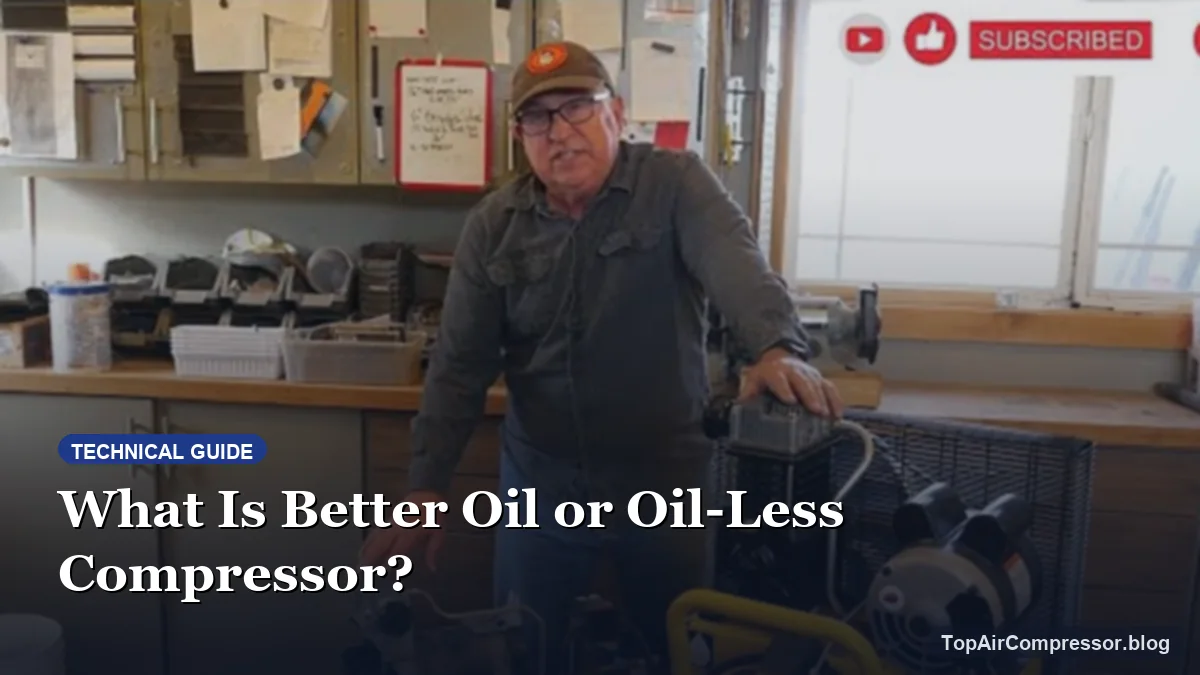
Oil-lubricated units offer extended service lifespans for heavy industrial duty, while oil-free systems provide contamination-free output for sensitive finishing and laboratory environments.
Looking for matching picks? See our Best Oil Less Air Compressor: Top Picks & Buying Guide.
Practical Quick-Reference Table
| Scenario / Metric | Recommended Target | Why It Matters |
|---|---|---|
| Automotive Body Shop | Oil-Free Compressor | Prevents paint fish-eye defects from oil contamination. |
| Heavy Manufacturing Plant | Oil-Lubricated Unit | Handles continuous high-duty cycles without thermal fatigue. |
| Dental Clinic Practice | Oil-Free Compressor | Guarantees medical-grade sterile air for patient safety. |
| General Woodworking Shop | Oil-Lubricated Unit | Provides robust pneumatic power for framing nailers. |
| Mobile Jobsite Framing | Oil-Free Compressor | Eliminates oil spills during transport and cold starts. |
| Continuous Assembly Line | Oil-Lubricated Unit | Lowers friction wear across thousands of operating hours. |
Deconstructing Mechanical Designs of Lubricated Air Systems
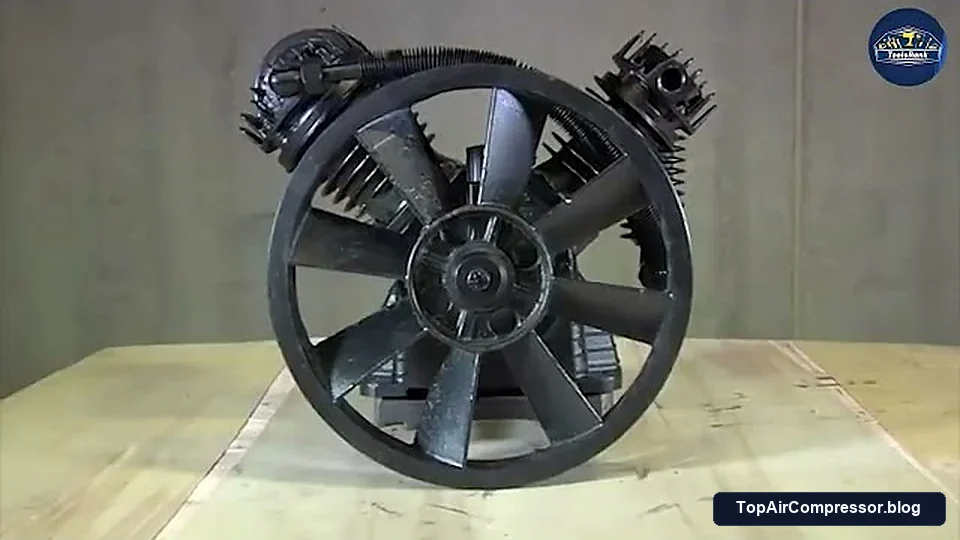
Oil-lubricated air compressors utilize a liquid reservoir to coat internal cylinder walls. This fluid barrier drastically reduces friction and dissipates intense operating heat during compression cycles.
While traditional designs use fluid reservoirs, shoppers often evaluate alternatives listed in our best oil less air compressor guide before choosing between splash and pressure lubrication systems.
Splash lubrication systems rely on a dipper attached to the connecting rod. As the crankshaft rotates, it flings oil droplets upward to coat vital bearings and cylinder walls reliably.
More complex industrial pumps employ positive displacement oil pumps. These internal pumps force pressurized fluid directly into critical journal bearings to sustain heavy radial loads continuously.
Lubricated compressors rely on a flooded crankcase where splash systems or oil pumps circulate specialized synthetic lubricants through journal bearings and cylinder walls to minimize mechanical friction and dissipate heat effectively.
The oil control rings on the piston skirt scrape excess fluid down into the sump while allowing a microscopic film to lubricate the compression rings, preventing direct metal-to-metal contact under high loads.
Downstream air streams invariably capture aerosolized oil droplets requiring coalescing filters positioned immediately after the receiver tank to scrub liquid hydrocarbons before they reach sensitive pneumatic valves or spray guns.
Operating pressures frequently exceed 175 PSI in heavy industrial reciprocating models, demanding robust cast-iron crankcases and precision-machined crankshaft journals capable of withstanding extreme continuous radial loads without premature bearing failure.
- Maintain proper oil levels using recommended synthetic lubricants to prevent premature wear.
- Monitor operating temperatures closely to ensure optimal fluid viscosity under load.
- Change crankcase oil according to strict operating hour intervals specified by engineers.
- Inspect shaft seals regularly to prevent costly internal fluid leaks into compression chambers.
Understanding Crankcase Dynamics and Viscosity
Selecting the correct oil viscosity grade directly governs cold-weather starting capability and high-temperature film strength. Thicker oils protect better under heavy loads but struggle in freezing temperatures.
Synthetic oils outperform traditional petroleum derivatives by resisting thermal breakdown and varnish formation. This chemical stability extends maintenance intervals and protects internal pump components effectively.
- Verify ISO viscosity grades match ambient operating temperature ranges.
- Use synthetic formulations to minimize carbon buildup on compressor valve reeds.
Engineering Principles Behind Oil-Free Pneumatic Pumps
Oil-free compressors eliminate crankcase liquids entirely by utilizing self-lubricating materials. Manufacturers coat cylinder walls with specialized fluoropolymers like PTFE to minimize sliding friction.
Piston rings in these modern units consist of advanced composite materials. These engineered polymers withstand high reciprocating speeds without requiring liquid petroleum lubrication whatsoever.
Because there is no oil sump, these machines can operate at extreme angles without mechanical failure. This portability makes them exceptionally popular for mobile construction and remodeling crews.
Thermal management remains a primary design challenge for oil-free pumps. Without circulating oil to absorb heat, engineers must incorporate larger cooling fins and auxiliary electric fans.
Oil-free compressors substitute traditional metallic friction surfaces with self-lubricating materials such as PTFE composite rings and sealed permanent-grease bearings that never require external fluid replenishment throughout their functional lifespan.
Cylinder bores feature advanced coatings like fluoropolymer layers to reduce sliding friction, allowing pistons to reciprocate rapidly without scorching the dry cylinder walls during extended operation under heavy loads.
Because these pumps lack liquid oil jackets for thermal transfer, engineers integrate extensive aluminum cooling fins and auxiliary axial cooling fans directly onto the cylinder heads to dissipate radical heat buildup.
Operating clearances inside dry pumps must be meticulously calibrated to accommodate thermal expansion during heavy cycles, preventing piston seizure while maintaining volumetric efficiency across fluctuating ambient shop temperatures.
- Expect shorter overall pump lifespans due to non-replenishable dry friction surfaces.
- Keep intake filters meticulously clean to prevent abrasive dust from scoring cylinder walls.
- Allow adequate cool-down periods between heavy operating cycles to prevent thermal warping.
- Inspect composite piston rings periodically for signs of accelerated mechanical wear.
Thermal Management in Dry Piston Designs
Dry compression generates intense localized heat directly around the piston crown. Aluminum heads with deep cooling fins are mandatory to dissipate thermal energy rapidly into ambient air.
Some heavy-duty oil-free designs utilize water jackets or dual-stage compression to control discharge temperatures. Managing heat buildup is critical for preventing premature component failure.
- Ensure unobstructed airflow around all exterior housing ventilation louvers.
- Never operate dry compressors in confined, unventilated mechanical closets.
Video Walkthrough: Oiled vs Oilless Mid-Sized Air Compressors: Which One Is the Better Long-Term Buy?
Comparative Analysis of Pump Lifespan and Thermal Limits
Pump longevity heavily favors oil-lubricated compressors in almost every heavy industrial comparison. The continuous fluid film prevents micro-abrasions, allowing these units to run for tens of thousands of hours.
Oil-free pumps experience constant dry friction across their composite piston rings. Once these specialized coatings wear away, the entire pump assembly typically requires replacement rather than simple rebuilding.
Thermal limits dictate duty cycles across both compressor categories. Oiled units handle continuous running loads efficiently, while dry units require fractional rest periods to prevent overheating.
Operating ambient temperatures also influence longevity. Extreme cold thickens crankcase oil dangerously, whereas hot environments accelerate the thermal degradation of dry composite seals.
Standard oil-lubricated reciprocating pumps routinely achieve 5,000 to 10,000 operating hours before requiring a complete ring and valve rebuild, provided regular fluid changes occur every three months.
Conversely, consumer-grade oil-free direct-drive units often experience thermal degradation much sooner, typically maxing out around 500 to 1,500 hours of service before sleeve wear compromises baseline compression efficiency.
Internal operating temperatures in dry pumps can spike past 350 degrees Fahrenheit right at the valve plate, accelerating material fatigue and demanding strict adherence to recommended duty cycle limitations.
Commercial workshops running multi-stage lubricated systems benefit from lower operating temperatures, usually staying under 200 degrees Fahrenheit, which dramatically extends the structural integrity of internal reed valves and gaskets.
- Expect up to four times more operating hours from a quality lubricated cast-iron pump.
- Track running duty cycles carefully to avoid pushing dry pumps past their thermal limits.
- Rebuild kits can restore oiled pumps multiple times before cylinder boring is needed.
- Factor replacement frequency into long-term financial calculations for dry equipment.
Evaluating Duty Cycle Percentages and Heat Dissipation
Duty cycle ratings quantify the percentage of time a compressor can run within a given ten-minute window. Oil-free units often feature fifty percent ratings, demanding mandatory rest intervals.
Industrial lubricated compressors frequently achieve one hundred percent duty cycles. Their massive cast-iron construction and fluid cooling capacities absorb and reject continuous thermal loads.
- Match your application air demand against the specific rated duty cycle.
- Overworking a dry compressor leads to catastrophic valve plate distortion.
Evaluating Delivered Air Purity and Filtration Requirements
Air purity represents a vital factor when evaluating heavy-duty equipment such as models featured in our best oil lubricated air compressor review, because lubricated pumps inevitably introduce microscopic oil aerosols into the compressed air stream.
Even with high-end coalescing filters and activated carbon towers, trace hydrocarbons can escape. This aerosol contamination ruins sensitive industrial processes like pharmaceutical manufacturing or fine automotive painting.
Oil-free compressors deliver completely hydrocarbon-free air right out of the discharge port. This inherent cleanliness satisfies stringent ISO air quality standards without requiring complex multi-stage filtration arrays.
Food processing plants, electronics assembly lines, and dental offices mandate oil-free air. Utilizing lubricated equipment in these environments risks catastrophic product contamination and regulatory violations.
Pneumatic applications requiring ISO 8573-1 Class 1 or Class 2 air purity standards mandate oil-free technology to completely eliminate the risk of hydrocarbon contamination in food processing or medical environments.
Lubricated systems discharge roughly 5 parts per million of oil vapor natively, which means even with desiccant dryers and high-efficiency filters, trace contaminants can still compromise delicate automated production lines.
Technicians installing lubricated equipment must implement a multi-stage filtration stack comprising particulate separators, coalescing filters, and activated carbon towers to capture both liquid droplets and gaseous hydrocarbon odors.
Neglecting filter element replacements every 1,000 operational hours allows oil breakthrough that ruins downstream paint finishes, clogs pneumatic solenoids, and invalidates warranties on sensitive manufacturing instrumentation.
- Install multi-stage coalescing filters if you must use an oiled compressor for painting.
- Perform regular air quality testing in medical and food-grade pneumatic setups.
- Choose oil-free designs to eliminate the risk of downstream valve gumming.
- Save on replacement filter cartridges by utilizing inherently clean dry compressors.
Understanding ISO Air Quality Classifications
The International Organization for Standardization defines strict purity classes for compressed air. Class zero represents the absolute highest standard, requiring zero detectable oil vapor.
Certified oil-free compressors are engineered specifically to meet stringent class zero criteria. This guarantees absolute safety for sensitive consumer goods and sterile medical devices.
- Review your facility production guidelines to determine required ISO class levels.
- Maintain downstream desiccant dryers alongside oil-free pumps for dry output.
Duty Cycles, CFM Outputs, and Workplace Noise Metrics
When matching air tools to your setup, using our cfm tool sizing calculator helps determine exact delivery rates, since lubricated pumps generally provide higher sustained output because friction losses are minimized.
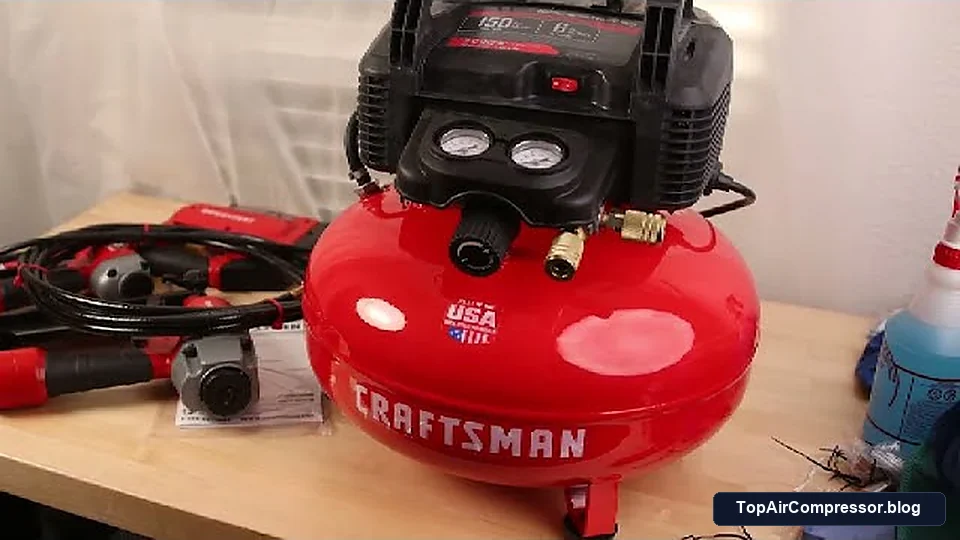
Noise emissions represent another noticeable difference during everyday shop operations. Traditional oil-lubricated cast-iron pumps produce a deep, resonant mechanical rumble that echoes through workspaces.
Modern oil-free compressors often utilize high-RPM direct-drive motors that generate a high-pitched whine. However, specialized low-decibel dry units have emerged to improve workshop acoustics.
Evaluating workplace acoustics helps protect employee hearing and complies with safety regulations. Enclosing loud compressors in dedicated utility rooms remains a best practice for busy shops.
Industrial lubricated compressors frequently boast a 100 percent duty cycle, allowing continuous operation without risking catastrophic motor burnout or excessive thermal expansion inside the primary cast-iron pump chamber.
Standard portable oil-free units generally operate on a 50 percent duty cycle, requiring equal run and rest periods to prevent thermal overloads from tripping internal circuit breakers during framing jobs.
Noise levels present a stark operational contrast, with enclosed lubricated belt-drive systems humming around 70 to 75 decibels, whereas direct-drive oil-free pumps often scream at 85 to 90 decibels.
Delivering consistent high cubic feet per minute volumes at 90 PSI requires heavy belt-driven pumps that easily outperform compact oil-free alternatives designed primarily for intermittent residential nailing and inflation tasks.
- Measure ambient decibel levels before positioning compressors near workstations.
- Invest in acoustic compressor enclosures to mitigate high-pitched motor whines.
- Verify CFM delivery at your specific operating pressure rather than displacement volume.
- Select slow-running belt-driven pumps for significantly quieter shop environments.
Acoustic Engineering and Decibel Reduction Strategies
Low-RPM pump designs inherently generate fewer acoustic vibrations than high-speed counterparts. Balancing rotating masses reduces structural resonance and lowers overall sound output.
Using vibration isolation pads beneath compressor feet prevents floors from acting as amplifiers. Effective decoupling transforms an obnoxious shop rumble into a manageable background hum.
- Install rubber vibration pads under every compressor mounting foot.
- Route intake air through remote baffling silencers to reduce intake noise.
Maintenance Protocols and Long-Term Operating Costs
Maintenance routines dictate the long-term ownership experience of any pneumatic system. Oiled compressors demand regular fluid changes, filter replacements, and diligent daily fluid level checks.
Neglecting oil maintenance leads to catastrophic pump seizure and expensive motor repairs. Conversely, oil-free units require virtually no internal lubrication upkeep, reducing routine maintenance labor.
Initial purchase prices typically favor smaller portable oil-free hobbyist compressors. However, industrial facilities must calculate total lifecycle costs, including energy efficiency and pump replacement frequency.
Disposing of used compressor oil demands adherence to local environmental regulations. Facilities running multiple lubricated units must budget for proper fluid recycling and waste management.
Lubricated compressors demand routine attention, including weekly fluid level inspections, annual changes using options from our best synthetic air compressor oil guide, and regular draining of moisture accumulating inside the vertical receiver tank.
Although oil-free models eliminate fluid purchases, their internal sliding components wear out rapidly, requiring expensive pump head replacements once the dry piston rings and cylinder sleeves degrade beyond repair tolerances.
Calculating total cost of ownership involves balancing frequent preventative maintenance labor against the upfront savings and simplified upkeep associated with modern dry pneumatic pumping mechanisms in commercial shops.
Facilities must safely dispose of used compressor oil according to environmental regulations, adding minor handling costs that offset the superior longevity of properly maintained oil-flooded industrial reciprocating compressor systems.
- Keep a detailed maintenance logbook tracking every oil change and filter swap.
- Stock replacement air filter elements to prevent unnecessary restriction.
- Calculate total energy consumption alongside initial equipment purchase costs.
- Comply with local environmental laws regarding used petroleum disposal.
Calculating Total Cost of Ownership Over Decades
Initial capital expenditure represents only a fraction of lifetime compressor expenses. Energy consumption, routine servicing, and eventual pump rebuilds form the bulk of ongoing costs.
Lubricated industrial units cost more upfront but offer lower per-hour operating costs. Their rebuildable nature prevents the frequent capital outlays associated with disposable dry pumps.
- Project operational hours across a ten-year window before purchasing.
- Factor technician labor costs into your routine preventive maintenance budget.
Comprehensive Decision Framework for Shop Owners
Selecting the ideal compressor technology requires balancing air purity needs against duty cycle demands. Assess your primary pneumatic tools before browsing equipment specifications or pricing.
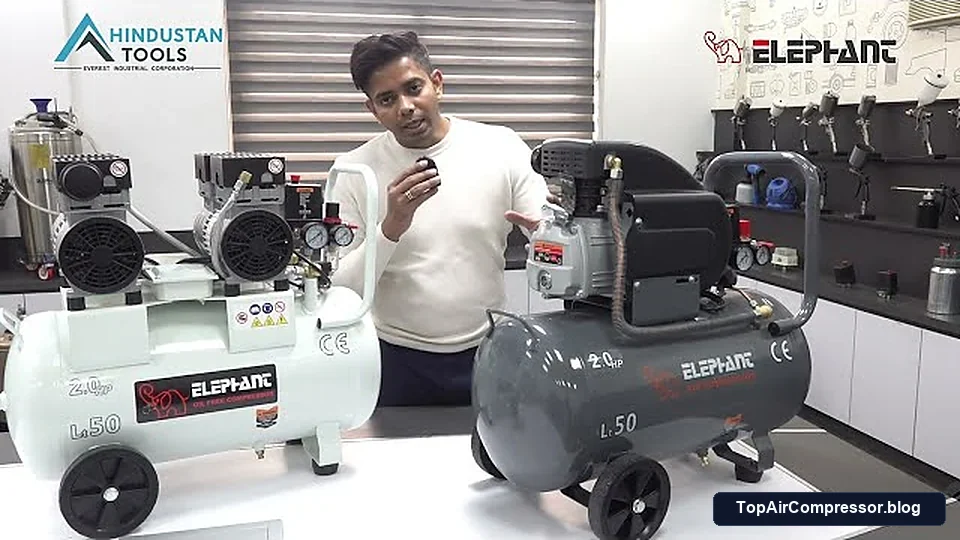
If your operation involves continuous manufacturing, automotive mechanics, or heavy framing, an oil-lubricated machine is mandatory. Its robust construction handles relentless daily punishment easily.
When your workflow prioritizes finish carpentry, dental work, or electronics manufacturing, choose oil-free. Protecting sensitive products from hydrocarbon contamination outweighs the shorter pump lifespan.
Evaluating your local climate and workshop layout completes the technical selection process. Ensuring adequate ventilation and power supply prevents premature equipment failure and ensures productivity.
Automotive repair facilities requiring reliable air for impact wrenches and tire inflators should prioritize lubricated belt-drive units for their superior longevity and ability to handle constant shop demands.
Cabinetry workshops and electronics assembly stations must select oil-free systems to prevent catastrophic finish blemishes caused by trace hydrocarbon aerosols contaminating delicate pneumatic spray equipment or sensitive control panels.
Evaluating available electrical infrastructure, required CFM at specific pressure thresholds, and daily operational hours ensures facility managers select equipment maximizing return on capital investment over a ten-year lifecycle.
Budget constraints must weigh initial purchase price against projected replacement cycles, recognizing that a cheap dry compressor may need multiple swaps while a cast-iron lubricated unit runs reliably for decades.
- List all pneumatic tools and their maximum required CFM consumption rates.
- Determine whether trace oil aerosols will damage your finished output products.
- Assess available electrical supply voltage and amperage before final purchase.
- Consult certified pneumatic technicians for custom industrial facility layouts.
Finalizing Your Equipment Specification Checklist
Compile your operational parameters into a concise engineering specification sheet. This structured approach eliminates guesswork and guarantees your chosen compressor matches actual shop demands.
Review pressure switch settings, tank volume capacities, and thermal overload protections. Comprehensive planning ensures seamless integration into your existing pneumatic distribution network.
- Verify tank capacity matches peak instantaneous air consumption spikes.
- Ensure electrical breakers accommodate motor starting surge currents safely.
Frequently Asked Questions
Can I convert an oil-free compressor into an oil-lubricated machine?
No, internal pump castings lack oil sumps, oil pumps, and proper gallery channels. Attempting this modification causes immediate mechanical seizure and total equipment failure.
Why do oil-free compressors sound louder than lubricated models?
Many portable dry units utilize high-RPM direct-drive motors that generate a high-pitched mechanical whine. Heavy oiled units typically run slower belt-driven pumps at lower decibel levels.
Do oil-lubricated compressors require specialized synthetic oils?
While standard petroleum oils work, synthetic compressor lubricants offer superior thermal stability and reduce carbon buildup significantly. Always follow manufacturer viscosity recommendations.
How often should I drain moisture from my compressor tank?
Drain accumulated condensation daily to prevent interior tank corrosion and rust perforation. Automatic electronic drain valves can automate this critical maintenance task reliably.
Is oil-free compressed air completely 100% sterile?
No, dry compressors eliminate crankcase oil but still ingest ambient atmospheric dust and moisture. Sterile medical applications require additional particulate and sterilization filtration stages.