What Is the Air Pressure in Car Tyres?
Understanding proper car tyre pressure ensures optimal fuel economy, safe handling, and extended tread life. Always rely on manufacturer specifications rather than sidewall maximums.

Most passenger cars require between 32 and 35 PSI when tires are cold. Always consult the placard on the driver door jamb for your exact vehicle specifications.
Looking for matching picks? See our Best Air Compressor For Car Tyres: Top Picks (2026).
Practical Quick-Reference Table
| Scenario / Metric | Recommended Target | Why It Matters |
|---|---|---|
| Standard Passenger Car | 32 to 35 PSI | Balances ride comfort, braking efficiency, and even treadwear. |
| Light Truck or SUV | 35 to 40 PSI | Supports heavier loads and prevents excessive sidewall flexing. |
| Cold Inflation Check | Ambient temperature | Ensures accurate baseline readings before friction heats air. |
| High-Speed Highway Driving | Manufacturer plus 3 PSI | Reduces heat buildup during sustained high-speed operations. |
| Low-Profile Performance Tires | 38 to 42 PSI | Protects alloy wheels from impact damage on rough roads. |
| Temporary Spare Tire | 60 PSI | Maintains emergency readiness despite slow natural air loss. |
Decoding Manufacturer Tire Pressure Placards
Finding the correct inflation level requires locating the official vehicle placard. This sticker is typically affixed to the driver-side door jamb for easy reference.
Never rely on the maximum pressure printed on the tire sidewall. That figure represents structural limits rather than daily driving recommendations for your specific automobile chassis.
Automotive engineers calculate ideal PSI values based on vehicle weight distribution. Following these guidelines guarantees balanced braking performance and predictable handling in emergency situations.
Modifying wheel dimensions or suspension components alters these baseline requirements. Always adjust target pressures accordingly if you install aftermarket wheels or heavy utility gear.
Vehicle placard locations matter for safety. You typically find this yellow certification label affixed to the driver-side door jamb. It lists the exact cold inflation metrics mandated by the original equipment manufacturer.
Never rely on the maximum pressure stamped onto the tire sidewall. That figure represents the absolute structural limit of the casing, not the optimal operating point for your specific suspension setup and gross vehicle weight.
Pay close attention to differing axle loads on trucks and vans. Many commercial and utility vehicles require distinct front and rear PSI ratings to compensate for engine placement and payload distribution limits.
Reference the supplementary tire table in your owner manual if you haul heavy cargo. Adjusting your inflation values according to load indices prevents premature shoulder wear and maintains safe braking distance metrics.
- Locate the metal or paper placard inside the driver door opening.
- Check front and rear axle recommendations since they often differ significantly.
- Ignore the high PSI limit printed directly on the rubber tire sidewall.
- Consult your physical owner manual if the door sticker is damaged.
Interpreting Load Index Ratings
Vehicle placards also display recommended maximum vehicle weight limits. Exceeding these payload thresholds requires supplemental inflation adjustments to prevent dangerous tire overheating.
Commercial vehicles and heavy SUVs demand precise load matching. Ignoring these weight parameters accelerates tread destruction and compromises overall steering stability on highways.
- Calculate passenger and cargo weight before long road trips.
- Verify tire load index ratings match original equipment manufacturer standards.
Thermal Physics of Cold Versus Hot Inflation
Measuring tire pressure accurately depends heavily on ambient thermal conditions. Industry standards define cold pressure as checking tires after the vehicle has sat idle.
Driving friction increases internal tire temperatures rapidly. This thermal expansion causes air molecules to move faster, artificially raising the gauge reading by several pounds.
Never bleed air from hot tires thinking they are overinflated. Using the best air compressor for car tires helps you top off properly cooled wheels the next morning.
Always perform routine morning inspections before starting your daily commute. This guarantees you capture true baseline pressure readings without thermal distortion interference.
Ambient temperature directly dictates internal pneumatic pressure inside pneumatic tires. For every ten degrees Fahrenheit shift, your tire pressure changes by roughly one PSI due to ideal gas law thermodynamic principles.
Always measure your tire pressure when the vehicle has sat parked for at least three hours. Driving generates friction that heats the rubber casing and rapidly elevates internal air readings above baseline ambient levels.
Never bleed air from warm tires during a long highway journey. Temporary pressure increases are completely normal, and bleeding off pressure will leave the tire dangerously underinflated once the rubber cools down completely.
Seasonal weather transitions demand proactive adjustment routines. Winter cold snaps cause widespread pressure drops across fleets, while summer heatwaves require vigilance to prevent dangerous over-inflation pressure spikes.
- Park vehicle out of direct sunlight for accurate cold readings.
- Allow at least three hours of cooling time after recent driving.
- Expect a one PSI increase for every ten degree Fahrenheit temperature rise.
- Record baseline measurements during early morning hours consistently.
Managing Seasonal Weather Shifts
Winter weather causes ambient temperatures to drop significantly across many regions. This seasonal chill forces internal air molecules to contract, resulting in noticeable pressure loss.
Conversely, scorching summer pavement superheats rubber compounds. Regular monitoring prevents dangerous overinflation during intense heatwaves and extended highway journeys.
- Check pressures monthly as seasonal weather transitions occur.
- Top off pneumatic chambers during the first cold autumn freeze.
Video Walkthrough: What Is The Correct Tire Pressure For Your Car? Fast \u0026 Easy!
Understanding TPMS Sensor Thresholds
Modern vehicles feature Tyre Pressure Monitoring Systems designed to alert drivers. These dashboard indicators illuminate whenever pressure drops below twenty-five percent of recommendations.
Ignoring an active warning light accelerates tire wear and ruins fuel efficiency. Promptly inspect all four positions using a reliable digital or dial pressure gauge immediately.
Some advanced systems display individual PSI values for each wheel. Basic setups simply use a generic warning symbol without identifying the specific low corner.
Sensor batteries eventually degrade after ten years of continuous operation. Replacing dead transmitters requires specialized reset procedures, and using our CFM tool sizing calculator helps determine correct pneumatic requirements.
Modern Tire Pressure Monitoring Systems alert drivers when pressure drops twenty-five percent below the placard specification. Relying solely on this dashboard warning light is risky because significant structural casing damage can occur first.
Direct TPMS architectures use physical radio transmitters mounted inside each wheel assembly. These battery-powered sensors broadcast real-time temperature and pressure telemetry directly to the vehicle receiver module.
Indirect systems compare wheel rotational speeds via ABS sensors without dedicated internal hardware. When a tire loses air, its overall rolling radius shrinks, forcing that specific wheel to spin faster than the calibrated baseline speed.
Always reset your monitoring system after adjusting tire pressures or rotating wheel positions. Failing to execute this manual recalibration procedure often triggers false alarms and disrupts reliable driver safety alerts.
- Identify whether your car uses direct sensors or indirect systems.
- Investigate dashboard warnings promptly instead of ignoring them.
- Inspect all tires because one low wheel triggers the alarm.
- Perform manual gauge checks despite functioning monitoring displays.
Resetting Warning Indicators After Service
Inflating your tires to correct specifications does not always clear dashboard warnings instantly. Many vehicles require a manual system reset via the infotainment menu.
Consult your manual to locate hidden dashboard buttons or digital menus. Completing this calibration step clears historical fault flags and restores normal monitoring operations.
- Turn ignition switch to auxiliary position without starting engine.
- Hold reset button until the indicator light blinks twice.
Operating Air Compressors and Pressure Gauges
Owning a reliable portable inflator makes routine roadside maintenance completely effortless. Selecting the best air compressor for car tyres guarantees fast and reliable inflation during unexpected emergencies.
Press the nozzle firmly onto the valve stem to eliminate leaking air. Monitor the built-in analog or digital gauge closely as air fills the rubber chamber.
Avoid overfilling by pulsing the trigger in short controlled bursts. Bleed excess air using the deflation valve if you accidentally exceed target pressure thresholds.
Always screw valve stem caps back on tightly after finishing. These small plastic covers prevent moisture and dirt from clogging internal valve cores.
Selecting the correct air compressor ensures efficient pneumatic maintenance in your home garage. Packing the best portable air compressor for car storage provides dependable airflow for roadside emergencies anytime.
Calibrated dial or digital gauges prevent dangerous over-inflation mistakes during air delivery. Digital tools offer precise readouts down to one-tenth PSI, eliminating the parallax errors common with cheap analog instruments.
Inspect your air hose fittings and chuck seals regularly for air leaks. A loose Schrader valve connection wastes compressed air and prevents accurate pressure measurement while you feed air into the rubber valve stem.
Use a moisture trap on your compressor air line to block condensation. Water droplets entering tire cavities cause internal rim corrosion and degrade the structural integrity of your wheel assembly components.
- Inspect air compressor hoses for cracks or worn fittings.
- Calibrate manual dial gauges periodically against reference standards.
- Keep valve stem threads clean and free of road debris.
- Store portable compressors in dry compartments away from moisture.
Choosing Between Digital and Analog Gauges
Digital pressure gauges offer exceptional readability in dark garage environments. Their illuminated LCD screens display exact numerical values without parallax errors.
Traditional dial gauges provide rugged reliability without requiring batteries. Both styles work effectively when maintained and handled with reasonable mechanical care.
- Store digital gauges with fresh batteries to prevent corrosion.
- Avoid dropping analog dial gauges onto hard concrete surfaces.
Fuel Economy and Contact Patch Optimization
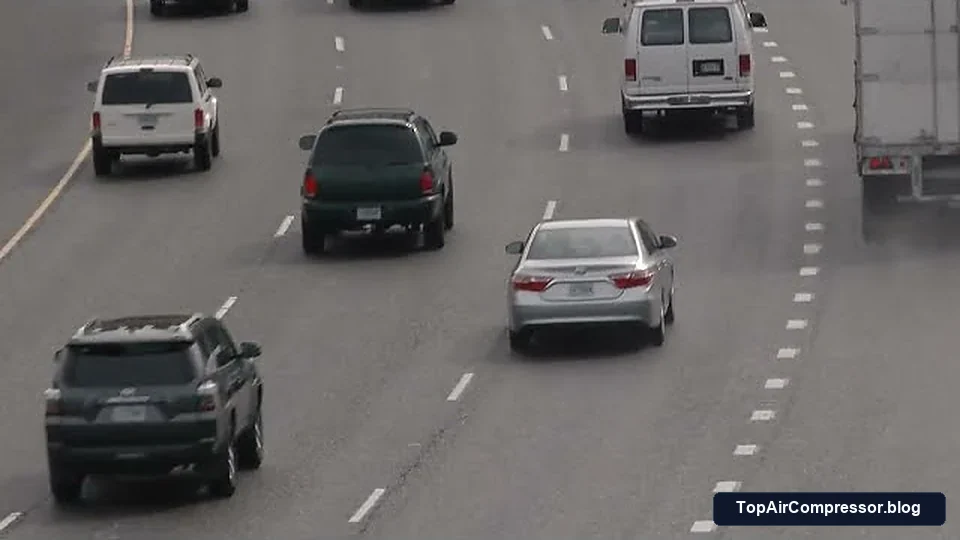
Underinflated tires create excessive rolling resistance against asphalt surfaces. This extra friction forces your engine to burn more fuel to maintain cruising speeds.
Maintaining correct PSI preserves the optimal tire contact patch. This ensures maximum rubber grip during emergency braking and sharp cornering maneuvers.
Overinflation creates a crown-shaped contact patch centered on the tread. This center strip wears down prematurely while reducing overall traction on wet roads.
Regular pressure checks pay for themselves through reduced fuel consumption. Keeping tires properly inflated also extends tread life by thousands of miles.
Proper tire inflation maximizes fuel efficiency by minimizing rolling resistance across the pavement. Underinflated tires flatten out, increasing friction and forcing your engine to burn extra fuel to maintain cruising speed.
The contact patch is the sole physical footprint connecting your vehicle to the road. Maintaining correct pressure ensures this rubber area distributes load evenly across the tread face for optimal grip dynamics.
Overinflated tires reduce the available contact patch, concentrating weight solely on the center tread ribs. This unnatural crown wear severely compromises cornering traction and shortens the overall tread lifespan.
Routine pressure checks pay for themselves through reduced fuel consumption and extended tire longevity. Environmental agencies estimate that millions of gallons are wasted annually simply due to chronic tire under-inflation.
- Calculate fuel economy changes after correcting chronic underinflation.
- Inspect tread patterns for signs of uneven edge wear.
- Prevent premature center tread destruction from high pressure.
- Optimize vehicle handling dynamics through precise inflation targets.
Environmental Impact of Proper Inflation
Fuel-efficient vehicles generate lower carbon emissions during daily commutes. Maintaining correct tire pressure contributes directly to environmental conservation efforts worldwide.
Longer lasting tires reduce manufacturing demands and landfill waste. Simple monthly checks provide significant ecological benefits over the lifespan of your vehicle.
- Reduce greenhouse gas emissions through optimal fuel burn.
- Minimize scrap tire generation by maximizing tread mileage.
Video Walkthrough: How to Properly Check and Fill Tires on Your Car
Best Practices for Routine Tire Maintenance
Establish a consistent monthly habit of checking all tire pressures. Include your spare tire in this routine inspection to ensure emergency readiness.
Examine tire sidewalls for bulges, cracks, and foreign objects. Catching minor structural defects early prevents catastrophic blowouts at high highway speeds.
Rotate your tires every six thousand miles to promote even wear. Combine this service with professional wheel balancing and alignment checks annually.
Investing five minutes every month saves money and protects passengers. Make proactive pneumatic maintenance an essential part of your vehicle ownership routine.
Establish a monthly maintenance schedule to check all four tires plus the spare wheel. Implementing a consistent habit catches slow leaks early before they transform into catastrophic roadside blowout emergencies.
Always replace missing valve caps immediately after inflating your tires. These small threaded covers protect delicate internal Schrader cores from road salt, moisture, and debris that cause slow pressure leaks.
Visually inspect your tread depth and sidewalls during every pressure check session. Look closely for embedded nails, sidewall bulges, or cracking rubber that signals an urgent need for professional tire repair service.
Combine your pressure checks with scheduled tire rotations every five to eight thousand miles. Balanced wear patterns ensure your inflation levels remain uniform and predictable across all four corner positions.
- Incorporate pressure checks into monthly fuel stops.
- Inspect tread depth using the traditional penny test method.
- Schedule regular wheel alignments to prevent steering pull.
- Keep emergency inflation kits stored safely in your trunk.
Inspecting Valve Stems for Leaks
Valve stems house delicate internal cores prone to slow air leaks. Apply soapy water around the stem opening to detect bubbling air loss.
Replace faulty valve cores immediately using a basic removal tool. This inexpensive repair stops persistent pressure drops and flat tires.
- Check valve stem flexibility for dry rot cracks.
- Install metal valve caps with rubber o-rings for seals.
Frequently Asked Questions
What is the standard tire pressure for most passenger cars?
Most passenger vehicles require between 32 and 35 PSI when tires are cold. Always verify this exact figure by reading the manufacturer placard located on the driver door jamb.
Why does cold weather cause my tire pressure warning light to turn on?
Lower ambient temperatures cause internal air molecules to contract significantly. This drop in temperature reduces overall PSI values, triggering dashboard sensors when thresholds fall too low.
Should I check my tire pressure when the tires are hot after driving?
Never check or adjust pressure immediately after sustained driving. Friction heats the internal air, causing false high readings that lead to dangerous underinflation once cooled.
How often should I check the air pressure in my car tires?
Inspect your tire pressures at least once every month using a reliable gauge. Regular checks prevent slow leaks from causing premature tread wear or reduced fuel economy.
Can I trust the maximum pressure printed on the tire sidewall?
Never use the sidewall maximum figure for daily driving needs. That number represents the structural limit of the tire rather than the optimized vehicle manufacturer recommendation.