What Is the Ideal Tire Pressure for SUV?
Discover the engineering principles behind correct SUV tire inflation. Learn how precise pressure management ensures optimal load handling and safety.

The ideal tire pressure for most standard SUVs ranges between 32 and 38 PSI cold, though you must always verify the exact manufacturer specification listed on the driver door jamb placard.
Looking for matching picks? See our Best Air Compressor For Suv Tires: Top Roadside Picks.
Practical Quick-Reference Table
| Scenario / Metric | Recommended Target | Why It Matters |
|---|---|---|
| Compact Crossover Cold PSI | 33 to 35 PSI | Ensures balanced handling and fuel efficiency for lighter unibody chassis platforms. |
| Mid-Size SUV Highway Load | 35 to 38 PSI | Supports heavier passenger and cargo weight without generating excessive tire sidewall heat. |
| Full-Size Truck-Based SUV | 38 to 42 PSI | Prevents dangerous tread squirm and premature shoulder wear under massive gross vehicle weights. |
| Off-Road Sand Traversal | 18 to 22 PSI | Increases tire footprint to prevent sinking and provide necessary flotation over loose terrain. |
| Winter Temperature Drop | Add 1 PSI per 10°F loss | Compensates for natural pressure loss caused by freezing ambient weather conditions. |
| Towing Heavy Trailers | Max placard rear rating | Stabilizes the rear axle against tongue weight transfer and maintains directional steering control. |
Engineering Baseline Pressures for Modern Sports Utility Vehicles
Sport utility vehicles require significantly higher tire pressures than standard passenger sedans due to their elevated center of gravity and substantially heavier gross vehicle weight ratings during daily highway operations.
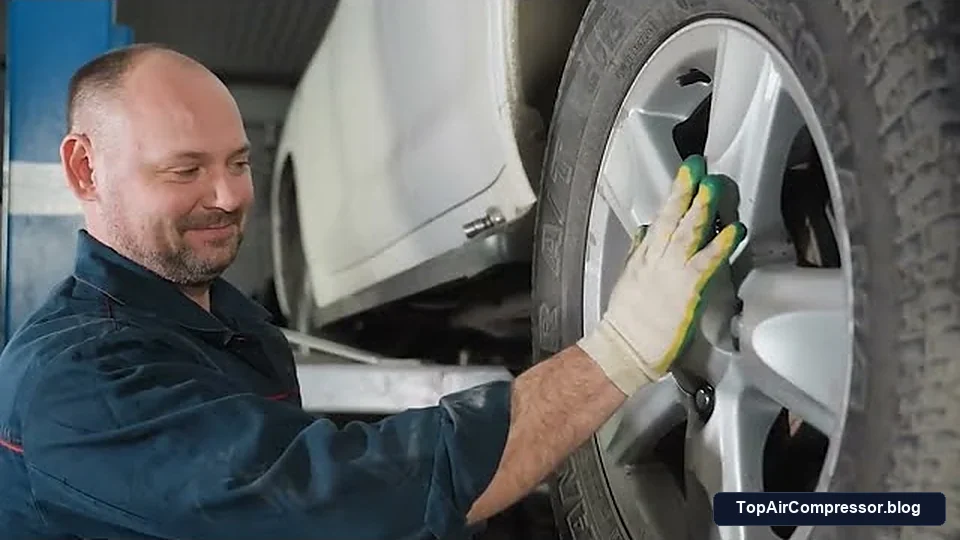
Engineers calculate these specific cold inflation targets to support dynamic loads while maintaining proper contact patch geometry, much like using our cfm tool sizing calculator to match pneumatic requirements precisely.
Modern SUVs typically require cold inflation pressures ranging from 32 to 36 PSI for standard passenger tires. Heavy-duty utility vehicles featuring light truck casings often demand 35 to 45 PSI depending on axle loads.
Engineers calculate these baseline thresholds using gross vehicle weight ratings and maximum payload capacities. Maintaining accurate pressures guarantees optimal contact patch distribution while preserving crucial braking stability across highway speeds.
- Heavier vehicle architectures demand higher structural load support from compressed air inside the tire cavity.
- Proper calibration prevents excessive sidewall flexing that generates destructive internal operating temperatures during sustained highway driving.
- Manufacturer baselines optimize rolling resistance to maintain expected fuel economy without sacrificing ride comfort or stability.
- Dynamic weight transfer during sudden maneuvers requires adequate pressure reserves to prevent catastrophic tread separation.
Differentiating Crossover Versus Truck-Based Platforms
Unibody compact crossovers utilize lighter frames and generally recommend 33 to 35 PSI, while body-on-frame full-size utility models require 38 to 42 PSI to manage heavy loads.
Recognizing your specific structural platform prevents dangerous underinflation issues when transitioning from empty cargo areas to fully loaded family road trip configurations.
- Unibody crossovers focus on passenger car ride quality combined with modest utility capacity.
- Body-on-frame platforms require higher PSI to support heavy towing and cargo payloads safely.
Decoding Vehicle Door Placards Versus Maximum Sidewall Limits
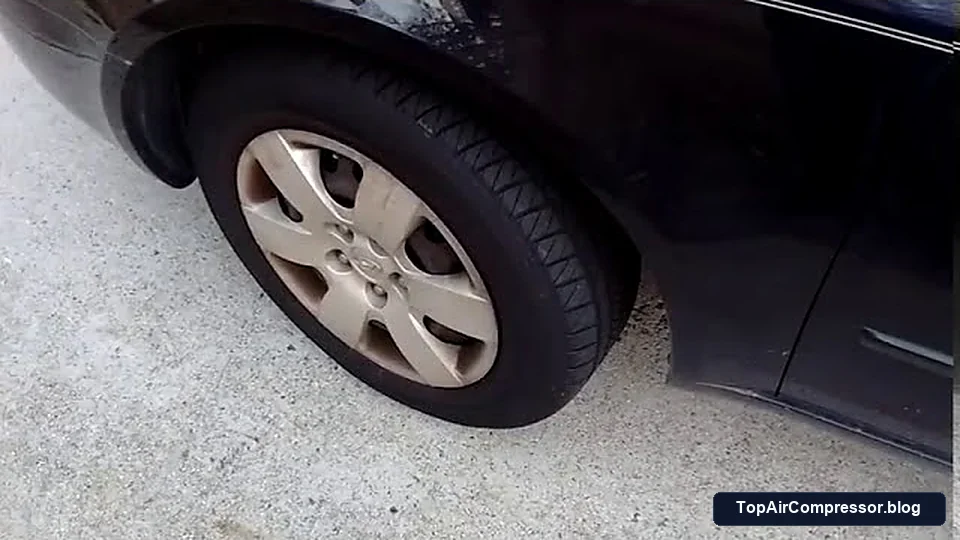
The driver-side door jamb sticker provides the only authoritative cold tire pressure specification engineered specifically for your vehicle weight distribution, axle loads, and factory wheel dimensions.
Never confuse this calibrated vehicle placard with the maximum pressure rating stamped directly onto the rubber tire sidewall, which indicates absolute structural limits rather than daily operating targets.
When maintaining your vehicle, consult our best portable tire inflator for suv guide to easily achieve accurate daily inflation targets without confusing them with absolute structural tire sidewall ratings.
Sidewall figures represent structural limits under absolute maximum loads rather than recommended daily operating targets. Exceeding placard numbers to match sidewall ratings creates a harsh ride quality and accelerates center tread wear.
- Door jamb placards account for vehicle-specific weight distribution and suspension geometry dynamics.
- Sidewall maximum ratings represent absolute safety boundaries for seating beads rather than comfortable driving pressures.
- Ignoring vehicle placards in favor of sidewall maximums creates an overly rigid ride and harsh impacts.
- Always verify placard guidelines after installing alternative aftermarket wheel or tire size configurations.
Interpreting Tire Sidewall Data Markings Correctly
Tire sidewalls display critical manufacturing codes, load index ratings, and size dimensions like 235/65R18, but they never state the correct operational pressure for your specific chassis.
Reading these alphanumeric sequences helps you identify replacement tire compatibility while reinforcing the vital distinction between structural maximums and daily recommended vehicle inflation targets.
- Sidewall size markings define physical width, aspect ratio, and internal rim diameter.
- Load index numbers correspond to certified weight capacity charts provided by industry standards.
Video Walkthrough: STOP Using 32 PSI — The Tire Pressure That ACTUALLY Works in 2026
Thermal Dynamics and Cold Inflation Pressure Principles
Accurate tire pressure checks must always be performed when tires are completely cold, allowing our best portable tire inflator for trucks reviews to help you find reliable tools for the job.

As tires roll along hot asphalt, internal friction and flexing generate heat that causes trapped air molecules to expand, artificially elevating pressure readings by four to six PSI.
Always measure tire pressure when the vehicle has been parked for at least three hours or driven under one mile. Ambient temperature fluctuations directly impact internal pressures, shifting approximately one PSI for every ten-degree Fahrenheit change.
Solar radiation and friction generate operational heat that naturally inflates tires during transit. Mechanics must never bleed air from hot tires because cooling down will trigger severe low pressure warnings later that evening.
- Cold pressure measurements establish a reliable baseline before operational heat alters internal air volume.
- Driving friction causes normal heat buildup that temporarily inflates pressure readings during mid-trip checks.
- Never bleed air from hot tires on the highway, as this creates severe underinflation once cooling occurs.
- Ambient temperature swings require monthly calibration adjustments to maintain stable baseline inflation levels.
Calculating Ambient Temperature Pressure Variations
For every ten degrees Fahrenheit drop in ambient outdoor temperature, your SUV tires lose approximately one PSI of internal air pressure due to thermal contraction.
Autumn seasonal transitions frequently trigger dashboard pressure warnings simply because dropping overnight temperatures shrink the air volume trapped inside your vehicle tires.
- Temperature drops cause air molecules to contract and reduce overall internal pressure.
- Seasonal adjustments prevent nuisance warning lights and maintain structural tread contact patches.
Operational Hazards of Severe Underinflation and Overinflation
Severe underinflation forces the tire to rest heavily on its outer shoulders, creating excessive flexing, high internal operating temperatures, and a catastrophic risk of tread separation at highway speeds.
Conversely, chronic overinflation concentrates all vehicle weight onto the narrow center tread band, reducing emergency braking traction, accelerating center wear, and delivering an uncomfortably harsh ride quality.
Running an SUV on underinflated tires increases rolling resistance and causes excessive internal casing flex. This thermal buildup frequently triggers catastrophic tread separation and dramatically increases total stopping distances on wet roadways.
Conversely, overinflated tires reduce the available contact patch, diminishing cornering grip and overall vehicle stability. Drivers will experience compromised suspension feedback alongside accelerated shoulder damage or rapid center tread deterioration.
- Underinflated tires increase rolling resistance, burning extra fuel and straining engine power outputs.
- Overinflation reduces the crucial contact patch area needed for safe wet-weather stopping distances.
- Both extreme conditions compromise steering responsiveness and accelerate irregular tire replacement cycles.
- Balanced pressure preservation protects expensive suspension components from premature shock absorber wear.
Recognizing Abnormal Wear Patterns Caused by PSI Errors
Inspect your tread depths regularly to diagnose chronic pressure neglect before structural damage destroys expensive rubber sets prematurely across all four wheel positions.
Dual shoulder feathering clearly indicates sustained underinflation, while smooth center baldness proves that your tires operated with excessive air pressure for extended periods.
- Outer rib wear confirms consistent underinflation during daily commuting cycles.
- Center strip wear highlights chronic overinflation past recommended manufacturer thresholds.
Customizing Air Pressures for Off-Road Terrain and Sand
When venturing onto soft sand, deep mud, or rocky trails, lowering your SUV tire pressure creates a longer contact patch that dramatically increases flotation and traction performance.
Always use a dependable unit from our best air compressor for the money options to reinflate your tires back to standard highway placard specifications immediately before returning to paved roads.
Navigating deep sand or jagged rocky trails requires deliberate deflation to expand the tire footprint. Dropping highway pressure down to 15 to 20 PSI distributes vehicle weight effectively across loose shifting surfaces.
Operating at lowered off-road pressures demands careful driving speeds to prevent dangerous bead unseating events. Always utilize an accurate portable air compressor to restore normal highway specifications before entering paved roads.
- Aired-down tires wrap around sharp rocks instead of puncturing under high localized stress points.
- Soft sand flotation requires dropping pressure significantly to prevent the heavy vehicle from digging in.
- Low off-road pressures demand reduced driving speeds to prevent unseating beads from wheel rims.
- Always carry a digital compressor to restore proper highway pressures before driving home.
Safe Deflation Limits for Specialized All-Terrain Tires
Standard highway tires should never drop below twenty PSI off-road without beadlock wheels, while heavy all-terrain variants can safely handle eighteen PSI for short durations.
Exceeding safe deflation limits on standard rims risks allowing debris to enter the bead seal, causing sudden air loss and stranded vehicle recovery situations.
- Respect structural tire limitations when lowering pressure for recreational trail driving.
- Use dedicated tire deflators to manage exact pressure drops efficiently in remote areas.
Video Walkthrough: Olight sale
Seasonal Climate Shifts and Modern Monitoring Systems
Modern Tire Pressure Monitoring Systems utilize electronic sensors inside each wheel to alert drivers whenever pressure drops twenty-five percent below the recommended cold safety baseline.
While these dashboard warning systems prevent catastrophic failures, they should never replace manual monthly gauge checks because TPMS cannot detect uniform pressure loss across all four tires.
Seasonal transition periods demand proactive pressure adjustments to compensate for sweeping ambient temperature drops. Modern direct tire pressure monitoring systems will illuminate dashboard warnings whenever pressures fall 25 percent below the recommended baseline.
Technicians should regularly inspect valve stems and internal sensor batteries during routine tire rotations. Maintaining reliable sensor hardware prevents false alerts and guarantees accurate readings throughout extreme winter and summer driving cycles.
- Electronic sensors provide immediate alerts for sudden punctures and slow structural air leaks.
- Manual gauge verification remains essential for catching subtle pressure discrepancies across all wheels.
- Winter weather demands frequent monitoring to counteract rapid temperature-induced pressure drops.
- Proper sensor maintenance ensures reliable safety data transmission to your dashboard display screen.
Step-by-Step Calibration Using Portable Compressors
Connect your portable 12-volt air compressor to the vehicle accessory port, attach the brass chuck securely to the valve stem, and monitor the digital gauge carefully.
Add short bursts of compressed air until you reach the exact cold PSI target listed on your door jamb, then replace the valve cap to block moisture.
- Verify power connections before beginning the tire inflation maintenance routine.
- Check final pressures twice with a handheld gauge for absolute measurement accuracy.
Frequently Asked Questions
What is the standard ideal tire pressure for most mid-size SUVs?
Most mid-size sports utility vehicles operate safely at 35 PSI cold during normal daily highway driving conditions. Always check your specific driver door sticker to confirm exact factory requirements.
Should I adjust my SUV tire pressure when towing a heavy trailer?
Yes, you should inflate your rear tires to the maximum placard rating when towing heavy loads. This compensates for increased tongue weight and prevents dangerous axle squat.
Why does my SUV tire pressure drop when winter weather arrives?
Cold ambient temperatures cause air molecules to contract, resulting in a loss of about one PSI per 10°F drop. Regular monthly winter top-offs keep your tires properly inflated.
Is it safe to check and adjust tire pressure when the tires are hot?
You should avoid adjusting hot tires because driving friction artificially raises internal pressure readings by four to six PSI. Always wait three hours for accurate cold measurements.
What happens if I inflate my SUV tires to the maximum sidewall limit?
Inflating to the sidewall maximum creates an uncomfortably stiff ride, reduces braking traction, and causes premature center tread wear. Always follow the vehicle door jamb placard instead.