What Is the PSI for a Toyota Camry?
Maintaining correct tire pressure ensures optimal fuel economy and superior vehicle safety. Always consult your factory door jamb placard before inflating your passenger tires.

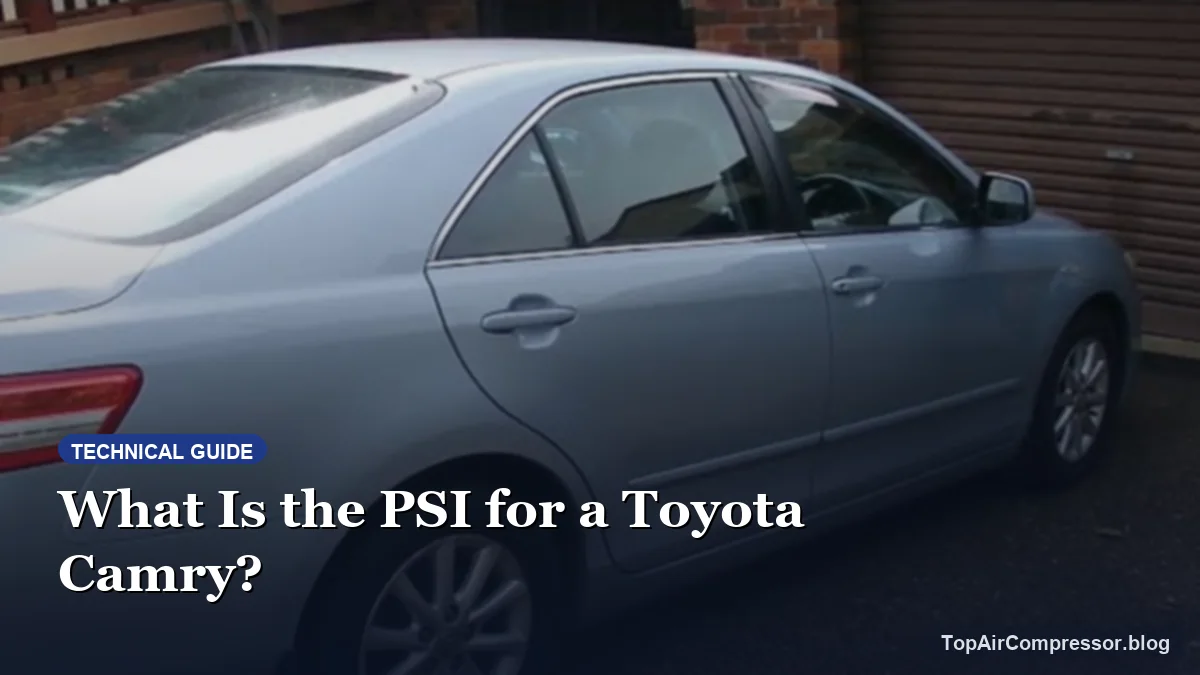
Most modern Toyota Camry models require 35 PSI for optimal handling and tread wear. Always verify your specific trim requirements on the door jamb placard.
Looking for matching picks? See our Best 150 Psi Air Compressor: Top Garage Picks (2026).
Practical Quick-Reference Table
| Scenario / Metric | Recommended Target | Why It Matters |
|---|---|---|
| Standard Trims | 35 PSI Cold | Factory specified baseline for optimal ride comfort. |
| Sport Trims (19-inch) | 35-36 PSI Cold | Higher load index requirements for larger wheel packages. |
| Hybrid Models | 36 PSI Cold | Compensates for added battery weight and rolling resistance. |
| Cold Weather Drop | +1 PSI per 10°F drop | Prevents under-inflation during seasonal temperature swings. |
| Max Sidewall Rating | Avoid (e.g., 51 PSI) | Never use tire sidewall maximum pressure for daily driving. |
| Emergency Spare | 60 PSI | Compact temporary spares require significantly higher pressure ratings. |
Decoding Factory Tire Placard Specifications
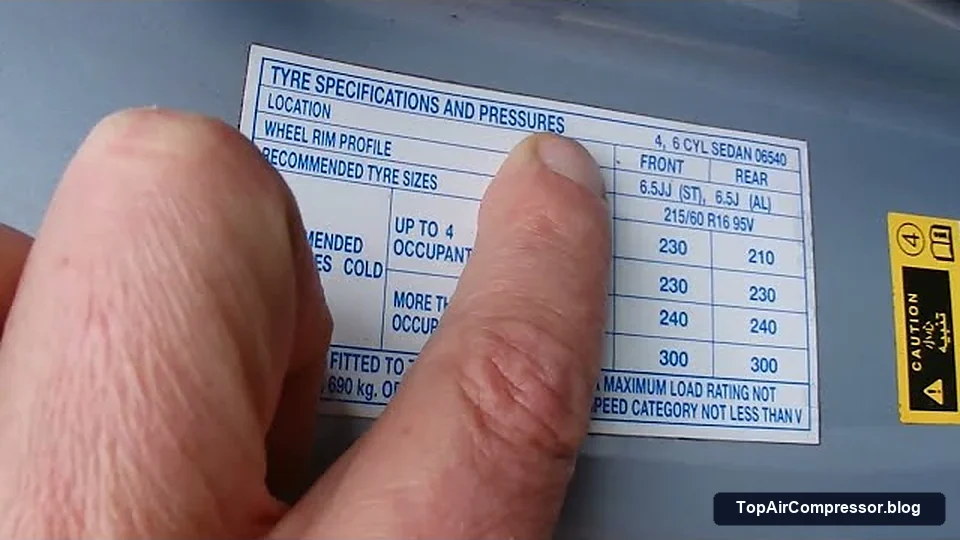
Locating the manufacturer tire placard is the absolute first step for any accurate inflation routine. You will typically find this yellow certification sticker attached directly to the driver side door pillar.
This critical label displays the official cold pressure specifications established by automotive engineers. Never rely on the maximum figures stamped directly onto the rubber sidewall of your passenger tires.
Factory engineers calculate these exact PSI targets based on vehicle weight distribution and suspension geometry. Following these guidelines guarantees optimal braking distances, predictable cornering dynamics, and extended tread life.
While heavy workshop setups require a best 60-gallon air compressor for the money, portable gauges must be calibrated regularly. Ignoring the placard leads to premature tire degradation and compromised safety.
Always locate the official manufacturer tire information placard attached to the driver door jamb. This yellow and white sticker displays the exact cold pressure requirements for your specific Camry vehicle configuration.
Never rely on the maximum pressure rating molded onto the tire sidewall. That figure represents the upper structural limit, not the optimized PSI baseline engineered for smooth daily driving and load capacity.
Factory engineers calculate these specific psi numbers based on vehicle weight distribution, braking performance, and suspension geometry. Ignoring these OEM standards compromises your sedan handling and accelerates tread wear.
Check your tire placard whenever factory wheel sizes are modified or aftermarket rims are installed. Different tire aspect ratios often require adjusted inflation pressures to maintain proper contact patch geometry.
- Open the driver side door and locate the yellow safety compliance certification sticker.
- Note the exact front and rear cold tire pressure numbers listed in bold text.
- Ignore the maximum pressure limit printed on the external black tire sidewall.
- Inspect the placard whenever you rotate tires or install new rubber components.
Finding Vehicle Information Labels Quickly
Some older models might place the inflation table inside the glove compartment door or fuel filler flap. Always consult your owner manual if the primary door pillar sticker is damaged.
Mechanics use these factory guidelines to ensure vehicle stability during routine safety inspections and maintenance. Proper documentation review prevents costly handling errors and uneven tread wear patterns over time.
- Check glove box compartments for secondary factory warning labels.
- Consult authorized digital service manuals for missing placard data.
Trim-Specific Pressure Variations Across Generations
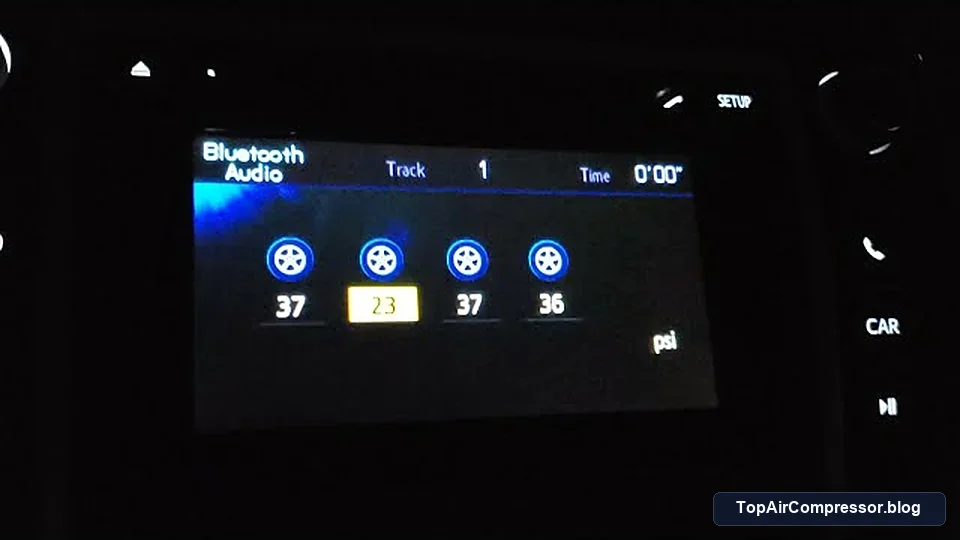
Different Toyota Camry trim levels feature varying wheel diameters and suspension setups that alter pressure requirements. Standard LE and XLE models equipped with smaller rims usually demand a steady baseline.
Sportier SE and XSE configurations often utilize larger alloy wheels paired with lower profile tires. These performance-oriented packages occasionally require slightly adjusted cold inflation values to support dynamic cornering loads.
Hybrid variants carry additional electrical battery weight positioned strategically throughout the chassis architecture. Consequently, hybrid editions frequently specify higher PSI ratings to compensate for increased gross vehicle mass.
Always cross-reference your specific model year and trim package against the physical door jamb sticker. Never assume all Camry variants share a single universal inflation number across every production generation.
Just as precision painters rely on the best psi for airbrushing models, Camry owners need exact figures. Base trims typically require 35 PSI for optimal fuel economy across standard wheel sizes.
Hybrid variants of the Toyota Camry incorporate regenerative braking systems and heavier battery packs. These mechanical additions rarely alter the door placard recommendation, but verifying the vehicle placard remains mandatory practice.
Older Camry generations from the early 2000s commonly specified lower pressures around 30 PSI. Transitioning to modern high-pressure tires means you must respect current OEM specifications rather than relying on old habits.
Sport-oriented TRD trims feature unique suspension tuning and lower-profile tires designed for enhanced cornering grip. Always cross-reference your specific VIN door sticker because sport variants can demand distinct cold inflation parameters.
- Base LE trims generally target standard baseline pressures for ride comfort.
- Sport trims with larger wheels may require minor pressure adjustments.
- Hybrid models demand careful verification due to increased curb weight.
- Review door placards after purchasing aftermarket wheels or different tire sizes.
Evaluating Aftermarket Wheel Upgrades
Installing larger aftermarket rims changes the internal air volume and load-carrying capacity of your tires. You must calculate new pressure baselines to prevent dangerous sidewall flexing during sharp maneuvers.
Consult professional tire technicians before changing factory wheel dimensions on modern passenger sedans. Maintaining correct load indexes preserves stability control systems and prevents premature suspension component failure.
- Match replacement tires to original factory load index ratings.
- Consult local specialists for custom wheel pressure calculations.
Video Walkthrough: Toyota Camry (2018-2024): Recommended Tire Pressure.
Understanding Cold Inflation Pressure Mechanics
Industry standards dictate that all tire pressure measurements must be taken when the vehicle is completely cold. Tires are considered cold after sitting parked for at least three consecutive hours.
Driving friction generates internal heat that causes compressed air molecules to expand rapidly inside the chamber. Measuring warm tires will yield artificially high pressure readings that mask dangerous under-inflation.
Ambient outdoor temperatures also heavily influence your tire pressure during seasonal weather shifts. For every ten degree Fahrenheit drop, your tires will lose approximately one PSI of internal air pressure.
Checking pressures early in the morning before direct sunlight hits the vehicle guarantees maximum accuracy. Reliable pneumatic maintenance begins with understanding these fundamental thermodynamic principles affecting compressed gases.
True cold inflation pressure must be measured after your Camry has sat parked for at least three hours. Driving generates internal friction that heats up compressed air, artificially inflating your gauge readings.
Ambient air temperature directly influences tire pressure fluctuations throughout changing seasons. Expect a loss of approximately one PSI for every ten-degree drop in outdoor Fahrenheit thermometers during winter months.
Measuring tires in direct sunlight can skew your gauge measurements by raising internal tire temperatures. Always check pressures in a shaded garage or wait until morning for the most accurate baseline.
Never release air from a hot tire to correct perceived over-inflation after highway driving. As the rubber cools down naturally, that pressure will drop below safe manufacturer thresholds, creating a dangerous scenario.
- Measure tire pressure only after the vehicle has rested for three hours.
- Account for outdoor temperature fluctuations during seasonal climate transitions.
- Add one PSI for every ten-degree drop in ambient air temperature.
- Avoid bleeding air from warm tires driven on local roadways.
Compensating for Morning Frost and Winter Weather
Winter storms cause significant pressure drops across all four vehicle tires simultaneously. Inspecting your pneumatic levels weekly during freezing months prevents unexpected warning lights and poor traction.
Keep a reliable best air compressor for the money in your trunk to handle emergency top-offs during severe cold snaps. This equipment ensures you can restore correct pressure levels without visiting service stations.
- Test tire pressures weekly during extended freezing weather patterns.
- Stow a portable inflator in your trunk for roadside emergencies.
Hazards of Under-Inflation and Over-Inflation
Under-inflation creates excessive flexing along the tire sidewall, generating destructive internal heat buildup. This dangerous condition drastically increases fuel consumption, accelerates shoulder tread wear, and invites sudden structural blowout failures.
Conversely, over-inflating your tires reduces the crucial contact patch between rubber and asphalt surfaces. This mistake compromises emergency braking performance, diminishes ride comfort, and causes rapid center-tread wear.
Maintaining proper inflation preserves the delicate balance required for optimal stopping distances and stability control. Drivers who monitor their pressures regularly enjoy superior fuel economy and extended tire lifespans.
Avoiding both extremes protects your suspension components from absorbing harsh impacts transmitted by poorly cushioned wheels. Systematic pressure checks remain the single most effective preventive maintenance task available.
Under-inflation increases sidewall flexing, generating excessive internal heat that can lead to catastrophic tread separation. This dangerous condition also increases rolling resistance, sharply reducing your fuel economy and engine efficiency.
Conversely, severe over-inflation reduces the tire contact patch, concentrating all vehicle weight onto the center tread. This causes rapid, uneven center wear and significantly compromises your emergency braking distance.
Both extreme pressure conditions negatively impact the suspension components of your Camry. Potholes and road hazards transmit harsher impacts through over-inflated sidewalls, damaging delicate wheel alignments over time.
Maintaining proper inflation balances grip, comfort, and longevity across all four tires. Routine monthly checks prevent uneven tread degradation and preserve the responsive handling dynamics engineered into your sedan chassis.
- Under-inflation causes severe heat buildup and potential structural blowouts.
- Over-inflation reduces traction patches and compromises emergency braking capabilities.
- Balanced pressure optimization maximizes overall fuel economy and tread life.
- Proper inflation protects suspension bushings from premature mechanical stress.
Monitoring Tread Wear Anomalies Effectively
Inspecting tread patterns reveals whether your daily operating pressures are adjusted correctly. Feathering or bald shoulders indicate chronic under-inflation, while bald center strips highlight excessive pressure conditions.
Use a dependable tread depth gauge alongside your digital pressure inflator during monthly walkaround inspections. Catching wear patterns early saves money and prevents unexpected highway safety hazards.
- Inspect shoulder treads for signs of excessive edge wear.
- Check center tread strips for signs of over-inflation damage.
Resetting and Calibrating the TPMS System
Modern Toyota Camry vehicles utilize direct tire pressure monitoring systems with in-wheel radio sensors. When you correct low pressure, the dashboard warning light should extinguish automatically after short driving sessions.
If the warning indicator persists or flashes intermittently, your sensor battery may require professional replacement. You can also trigger manual recalibration using the dashboard settings menu on newer digital displays.
Locate the physical TPMS set button typically hidden beneath the lower steering column dash panel. Turn the ignition to the ON position, press and hold the button until the indicator blinks slowly.
Allow the vehicle to idle or drive at moderate speeds for twenty minutes to complete sensor synchronization. Understanding this reset procedure eliminates unnecessary trips to dealership service centers for routine maintenance.
Modern Toyota Camry models feature direct tire pressure monitoring systems using wireless sensors inside every wheel. After correcting your pressures, you must often initialize the TPMS reset button located beneath the steering column.
Turn the ignition switch to the on position without starting the engine to begin calibration. Press and hold the reset switch until the dashboard indicator light blinks slowly three times, confirming sensor learning.
Allow your vehicle to remain parked or drive continuously for up to twenty minutes to complete data transmission. If the warning light persists, inspect individual tire pressures using a calibrated gauge.
When outfitting a service bay or utilizing our cfm tool sizing calculator for pneumatic lines, mechanics quickly diagnose faulty hardware. Persistent dashboard warnings usually indicate dead internal sensor batteries.
- Drive above twenty miles per hour to clear resolved sensor warnings.
- Locate the physical reset button underneath the steering column area.
- Hold the calibration switch until the dashboard indicator blinks slowly.
- Consult your owner manual for digital menu reset instructions.
Troubleshooting Persistent Sensor Faults
A flashing TPMS indicator usually points toward a system malfunction rather than low air pressure. Defective wheel sensors or dead internal lithium batteries prevent proper wireless communication with the vehicle computer.
Visit a certified tire service center to scan individual sensor health using specialized diagnostic tools. Replacing damaged transmitters restores full dashboard monitoring capabilities for enhanced everyday safety.
- Distinguish between solid low-pressure warnings and flashing system errors.
- Replace damaged wheel sensor assemblies during scheduled tire changes.
Essential Equipment for Precise Air Delivery
Utilizing quality pneumatic tools ensures accurate inflation without guessing or risking over-pressurization accidents. Digital inflators featuring auto-shutoff capabilities provide superior precision compared to analog gauges found at public stations.
Portable 12-volt DC compressors connect directly to your vehicle auxiliary power outlet for convenient roadside operation. Always verify that your chosen pump features a clear, calibrated pressure display unit.
Brass air chucks create secure connections on valve stems to prevent frustrating pressure leaks during inflation. Investing in reliable garage equipment transforms tedious monthly maintenance into a quick, straightforward chore.
Keep a dedicated pencil gauge in your glove box as a reliable backup measurement tool. Mechanical gauges operate without batteries, ensuring you can verify pressures anywhere regardless of electrical power availability.
Achieving exact pressure targets requires reliable equipment like a digital inflator with a braided rubber hose. Cheap pencil gauges frequently stick or misread pressure values by several PSI units.
Portable 12-volt DC air compressors plugging into your vehicle accessory outlet offer exceptional convenience for roadside top-offs. Ensure your chosen pump includes an automatic shut-off feature to prevent accidental over-inflation.
Brass air chucks provide a secure, leak-free connection over standard valve stems during inflation sessions. Look for locking lever designs that free both hands for monitoring the digital readout.
Keep spare Schrader valve cores and plastic protective caps inside your glove compartment to prevent slow leaks. Moisture and road salt can corrode valve mechanisms, causing chronic pressure loss.
- Choose digital inflators with programmable auto-shutoff features for safety.
- Inspect air hoses and brass fittings regularly for visible cracks.
- Keep a reliable backup mechanical pencil gauge in your glove box.
- Ensure your portable compressor matches vehicle electrical output limits.
Calibrating Your Garage Pressure Gauges
Analog and digital gauges drift out of calibration over time due to accidental drops and vibration. Compare your primary gauge against a certified reference tool annually to maintain absolute measurement precision.
Inaccurate gauges cause chronic over-inflation or under-inflation despite your best maintenance efforts. Regular tool verification protects your automotive investment and ensures optimal fuel efficiency year-round.
- Compare garage gauges against certified reference standards annually.
- Discard damaged or dropped gauges immediately to prevent errors.
Seasonal Maintenance and Long-Term Wear Prevention

Establishing a consistent monthly maintenance schedule prevents minor pressure losses from compounding into major problems. Make checking your Toyota Camry tire pressures a routine habit before long road trips.
Remove valve stem caps carefully and inspect them for internal rubber seals that prevent moisture ingress. Replace missing or cracked caps immediately to protect delicate brass valve cores from freezing debris.
Rotate your tires every five thousand miles to ensure even tread wear across all positions. Combining regular tire rotations with precise monthly pressure checks maximizes the functional lifespan of your rubber.
Proper preventative care guarantees dependable vehicle handling, maximum fuel economy, and absolute peace of mind. Master these simple pneumatic upkeep procedures to protect your vehicle investment for years ahead.
Establishing a monthly maintenance schedule safeguards your tires against premature aging and uneven tread wear patterns. Check pressures during seasonal shifts when dramatic temperature swings alter internal air volume.
Rotate your Camry tires every five thousand to eight thousand miles to promote balanced wear across all positions. Technicians should verify correct inflation pressures immediately following every wheel rotation.
Inspect tire sidewalls regularly for bulges, cracking, or embedded foreign objects like sharp nails or screws. Catching minor punctures early prevents catastrophic blowouts during high-speed highway driving.
Adhering to these rigorous maintenance protocols maximizes tire lifespan and optimizes your Toyota Camry fuel economy. Consistency in pressure management delivers superior vehicle safety and predictable handling.
- Check all four tire pressures plus the spare every single month.
- Install protective valve stem caps to prevent moisture and debris damage.
- Rotate tires every five thousand miles for even tread distribution.
- Combine monthly pneumatic checks with fluid and brake inspections.
Storing Portable Compressors Safely in Vehicles
Secure portable air compressors inside trunk storage compartments to prevent sliding during sharp turns. Extreme cabin temperatures can damage internal digital display screens and lithium power packs if left exposed.
Inspect power cords and accessory plugs periodically for frayed wiring or blown internal fuses. Proper equipment storage ensures your emergency inflation kit remains fully operational whenever urgent situations arise.
- Secure portable air compressors tightly inside trunk storage trays.
- Protect electronic inflators from prolonged direct summer sunlight exposure.
Frequently Asked Questions
What is the standard PSI for a Toyota Camry?
Most standard Toyota Camry passenger cars require 35 PSI for optimal tire performance, steady fuel economy, and balanced vehicle handling across various daily driving conditions.
Always carefully check your specific driver side door jamb placard to confirm exact manufacturer specifications for your unique trim level before starting any garage inflation work.
Should I use the maximum PSI printed on the tire sidewall?
Never use the maximum pressure rating printed on your tire sidewall for routine daily driving. That specific figure represents the structural limit for maximum load capacity, not the recommended factory baseline pressure designed for your sedan's comfort.
How often should I check my Toyota Camry tire pressure?
You should inspect your tire pressures at least once every month using a calibrated digital gauge. Checking pressures regularly prevents uneven tread wear and ensures optimal fuel economy performance during highway commutes.
Why does my TPMS warning light stay on after adding air?
Driving your vehicle above twenty miles per hour for a few minutes usually resets the system. If the light remains solid or flashes, consult your owner manual for manual recalibration steps specific to your model year.
Does cold weather affect my Toyota Camry tire pressure?
Ambient temperature drops cause internal compressed air molecules to contract significantly during winter months. You will typically lose one PSI of pressure for every ten degree temperature drop recorded in your local area.