What Is the PSI for My Car?
Discover the exact manufacturer-specified tire pressure for your vehicle. Proper inflation ensures optimal safety and fuel economy.

Always consult the driver door jamb placard rather than the tire sidewall to find your vehicle's correct cold tire pressure.
Looking for matching picks? See our Best Air Compressor For Car Tools: Top Picks for 2026.
Practical Quick-Reference Table
| Scenario / Metric | Recommended Target | Why It Matters |
|---|---|---|
| Standard Passenger Sedan | 32 to 35 PSI | Balances ride comfort, braking grip, and even tread wear. |
| Mid-Size SUV / Crossover | 35 to 38 PSI | Supports heavier vehicle weight and dynamic body roll. |
| Full-Size Pickup Truck | 36 to 40 PSI front / 40+ rear | Handles heavy cargo loads without excessive tire flex. |
| Cold Tire Baseline | Checked before driving | Accurately measures gas pressure before friction builds heat. |
| Winter Temperature Drop | +1 to +2 PSI per 10°F drop | Compensates for natural pressure loss in freezing weather. |
| Maximum Sidewall Rating | Never exceed printed limit | Prevents catastrophic structural failure during inflation. |
Locating Your Vehicle’s Manufacturer-Specified Tire Pressure
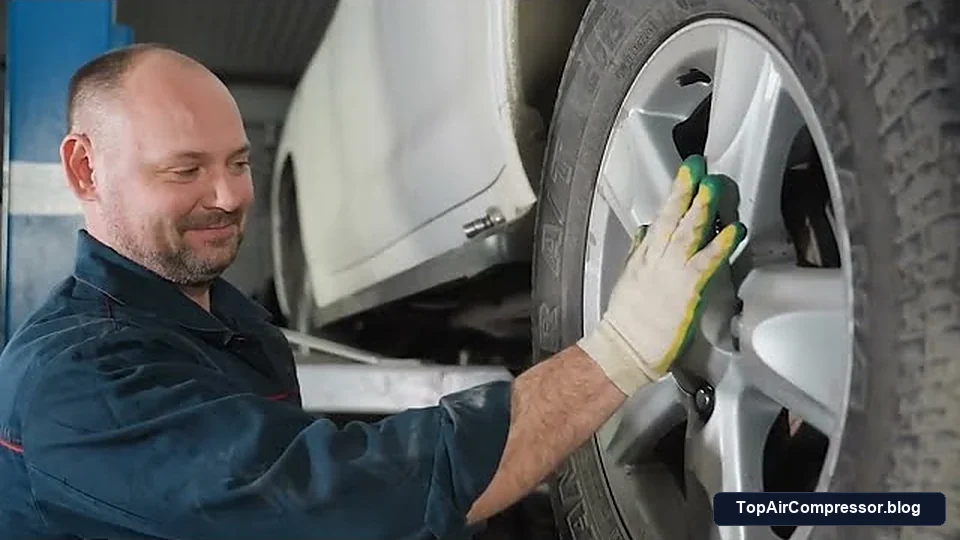
Finding the correct PSI rating for your car requires looking beyond casual guesses. Automobile manufacturers engineer precise pressure thresholds for every specific vehicle model and axle weight.
Your vehicle's primary pressure specification lives permanently on a certified compliance label affixed to the chassis. Checking this placard guarantees safe handling before you test pneumatic tools using our CFM and tank sizing calculator.
Finding your precise cold tire pressure requires opening the driver-side door and examining the permanent federal certification placard affixed to the B-pillar, which lists exact front and rear PSI ratings.
If the door jamb sticker is faded or missing, consult your physical owner manual or check the glove box interior where manufacturers often print secondary reference charts for varying passenger loads.
- Locate the metal or paper placard on the driver-side door jamb.
- Check inside the glove box or fuel filler door if the jamb lacks data.
- Verify front and rear axle requirements since they often differ significantly.
- Ignore generic numbers printed directly on the rubber tire outer sidewall.
Reading the Door Jamb Placard Correctly
Open your driver door and locate the white and yellow safety certification sticker. This permanent placard lists the official gross vehicle weight rating alongside recommended cold pressures.
Match your exact tire size designation listed on the placard with the rubber currently mounted on your wheels. Discrepancies require consulting dealership service advisors for proper guidance.
- Identify the tire size code matching your current factory wheels.
- Note separate pressures designated for front and rear tire positions.
- Observe maximum occupant and cargo load limits noted on the sticker.
Why Tire Sidewall Markings Do Not Indicate Your Target Pressure
Many motorists mistakenly inflate their tires to the maximum limit printed on the rubber. That stamped figure represents the absolute maximum pressure the tire structure can safely tolerate.
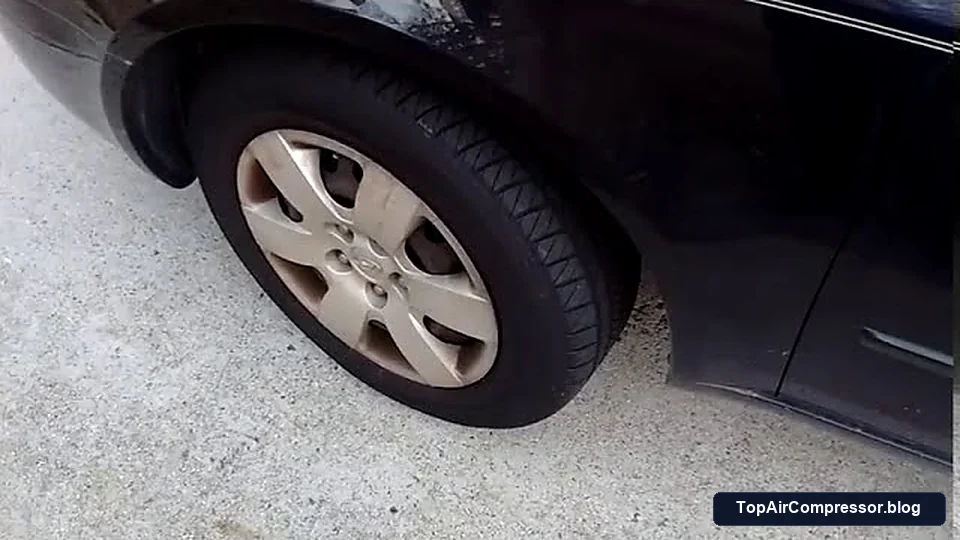
Inflating your tires to the sidewall maximum creates a harsh, jarring ride quality. It also reduces your contact patch, accelerating center tread wear and compromising braking grip.
Many motorists mistakenly look at the raised lettering on the tire sidewall, but this figure displays the maximum pressure limit rather than the ideal operating PSI recommended for your specific car.
Inflating tires to the maximum limit printed on the rubber creates a harsh, bouncy ride, significantly reduces contact patch traction, and accelerates center-tread wear during normal daily driving conditions.
- Sidewall figures denote structural burst limits, not ride targets.
- Using maximum sidewall PSI causes excessive center tread scrubbing.
- Vehicle manufacturers tune suspension compliance around lower, balanced pressures.
- Always prioritize the chassis placard over the raw tire casing stamp.
Differentiating Maximum Ratings from Optimal Specs
Tire manufacturers build casings to withstand high pressures during heavy industrial testing. Your car maker optimizes those exact casings for lighter everyday driving comfort.
Following the chassis sticker ensures your tires flex correctly over road bumps. This balancing act protects your suspension components from premature mechanical fatigue and shock.
- Recognize that tire makers and car makers have different design goals.
- Chassis placards account for vehicle weight distribution and braking dynamics.
Video Walkthrough: What Is The Correct Tire Pressure For Your Car? Fast \u0026 Easy!
Understanding Cold Tire Pressure and Ambient Temperature Shifts
Accurate pressure measurement requires checking your tires when they are completely cold. A cold tire is defined as a vehicle that has remained stationary for at least three hours.
Driving generates intense internal friction that heats up the trapped air inside your tires. This thermal expansion alters readings, making tools from our best air pumps for car tires lineup essential.
Always measure your tires when they are completely cold tire pressure, meaning the vehicle has been parked for at least three hours or driven under one mile at moderate speeds.
As ambient temperatures fluctuate, expect your tire pressure to change by roughly one PSI for every ten-degree Fahrenheit shift, requiring frequent adjustments during changing spring and autumn weather patterns.
- Never measure tire pressure immediately after highway commuting.
- Direct morning sunlight can also warm one side of a parked vehicle.
- Always adjust pressures before embarking on long road trips.
- Use a high-accuracy digital gauge for repeatable baseline measurements.
How Ambient Weather Alters Your Tire Pressure
For every ten-degree drop in outdoor temperature, your tires lose approximately one PSI. Winter cold snaps routinely trigger dashboard warning lights across entire metropolitan regions.
Conversely, summer heat waves increase internal pressures as ambient temperatures soar. Regular monthly checks prevent hazardous over-inflation conditions during scorching afternoon commutes.
- Expect a 1 PSI loss for every 10°F temperature decrease.
- Re-check pressures during seasonal weather transition periods.
The Dangerous Impacts of Under-Inflation and Over-Inflation
Running low tire pressure creates massive structural stress on the rubber sidewalls. The resulting excessive flex generates dangerous internal heat that can trigger catastrophic tread separation.
Under-inflated tires also increase rolling resistance, forcing your engine to burn extra fuel. This inefficiency drains your wallet while accelerating shoulder wear across the tread.
Severe under-inflation generates excessive internal friction, causing dangerous sidewall flexing, rapid heat buildup, and a catastrophically high risk of sudden tread separation at high highway speeds.
Conversely, extreme over-inflation leaves only the center tread touching the road, which drastically reduces braking performance, compromises cornering grip, and increases vulnerability to sharp potholes or road debris hazards.
- Low pressure destroys fuel economy and causes sluggish steering response.
- High pressure reduces traction and lengthens emergency stopping distances.
- Both extremes compromise vehicle safety and shorten tire lifespan.
- Inspect tread wear patterns monthly to detect pressure imbalances early.
Recognizing Wear Patterns Caused by Incorrect PSI
Tires worn heavily on both outer shoulders indicate chronic under-inflation over time. The soft sidewalls collapse inward, transferring all vehicle weight onto the outer tread blocks.
Conversely, a bald strip running directly down the exact center points to over-inflation. Correcting your inflation habit restores a flat contact patch across the entire road.
- Shoulder wear points directly to under-inflation habits.
- Center wear signals excessive pressure beyond vehicle specifications.
Correct PSI Specs Across Sedans, SUVs, Trucks, and Trailers
Different vehicle categories require vastly different internal air pressures to support their weight. Compact commuter sedans typically operate safely between thirty-two and thirty-five PSI.
Larger utility vehicles and heavy-duty pickup trucks demand significantly higher pressures. Their heavy chassis and cargo-carrying capabilities require robust inflation to prevent sidewall buckling.
Standard passenger sedans typically require between 32 and 35 PSI, whereas heavier utility vehicles and modern full-size SUVs often demand higher ratings ranging from 35 to 38 PSI for stability.
Heavy-duty commercial trucks and utility trailers frequently operate at significantly higher pressures, sometimes exceeding 60 to 80 PSI, necessitating specialized heavy-duty air compressor equipment and accurate digital gauges.
- Standard sedans usually specify 32-35 PSI for optimal ride comfort.
- Mid-size crossovers and SUVs often require 35-38 PSI on all corners.
- Full-size trucks may need higher rear pressures when hauling heavy loads.
- Trailers often utilize high-pressure specialty tires requiring 50+ PSI.
Handling Load-Range Variations on Utility Trucks
Heavy-duty trucks equipped with light-truck tires often have adjustable inflation tables. Unloaded daily commuting requires lower baseline pressures to maintain acceptable ride smoothness.
Towing heavy trailers or hauling dense cargo beds requires inflating tires to maximum placard specs. Always verify your owner's manual before loading heavy commercial equipment.
- Consult manual tables for variable load inflation guidelines.
- Adjust pressures upward before hitching heavy utility trailers.
Video Walkthrough: STOP Setting Tire Pressure to 32 PSI! (You're Destroying Your Car)
Seasonal Pressure Adjustments and Winter Thermal Loss
Winter driving demands proactive tire pressure management to combat natural thermal contraction. As freezing polar air descends, tire casings lose valuable pressure without any punctures.
Failing to add air during the first major frost leaves your tires dangerously under-inflated. Keep a reliable unit from our best air compressor for car tires guide handy to top off cold treads.
Winter weather introduces rapid thermal air contraction, causing tires to lose crucial pressure quickly as frost and freezing temperatures settle across local roadways during overnight parking routines.
Combat seasonal pressure drops by performing monthly checks in heated garages or carefully adding extra PSI during cold snaps to maintain the baseline manufacturer specification safely through severe storms.
- Add one to two PSI during the first severe autumn freeze.
- Check pressures outdoors rather than inside a heated garage.
- Ensure valve stem caps are tightly sealed to block moisture intrusion.
- Inspect tire pressure monitoring system sensors for winter battery health.
Managing Summer Heat Expansion Safely
Intense summer asphalt temperatures heat up tire air rapidly during long trips. While minor pressure increases are normal, excessive heat can push worn tires past their limits.
Never bleed air out of hot tires during a summer road trip. The pressure will normalize once the rubber cools down in shaded parking spots.
- Avoid releasing air from hot tires during afternoon drives.
- Perform pressure checks during cool morning hours exclusively.
Step-by-Step Procedure for Checking and Inflating Tires Properly
Mastering proper inflation technique protects your wheels and ensures accurate pressure readings. Begin by removing the protective plastic valve cap from your first wheel stem.
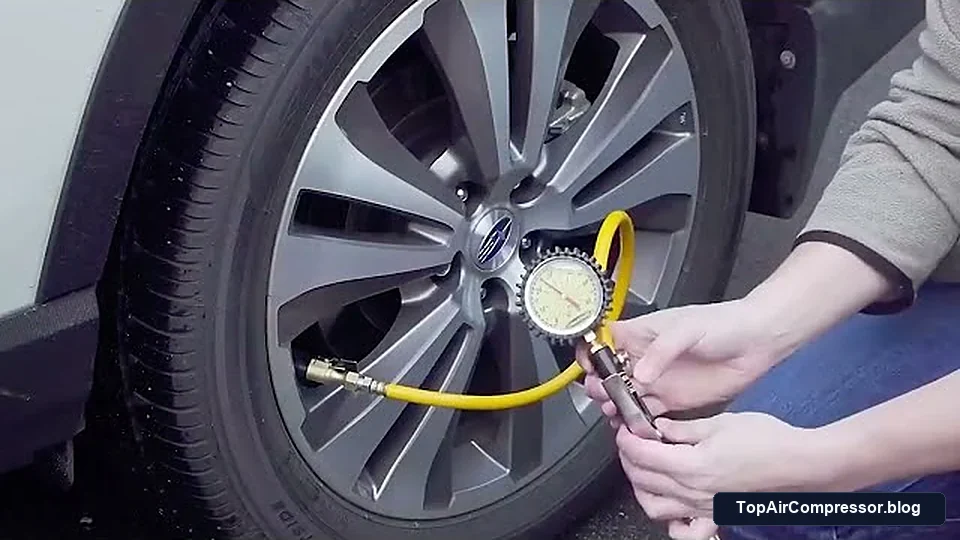
Press your digital or analog pressure gauge firmly against the open valve stem. Listen briefly for the hiss of escaping air until the gauge displays a steady numerical reading.
Remove the valve stem cap, press a calibrated digital pressure gauge firmly onto the valve, and connect a unit from our best portable air compressor for car options securely.
Add air in short intervals while monitoring the built-in pressure relief valve, then recheck the reading to ensure you hit the exact target without exceeding the specified manufacturer threshold.
- Remove valve caps and store them securely in your pocket.
- Apply the pressure gauge squarely to prevent air leakage during tests.
- Connect your air compressor hose if pressure falls below target specs.
- Reinstall valve caps tightly to prevent dust and moisture contamination.
Using Portable 12V Air Compressors Effectively
Modern portable inflators plug directly into your vehicle power outlet or battery. Set your desired target PSI on digital units before starting the automated inflation cycle.
Allow the compressor to run in short bursts while monitoring the live pressure readout. Avoid continuous runtime exceeding ten minutes to prevent internal motor overheating.
- Set digital auto-shutoff targets before engaging the pump motor.
- Monitor compressor duty cycles to prevent thermal overload damage.
Frequently Asked Questions
Where can I find the exact recommended PSI for my specific car?
Check the safety compliance placard located on the inside of your driver-side door jamb. This sticker provides the manufacturer's exact cold pressure specifications.
Is it safe to inflate my car tires to the maximum PSI printed on the sidewall?
No, never inflate tires to the sidewall maximum limit. That number represents the absolute structural burst limit rather than the ideal ride comfort target.
How often should I check my vehicle tire pressures?
Inspect your tire pressures at least once every month and during significant seasonal temperature shifts. Cold morning checks yield the most accurate baseline readings.
Why does my tire pressure drop when the weather turns cold outside?
Cold ambient temperatures cause air molecules to contract inside the tire casing. You typically lose one PSI of pressure for every ten-degree drop in weather.
Should I bleed air out of my hot tires after driving on the highway?
Never release air from hot tires because friction naturally elevates pressure during travel. The pressure will return to normal levels once the rubber cools down.