What Is the Recommended Tire Pressure for Chevy Equinox?
Discover the correct tire inflation specifications for your Chevrolet Equinox. Learn how proper pressure protects your vehicle suspension.

The standard factory recommended tire pressure for most Chevrolet Equinox models ranges from 30 to 35 PSI depending on the specific wheel size and trim configuration.
Looking for matching picks? See our Best Tire Pressure Inflator: Top Picks Tested for 2026.
Practical Quick-Reference Table
| Scenario / Metric | Recommended Target | Why It Matters |
|---|---|---|
| Standard Daily Driving | 32 to 35 PSI | Ensures optimal braking performance and even tread wear. |
| Cold Weather Drop | +1 to +2 PSI adjustment | Compensates for the natural pressure loss during winter. |
| Heavy Cargo Loading | Refer to door placard | Prevents sidewall overheating and structural tire failure. |
| Spare Tire Inflation | 60 PSI (Compact) | Guarantees emergency readiness during roadside tire changes. |
| TPMS Warning Threshold | Below 25 PSI | Triggers dashboard alert indicating dangerously low inflation. |
| Maximum Rated Pressure | 35 to 44 PSI | Represents structural limit stamped on the tire sidewall. |
Standard Inflation Specs for Chevrolet Equinox Tires
Maintaining proper tire pressure is essential for safe handling and fuel economy. Most Chevrolet Equinox sport utility vehicles require between 32 and 35 pounds per square inch for daily driving conditions.
Deviating significantly from this factory specification can compromise braking distances. Always verify your specific tire dimensions against the vehicle manufacturer placard located inside the driver side door jamb.
- Check pressure levels when tires are completely cold.
- Use a calibrated digital gauge for high accuracy.
- Inspect valve stems for leaks during monthly checks.
- Adjust pressure upward when ambient temperatures drop.
Evaluating Cold Inflation Pressure Values
Cold inflation pressure refers to measurements taken before driving. Finding the best air compressor for the money ensures you can adjust those levels accurately.
Never bleed air from warm tires to lower pressure readings. Doing so will cause underinflation once the rubber cools down in your garage overnight.
- Measure before driving more than one mile.
- Park in shaded areas for consistent readings.
Locating Manufacturer Placards and Correct PSI Ratings
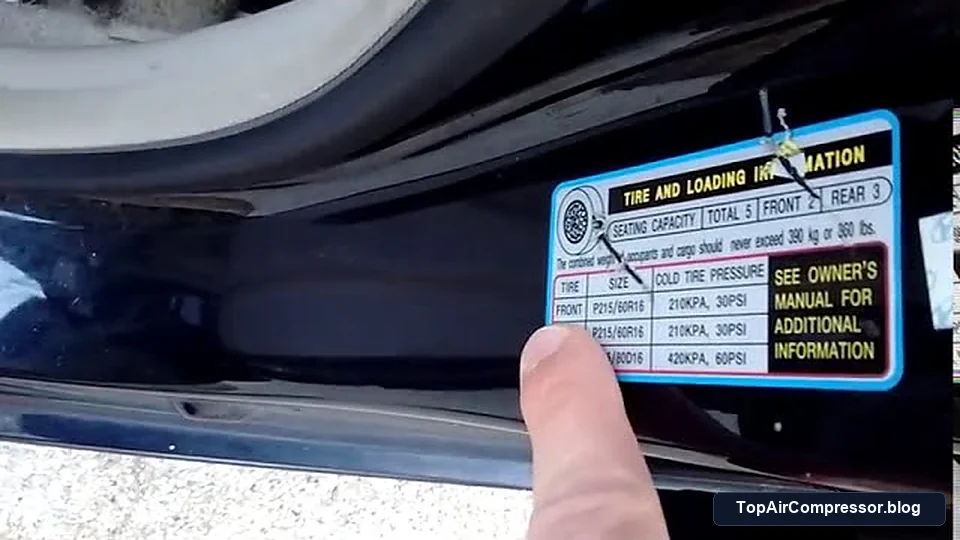
Every production vehicle features a dedicated compliance label detailing exact cold inflation figures. On the Chevrolet Equinox, you will find this safety certification sticker affixed to the driver door pillar.
Avoid reading maximum pressure ratings printed on tire sidewalls. Selecting the best portable tire inflator for suv helps you maintain the optimal comfort specifications set by engineers.
- Open the driver door and look at the metal frame.
- Locate the gross vehicle weight rating information table.
- Note the distinct front and rear axle pressure targets.
- Compare placard data with your current tire dimensions.
Reading the Federal Certification Label
The federal placard displays seating capacity alongside recommended tire sizes. Match your replacement tires directly to these factory dimensions to maintain proper load indices.
Modifying wheel diameters from factory defaults requires professional recalculation of inflation targets to prevent premature tread degradation and unsafe handling dynamics.
- Verify tire size codes match door placard data.
- Consult professional technicians for custom wheel setups.
Video Walkthrough: How To Check The Tire Pressure in Chevrolet Equinox
Pressure Variations Across Model Generations and Trims
Different model generations of the Chevrolet Equinox utilize varying wheel diameters. Using our CFM tool sizing calculator helps when selecting proper garage equipment for maintaining those specific tires.
Reviewing your specific model year documentation ensures you never rely on generic assumptions. Trim packages featuring sport suspension setups may demand specialized inflation targets.
- Identify your exact Equinox model year and trim.
- Inspect wheel diameter markings on the tire sidewall.
- Cross-reference trim specific manual data carefully.
- Account for optional towing packages when applicable.
Accounting for All-Wheel Drive Weight Differences
All-wheel drive variants carry additional mechanical components that increase overall vehicle weight. This extra mass sometimes alters the recommended rear tire inflation requirements slightly.
Always check the specific placard on all-wheel drive models rather than assuming front-wheel drive specs apply universally across every single Equinox configuration on the market.
- Weigh vehicle axle loads if towing heavy trailers.
- Follow all-wheel drive specific manual guidelines.
Interpreting Tire Pressure Charts and Load Indexes
Tire pressure charts provide valuable guidance when replacing original equipment with aftermarket options. The load index rating determines how much weight a tire safely supports at specific pressures.
Using tires with lower load ratings than factory specifications creates dangerous safety hazards. Always match or exceed the original equipment manufacturer load index during replacements.
- Locate the three-digit load index number on sidewalls.
- Match pressure charts to your typical vehicle cargo weight.
- Avoid running low pressures on high load journeys.
- Consult manufacturer inflation tables for unusual sizes.
Decoding Sidewall Load and Speed Ratings
Sidewall markings contain critical data regarding maximum weight capacity and safe operating speeds. A letter designation following the load index indicates the maximum speed capability.
Ensure your replacement tires meet or exceed the speed rating specified by Chevrolet to maintain vehicle stability during emergency highway braking maneuvers.
- Check letter codes like H or V on sidewalls.
- Verify compatibility with your driving habits.
Effects of Improper Inflation on Tread Wear and Safety
Underinflated tires flex excessively, generating dangerous internal heat that causes structural failure. Conversely, overinflation concentrates wear on the center tread rib, reducing overall traction.
Maintaining correct inflation extends tire lifespan significantly while maximizing fuel efficiency. Balanced pressure distribution ensures optimal contact patch area across all four wheels.
- Inspect tread depth patterns across the entire width.
- Address edge wear caused by chronic underinflation.
- Correct center wear resulting from excessive pressure.
- Rotate tires every six thousand miles for even wear.
Identifying Feathering and Cupping Wear Patterns
Abnormal wear patterns often indicate underlying inflation or alignment issues. Feathering occurs when tread ribs develop a smooth edge on one side and a sharp edge on the other.
Catching these wear indicators early saves money on premature tire replacements and protects your steering components from excessive mechanical stress over time.
- Run your hand across tread blocks to feel edges.
- Schedule professional wheel alignments periodically.
Video Walkthrough: How to Know the Correct Tire Pressure for Your Car
Managing TPMS Alerts and Resetting Sensor Systems
Modern Chevrolet Equinox models feature direct tire pressure monitoring systems. A dashboard warning light illuminates whenever pressure drops twenty-five percent below the recommended factory target.
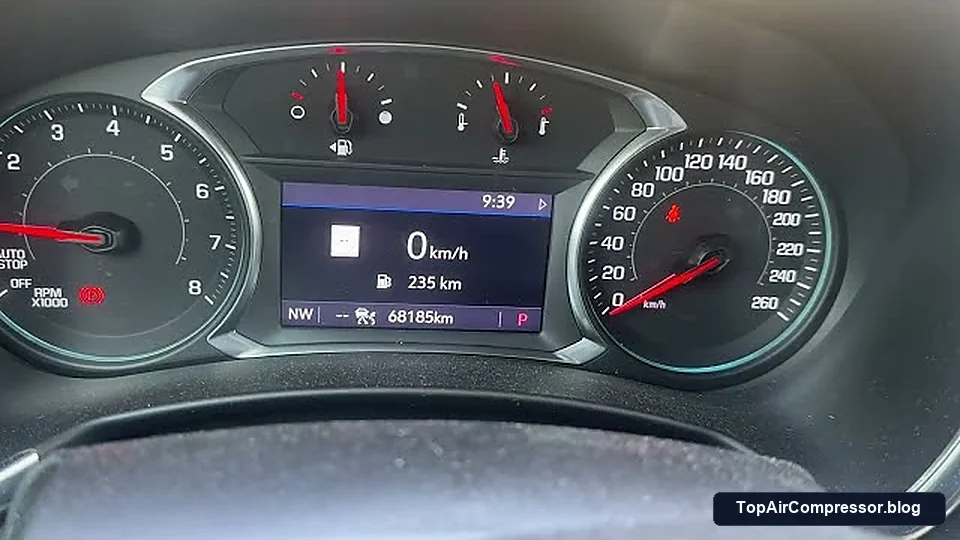
Never ignore a persistent TPMS warning indicator on your instrument cluster. Inspect all four tires immediately using an accurate pressure gauge to identify the culprit.
- Locate the TPMS indicator light on your dashboard.
- Check all four tires and the spare if equipped.
- Inflate tires to correct placard specifications promptly.
- Drive above fifteen miles per hour to clear alerts.
Performing Sensor Relearn Procedures After Rotation
Rotating your tires changes their physical locations on the vehicle. The monitoring system may require a sensor relearn procedure to correctly identify individual wheel positions.
Refer to your owner manual for specific dashboard menu sequences required to initiate the electronic relearn mode using a compatible tool.
- Access the DIC menu via steering wheel controls.
- Trigger the TPMS relearn function successfully.
Best Maintenance Practices Using Portable Air Compressors
Choosing the best portable tire inflator for trucks empowers you to maintain correct tire pressure at home. Keeping tires properly inflated improves fuel economy and enhances overall safety.
Inspect your air compressor hose and electrical connections before each use. Connect the chuck securely to the valve stem to prevent air leakage during inflation.
- Check compressor pressure gauge calibration regularly.
- Keep unit stored in a dry, temperature-controlled space.
- Allow compressor motor to cool during extended tasks.
- Ensure power cords reach all four vehicle wheels easily.
Executing Monthly Pressure Check Routines
Establish a consistent monthly routine for checking all vehicle tires. Environmental temperature shifts cause natural pressure fluctuations requiring regular seasonal adjustments to maintain safety.
Keep a dedicated digital tire gauge inside your glove compartment for quick roadside verifications whenever ambient weather conditions change drastically.
- Mark calendar reminders for monthly pressure checks.
- Always inflate tires when completely cold.
Frequently Asked Questions
What is the standard recommended tire pressure for a Chevy Equinox?
Most Chevrolet Equinox models require between 32 and 35 PSI for optimal performance. Always check the specific placard on your driver door jamb for exact measurements.
Why does my tire pressure drop during cold winter months?
Cold ambient temperatures cause air molecules to contract, reducing internal tire pressure. You typically lose one PSI for every ten degree drop in outdoor temperature.
How do I know if my Chevy Equinox tires are overinflated?
Overinflated tires exhibit excessive wear along the center tread rib and provide a harsh ride. Check the maximum PSI rating on the sidewall to avoid dangerous overinflation.
What should I do when the TPMS dashboard warning light turns on?
Pull over safely and inspect all four tires with a reliable pressure gauge. Inflate any low tire to the recommended placard level and drive to reset the sensor.
Should I adjust tire pressure when carrying heavy cargo or towing?
Heavy loads increase weight on vehicle tires, requiring slight pressure adjustments. Consult your owner manual placard for maximum load inflation targets before embarking on heavy trips.