What Oil Does an Air Compressor Use?
Choosing the correct fluid prevents catastrophic pump failure. Proper viscosity ensures optimal mechanical longevity.


Always use non-detergent ISO 100 or ISO 68 compressor oil depending on ambient temperatures. Never substitute automotive engine oil inside positive displacement pumps.
Looking for matching picks? See our Best Oil Less Air Compressor: Top Picks & Buying Guide.
Practical Quick-Reference Table
| Scenario / Metric | Recommended Target | Why It Matters |
|---|---|---|
| Standard Shop Reciprocating | ISO 68 Non-Detergent Oil | Prevents carbon buildup on valves |
| Cold Environment Startup | ISO 32 or ISO 46 Fluid | Ensures adequate flow in low temperatures |
| Heavy-Duty Rotary Screw | Synthetic ISO 46/68 Fluid | Extends service intervals and thermal stability |
| Ambient Temp Above 90F | ISO 100 Heavy Viscosity | Maintains film strength under extreme heat |
| Oil Change Interval | 300 to 500 Operating Hours | Removes accumulated moisture and wear metals |
| Automotive Oil Substitute | Strictly Prohibited | Detergents cause dangerous varnish and fires |
Fundamental Engineering Principles of Compressor Lubrication
Air compressors generate extreme internal temperatures and mechanical friction during continuous operation. Selecting proper lubricants protects vital piston rings, bearings, and cylinder walls from premature mechanical wear.
Specialized industrial lubricants contain anti-foaming agents and rust inhibitors. These chemical additives maintain fluid integrity under high operating pressures and continuous thermodynamic stress cycles.
Without adequate lubrication, frictional heat rapidly destroys tight tolerances inside the compressor pump. This leads to catastrophic scoring of cylinder walls and total equipment failure.
Operators must prioritize thermal stability when evaluating different lubricant formulations for heavy-duty shop environments. Consistent viscosity prevents metal-on-metal contact during startup phases.
Proper lubrication reduces mechanical friction between moving pistons and cylinders. Operating temperatures often exceed 200 degrees Fahrenheit, requiring oils that maintain stable films without breaking down under continuous compression stress.
Air compressors generate significant heat during the compression cycle. Effective lubricants transfer thermal energy away from compression chambers, preventing premature valve wear when choosing the best air compressor for home use.
Lubricating fluids also act as vital dynamic seals in rotary screw units. This fluid barrier prevents compressed air from leaking back into the intake rotors, directly optimizing volumetric efficiency and overall output pressure.
Contaminant management is another fundamental engineering objective for compressor oils. Specialized detergent additives suspend microscopic metallic debris and airborne dust particles, safely routing them toward the oil filter media during circulation.
- Always verify pump manufacturer specifications before selecting any replacement compressor fluid.
- Maintain oil levels precisely between minimum and maximum sight glass indicators daily.
- Never mix different oil brands or synthetic and mineral bases together inside pumps.
- Monitor operating discharge temperatures to catch early signs of inadequate lubrication quickly.
Why Standard Automotive Motor Oil Fails in Compressors
Automotive engine oils contain high levels of detergents and multi-weight viscosity modifiers. These chemical additives leave carbon deposits on compressor valve assemblies, causing dangerous overheating.
The intense heat inside a compressor causes detergent additives to bake into solid varnish. This restricts airflow and forces the electric motor to draw excessive current.
- Car oils create carbon buildup on internal reed valves.
- Detergents trap moisture rather than releasing it through drains.
Comparing Mineral and Synthetic Lubricant Formulations
Mineral compressor oils derive from refined petroleum crude stocks, offering reliable performance for standard workshop applications. They require more frequent changes due to natural thermal breakdown.
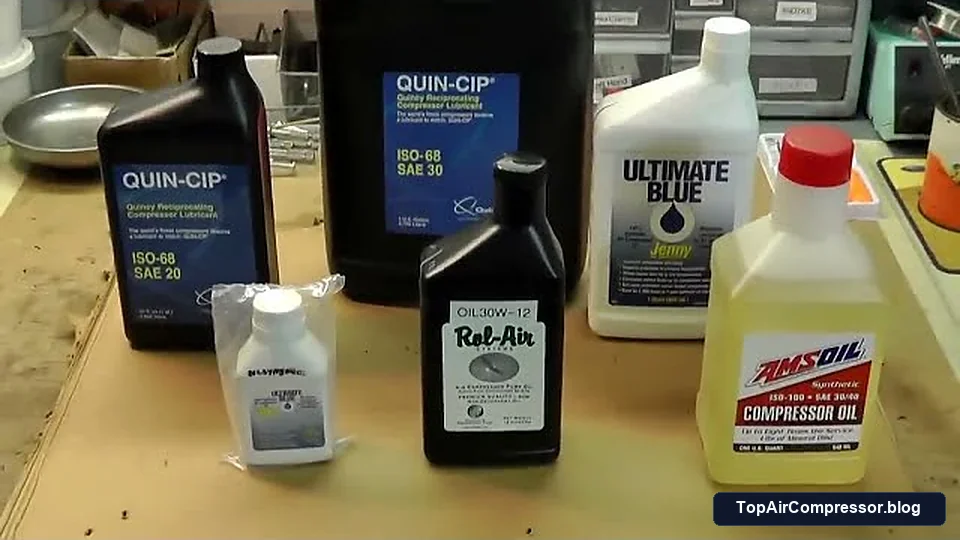
Synthetic lubricants undergo advanced chemical engineering to provide superior resistance against oxidation and high temperatures. These synthetic fluids last significantly longer than conventional mineral alternatives.
Shifting to synthetic oils reduces varnish formation across high-temperature discharge valves and pistons. This cleanliness improves overall volumetric efficiency and extends service intervals safely.
Cost considerations often guide users toward mineral oils for intermittent garage use, while finding the best air compressor for continuous use typically requires advanced synthetics for demanding industrial applications.
Standard mineral oils derive from refined petroleum crude stocks. They provide adequate lubrication for casual garage applications but suffer from rapid oxidation when subjected to heavy continuous duty cycles over extended periods.
Synthetic lubricants utilize engineered chemical bases designed for extreme environments. These formulations offer exceptional resistance to thermal breakdown, typically extending drain intervals up to eight thousand hours in rotary screw compressors.
Polyalkylene glycol and diester synthetics manage high operating temperatures much better than mineral alternatives. However, users must verify compatibility because certain synthetics aggressively degrade plastic valve components and standard rubber seals.
Cost analysis reveals that synthetics require higher upfront investment. Despite this initial expense, facilities achieve substantial long-term savings through reduced fluid consumption and lower instances of unexpected compressor downtime.
- Mineral oils demand fluid changes every three hundred operating hours.
- Synthetic formulations often push service intervals past one thousand hours safely.
- Synthetic fluids maintain stable viscosity across wider temperature swings.
- Always flush legacy mineral oil completely before introducing synthetic lubricants.
Thermal Stability and Carbon Residue Build-up
High discharge temperatures cause poor quality oils to oxidize and form hard carbon deposits. These carbon shards prevent reed valves from sealing properly during compression cycles.
Selecting thermally stable lubricants eliminates carbon accumulation on critical valve plates. Clean valves ensure maximum volumetric output and prevent dangerous compressor thermal runaway events.
- Carbon deposits on valves create severe fire hazards in tanks.
- Thermal stability reduces unexpected maintenance downtime in industrial shops.
Video Walkthrough: What’s the Difference between Motor and Compressor Oil?
Viscosity Grades and Ambient Temperature Selection
Viscosity measures a fluid resistance to flow under specified temperature and shear conditions. Choosing the correct ISO grade ensures proper film thickness across moving metal components.
ISO 46 oils suit cooler workshops where quick cold weather startup is essential. Thinner fluids flow rapidly to bearings before frictional heat builds up inside the pump.
ISO 100 oils provide robust protection in scorching summer environments or heavy-duty industrial settings. Heavy viscosity prevents oil thinning when operating temperatures soar past limits.
Environmental conditions dictate whether you need a lightweight or heavyweight compressor fluid. Ignoring ambient room temperatures leads directly to premature bearing failure and excessive wear.
Selecting the correct ISO viscosity grade ensures proper fluid film thickness. Most reciprocating shop compressors require ISO 68 oil for balanced protection across standard operating temperatures found in typical automotive service bays.
Ambient temperature heavily dictates your fluid choice. Operating in freezing winter conditions demands lower viscosity ISO 32 formulations to prevent cold-start pump starvation and protect delicate electric motor windings from overload.
Conversely, high ambient heat or heavy continuous outdoor operation requires heavier ISO 100 oils. These denser fluids maintain adequate film strength when ambient mercury pushes past ninety degrees Fahrenheit daily.
Never substitute multi-weight automotive engine oils in positive displacement compressors. Automotive detergents contain ash additives that leave carbon deposits on discharge valves, creating severe fire safety hazards over time.
- Measure ambient shop temperatures before purchasing replacement compressor fluid grades.
- Use ISO 68 as a versatile middle ground for moderate climates.
- Cold winter garages require lighter ISO 32 or ISO 46 weights.
- Hot industrial plants demand heavy ISO 100 protection to prevent breakdown.
ISO 68 Versus ISO 46 Performance Metrics
ISO 46 lubricant flows more easily in chilly environments, reducing strain on starter motors. However, it thins out quickly when the pump reaches operating temperature extremes.
ISO 68 oil maintains a thicker protective barrier under heavy continuous load pressures. Selecting between these grades depends entirely on local climate and duty cycle.
- Check equipment manuals for recommended ISO viscosity thresholds.
- Match fluid thickness directly to your local seasonal climate.
Distinguishing Reciprocating and Rotary Screw Oil Requirements
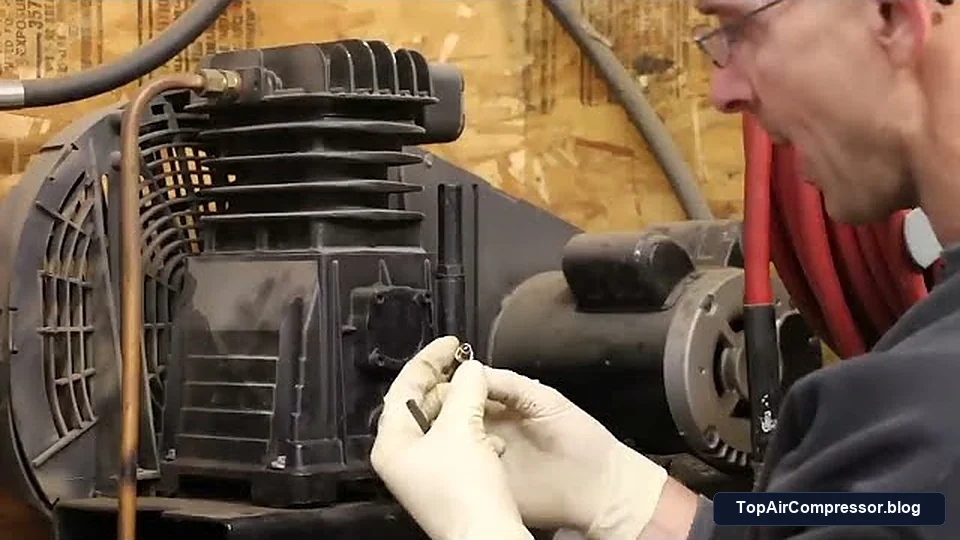
Reciprocating piston compressors splash or pump oil intermittently across reciprocating cylinder walls. They require specialized non-detergent oils with strong demulsibility properties to shed condensed water.
Rotary screw compressors inject massive volumes of fluid directly into the compression chamber for cooling. These fluids act as coolants, sealants, and lubricants simultaneously under continuous pressure.
Screw compressor fluids need exceptional air-oil separation characteristics to prevent oil carryover. When evaluating the best oil lubricated air compressor, specialized rotary fluids prevent foaming inside high-capacity air receivers.
Using reciprocating oil in a rotary screw unit causes severe foaming and overheating. Equipment manuals specify exact fluid requirements designed for specific compressor mechanical designs.
Reciprocating compressors operate with intermittent cycles, splashing oil via dippers onto cylinder walls. These splash-lubricated units need non-detergent oils that allow particulate contaminants to settle safely at the crankcase bottom.
Rotary screw machines flood their entire compression chamber with fluid to cool meshing rotors directly. Consequently, rotary systems demand specialized fluids featuring high demulsibility ratings to separate condensed moisture quickly.
Vane compressors rely on sliding blades that require high anti-wear agents. These specific additives prevent rapid groove erosion where the carbon or steel blades interface directly with the cylindrical housing wall.
Mixing different oil types across these distinct compressor designs causes severe chemical reactions. Incompatible fluid blends frequently gel inside lines, completely clogging separator elements and restricting vital oil injection ports.
- Reciprocating pumps need splash-lubricated non-detergent mineral or synthetic oils.
- Rotary screws require specialized flooded compressor coolants and lubricants.
- Demulsibility allows water to separate easily from the lubricating fluid.
- Never interchange reciprocating and rotary fluids without verifying engineering data.
Service Life Expectancy and Demulsibility Factors
Demulsibility defines how effectively a lubricant separates from condensed liquid water moisture. Poor demulsibility creates stable emulsions that rust internal iron components rapidly.
High-grade compressor oils shed moisture quickly to the bottom of the crankcase. Routine draining removes this accumulated water before corrosion damages precision bearings.
- Water contamination destroys lubricating oil film strength quickly.
- Drain crankcase condensation valves regularly during humid summer months.
Safe Maintenance Schedules, Monitoring, and Fluid Replacement
Establish a rigorous preventive maintenance routine to check oil levels before every startup. Low fluid levels cause rapid frictional heat buildup and catastrophic pump seizure.
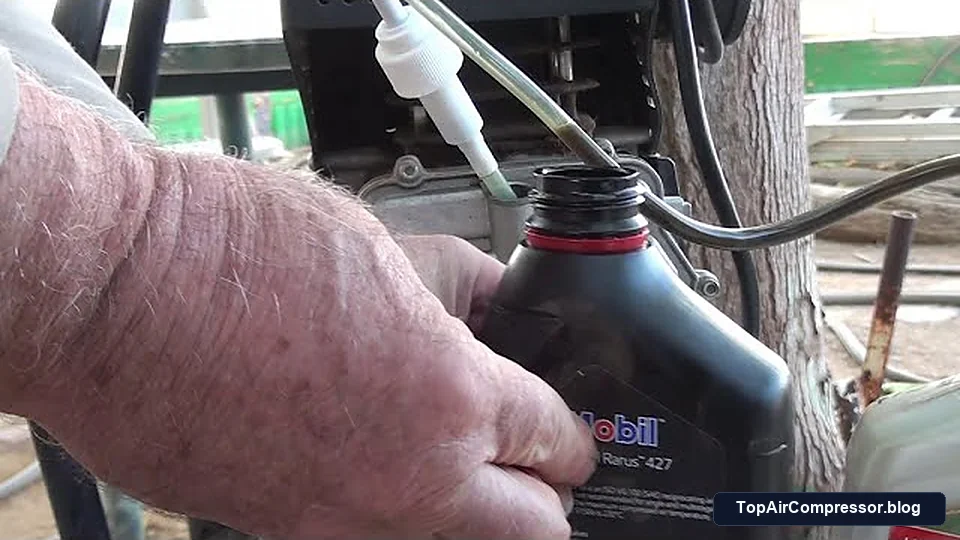
Perform initial oil changes after the first fifty hours on new reciprocating compressors. This break-in procedure flushes out microscopic metal shavings generated during initial manufacturing wear.
Subsequent oil changes should occur every three hundred to five hundred operating hours. Operating conditions heavily influence whether you change fluid sooner or later.
Always dispose of used compressor oil responsibly according to local environmental regulations. Never pour waste industrial lubricants down drains or onto bare soil.
Establish rigorous inspection routines by checking fluid sight glasses before every single startup. Catching low oil levels early prevents catastrophic bearing failure and expensive pump head replacements in commercial workshops.
Standard reciprocating units require complete oil changes every five hundred hours of operation or annually, whichever arrives first. Heavy industrial duty schedules demand more frequent fluid renewals to combat moisture accumulation.
Always drain used compressor oil immediately after running the machine while internal fluid remains warm. Warm oil flows more freely, carrying suspended particulate matter out of the crankcase effectively through the drain valve port.
Observe proper environmental compliance when disposing of spent synthetic or mineral lubricants. Store used fluids in sealed polyethylene containers and transport them to certified recycling facilities adhering to local EPA waste guidelines.
- Inspect sight glass clarity and fluid color weekly during operation.
- Warm up the compressor briefly before draining oil for faster flow.
- Replace oil filter elements concurrently with every complete fluid change.
- Keep accurate maintenance logs to track equipment service hours reliably.
Correct Procedures for Draining and Topping Up
Depressurize the entire air receiver tank completely before removing any drain plugs. Safety glasses protect technicians from hot oil splashes, matching requirements calculated via our CFM and tank sizing calculator.
Remove the fill plug to allow air venting while old fluid drains out. Tighten drain plugs securely before pouring fresh oil into the crankcase.
- Never open crankcase plugs while system pressure remains active.
- Verify proper fill levels using the sight glass before restarting.
Video Walkthrough: Air Compressor Oil Change For Beginners
Frequently Asked Questions
Can I use standard motor oil in my air compressor?
Never use automotive motor oil because its detergent additives create dangerous carbon deposits. Always select specialized non-detergent compressor oil matching your pump specifications.
How often should I change my air compressor oil?
Change mineral oil every three hundred to five hundred operating hours. Synthetic oils can safely extend service intervals up to one thousand hours depending on conditions.
What viscosity grade is best for standard shop compressors?
ISO 68 non-detergent oil serves as the standard industry recommendation for most reciprocating pumps. Adjust to ISO 46 for cold shops or ISO 100 for hot climates.
Why does my compressor oil turn milky white?
Milky oil indicates severe moisture contamination from condensed humidity inside the tank. Drain the fluid immediately and inspect your intake filtration system for leaks.
Can I mix mineral and synthetic compressor oils together?
Mixing different oil types causes chemical incompatibilities and fluid thickening. Always completely flush and clean the crankcase before switching lubricant formulations.