What Oil to Use in Air Compressor Pump?
Proper lubrication prevents premature pump failure and ensures peak operational efficiency. Always match your fluid viscosity directly to manufacturer specifications for reliable performance.


Use non-detergent ISO 68 mineral oil for standard reciprocating pumps under normal conditions. Always verify manufacturer specifications before pouring fresh fluid.
Looking for matching picks? See our Best Air Pumps: Top Picks for Reliable Inflation.
Practical Quick-Reference Table
| Scenario / Metric | Recommended Target | Why It Matters |
|---|---|---|
| Standard Shop Pump | ISO 68 Non-Detergent Mineral | Prevents carbon buildup. |
| Cold Environment | ISO 32 Synthetic Oil | Ensures winter startups. |
| Heavy Industrial Duty | Full Synthetic ISO 100 | Resists thermal breakdown. |
| Rotary Screw Unit | Dedicated Screw Fluid | Separates moisture efficiently. |
| Oil-Free Piston | Zero Oil Required | Protects sensitive media. |
| Change Interval | Every 500 Operating Hours | Removes metallic debris. |
Fundamentals of Mechanical Lubrication in Compressor Pumps
Air compressor pumps operate under extreme internal friction and high operating temperatures. Selecting reliable models from the best air compressor for home use guide requires dedicated compressor oil to prevent wear.
Standard automotive motor oils contain detergents that create dangerous carbon deposits. These carbon buildups can cause valve sticking and potentially trigger hazardous internal combustion events.
Industrial compressor fluids are specifically formulated to handle moisture, heat, and aeration. Selecting the correct fluid safeguards your internal cylinder walls and precision bearings.
Understanding the internal mechanics helps operators appreciate why thermal stability matters so much. High-grade lubricants maintain a protective film even under continuous rated pressure.
- Never use standard automotive engine oils in pneumatic pumps.
- Verify pump manual requirements before purchasing bulk fluids.
- Ensure high flash points for continuous-duty shop environments.
- Monitor operating temperatures to prevent premature fluid thinning.
Differentiating Oil-Injected and Oil-Free Architectures
Oil-injected reciprocating pumps circulate lubricant directly through the crankcase and cylinder walls. This design ensures maximum mechanical longevity for heavy-duty industrial applications.
Oil-free compressors use self-lubricating materials like Teflon piston rings instead of liquid oil. While cleaner, they typically feature shorter operational lifespans under continuous loads.
- Oil-injected units require regular fluid level checks.
- Oil-free models suit sensitive medical or painting tasks.
Comparing Mineral Oils and Synthetic Formulations
Mineral oils are refined from natural crude petroleum and suit standard workshop environments. They offer cost-effective lubrication for units running under intermittent duty cycles.
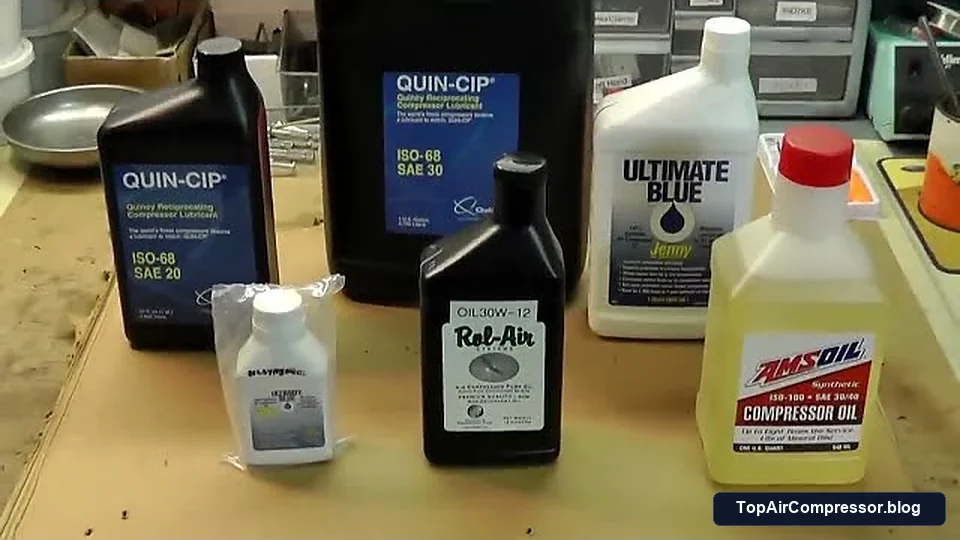
Synthetic compressor oils undergo advanced laboratory processing to deliver superior performance. When evaluating units in the best air compressor for continuous use roundup, they resist thermal breakdown better than conventional mineral alternatives.
Choosing synthetics is essential for compressors operating in extreme hot or cold climates. Their consistent viscosity prevents cold-weather drag and high-temperature thinning.
Although synthetics cost more initially, they extend oil change intervals significantly. This reduces long-term maintenance labor and overall equipment downtime.
- Mineral oils work well for occasional garage use.
- Synthetics excel in extreme seasonal temperature swings.
- Synthetic fluids reduce varnish and carbon buildup risks.
- Always avoid mixing different oil bases together.
Evaluating Cost Versus Long-Term Pump Protection
Budget constraints often tempt operators to select basic mineral oils for heavy applications. However, this choice can increase wear rates and shorten pump life.
Investing in high-performance synthetic lubricants protects expensive iron cylinders from scoring. The minor extra upfront cost pays off through extended equipment reliability.
- Calculate total lifecycle maintenance costs.
- Prioritize pump protection over short-term savings.
Video Walkthrough: What’s the Difference between Motor and Compressor Oil?
Matching Viscosity Grades to Operating Environments
Viscosity measures a fluid's resistance to flow at specific temperatures. Pairing proper lubricants with data from our CFM tool sizing calculator ensures the correct ISO viscosity grade maintains adequate film thickness.

ISO 68 is the industry standard for most reciprocating compressors operating in moderate temperatures. Colder shops often require thinner ISO 32 or ISO 46 variants.
High ambient shop temperatures demand heavier ISO 100 oils to prevent excessive thinning. Always consult your equipment nameplate for exact viscosity recommendations.
Ignoring climate-specific viscosity ratings leads to poor lubrication during winter morning start-ups. Proper flow characteristics prevent initial friction spikes.
- Match ISO grades to your local ambient shop temperature.
- Use ISO 32 for freezing winter workshop conditions.
- Select ISO 100 for hot summer industrial plants.
- Never guess viscosity without checking manufacturer guidelines.
Specialized Fluids for Reciprocating and Rotary Equipment
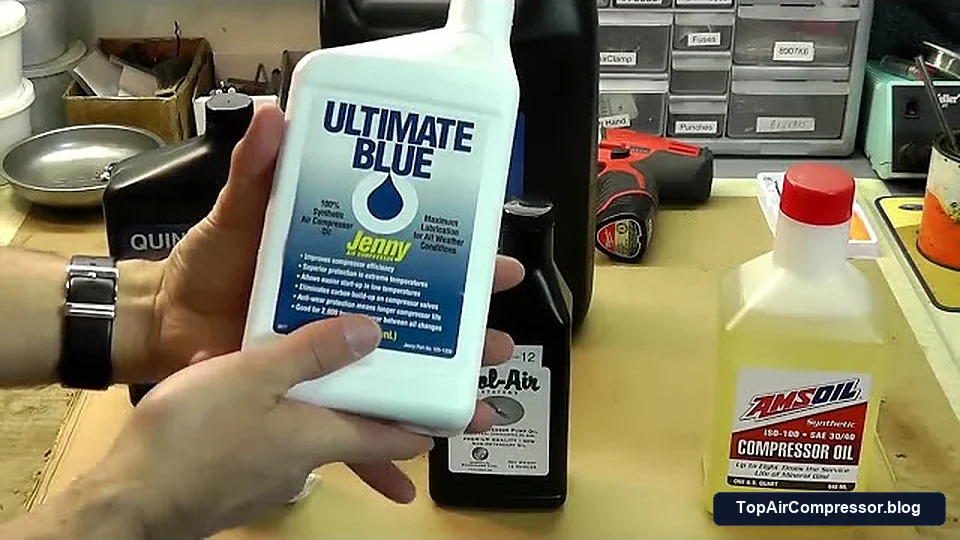
Reciprocating piston compressors require oils designed for intermittent high-pressure cycling. These fluids manage rapid pressure changes without foaming excessively in the crankcase.
Rotary screw compressors demand specialized turbine-style oils with rapid water separation properties. Continuous operation causes heavy moisture condensation that standard oils cannot handle.
Using reciprocating oil in a rotary screw unit causes severe foaming and bearing damage. Always verify the fluid classification matches your specific pump architecture.
Industrial rotary fluids also incorporate specialized anti-rust additives for wet environments. These additives protect internal rotors from accelerated corrosive degradation.
- Reciprocating pumps need splash or pressure lubrication fluids.
- Rotary screws require advanced demulsifying synthetic oils.
- Never cross-contaminate reciprocating and rotary compressor fluids.
- Check container labels for precise equipment compatibility listings.
Establishing a Reliable Oil Change and Maintenance Routine
Fresh lubricant removes suspended microscopic wear particles and harmful moisture from the crankcase. Sticking to a strict maintenance schedule prevents premature mechanical failure.
Standard mineral oils typically require complete replacement every five hundred operating hours. Synthetic alternatives can often safely double this operational interval.
Always drain the oil while the pump is warm to ensure complete contaminant removal. Tilt the unit slightly if necessary to clear trapped sludge.
Inspect the drained fluid for metallic flakes, discoloration, or milky consistency. These signs indicate abnormal internal wear or dangerous water contamination issues.
- Change mineral oils every 500 operating hours.
- Extend synthetic oil changes up to 1000 hours.
- Always drain fluid while the pump remains warm.
- Inspect old oil for metal shavings or water.
Avoiding Common Lubrication and Fluid Selection Mistakes
Many users mistakenly add multi-weight automotive oils to their shop compressors. This mistake introduces detergents that create sticky carbon deposits on reed valves.
Mixing different oil brands or viscosity grades creates chemical incompatibilities. Such mixtures can degrade fluid performance and accelerate internal pump wear significantly.
Overfilling the crankcase causes excessive pressure, blown gaskets, and oil getting into lines. When maintaining any best oil lubricated air compressor model, always check the sight glass before starting.
Neglecting routine oil level checks leads to running dry under heavy industrial workloads. A dry pump destroys its cylinder walls within minutes.
- Avoid automotive motor oils containing detergent additives.
- Never mix different synthetic or mineral oil brands.
- Maintain oil levels precisely at the sight glass center.
- Inspect for leaks around crankcase seals and plugs.
Proper Inspection and Safe Fluid Topping Up Procedures
Checking your compressor oil level should be a daily pre-start safety ritual. Locate the sight glass on the side of the crankcase.
The fluid level should sit precisely at the red dot in the middle. Add small amounts slowly to avoid accidental overfilling of the reservoir.
Wipe the fill port clean before removing the plug to prevent dirt entry. Contaminants inside the crankcase will rapidly score precision bearing surfaces.
Secure all plugs tightly after topping off to maintain proper internal crankcase pressure. Check for any visible weeping around gaskets after restarting.
- Perform daily oil level checks before powering on.
- Keep fluid levels centered in the sight glass.
- Clean fill areas before removing inspection caps.
- Tighten fill plugs securely to prevent pressure leaks.
Frequently Asked Questions
Can I use motor oil in my air compressor?
Never use standard automotive motor oil in your pneumatic compressor pump under any circumstances because it completely lacks proper non-detergent industrial formulations required for extreme thermal environments.
These standard automotive fluids contain active chemical detergents that form dangerous carbon deposits on internal reed valves and high-temperature discharge ports during continuous industrial operating cycles.
How often should I change compressor oil?
You should routinely change standard mineral compressor oil every five hundred operating equipment hours or at least once per calendar year depending on your active workshop usage.
Advanced synthetic compressor oils can safely extend this replacement maintenance interval up to one thousand operating hours while maintaining optimal fluid film viscosity under heavy industrial loads.
What viscosity oil do most compressors need?
Most standard reciprocating air compressors operating in normal ambient workshop temperatures require an ISO 68 non-detergent mineral oil for proper internal mechanical lubrication.
However, significantly colder winter workshop environments or extremely hot industrial facilities require adjusting your fluid viscosity selection to ISO 32 or ISO 100 grades respectively to ensure complete component protection.
Can I mix different compressor oil brands?
You should never mix different commercial brands or chemical bases of air compressor oil together inside your equipment crankcase under any operating conditions.
Doing so can cause adverse chemical reactions that severely degrade lubricant performance, create excessive foam, and ultimately lead to premature bearing failure across the entire pneumatic system.
What happens if I overfill the oil?
Overfilling your air compressor crankcase creates dangerously high internal pressure that can easily blow gaskets and force liquid oil past the piston rings.
This excess fluid travels down the discharge lines, contaminating your downstream pneumatic air tools and creating serious industrial fire hazards within the compressed air system.