What Oil to Use in Ingersoll Rand Air Compressor?
Choosing the correct oil protects your compressor from extreme heat and mechanical wear. Proper lubrication ensures long-term operational reliability across demanding industrial environments.

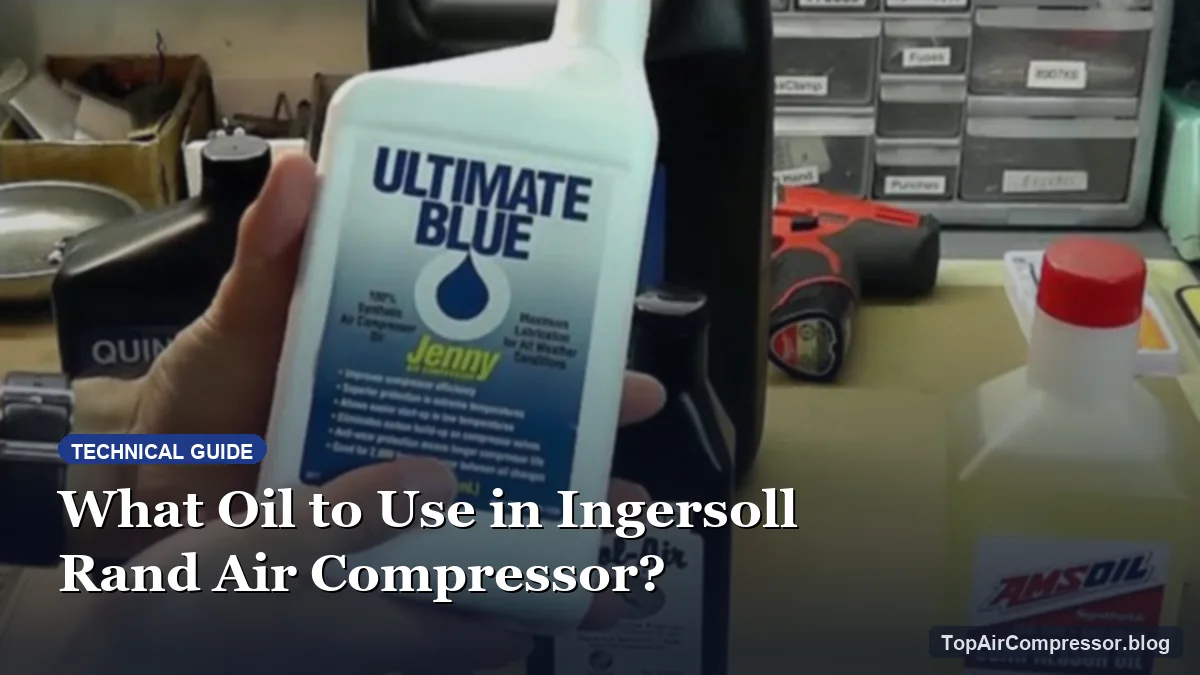
Always use synthetic diester or PAO-based lubricants engineered specifically for rotary screw or reciprocating units. Avoid standard automotive motor oils to prevent catastrophic carbon buildup and severe valve damage.
Looking for matching picks? See our Best Oil Less Air Compressor: Top Picks & Buying Guide.
Practical Quick-Reference Table
| Scenario / Metric | Recommended Target | Why It Matters |
|---|---|---|
| Reciprocating Piston Units | ISO 68 or ISO 100 | Ensures proper film strength on cylinder walls. |
| Rotary Screw Compressors | OEM Synthetic Coolant | Prevents varnish and manages continuous thermal loads. |
| Mineral Oil Service Life | 500 Operating Hours | Prevents carbon buildup during heavy industrial use. |
| Synthetic Oil Service Life | Up to 8,000 Hours | Extends maintenance intervals and reduces downtime. |
| Ambient Cold Weather | Lighter Viscosity Grade | Prevents excessive friction during morning equipment startups. |
| Moisture Contamination | Daily Sight Glass Check | Stops internal rust and preserves fluid integrity. |
OEM Lubricant Specifications for Ingersoll Rand Units
Ingersoll Rand designs specific lubricants to handle extreme internal operating temperatures. Using approved OEM fluid formulations prevents premature seal degradation and maintains optimal thermal stability during continuous heavy loads.
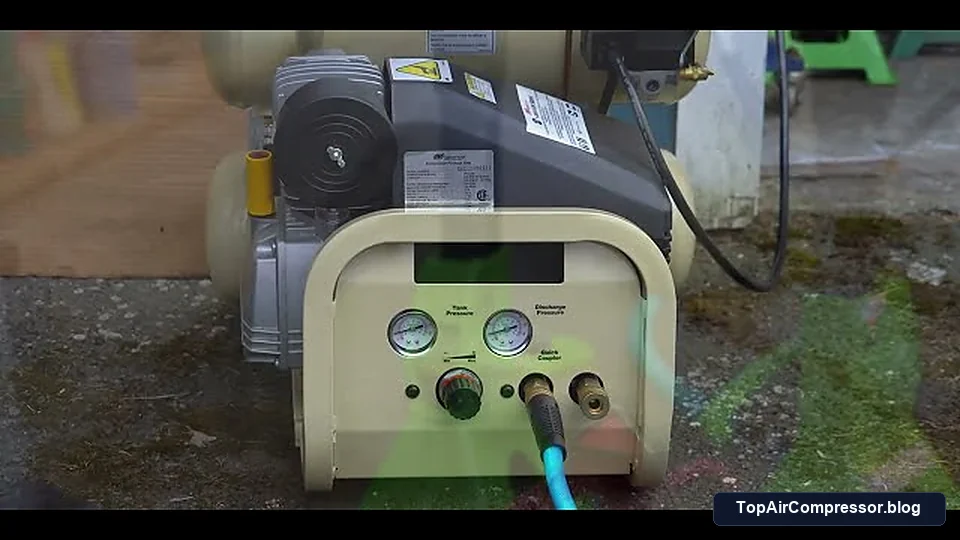
When comparing options like our Quincy vs Ingersoll Rand comparison, rotary screw units typically require specialized coolants formulated for thousands of operating hours. These fluids reduce operating temperatures within the primary air end.
Reciprocating piston models demand different physical properties to lubricate splash-fed or pressure-fed systems. Selecting the correct ISO grade ensures proper film strength on cylinder walls and connecting rod bearings.
Always cross-reference your compressor serial number with the manufacturer maintenance manual. Minor design variations between legacy and modern units dictate exact fluid requirements for warranty compliance.
Ingersoll Rand requires specific fluid standards to protect internal components. AllSeasonSelect fluid is engineered for rotary screw units, maintaining thermal stability under continuous heavy loads.
Reciprocating compressors typically demand SSR Ultra or high-grade synthetic diester blends. These formulations resist varnish buildup and reduce carbon deposits on critical valve assemblies during operation.
Operating rotary compressors with incorrect lubricants voids warranties and accelerates wear. OEM fluids contain specialized anti-wear additives designed to withstand extreme internal pressures reaching 150 PSI or higher.
Always cross-reference your compressor model manual before purchasing replacement fluids. Commercial grade lubricants meet precise ISO viscosity grades that generic motor oils simply cannot replicate reliably.
- Verify compressor pump type before purchasing fluid.
- Never mix different oil bases in the reservoir.
- Check operating manuals for specific ISO viscosity grades.
- Inspect fluid levels daily prior to equipment startup.
Rotary Screw Versus Reciprocating Fluid Demands
Rotary screw compressors require specialized coolants to manage continuous thermal loads efficiently. These advanced fluids prevent varnish buildup across thousands of hours of heavy industrial operation.
Reciprocating piston units operate intermittently and need distinct splash lubrication properties. Selecting the correct ISO grade ensures proper film strength on cylinder walls and connecting rods.
- Screw units need cooling and sealing properties.
- Pistons rely on high splash film strength.
Understanding Viscosity Requirements and Ambient Temperatures
Viscosity determines how fluid flows under varying thermal and mechanical operating pressures. Choosing the correct ISO viscosity grade prevents excessive internal friction during cold weather morning startups.
High ambient workshop temperatures cause standard oils to thin out dangerously. This thinning reduces necessary load-bearing film thickness between fast-moving metal components inside the compressor pump housing.
Most industrial reciprocating units require ISO 68 or ISO 100 weights depending on climate. Evaluating your local facility climate prevents thermal breakdown and premature compressor pump failure.
Rotary screw units often utilize dedicated coolants that maintain stable viscosity across wide temperature swings. Proper thermal regulation protects internal rotors from scuffing and extreme frictional wear.
Selecting the correct ISO VG viscosity grade depends heavily on ambient shop temperatures. Cold environments require lighter fluids to ensure proper initial lubrication during startup.
Standard rotary screw units generally utilize ISO 46 viscosity lubricants for ambient temperatures ranging between 40°F and 90°F. Hotter facilities require heavier ISO 68 grades.
High ambient temperatures decrease oil film thickness, increasing metal-to-metal contact risks inside compressor pumps. Monitoring operating temperatures helps prevent catastrophic thermal breakdown of the fluid.
Reciprocating units operating outdoors in freezing winter conditions demand specialized low-pour-point oils. Synthetic formulations prevent sluggish startup behavior that can starve bearings of essential lubrication.
- Match ISO grades to regional ambient temperature ranges.
- Avoid overly thin oils in hot outdoor environments.
- Monitor operating discharge temperatures during peak production shifts.
- Consult technical charts for multi-season facility adjustments.
Managing Seasonal Climate Shifts Effectively
Cold winter temperatures demand lower viscosity ratings to allow smooth initial motor rotation. Failing to adjust for winter weather causes high electrical amp draws and starter trips.
Summer heatwaves require heavier weight formulations to maintain protective film barriers under pressure. Always evaluate your machine room ventilation before selecting annual fluid weights.
- Use lighter weights in freezing unheated winter sheds.
- Ensure adequate room ventilation during summer heatwaves.
Video Walkthrough: Daily Recip Compressor Maintenance | Ingersoll Rand Reciprocating Air Compressor
Synthetic Versus Mineral Oils in Industrial Compressors
Mineral oils offer affordable initial pricing but degrade rapidly under continuous heavy loads. They form carbon deposits that restrict valves and increase internal operating temperatures significantly.
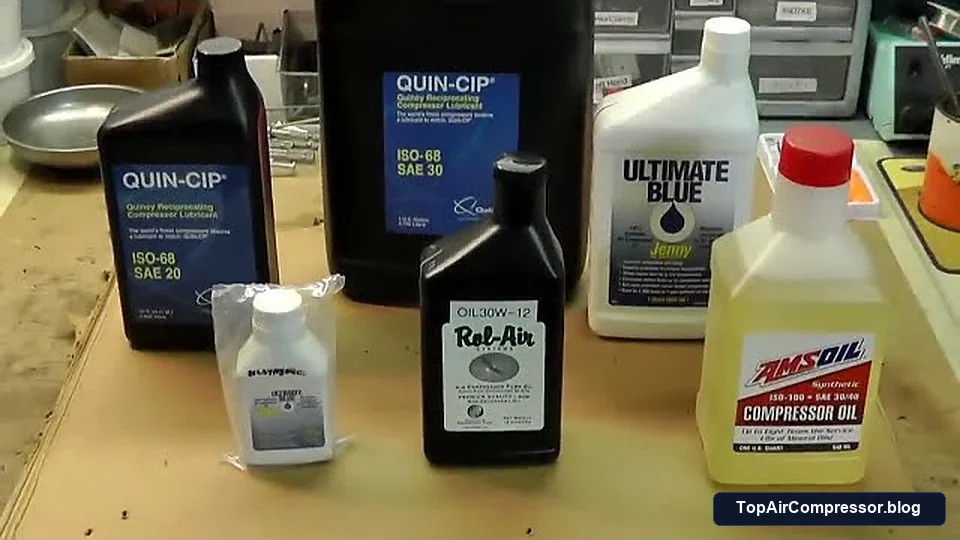
Synthetic lubricants provide superior oxidation resistance and extended service life intervals. Investing in high-grade synthetic fluids drastically reduces overall maintenance downtime and prevents severe varnish buildup.
Diester and polyalphaolefin synthetics handle extreme discharge temperatures without breaking down molecularly. This thermal stability keeps internal air passages clean and ensures consistent volumetric efficiency over time.
Transitioning from mineral to synthetic requires a complete system flush to prevent chemical incompatibility. Mixing residual mineral oil with synthetic blends creates sludge that fouls fine filtration components.
Synthetic lubricants offer vastly superior thermal stability compared to conventional mineral oils. Polyalphaolefin (PAO) base stocks resist oxidation and significantly extend standard oil change intervals safely.
Mineral oils break down rapidly under continuous high-heat operating cycles, forming sludge and varnish. This accumulation fouls oil separators and restricts critical internal oil flow passages.
Industrial facilities running multi-shift operations achieve lower lifecycle maintenance costs using synthetic fluids. They reduce friction coefficients and maintain consistent viscosity across wide temperature fluctuations.
While mineral oils cost less initially, frequent replacement requirements offset initial savings. Industrial applications demand the reliability and oxidation resistance inherent in premium synthetic compressor formulations.
- Synthetic fluids extend service intervals up to eight thousand hours.
- Mineral oils require frequent changes in demanding industrial environments.
- Flush older reservoirs thoroughly before introducing synthetic lubricants.
- Synthetics resist high-temperature varnish and carbon deposit formation.
Evaluating Long-Term Operational Cost Benefits
Although synthetics cost more upfront, their longevity lowers yearly maintenance expenditures. Fewer oil changes mean reduced fluid disposal costs and less labor downtime for facility technicians.
Protecting precision internal components prevents expensive catastrophic pump overhauls down the road. Quality lubricants pay for themselves through reliable, trouble-free daily pneumatic equipment performance.
- Calculate total yearly fluid change labor savings.
- Prevent costly mid-season compressor pump overhauls.
Dangers of Using Unauthorized Automotive Motor Oils
Many operators working with units featured in our Ingersoll Rand Garage Mate review mistakenly pour standard automotive motor oil into shop compressors. These automotive oils create dangerous carbon ash under high temperatures.
Compressor operating temperatures far exceed standard internal combustion engine operating conditions. This intense heat causes automotive additives to burn, turning the lubricant into a sticky, flammable varnish.
Using non-detergent automotive oils is also risky because they lack necessary anti-wear compounds. Without proper industrial additives, precision bearings experience accelerated metal fatigue and catastrophic failure.
Insurance policies and manufacturer warranties often become void if unauthorized automotive fluids are detected. Protect your financial investment by strictly utilizing certified industrial compressor lubrication products.
Automotive motor oils contain high detergent packages and ash additives designed for internal combustion engines. These additives create stubborn carbon deposits on compressor valve plates and separators.
Using standard car oils in industrial air compressors introduces severe fire hazards. Flash point thresholds of automotive oils are often too low for high-compression environments.
Multi-grade motor oils utilize viscosity index improvers that shear down permanently under continuous mechanical stress. Compressor pumps require shearing-resistant single-grade or engineered synthetic lubricants instead.
Facility managers must strictly avoid mixing automotive oils into industrial compressor crankcases. Doing so causes foaming, lubrication starvation, and premature failure of bearings and seals.
- Automotive additives create hazardous carbon deposits inside valves.
- Compressor discharge temperatures cause motor oils to flash.
- Non-detergent oils lack essential extreme-pressure industrial additives.
- Unauthorized fluids immediately void standard manufacturer equipment warranties.
Recognizing Signs of Lubricant Breakdown
Carbon buildup on reed valves indicates improper oil usage or excessive operating heat. Inspect valve plates during routine maintenance to catch early warning signs of lubrication failure.
Burnt smelling exhaust air or smoking oil fill plugs signal severe thermal stress. Immediate fluid replacement is mandatory when you notice unusual odors or dark discoloration.
- Inspect valve plates for black carbon deposits.
- Address unusual burning smells immediately during operation.
Routine Fluid Maintenance and Oil Change Intervals
Establishing a strict preventative maintenance schedule—similar to guidelines in our Ingersoll Rand vs Eaton air compressor comparison—prevents unexpected breakdowns. Monitoring operating hours ensures you perform fluid changes before thermal breakdown occurs.
Standard mineral lubricants typically require replacement every five hundred operating hours. Premium synthetic formulations can safely run for thousands of hours depending on environmental dust levels.
Always drain the oil while the compressor is warm to suspend particulate contaminants. Complete drainage removes suspended metallic debris and sludge before they settle into the bottom sump.
Replace spin-on oil filters simultaneously during every single fluid change procedure. Fresh filters prevent residual contaminants from immediately degrading your newly poured expensive compressor lubricant.
Standard reciprocating compressors require oil changes every 500 hours of runtime or annually, whichever occurs first. Heavy-duty industrial environments demand much more frequent fluid sampling.
Rotary screw compressors using synthetic OEM fluids typically extend change intervals up to 8,000 hours. Always inspect oil sight glasses daily for discoloration or milky contamination.
Drain used oil immediately after shutting down the compressor while the fluid remains warm. Warm oil suspends harmful particulate debris, ensuring thorough removal from the crankcase.
Always replace inline oil filters during fluid service procedures to prevent trapping old contaminants. Clean housings ensure newly added compressor oil maintains optimal filtration efficiency.
- Change mineral oils every five hundred operating hours.
- Run high-end synthetics up to eight thousand service hours.
- Always drain fluid while the compressor is warm.
- Install new spin-on oil filters with every change.
Best Practices for Safe Fluid Disposal
Collect used compressor oil in dedicated, sealed containers to prevent environmental spills. Local regulations dictate proper recycling procedures for hazardous industrial fluids and petroleum wastes.
Never pour waste compressor lubricant down floor drains or municipal sewers. Responsible disposal protects local water supplies and keeps your workshop compliant with environmental agencies.
- Store used oil in sealed recycling containers.
- Comply with local environmental hazardous waste laws.
Video Walkthrough: Introduction
Monitoring Contamination and Moisture in Crankcases
Ambient humidity enters the compressor inlet and condenses inside the warm crankcase. Excessive moisture accumulation causes internal rusting and breaks down the lubricating film strength rapidly.
Check sight glasses daily for milky fluid indicating water contamination. Using effective air dryers alongside resources like our CFM and tank sizing calculator protects your valuable compressor oil from moisture.
Particulate dust from workshop environments enters through intake filters and mixes with oil. This abrasive slurry accelerates cylinder wall wear and damages precision rotary screw rotor profiles.
Inspect intake air filters weekly and replace them before dust bypasses the element. Clean filtration preserves fluid integrity and maximizes the operational lifespan of your compressed air system.
Ambient humidity enters intake filters and condenses inside crankcases during cool-down cycles. Excessive moisture accumulation causes milky oil discoloration and accelerates internal rust and pitting.
Installing automated condensate drains and water separators helps protect compressor oil integrity. Desiccant breathers actively remove atmospheric moisture before it enters the fluid reservoir system.
Particulate contamination from dirty intake filters grinds precision components down prematurely. Inspect intake filter elements weekly and replace them before pressure drops exceed manufacturer specifications.
Periodic oil analysis laboratory testing identifies microscopic wear metals and chemical breakdown early. Detecting elevated copper or iron levels prevents catastrophic mechanical failure before it happens.
- Check sight glasses daily for milky water contamination.
- Replace dirty intake air filters on a strict schedule.
- Install automatic tank drains to reduce ambient moisture buildup.
- Monitor fluid clarity to catch internal mechanical problems early.
Combating High Humidity in Industrial Shops
Humid coastal environments accelerate water condensation inside idle compressor crankcases quickly. Running the unit long enough to reach operating temperature evaporates minor trapped moisture effectively.
Consider adding desiccant breathers to crankcase fill ports for extreme humidity control. These specialized breathers trap airborne moisture before it reaches your compressor lubricant reservoir.
- Run compressors long enough to burn off moisture.
- Install desiccant breathers in high humidity shops.
Frequently Asked Questions
Can I use standard automotive motor oil in my Ingersoll Rand compressor?
Never use automotive motor oil in your compressor system. Automotive detergents create hazardous carbon deposits under high discharge temperatures.
How often should I change the oil in my reciprocating compressor?
Mineral oils require replacement every five hundred operating hours. Premium synthetics can last up to several thousand hours depending on operating conditions.
What happens if I mix mineral oil with synthetic compressor fluid?
Mixing oil types creates chemical incompatibility that forms thick sludge. This sludge clogs fine filtration components and damages precision internal pump valves.
Why does my compressor oil look milky or cloudy in the sight glass?
Milky oil indicates severe moisture contamination from ambient humidity condensation. Drain the system immediately and check your intake air drying setups.
What ISO viscosity grade is typically recommended for shop compressors?
Most standard reciprocating shop compressors require ISO 68 or ISO 100 weights. Always verify your specific manual before purchasing replacement fluid.