What Pressure Should Car Tires Be?
Maintaining proper pneumatic pressure ensures optimal vehicle handling and extends tread life. Accurate inflation safeguards structural integrity across diverse driving conditions.

Most passenger cars require between 32 and 35 PSI when tires are completely cold. Always verify placard figures rather than relying solely on maximum sidewall limits.
Looking for matching picks? See our Best Air Compressor For Car Tires: Top Rated Picks.
Practical Quick-Reference Table
| Scenario / Metric | Recommended Target | Why It Matters |
|---|---|---|
| Standard Passenger Car | 32 to 35 PSI | Balances ride comfort, fuel economy, and uniform tread wear. |
| Light Truck / SUV | 35 to 45 PSI | Supports heavier payload capacities and prevents sidewall flexing. |
| Cold Inflation Check | Before driving | Ensures accurate baseline readings before friction heats air. |
| Temperature Drop | Minus 1 PSI per 10°F | Accounts for ambient thermal contraction during winter months. |
| Monthly Maintenance | Every 30 days | Detects slow leaks and natural air permeation losses. |
| Maximum Sidewall Limit | Never exceed printed PSI | Prevents catastrophic casing failure and blowouts. |
Decoding Passenger Vehicle Pneumatic Pressures and Safety Standards
Maintaining accurate tire pressure is vital for vehicle stability, braking performance, and fuel efficiency. Under-inflated casings generate excessive internal heat during transit, which dramatically increases the risk of sudden tread separation.

Conversely, over-inflation reduces the available contact patch between the rubber compound and the asphalt. Utilizing our cfm tool sizing calculator helps size shop equipment accurately for routine vehicle maintenance tasks.
Modern automotive engineering relies heavily on precise pounds per square inch measurements to support vehicle weight. Establishing correct inflation protocols prevents premature mechanical wear on steering components and suspension linkages.
Understanding these baseline pneumatic dynamics allows operators to maximize fuel economy while maintaining safe stopping distances. Consistent monitoring remains a cornerstone of routine automotive maintenance for every vehicle owner.
- Proper PSI optimizes rolling resistance and maximizes overall fuel economy.
- Correct inflation prevents dangerous heat buildup within internal casing plies.
- Balanced contact patches ensure predictable braking responses on wet surfaces.
- Accurate pressure settings reduce unnecessary stress on suspension components.
Technical Impact of Incorrect Inflation
Deviating from factory specifications creates immediate mechanical penalties that affect safety and operating costs. Low pressure forces the sidewall to flex excessively, generating destructive internal friction.
Excessive pressure concentrates vehicle weight onto a narrow strip of tread, ruining braking grip. Both extremes undermine the structural lifespan of expensive radial tire assemblies.
- Low pressure accelerates shoulder wear through excessive flexing.
- High pressure destroys center tread longevity and reduces traction.
Locating Manufacturer Placards and Interpreting Technical Specifications
Every production vehicle features a dedicated compliance label detailing exact pneumatic requirements for front and rear axles. This vital placard is typically affixed to the driver-side door jamb or pillar.
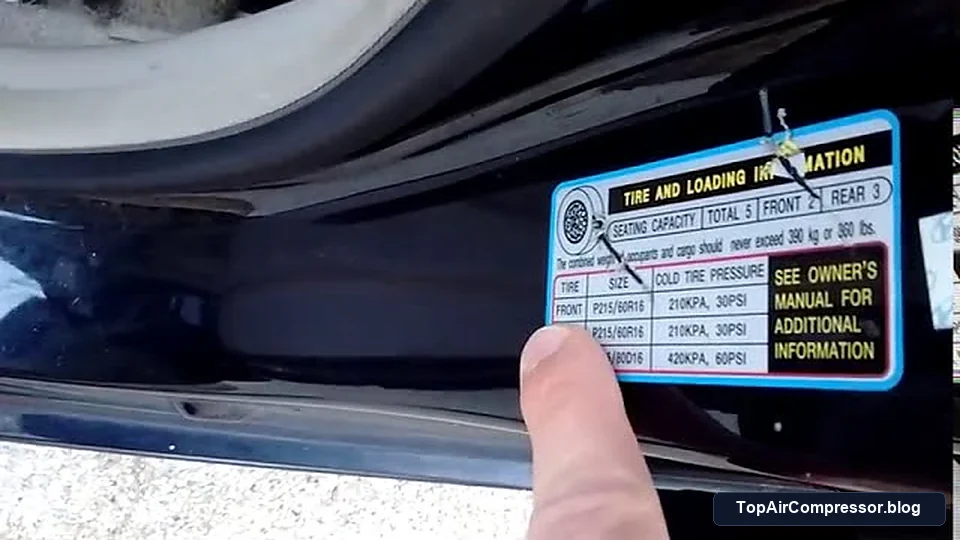
Relying on numbers printed directly on the tire sidewall often leads to dangerous over-inflation errors. The sidewall indicates the absolute maximum pressure threshold, not the ideal setting for your specific vehicle.
Automotive designers calculate the ideal PSI by analyzing vehicle weight distribution, braking dynamics, and suspension tuning. Following these certified placard guidelines ensures optimal safety under maximum payload conditions.
Drivers should photograph this door sticker or record the specifications in their vehicle manual for quick reference. Having this data readily available streamlines monthly maintenance checks at home or service stations.
- Locate the federal certification label on the driver door jamb.
- Ignore maximum sidewall ratings when setting normal daily driving pressures.
- Note separate front and rear axle recommendations if applicable.
- Consult your owner manual for specialized towing pressure adjustments.
Reading the Federal Certification Label
The safety placard displays vehicle capacity weight alongside recommended cold inflation pressures. Pay close attention to differing front and rear axle requirements found on many trucks.
Original equipment tire sizes must match the specifications listed on this compliance sticker. Altering tire dimensions requires professional recalculation of safe operating pressures.
- Verify gross vehicle weight ratings before adjusting inflation targets.
- Match replacement tire sizes to the original equipment placard.
Video Walkthrough: STOP Setting Tire Pressure to 32 PSI! (You're Destroying Your Car)
Defining Ambient Cold Inflation Pressures and Thermal Dynamics
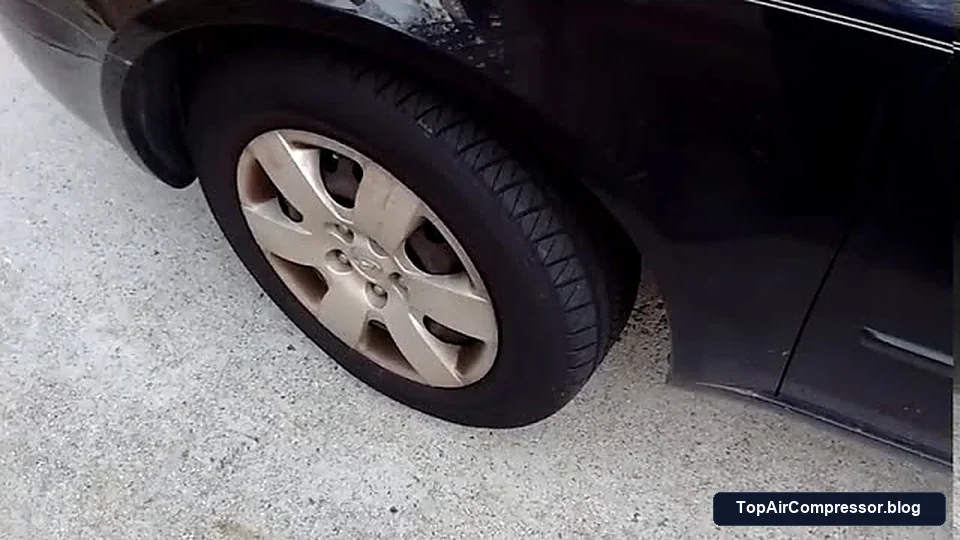
Accurate pressure readings must always be obtained when the vehicle has remained stationary. Consulting our best air pumps for car tires guide helps ensure you measure cold pressure before driving friction heats internal air.
Industry experts define cold pressure as a measurement taken after the car has been driven less than one mile. This baseline guarantees that environmental temperature dictates the reading rather than operational friction.
Attempting to adjust tire pressures on warm tires leads to severe under-inflation once the rubber cools down. Always check and inflate your tires early in the morning before direct sunlight hits them.
Mastering this measurement protocol eliminates guesswork and ensures consistent handling characteristics across all seasonal driving environments. Proper tools, like digital pressure gauges, provide the necessary precision for accurate assessment.
- Take measurements after the vehicle has sat idle for three hours.
- Driving generates heat that artificially raises internal tire pressure readings.
- Morning hours provide the most stable ambient temperature conditions.
- Use calibrated digital gauges for reliable and repeatable PSI data.
Managing Warm Tire Adjustments
If you must adjust pressures on warm tires, add four extra pounds to compensate for heat. Re-check the assembly once it cools completely to verify the final cold inflation target.
Never bleed air out of a warm tire during a trip because it will be under-inflated later. Maintaining patience prevents dangerous pressure deficits during long highway journeys.
- Add a buffer if setting pressure on warm tires temporarily.
- Re-verify cold pressures after the vehicle rests overnight.
Atmospheric Temperature Fluctuations and PSI Deviation Mathematics
Ambient outdoor temperatures directly influence internal tire pressure through fundamental thermodynamic gas laws. For every ten-degree drop in Fahrenheit, tire pressure decreases by approximately one single PSI.
Winter weather transitions frequently trigger dashboard warning lights due to sudden overnight temperature plunges. Using our best 12v air compressor for car tires roundup prevents your tires from running dangerously soft during freezing morning commutes.
Conversely, scorching summer pavement causes internal air to expand, raising pressure well above the baseline placard. Monitoring these thermal swings prevents unexpected handling degradation during extreme seasonal weather events.
Proactive vehicle operators inspect tire pressures monthly to counteract natural thermal contraction and ambient shifts. Keeping portable 12-volt air compressors handy simplifies seasonal correction routines at home.
- Expect a one PSI loss for every ten-degree drop in ambient temperature.
- Winter cold snaps require immediate manual inflation adjustments.
- Summer heat increases pressure, demanding careful verification against over-inflation.
- Routine monthly checks compensate for environmental temperature volatility.
Calculating Seasonal Pressure Adjustments
Calculate expected pressure drops by comparing garage temperatures to outdoor winter operating conditions. Adding two or three extra PSI in autumn helps maintain proper inflation through severe cold snaps.
Always use reliable pressure gauges to verify calculations rather than estimating visually. Visual inspections cannot detect a four-pound deficit in modern radial tires.
- Factor in temperature differentials between indoor storage and outdoors.
- Add winter buffer pressure to combat prolonged sub-freezing weather.
Diagnostic Warning Systems and Tire Pressure Monitoring Protocols
Federal safety mandates require modern vehicles to feature electronic tire pressure monitoring systems for driver protection. These sensors alert operators whenever internal pressure drops twenty-five percent below the recommended placard specification.
Two distinct monitoring architectures exist across the automotive market today, utilizing either direct wheel sensors or indirect ABS calculations. Direct systems transmit exact PSI data, while indirect setups monitor rotational speeds.
Illumination of the dashboard warning indicator demands immediate manual verification with a reliable handheld gauge. Never ignore this yellow light, as it signifies compromised safety margins and potential structural tire damage.
After correcting inflation levels, certain vehicles require a manual system reset procedure through dashboard menus. Consult your owner manual to learn the correct reset sequence for your specific model year.
- Sensors trigger warnings at twenty-five percent below recommended PSI.
- Direct systems utilize radio-frequency transmitters inside each wheel assembly.
- Indirect systems measure wheel speed variations through anti-lock braking sensors.
- Always perform a manual gauge check when the warning light activates.
Troubleshooting Persistent Warning Lights
A blinking TPMS indicator usually points to a malfunctioning electronic sensor or dead internal battery. Solid indicator lights confirm low pressure in one or more pneumatic assemblies requiring immediate air.
Inspect all four tires plus the hidden spare tire compartment if equipped. Some vehicles house monitoring sensors within the temporary spare assembly.
- Blinking indicators signal electronic sensor faults or battery failure.
- Solid lights confirm genuine pressure loss across monitored assemblies.
Analyzing Sidewall Load Ratings and Maximum Pressure Limits
Tire sidewalls display a wealth of critical manufacturing data, including load indices and maximum inflation boundaries. Understanding these embossed characters prevents dangerous overloading and catastrophic structural casing failures.
The maximum pressure rating stamped on the sidewall represents the absolute structural limit of the tire. Operating your vehicle at this maximum limit produces a harsh ride and accelerated center tread wear.
Always prioritize the vehicle manufacturer door placard over the maximum sidewall figure for daily driving. The placard balances comfort, load capacity, and handling dynamics engineered specifically for your chassis.
Inspect sidewalls regularly for accidental bulges, cracking, or deep abrasions caused by curbs. Compromised sidewalls cannot safely hold rated pressures and demand immediate professional replacement.
- Sidewall stamps display maximum pressure limits, not recommended operating targets.
- Load index numbers dictate maximum weight capacity per individual tire.
- Never exceed the embossed maximum PSI limit during inflation tasks.
- Check sidewalls for cuts, bulges, or structural degradation regularly.
Interpreting Sidewall Nomenclature
Standard tire codes begin with letters indicating vehicle class, followed by section width and aspect ratio. Recognizing these markings ensures you purchase correct replacement parts matching original specifications.
Load range letters indicate ply rating strength for heavy-duty truck and trailer applications. Higher letter designations correspond to heavier load-carrying capabilities at elevated pressures.
- Section width and aspect ratio define physical tire dimensions.
- Load range letters specify internal ply strength and capacity.
Establishing Routine Maintenance Intervals and Air Compressor Setup
Establishing a strict monthly maintenance routine prevents unexpected deflation emergencies on busy roadways. Using our best air compressor for car tires selection, check all four tires and your emergency spare every thirty days.
Equipping your garage with a reliable 12-volt inflator or compact electric compressor simplifies home maintenance tasks. Having proper equipment encourages frequent inspections without requiring trips to commercial service stations.
Ensure your air compressor hose and chuck seal tightly against the valve stem to prevent air loss. Replace missing valve stem caps immediately to keep damaging dirt and moisture out of the core.
Keep a dedicated tire pressure gauge in your glove compartment for roadside verification during long trips. Diligent maintenance habits extend tire life, protect suspension parts, and guarantee maximum travel safety.
- Inspect tire pressures every thirty days without fail.
- Keep a portable air compressor in your home garage for convenience.
- Always replace missing valve stem caps to protect internal cores.
- Store a reliable digital pressure gauge inside your vehicle cabin.
Using Portable Compressors Safely
Park on a level surface and engage the emergency brake before operating portable air compressors. Connect the power leads securely and monitor the built-in gauge closely during inflation.
Avoid running compact compressors continuously for extended periods to prevent thermal motor overload. Allow the equipment to cool between multi-tire inflation tasks.
- Ensure the vehicle is parked securely before beginning inflation.
- Monitor duty cycles to prevent overheating portable compressors.
Frequently Asked Questions
What is the standard recommended tire pressure for most passenger cars?
Most passenger vehicles require between 32 and 35 PSI for normal daily driving conditions. Always check your specific door placard for exact numbers.
Should I inflate my tires to the maximum pressure listed on the sidewall?
Never inflate tires to the maximum sidewall limit for routine driving. Always follow the vehicle manufacturer placard located on the driver door jamb.
How does cold weather affect my car tire pressure?
Tire pressure drops by about one PSI for every 10°F drop in ambient temperature. Winter weather demands regular manual inflation adjustments.
When is the best time of day to check my tire pressure?
Check your tires early in the morning before driving or exposure to direct sunlight. Cold pressure readings provide the most accurate baseline measurements.
Why is my tire pressure monitoring warning light staying illuminated?
A solid light indicates pressure has dropped twenty-five percent below recommended targets. Inspect all tires immediately with a gauge and inflate as needed.