What PSI Compressor Do I Need
Determining the correct pressure rating prevents equipment starvation and operational failures. Proper sizing ensures your pneumatic tools receive steady energy without overworking the motor.

Always match your compressor maximum pressure to your highest-pressure tool plus a twenty percent safety buffer. This prevents pressure drops during extended operational cycles and heavy workloads.
Looking for matching picks? See our Best 150 Psi Air Compressor: Top Garage Picks (2026).
Practical Quick-Reference Table
| Scenario / Metric | Recommended Target | Why It Matters |
|---|---|---|
| Standard Brad Nailer | 70 to 90 PSI | Prevents wood surface damage and countersinking errors. |
| Impact Wrench (Automotive) | 90 to 100 PSI | Delivers required torque for lug nut removal. |
| High-Volume Sanding | 90 PSI continuous | Sustains tool RPM under heavy friction loads. |
| Paint Spray Gun | 45 to 60 PSI | Ensures even atomization without overspray issues. |
| Industrial Workshop Main | 150 to 175 PSI | Accommodates long distribution lines and multiple drops. |
| Safety Relief Valve | 110% of tank rating | Protects vessel integrity against catastrophic overpressurization. |
Decoding Pounds Per Square Inch and Operating Pressure Basics
Understanding compressed air pressure requires examining how force distributes across a specific square inch of surface area. Pounds per square inch dictates the sheer force driving your pneumatic machinery.
Manufacturers build tanks to withstand specific maximum pressure thresholds before structural failure occurs. Using our cfm tool sizing calculator helps ensure you operate safely within correct engineering limits.
Your pneumatic tools require specific operating pressures to function efficiently under load conditions. Ignoring these fundamental manufacturer specifications results in sluggish performance and premature internal component wear.
Selecting appropriate equipment demands careful analysis of both static pressure and dynamic working pressure requirements. Dynamic pressure drops happen rapidly once air begins flowing through your distribution network.
- Always verify the maximum tank pressure rating before initial startup.
- Measure pressure at the tool inlet, not just the tank gauge.
- Account for altitude-related atmospheric pressure variations in high regions.
- Inspect pressure relief valves monthly for proper mechanical movement.
- Keep operational targets below maximum tank limits for longevity.
Static Versus Dynamic Pressure Realities
Static pressure measures force inside a closed system when no air flows. Dynamic pressure reflects real operational conditions when tools draw active airflow through your hoses.
Friction along hose walls creates measurable pressure drops between the regulator and tool. Proper hose sizing mitigates these losses and maintains stable tool performance during heavy jobs.
- Use larger diameter hoses for runs exceeding fifty feet.
- Check for internal restrictions caused by damaged quick-connect fittings.
Why Your Compressed Air Source Needs Higher Pressure Than the Tool
Many technicians mistakenly purchase compressors matching exact tool pressure requirements. System friction, friction losses, and line drops mean your supply must exceed tool needs by twenty percent.
Long distribution piping introduces significant resistance that drains usable working pressure before reaching workstations. Compensating for these line losses requires higher initial tank pressures and robust regulators.
When multiple tools operate simultaneously, system pressure fluctuates significantly across the entire workshop manifold. Maintaining a higher reservoir pressure buffers these sudden demands without starving downstream equipment.
Air conditioning units and moisture separators also introduce minor pressure drops across their internal filter elements. Filtration resistance demands additional upstream pressure to keep final tool delivery optimal.
- Add twenty percent margin to your highest tool requirement.
- Inspect distribution piping for sharp bends causing pressure drops.
- Ensure quick-disconnect fittings possess adequate flow orifice sizes.
- Clean filter elements regularly to prevent excessive pressure drops.
- Monitor regulator performance during peak multi-tool operation times.
Accounting for Friction Losses in Distribution Piping
Iron pipes and flexible hoses generate wall friction that slows compressed air velocity over distance. Frictional drag increases exponentially when airflow velocities exceed recommended engineering standards.
Minimizing elbows and utilizing smooth interior piping materials preserves valuable operating pressure effectively. Engineers recommend sizing main headers larger than branch lines to maintain stable pressure.
- Avoid ninety-degree pipe fittings wherever possible in main runs.
- Slope distribution lines slightly toward automated condensate drain traps.
Video Walkthrough: High PSI - Good or Bad?
Essential Methods for Calculating Total Air Volume and Pressure Demand
Calculating compressed air demand requires cataloging every pneumatic device operating within your facility. You must evaluate individual pressure requirements and duty cycles for each specific tool.
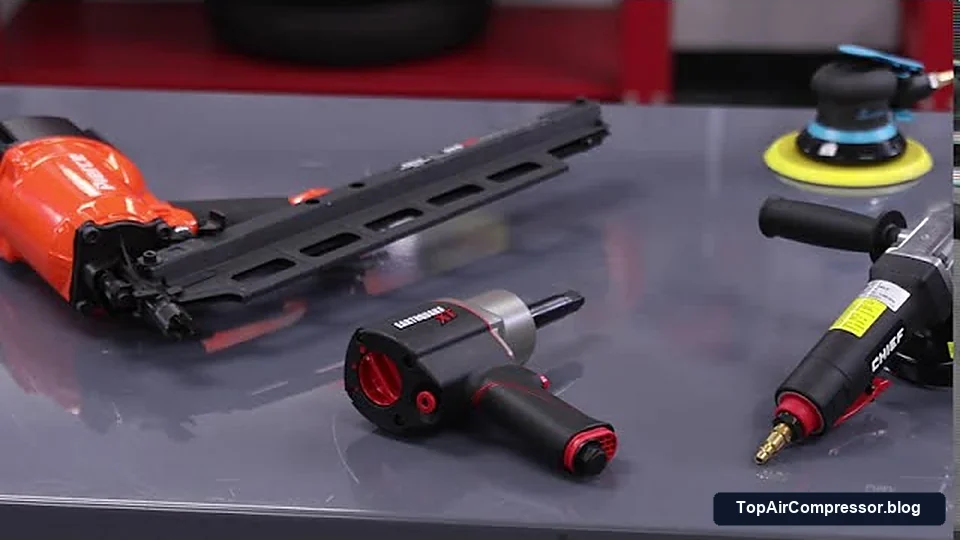
Add up the air consumption of all tools likely to run simultaneously during peak periods. Consulting our best 200 psi air compressor guide helps prevent undersizing your compressor plant.
Duty cycle percentages dictate how long tools run versus how long they rest between cycles. Intermittent nailing tools require less continuous capacity than continuous rotary sanders or blast cabinets.
Environmental factors like ambient temperature and humidity also influence overall compressor volumetric efficiency calculations. Volumetric efficiency drops in hot weather, requiring larger displacement pumps to compensate.
- List all active pneumatic tools and their exact CFM ratings.
- Factor in a safety buffer for future shop expansion plans.
- Evaluate duty cycles accurately based on actual work shifts.
- Consult manufacturer specification sheets for precise air consumption data.
- Review historical usage logs if upgrading an existing compressor system.
Evaluating Peak Load Versus Average Consumption
Peak load analysis examines the absolute maximum air volume required during busiest operational intervals. Designing solely for average consumption guarantees low pressure faults during high-demand windows.
Storage receivers act as capacitors, storing compressed air to bridge gaps during peak spikes. Receiver tank sizing must match compressor output to prevent excessive motor cycling.
- Size receiver tanks based on compressor displacement and flow.
- Install automatic tank drains to prevent moisture accumulation issues.
Evaluating System Pressure Ratings: 150 PSI Versus 175 PSI Units
Reviewing an air compressor cfm vs psi chart clarifies operational differences between 150 and 175 PSI units. Higher tank pressure stores more potential energy within the exact same physical volume.
Commercial-grade two-stage compressors typically deliver 175 PSI maximum pressures suitable for heavy industrial applications. Single-stage consumer models usually max out around 135 or 150 PSI thresholds.
Running a higher base pressure allows downstream regulators to deliver stable pressure despite tank depletion. This buffer prevents the compressor motor from short-cycling during demanding heavy-duty tasks.
Operating higher pressures safely demands strict adherence to ASME pressure vessel certification and inspection standards. Vessel safety compliance protects personnel from catastrophic tank failures in commercial settings.
- Match pressure stage ratings to your specific industrial workload.
- Verify local code requirements for high-pressure storage vessels.
- Utilize dual-stage pumps for continuous duty above 150 PSI.
- Inspect pressure relief valves annually for certified calibration accuracy.
- Monitor oil levels in lubricated high-pressure industrial compressor pumps.
Understanding Two-Stage Compression Advantages
Two-stage pumps compress air twice through progressively smaller cylinders to achieve higher pressures efficiently. Intercoolers cool the air between stages, improving overall volumetric efficiency significantly.
These robust pumps run cooler and last longer than comparable single-stage units under heavy loads. Industrial facilities rely on two-stage technology for continuous multi-shift compressed air supply.
- Keep intercooler fins clean for optimal heat dissipation.
- Service check valves between stages during routine maintenance.
Mastering Pneumatic Regulators and Precision Pressure Delivery Control
Air pressure regulators are critical devices that reduce high tank pressure to safe tool levels. Precision pressure control ensures your sensitive pneumatic instruments never experience damaging over-inflation.
Diaphragm regulators utilize internal springs and balancing forces to maintain consistent downstream pressure automatically. Turning the adjustment knob compresses the internal spring against the main valve seat.
Always adjust your regulator while air is actively flowing through the hose to prevent errors. Dynamic adjustment accounts for natural pressure drops that occur the moment tools start running.
Install moisture traps and particulate filters directly upstream of your pressure regulator for protection. Contaminants can damage delicate internal regulator seals and cause erratic pressure delivery problems.
- Never exceed the maximum outlet pressure rating of your regulator.
- Bleed downstream pressure before performing regulator maintenance or repairs.
- Inspect internal diaphragms annually for signs of rubber degradation.
- Mount regulators securely to vibration-free surfaces near workstations.
- Use dedicated secondary regulators for tools requiring precise pressure settings.
Troubleshooting Common Pressure Regulator Failures
A creeping regulator usually indicates worn internal valve seats allowing high-pressure air to leak. Regulator creep can over-pressurize downstream tools if left unaddressed by maintenance technicians.
Excessive vibration in industrial environments can cause regulator adjustment knobs to back out spontaneously. Locking mechanisms or safety caps prevent unauthorized or accidental pressure setting changes.
- Replace damaged internal valve seats immediately upon discovery.
- Utilize locking regulator knobs in high-vibration manufacturing zones.
Recognizing Operational Failures Caused by Incorrect Pressure Levels
Operating pneumatic tools below required pressure levels severely degrades fastener driving depth and torque output. Low pressure starvation causes pneumatic nailers to jam and impact wrenches to stall.
Conversely, supplying excessive pressure to sensitive tools destroys internal vanes, seals, and pneumatic motors rapidly. Over-pressurization damage voids manufacturer warranties and creates hazardous flying debris risks for operators.
Paint spray guns operated at incorrect pressures produce uneven atomization, orange peel, and severe runs. Matching exact gun manufacturer specifications ensures a smooth, professional finish on every painted surface.
Air motors running on restricted pressure draw excessive electrical current, leading to burned stator windings. Maintaining proper pressure protects your valuable equipment investment from premature electrical motor failure.
- Check tool inlet pressure whenever performance suddenly begins dropping.
- Educate shop operators on correct pressure settings for each tool.
- Install lockout valves to prevent unauthorized pressure adjustments on lines.
- Inspect tool internal seals regularly for signs of pneumatic stress.
- Keep a calibrated pressure gauge at every permanent workstation drop.
Diagnosing Symptoms of Low Compressor Pressure
Sluggish tool response times and frequent stalling point directly to insufficient system pressure or volume. System starvation often stems from restricted filters or undersized distribution piping networks.
When upgrading, check out our best 150 psi air compressor review to find reliable shop units. Continuous running indicates severe air leaks or a worn pump requiring immediate overhaul.
- Perform ultrasonic leak detection audits across your facility annually.
- Replace clogged air intake filters to restore normal pump output.
Avoiding Common Sizing Pitfalls in Industrial and Workshop Setups
A frequent sizing mistake involves confusing maximum tank pressure with actual continuous airflow delivery capacity. CFM delivery capacity remains far more critical for sustained tool operation than peak PSI.
Purchasing a compressor based solely on horsepower ratings leads to severe operational disappointments and delays. True compressed air output depends on pump displacement and volumetric efficiency design parameters.
Ignoring future workshop expansion plans results in an undersized compressed air system that requires replacement. Always size your initial installation to accommodate future tool additions and increased workload shifts.
Forgetting to account for auxiliary equipment like refrigerated air dryers introduces additional pressure drops. Air treatment pressure drops must be factored into your master system design calculations.
- Focus on CFM ratings at specific PSI rather than horsepower.
- Factor in future tool expansions when purchasing receiver tanks.
- Account for pressure drops across all air treatment accessories.
- Consult experienced compressed air professionals for complex facility designs.
- Review actual duty cycles before committing to specific equipment tiers.
The Danger of Horsepower Misconceptions
Peak horsepower claims on consumer marketing materials rarely reflect actual electric motor operating performance. Running horsepower provides a realistic baseline for electrical infrastructure and thermal load planning.
Electrical supply voltage drops can overheat motors drawing excessive amperage during heavy compressor cycles. Ensure your facility electrical service matches compressor motor full-load amperage requirements completely.
- Verify breaker sizes and wire gauges before installing compressors.
- Install thermal overload protection on all heavy-duty motor circuits.
Frequently Asked Questions
What PSI do most standard pneumatic workshop tools require?
Most standard pneumatic workshop tools require stable operating pressures between ninety and one hundred PSI to achieve optimal mechanical performance, consistent fastener depth, and reliable daily torque output.
Operating significantly below this designated pressure threshold causes noticeable power loss, incomplete fastener countersinking, and persistent tool stalling during heavy multi-task workloads across your entire facility.
Why must my compressor PSI be higher than the tool requirement?
Your compressor must maintain a significantly higher pressure rating to successfully overcome natural line friction, pressure drops across long distribution hoses, and airflow restrictions through quick-disconnect fittings.
Without incorporating this vital twenty percent safety margin into your initial system design, downstream pneumatic tools will experience severe pressure starvation and sluggish performance during continuous active operation.
How do I correctly adjust the output PSI on my regulator?
You should always adjust your pneumatic pressure regulator while air is actively flowing through the hose to accurately account for dynamic pressure drops under active load.
Turning the adjustment knob clockwise increases the downstream outlet pressure, while counter-clockwise rotation securely decreases the delivered working pressure to precisely match delicate manufacturer tool operating requirements.
What happens if I supply too much PSI to a pneumatic tool?
Supplying excessive pressure to pneumatic tools rapidly destroys delicate internal seals, damages moving motor vanes, and creates dangerous flying debris safety risks for nearby human operators.
Furthermore, this dangerous over-pressurization instantly voids manufacturer equipment warranties and drastically shortens the reliable operational lifespan of your valuable workshop investments across demanding job sites.
Is a 175 PSI compressor always better than a 150 PSI model?
A 175 PSI unit stores significantly more potential energy and provides a larger pressure buffer, but it is not always strictly necessary for basic residential workshop tasks.
Choosing between these specific pressure ratings ultimately depends on your heavy industrial applications, complex distribution piping layouts, and simultaneous multi-tool operational demands every single day.