What PSI Should BMW 1 Series Tyres Be?
Proper inflation keeps your BMW 1 Series handling safely and wearing tires evenly. Accurate air compressor calibration prevents premature tread degradation.

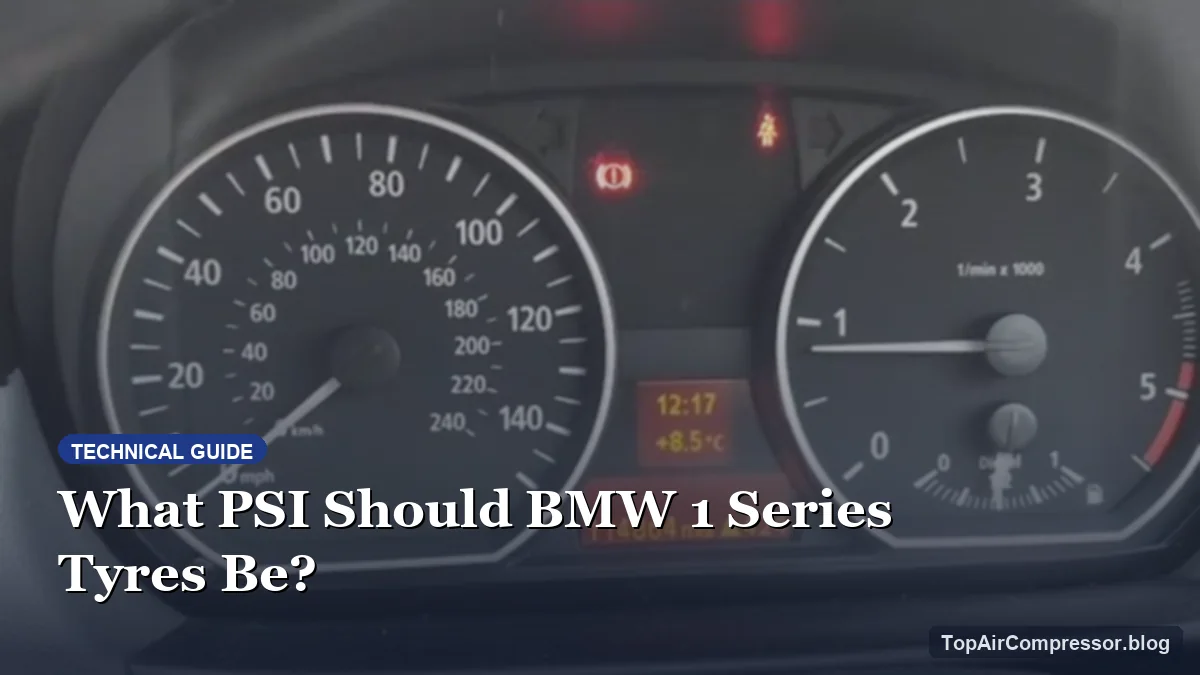
Standard tire pressures range from 32 to 38 PSI depending on your specific wheel size and vehicle load. Always verify cold inflation values using a digital gauge before connecting your compressor.
Looking for matching picks? See our Best Tyre Air Compressor: Top Picks for Reliable Roadside Safety.
Practical Quick-Reference Table
| Scenario / Metric | Recommended Target | Why It Matters |
|---|---|---|
| Light Load Front | 32 PSI | Ensures neutral steering response. |
| Light Load Rear | 32 PSI | Maintains balanced rear traction. |
| Full Load Front | 36 PSI | Supports increased front axle weight. |
| Full Load Rear | 38 PSI | Prevents sidewall overheating under load. |
| High Speed Driving | +4 PSI | Reduces high-speed tire deflection. |
| Compact Spare | 60 PSI | Ensures emergency readiness on demand. |
Understanding BMW 1 Series Pressure Specifications
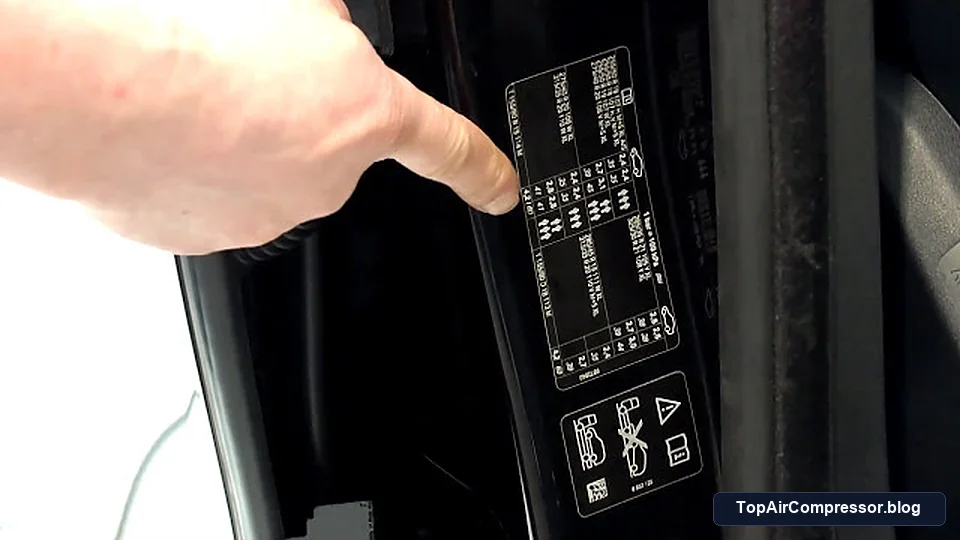
Your BMW 1 Series requires specific PSI ratings printed on the driver-side door jamb placard. Never guess these figures based solely on generic tire sidewall maximums.
Different engine sizes, from three-cylinder diesels to inline-six performance variants, alter front and rear weight distribution. This requires precise front-to-rear pressure adjustments for optimal handling balance.
Factory recommendations account for vehicle weight, suspension geometry, and braking dynamics. Following these guidelines ensures your stability control systems operate within exact manufacturer parameters.
Ignoring placard specifications compromises your car's cornering grip and accelerates center or shoulder tread wear. Accurate inflation maximizes both safety and tire longevity.
- Locate the placard on the driver door pillar.
- Check pressures while tires are completely cold.
- Account for passenger and cargo weight variations.
- Match ratings to your exact wheel diameter.
Decoding Placard Metrics
The manufacturer placard lists separate pressures for normal loads and high-speed driving. Reviewing these distinct categories protects your tires during extended highway trips.
European vehicle standards list pressures in bar and PSI. Understanding measurements is critical, and reading our cfm vs psi guide helps clarify how flow and pressure ratings affect everyday workshop inflation tasks.
- Convert bar to PSI by multiplying by 14.503.
- Note the distinction between normal and full loads.
Core Air Compressor Setup for Precision Inflation
Connecting your portable or stationary compressor requires checking the regulator output valve. Set your target pressure slightly above your final goal to account for hose friction losses.
Inspect your air hose for cracks, kinks, or damaged brass fittings before starting. Choosing reliable units like our featured top 500 series compressor options guarantees dependable pressure delivery.
Clean any dirt or moisture from the tire valve stem threads before attaching the chuck. Debris inside the valve core can cause slow air leaks after inflation.
Ensure your compressor moisture trap is drained to prevent water entering the tire cavity. Internal moisture can corrode the aluminum or steel wheel bead over time.
- Inspect quick-connect couplers for worn O-rings.
- Purge air lines of condensation before use.
- Verify compressor automatic shut-off calibration settings.
- Keep a standalone digital pressure gauge nearby.
Managing Air Hose Lengths
Long supply hoses introduce pressure drops that distort your regulator readings. Compensate for this drop by adjusting the main tank regulator upward by two psi.
Keep your hose untangled to ensure smooth airflow during top-offs. A kinked line restricts volume and slows down the overall inflation process significantly.
- Use reinforced rubber lines for consistent delivery.
- Avoid sharp bends near the compressor output port.
Video Walkthrough: What should my tyre pressures be? How to read the BMW tyre pressure chart. F20 F21
Step-by-Step Tire Inflation Workflow
Remove the plastic valve stem cap and store it safely in your pocket. Press your digital chuck firmly onto the valve until the hissing sound stops completely.
Monitor the inline gauge or digital readout closely as air enters the chamber. Avoid overinflating past your target PSI to reduce unnecessary stress on the tire carcass.
If you exceed the target pressure, use the bleed valve to release air. Reviewing scfm vs cfm comparisons also helps when matching pump displacement to your pneumatic tools.
Disconnect the chuck quickly to minimize air loss from the tire interior. Thread the protective plastic cap back onto the stem to block road salt and debris.
- Never force a misaligned chuck onto valve threads.
- Listen carefully for audible air leaks during filling.
- Torque valve caps snugly by hand only.
- Repeat the process across all four running tires.
Handling Stubborn Valve Cores
Stuck or leaking valve cores prevent accurate pressure stabilization during inflation. Keep a simple valve tool in your toolkit to snug loose internal cores.
Replace heavily corroded brass cores immediately to maintain an airtight seal. A failing core will bleed compressor air the moment you disconnect the chuck.
- Carry replacement brass valve cores in your kit.
- Test repaired valves with soapy water spray.
Adjusting Pressures for Load and Speed Variants
Carrying a full cabin of passengers and luggage demands higher rear tire pressures. Check the placard's upper section for heavy-load specifications before starting long journeys.
Sustained highway speeds above one hundred miles per hour generate excessive internal heat. Adding four PSI counteracts high-speed deflection and protects structural tire integrity.
Winter weather conditions require monitoring ambient temperature drops very closely. Every ten-degree drop in outdoor temperature reduces internal tire pressure by roughly one single PSI.
Compensate for cold weather by adding extra air before heading out into freezing mornings. Neglecting seasonal adjustments leads to underinflated tires and poor fuel economy.
- Add PSI for heavy luggage or cargo loads.
- Account for highway speed heat buildup factors.
- Recalibrate pressures during seasonal temperature shifts.
- Check spare tire pressure twice every year.
Tracking Dynamic Pressure Changes
Driving generates friction that heats up internal air and raises operating pressures. Never bleed air from warm tires after a long highway drive.
Always perform your inflation adjustments when the vehicle has rested for three hours. This guarantees your baseline measurements reflect true cold-inflation standards.
- Ignore temporary pressure spikes on warm tires.
- Wait for complete cooling before bleeding air.
Troubleshooting Common Inflation Irregularities
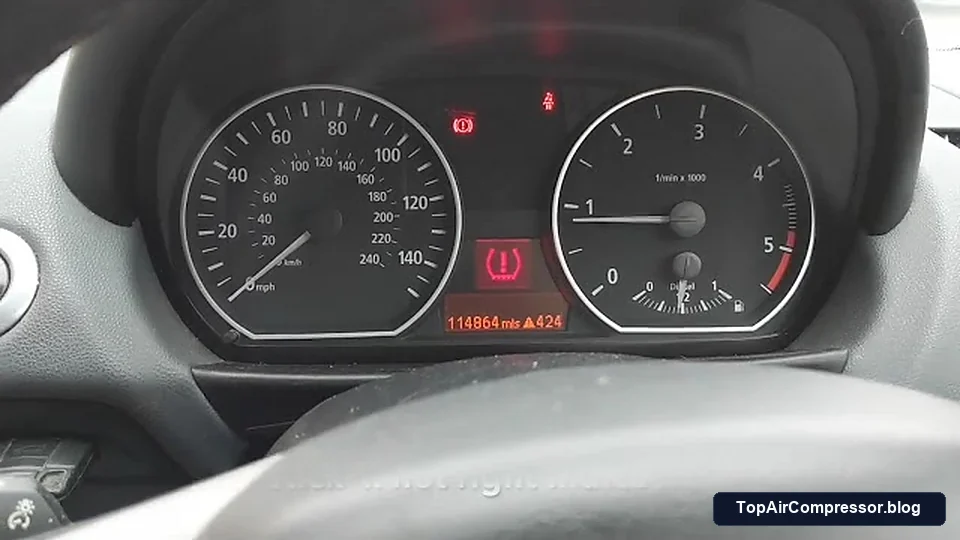
A slow, persistent pressure drop in a single tire often indicates a damaged rim bead. Inspect the wheel edge for microscopic corrosion or trapped road debris.
Faulty Schrader valves account for numerous unexplained pressure losses across luxury vehicle fleets. Spray soapy water over the stem to check for escaping air bubbles.
Defective compressor pressure switches can cause erratic motor cycling and inaccurate shutoffs. Replace failing electrical switches immediately to restore reliable garage performance.
Persistent air leaks demand professional tire patch repairs or complete valve stem replacements. Ignoring slow leaks risks sudden deflation at high highway speeds.
- Test for bead leaks with soapy water solution.
- Inspect tire treads for embedded screws or nails.
- Check compressor intake filters for clogs.
- Calibrate analog gauges against digital references.
Diagnosing Compressor Pressure Drops
If your compressor tank loses pressure while idle, check the check valve. You can also run our cfm tool sizing calculator to verify your system matches operational demands.
Apply thread sealant to loose manifold fittings to eliminate internal pneumatic leaks. Maintaining a tight system preserves motor life and ensures steady airflow.
- Listen for hissing near tank manifold fittings.
- Replace faulty tank drain valves securely.
Video Walkthrough: Bowker BMW Guide to Tyre Pressures
Maintenance and Safety Protocols for Equipment
Regular air compressor maintenance guarantees reliable operation during routine vehicle checks. Drain accumulated tank moisture weekly to prevent internal rust and structural tank failure.
Inspect your power cords and pneumatic hoses for exposed wiring or cracks. Damaged electrical cords create severe shock hazards in damp workshop environments.
Always wear ANSI-approved safety glasses when operating high-pressure air tools or inflating tires. Flying debris or failing valve stems present significant eye injury risks.
Keep your compressor in a dry, ventilated area away from flammable workshop materials. Safe storage extends equipment lifespan and protects your home garage workspace.
- Drain receiver tanks after every heavy use.
- Store air hoses coiled without sharp kinks.
- Test safety pressure relief valves manually.
- Keep workspace clear of tripping hazards.
Safe Storage Practices
Unplug your electric compressor and release remaining tank pressure before storing it. Relieving residual line tension prevents premature fatigue on internal regulator diaphragms.
Store portable units upright to prevent compressor oil leaks into discharge lines. Proper storage ensures your equipment remains ready for immediate deployment.
- Release tank air via drain cock.
- Keep units covered from workshop dust.
Optimizing Tire Longevity and Fuel Efficiency
Maintaining correct tire pressure ensures maximum contact patch area on the asphalt. Proper contact distributes vehicle weight evenly across the entire tread pattern.
Underinflated tires flex excessively, generating high internal temperatures and increasing rolling resistance. This unnecessary friction wastes valuable fuel and degrades casing durability.
Overinflated tires reduce your vehicle's braking footprint and cause harsh ride quality. Stick closely to factory placard specifications for ideal ride comfort and safety.
Rotate your tires every six thousand miles to complement correct inflation routines. Balanced maintenance guarantees uniform tread wear throughout the lifespan of your tires.
- Check pressures monthly to maintain fuel economy.
- Inspect tread depth using a reliable gauge.
- Align suspension geometry annually for even wear.
- Avoid striking curbs during tight parallel parking.
Interpreting Uneven Wear Patterns
Center tread wear typically indicates chronic overinflation over extended mileage periods. Reduce pressure slightly if your tires show accelerated wear down the middle.
Outer shoulder wear reveals chronic underinflation or aggressive cornering habits on twisty roads. Correct your baseline inflation to restore balanced tread longevity.
- Look for feathering along tread blocks.
- Measure inner and outer grooves separately.
Frequently Asked Questions
What is the correct tire pressure for a BMW 1 Series?
Standard tire pressures typically range from 32 to 38 PSI depending on your specific wheel size and vehicle load. Always check the official placard located on your driver-side door pillar for exact factory specifications.
Should I check my BMW tire pressure when tires are warm?
No, you should always check pressures when your tires are completely cold after resting for three hours. Driving generates friction heat that artificially raises internal pressure readings above baseline standards.
How often should I inflate my BMW 1 Series tires?
You should inspect and adjust your tire pressures at least once a month using a reliable digital gauge. Regular monthly checks prevent slow leaks from turning into dangerous underinflation scenarios.
Does cold weather affect BMW tire pressure levels?
Yes, outdoor temperature drops cause internal tire pressure to decrease by roughly one PSI for every ten degrees. Make sure to add extra air during the first freezing days of winter.
Can I use any portable air compressor for my BMW?
You can use any 12V or standard workshop compressor as long as it features an accurate pressure gauge. Ensure your air chuck forms a secure seal around the valve stem without leaking.