What PSI Should Jeep Wrangler Tires Be?
Understanding correct tire pressures ensures optimal safety and tread wear across your vehicle. Proper inflation maintains optimal contact patches for daily commuting or rugged trail driving.

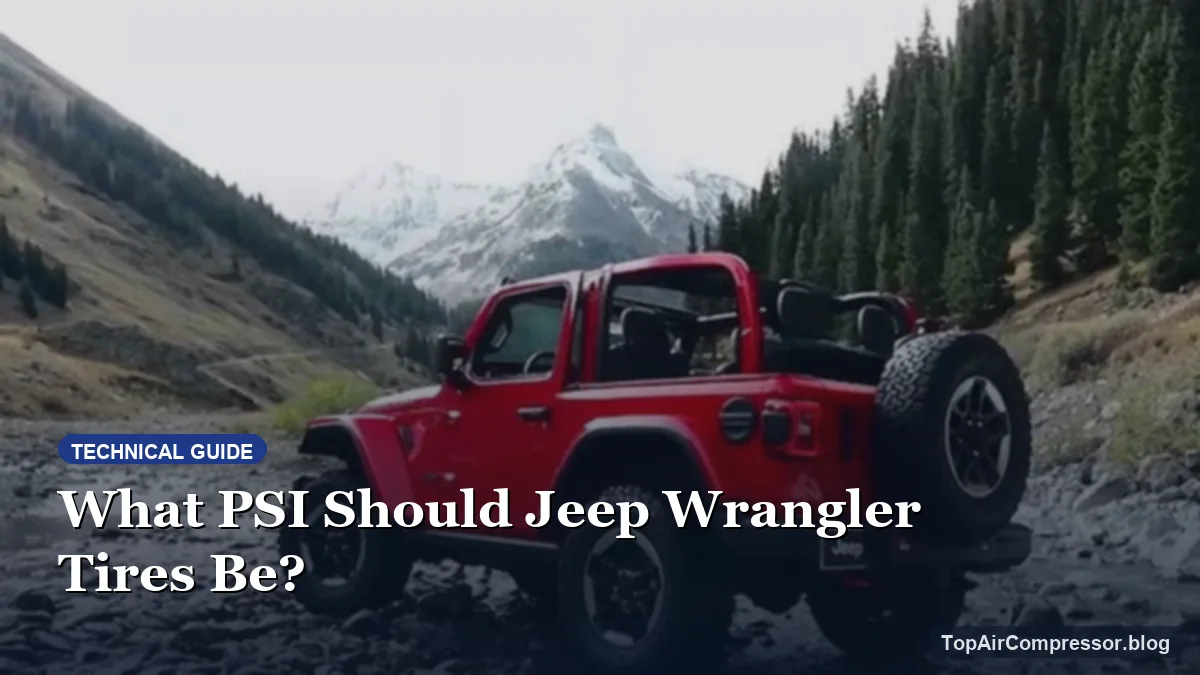
Factory Jeep Wrangler tires typically require 35 PSI for standard street driving. Always verify your specific load requirements using the doorjamb placard rather than sidewall maximum limits.
Looking for matching picks? See our Best Air Compressor For Jeep Tires: Top Trail Picks.
Practical Quick-Reference Table
| Scenario / Metric | Recommended Target | Why It Matters |
|---|---|---|
| Stock Street Driving | 35 PSI | Ensures even tread wear and optimal fuel economy. |
| Off-Road Sand Trail | 15 to 18 PSI | Maximizes tire footprint for enhanced flotation and grip. |
| Rock Crawling | 12 to 15 PSI | Conforms to sharp obstacles and prevents pinch flats. |
| Heavy Towing / Cargo | 37 to 39 PSI | Supports increased load capacity and stability. |
| Cold Weather Drop | Add 1 PSI per 10°F drop | Compensates for natural pressure loss during winter. |
| Maximum Sidewall | Varies by tire brand | Absolute safety limit never to exceed cold. |
Decoding Factory Tire Pressure Placards for Jeeps
Determining the correct inflation pressure starts with the manufacturer sticker located on the driver side door pillar. This specific placard accounts for vehicle weight, suspension setup, and original equipment tire size.
Ignoring factory specifications often leads to premature tread wear and reduced efficiency. Running accurate mathematical models similar to our cfm and tank sizing calculator helps balance proper ride comfort with safe heavy-load margins.
Never rely on the maximum pressure stamped into the rubber sidewall of your replacement tires. That rating indicates the absolute upper structural limit rather than the ideal daily operating pressure for your Wrangler.
Always measure your tire pressures when the rubber is completely cold before driving. Ambient temperature fluctuations directly impact internal air volume, shifting readings by roughly one pound per square inch per ten degrees.
- Locate the official driver doorjamb placard for baseline numbers.
- Disregard maximum PSI ratings printed on the tire sidewall.
- Check air pressure exclusively when tires are cold.
- Account for ambient temperature swings during seasonal transitions.
Reading Aftermarket Tire Placards
Installing larger off-road tires requires a modified approach to determine appropriate inflation levels. Heavier rubber compounds and stiffer sidewalls change how the vehicle interacts with the road surface significantly.
Conduct a chalk test by drawing a line across the tread and driving slowly. Uneven chalk removal indicates whether your current pressure is too high or too low for the vehicle weight.
- Perform chalk tests to verify contact patch flatness.
- Adjust pressures incrementally based on tread wear patterns.
Assessing Daily Driving Versus Off-Road Pressures
Standard highway commuting demands higher tire pressures to reduce rolling resistance and maintain predictable steering response. Most modern Wrangler models operate best around thirty-five pounds per square inch on paved asphalt.
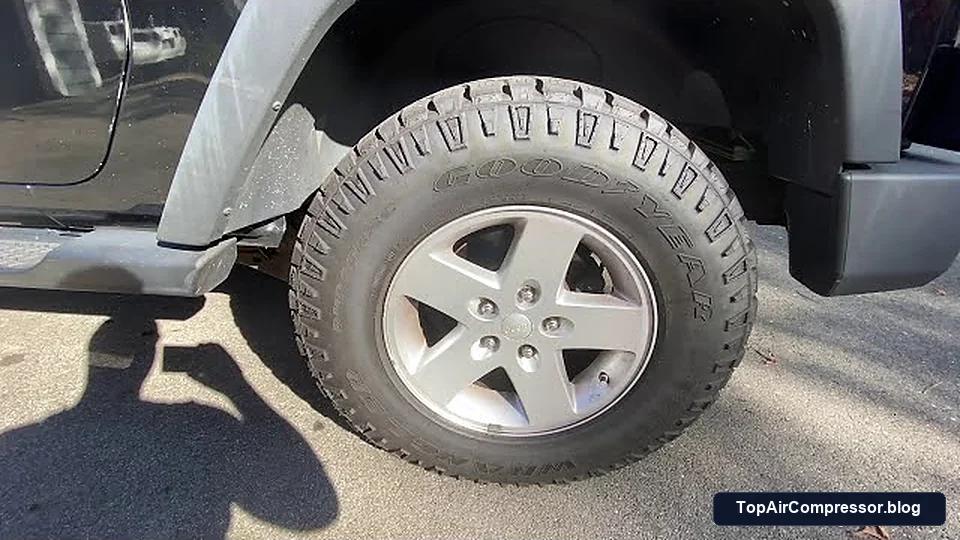
Transitioning to unpaved trails or rocky terrain requires lowering your operating pressures significantly. Airing down expands the contact patch, cushioning sharp impacts and protecting your suspension components from excessive shock loading.
Lowering pressure also increases mechanical traction across loose surfaces like mud, gravel, and deep sand. The pliable rubber conforms around obstacles rather than bouncing over them violently, preserving your momentum.
Drivers must remember that low-pressure highway operation generates dangerous internal heat and sidewall flexing. Always reinflate your tires to street levels before returning to high-speed paved roads or interstate driving.
- Maintain thirty-five PSI for normal paved road commuting.
- Reduce pressure off-road to absorb sharp terrain impacts.
- Reinflate tires promptly before driving at highway speeds.
- Monitor tire temperatures during extended trail excursions.
Understanding Low-Pressure Safety Risks
Operating below fifteen psi on standard wheels risks unseating the bead during sharp cornering maneuvers. Without beadlock wheels, extreme deflation can cause air loss and sudden tire separation from the rim.
Carry a reliable portable air compressor to restore highway pressure safely after your trail ride. Running low pressure on pavement damages internal cords and destroys tread prematurely.
- Avoid sharp turns at very low off-road pressures.
- Use beadlock wheels for extreme low-pressure trail driving.
Video Walkthrough: Tire Pressure Monitoring System-How to use the tpms sensor and tpms light in 2018 Jeep Wrangler
Selecting the Proper Portable Air Equipment
Choosing the right equipment from our best air compressor for jeep wrangler guide ensures fast trailside refilling. Heavy-duty 12V models wired directly to the battery provide the high duty cycle necessary for large off-road rubber.
Look for units boasting a high cubic feet per minute rating to minimize your waiting time in remote areas. A thermal overload switch is also crucial to prevent motor burnout during extended inflation cycles.
Inspect your air hoses and quick-connect fittings regularly for cracks, leaks, or abrasive wear. Quality brass fittings and flexible rubber hoses ensure reliable performance when you are miles away from civilization.
Keep your compressor kit securely mounted inside the cargo area along with a reliable digital gauge. Having immediate access to dependable inflation gear prevents emergency situations from turning into hazardous trail delays.
- Choose direct-battery connection compressors for adequate electrical power.
- Verify CFM ratings to ensure fast inflation times.
- Inspect hoses and brass fittings for air leaks.
- Store digital pressure gauges inside the vehicle cabin.
Permanent On-Board Compressor Installations
Mounting a heavy-duty compressor under the hood or inside the rear quarter panels provides instant air access. These dedicated systems integrate seamlessly with tire deflators and pneumatic lockers for ultimate trail readiness.
Ensure proper electrical relay integration and heavy-gauge wiring to handle high amperage draws safely. Secure mounting brackets prevent vibration fatigue during rough off-road driving conditions.
- Install dedicated electrical relays for high-draw systems.
- Secure mounting brackets tightly against vibration damage.
Step-by-Step Procedure for Accurate Inflation
Park your Jeep on a flat, level surface and engage the parking brake firmly before starting inflation. Remove valve stem caps and place them in a secure pocket to prevent losing them in dirt.
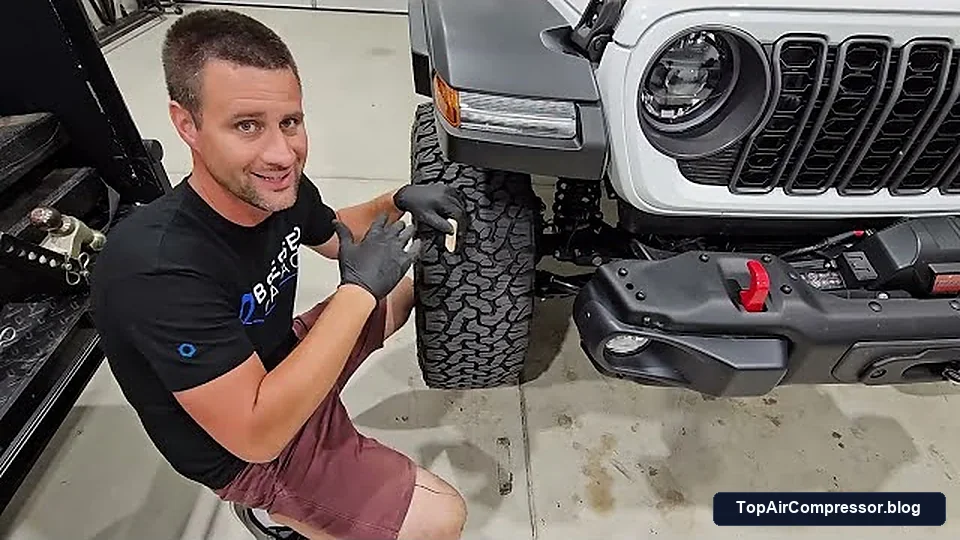
Reviewing proper connection tips found in our best air compressor for jeep tires review helps avoid leaks. Attach your chuck securely, then monitor the inline gauge closely while air fills the cavity.
Allow the pressure to rise slightly above your target number before shutting off the compressor motor. This minor overshoot accounts for pressure loss when disconnecting the quick-release chuck from the valve stem.
Use a standalone digital gauge to verify the final reading directly on the cold valve stem. Replace the protective valve cap immediately to keep moisture and abrasive dirt particles out of the core.
- Park on level ground and set the parking brake.
- Attach chuck securely to prevent air leakage.
- Overshoot target pressure slightly to offset disconnect loss.
- Verify final reading with a separate digital gauge.
Managing Multi-Tire Simultaneous Inflation Systems
Using a four-tire inflation manifold system equalizes pressure across all tires simultaneously while your compressor runs. This advanced setup saves substantial time and eliminates the need to move hoses repeatedly.
Check individual tire gauges along the manifold lines to ensure balanced airflow and uniform pressure distribution. Close all shut-off valves immediately once your target psi is achieved.
- Connect manifold hoses to all four valve stems.
- Monitor central manifold gauge during simultaneous inflation.
Troubleshooting Common Inflation and Pressure Issues
Rapid pressure loss across a single tire often indicates a damaged valve core or minor wheel bead leak. Spraying soapy water around the rim edge helps locate hidden air bubbles quickly.
Slow leaks can also result from embedded debris like nails or sharp stones piercing the tread compound. Inspect your tire treads thoroughly during routine weekly maintenance checks to catch punctures early.
If your portable compressor trips its internal breaker repeatedly, check for excessive operating heat or inadequate electrical supply. Allow the motor to cool completely before attempting another inflation cycle.
Seasonal temperature drops frequently trigger low-pressure warning lights on modern dashboards. Selecting a unit from our best air compressor for car tires roundup ensures you can easily restore factory-recommended levels.
- Spray soapy water to find hidden bead leaks.
- Inspect tread blocks for embedded nails or stones.
- Reset tripped compressor breakers after motor cooling.
- Adjust pressures when seasonal temperatures drop sharply.
Addressing Faulty Tire Pressure Monitoring Sensors
Malfunctioning dashboard sensors can display erroneous pressure warnings even when tires are correctly inflated. Reset the monitoring system according to your owner manual instructions after adjusting pressures.
Replace failing sensor batteries or damaged valve stems during your next scheduled tire rotation service. Keeping sensors calibrated ensures accurate real-time safety warnings during highway travel.
- Reset dashboard monitoring systems after pressure adjustments.
- Service faulty sensors during routine tire rotations.
Video Walkthrough: How To Find Jeep Wrangler JK Recommended Tire Pressure
Routine Maintenance of Inflation Equipment
Proper maintenance of your air compressor and inflation accessories guarantees reliable operation when emergencies happen. Store your gear in a clean, dry location protected from extreme moisture and dust accumulation.
Lubricate mechanical quick-disconnect fittings periodically with lightweight pneumatic oil to prevent sticking and corrosion. Check electrical power clamps for signs of oxidation or frayed wire insulation regularly.
Test your portable air pump every few months by topping off your vehicle tires in the driveway. Catching equipment failures at home prevents frustrating strandings on remote backcountry trails.
Keep spare valve cores, replacement fuses, and extra valve caps inside your tool storage bag. Small replacement items take up minimal space yet solve common roadside pneumatic equipment failures instantly.
- Store inflation equipment in dry, dust-free containers.
- Lubricate quick-disconnect fittings with pneumatic oil.
- Test portable air pumps every few months.
- Pack spare fuses and valve cores in tool bags.
Inspecting Air Hoses for Structural Fatigue
Rubber air hoses degrade over time due to ultraviolet exposure and constant mechanical flexing during use. Replace hoses showing deep surface cracks, soft spots, or bulging sections immediately.
Store hoses in loose coils rather than tight kinks to preserve internal structural integrity and prevent air flow restrictions. Proper handling extends the operational lifespan of your pneumatic equipment significantly.
- Inspect hoses for UV cracking and bulging spots.
- Store hoses in loose, natural coils to prevent kinks.
Safety Protocols for High-Pressure Pneumatics
Compressed air systems store immense energy that demands respectful handling to prevent severe personal injury. Always wear protective safety glasses when operating compressors or working near pressurized rubber lines.
Never point an active air chuck or blow gun toward yourself or other people nearby. Escaping high-pressure streams can cause severe skin penetration injuries or hearing damage from sudden noise.
Keep children and pets away from operating air compressors and trailing power cables during inflation tasks. Secure loose cords to prevent tripping hazards in your active workshop or garage workspace.
Relieve system pressure completely before disconnecting hoses, changing fittings, or performing maintenance on your compressor. Bleeding residual air protects components from sudden shock and prevents accidental whip hazards.
- Wear protective safety glasses during all inflation tasks.
- Never direct live air chucks toward humans or pets.
- Keep work areas clear of trailing power cords.
- Relieve system air pressure completely before maintenance.
Managing Overheating Hazards During Heavy Use
Operating portable compressors beyond their recommended duty cycle generates dangerous heat levels on cylinder heads. Allow units to rest periodically during multi-tire inflation sessions to prevent permanent motor damage.
Wear heavy work gloves when handling hot compressor barrels or brass fittings immediately after heavy use. Preventing thermal burns ensures you remain capable of finishing your vehicle maintenance safely.
- Respect manufacturer duty cycle limits to avoid overheating.
- Wear work gloves when handling hot compressor components.
Frequently Asked Questions
What is the ideal tire pressure for a stock Jeep Wrangler?
Most stock Jeep Wrangler models require 35 PSI for normal street driving. Always confirm this baseline figure by checking your specific driver side doorjamb placard.
How low should I drop my tire pressure for off-road driving?
Lower your tire pressure to 15 to 18 PSI for standard off-road trails and sand. This adjustment creates a wider contact patch to improve traction significantly.
Can I drive on the highway with low off-road tire pressure?
Driving on the highway with low tire pressure generates dangerous excessive internal heat and poor handling. Always reinflate your tires to street levels before driving fast.
Why does my tire pressure drop when the weather gets cold?
Air contracts as ambient temperatures fall, typically losing about one PSI for every ten-degree drop. Check your tires regularly during seasonal weather transitions.
What type of air compressor is best for Jeep Wrangler tires?
A direct-battery connection 12V compressor with a high cubic feet per minute rating works best. These units deliver the airflow needed for large off-road tires.