What PSI Should Lexus ES 350 Tires Be?
Discover the exact cold inflation pressure requirements for your sedan. Maintain proper handling and extend tread life using reliable equipment.

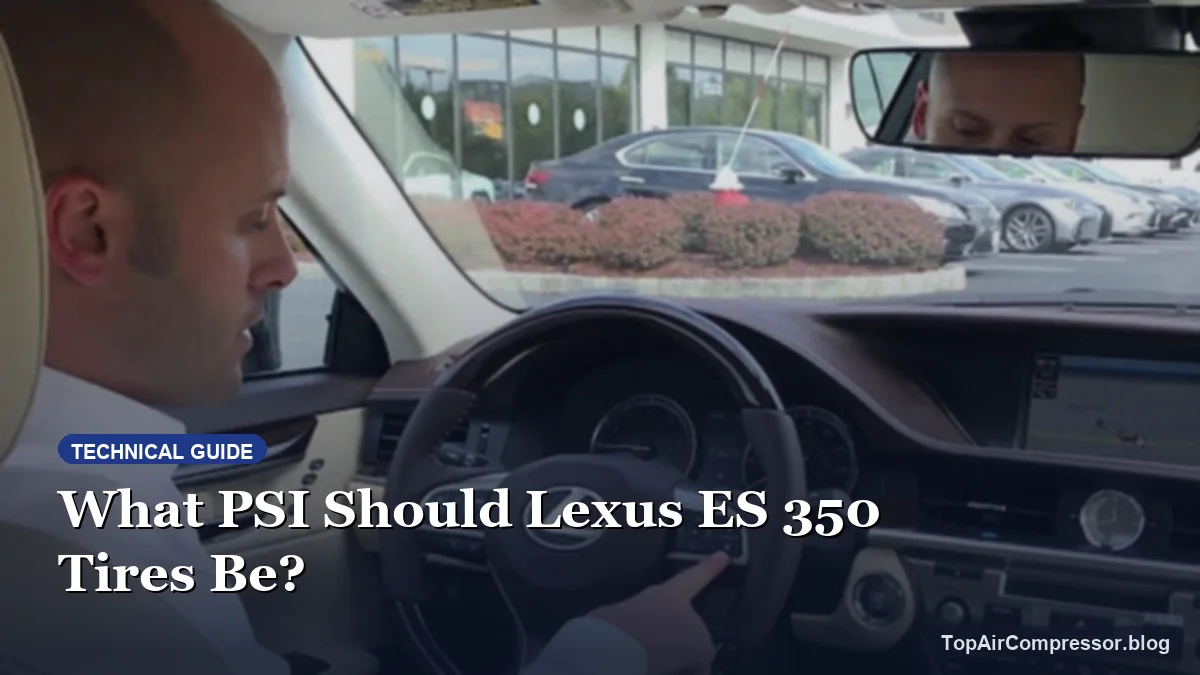
Always inflate your tires to 36 PSI cold for standard factory wheel sizes. Verify readings with a calibrated digital gauge before driving long distances.
Looking for matching picks? See our Best Air Compressor For Bike Tires: Top Road & Trail Picks.
Practical Quick-Reference Table
| Scenario / Metric | Recommended Target | Why It Matters |
|---|---|---|
| Standard Cold Pressure | 36 PSI | Ensures optimal ride comfort and even tread wear across all positions. |
| High-Speed Driving | 38 to 40 PSI | Compensates for extreme heat buildup during sustained highway cruising. |
| Low Temperature Shift | Add 1 PSI per 10°F drop | Prevents underinflation triggered by sudden winter cold fronts. |
| Compact Spare Tire | 60 PSI | Guarantees emergency readiness if a primary road hazard occurs. |
| Tread Wear Inspection | Even contact patch | Confirms proper inflation levels and prevents premature shoulder scrubbing. |
| TPMS Warning Threshold | Below 29 PSI | Alerts drivers to significant pressure loss requiring immediate corrective action. |
Understanding Factory Tire Pressure Specifications
Modern luxury sedans require precise pneumatic pressure to deliver balanced braking performance. Maintaining the manufacturer target of 36 PSI ensures your suspension absorbs road imperfections effectively.
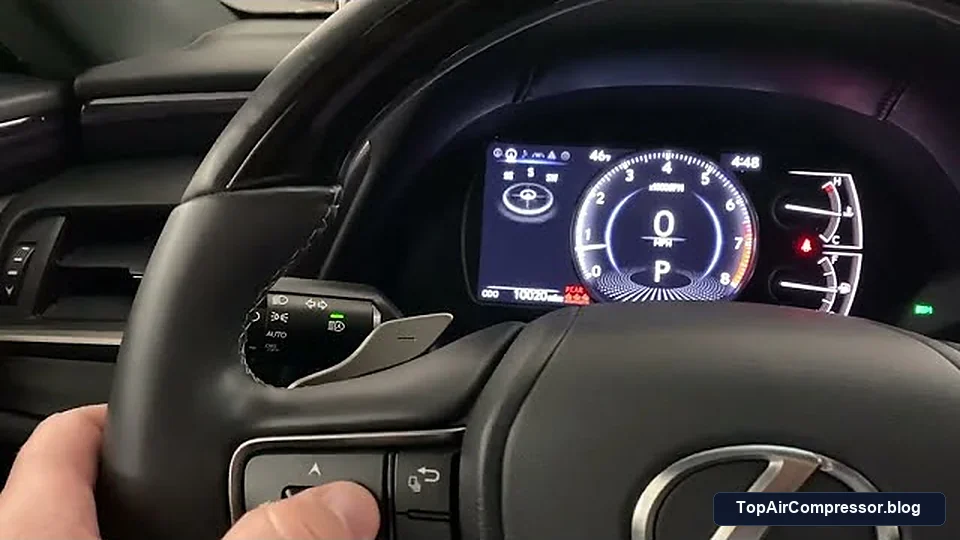
Check the official placard located on the driver door jamb. This certification sticker outlines precise cold inflation values tailored specifically for your vehicle weight rating.
Disregarding these factory numbers often results in compromised traction during emergency maneuvers. Proper inflation supports the sidewall structure under heavy cornering loads and braking forces.
Always measure pressures when the vehicle has rested for at least three hours. Driving generates internal friction that artificially raises air temperature and reading values.
- Locate the white and yellow safety certification placard on the driver door pillar.
- Apply 36 PSI for standard front and rear tire positions under normal cargo loads.
- Perform pressure checks using a high-accuracy digital gauge during early morning hours.
- Never bleed air from warm tires immediately after completing a highway commute.
Locating the Door Placard Data
Open the driver side door fully to expose the metal B-pillar structure. The federal certification label displays exact cold inflation parameters for original equipment.
Compare these figures against generic sidewall maximum numbers. Sidewall ratings indicate absolute structural limits rather than ideal daily driving pressures.
- Clean grime off the placard surface to read faded numerical figures clearly.
- Ignore maximum sidewall ratings when setting everyday commuter inflation levels.
Analyzing Tire Dimensions and Load Ratings
Different trim packages utilize varying wheel diameters ranging from standard sizes up to larger alloy options. Each specific dimension demands careful adherence to specified inflation targets.
Wider profile options with lower sidewalls might require slight adjustments during sustained high-speed driving. Consult the manual if you install aftermarket replacement rubber.
Load index ratings dictate how much weight a specific tire safely supports. Maintaining proper pressure guarantees the carcass handles vertical loads without excessive flexing.
Overloading the chassis without increasing pressure leads to severe internal heat generation. This dangerous condition accelerates rubber degradation and compromises structural integrity.
- Identify your exact tire size stamped clearly on the outer rubber sidewall.
- Match replacement rubber to original load index and speed rating specifications.
- Account for additional cargo weight when planning extended family road trips.
- Inspect shoulder regions regularly for signs of excessive sidewall deflection.
Evaluating Low-Profile Wheel Setups
Upgraded larger wheels feature reduced air volume inside the casing. This design requires strict attention to pressure drops because minor losses affect handling.
Protect delicate alloy rims from pothole damage by maintaining correct pressure levels. Adequate cushion prevents severe impact fractures on rough urban pavement.
- Monitor low-profile setups weekly due to smaller internal air volume capacities.
- Check rim beads for micro-leaks whenever pressure drops repeatedly over days.
Video Walkthrough: 2020 2021 2022 Lexus ES350 tire light pressure dash monitor display.
Correct Air Compressor Inflation Procedures
Selecting a top-rated unit from our best air compressor for car tires guide lets you maintain precise inflation at home. Connect the chuck securely to the valve stem to prevent air leaks.
Activate your compressor unit and monitor the integrated pressure gauge closely. Avoid overshooting the target value by pausing frequently to check current pressure levels.
If you accidentally add too much air, depress the center valve pin gently. Recheck the reading until it matches the precise 36 PSI specification exactly.
Always screw the black plastic valve caps back onto the stems tightly. These caps prevent moisture and road debris from clogging internal valve cores.
- Ensure your portable compressor setup features a clean, functioning moisture trap.
- Attach the hose chuck squarely onto the valve stem to secure a tight seal.
- Release excess air slowly if you overshoot the target inflation threshold.
- Reinstall valve stem caps securely to block corrosive salt and moisture.
Selecting Portable Air Equipment
Select a reliable model featured in our best portable air compressor for truck tires roundup that handles continuous duty cycles and prevents accidental over-pressurization.
Verify hose length reaches all four wheel positions easily without stretching connections. Proper equipment makes routine maintenance quick and effortless.
- Choose compressors equipped with accurate digital pressure readout screens.
- Test power cords and accessory plugs before starting vehicle maintenance routines.
Temperature Fluctuations and Cold Pressures
Ambient weather shifts dramatically alter internal tire pressures across seasonal transitions. Expect to lose roughly one PSI for every ten-degree Fahrenheit drop in outside temperature.
Cold autumn mornings frequently trigger dashboard low pressure warnings on vehicles. Inspect all positions before departure to compensate for natural thermal contraction of air.
Conversely, hot summer asphalt increases internal pressures through thermal expansion. Monitoring seasonal changes prevents dangerous overinflation during scorching afternoon commutes.
Never release air from tires on a hot day just because pressure reads high. Instead, check recommendations in our best air pumps for car tires review before adjusting pressure.
- Add air promptly when outdoor temperatures plummet during early winter storms.
- Anticipate a one PSI drop for every ten-degree Fahrenheit temperature decline.
- Verify cold pressures before embarking on long interstate driving journeys.
- Ignore temporary high pressure readings caused by intense summer sun exposure.
Managing Winter Weather Adjustments
Park your vehicle inside a heated garage when checking winter tire pressures. Remember that taking the car outside will cause an immediate pressure drop.
Adjust pressures outdoors in ambient conditions to ensure accurate cold measurements. This practice eliminates false readings caused by differential building heat.
- Perform cold pressure adjustments outdoors in true ambient weather conditions.
- Recheck all positions after major winter cold fronts sweep through your region.
Tire Pressure Monitoring System Calibration Protocols
Your sedan utilizes direct sensors mounted inside each wheel assembly. These electronic transmitters broadcast real-time pressure data directly to the instrument cluster display.
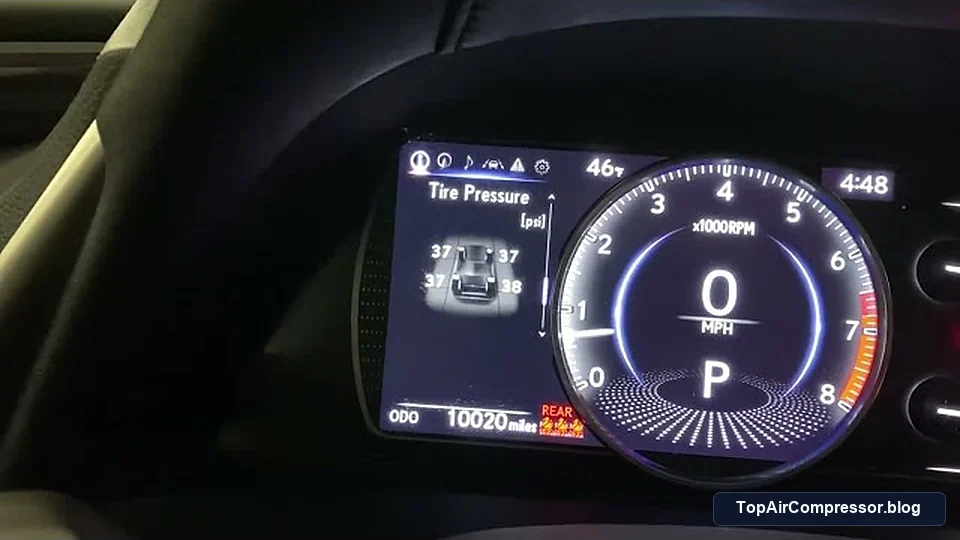
When you adjust pressures to the correct level, the monitoring system may require a manual reset. Locate the initialization button underneath the steering column area.
Turn the ignition switch to the ON position without starting the engine. Press and hold the reset button until the dashboard indicator blinks slowly three times.
Allow the system several minutes of driving time to re-establish normal communication. Persistent warning lights indicate a failing sensor battery or physical damage.
- Locate the physical TPMS reset switch hidden beneath the steering column.
- Turn on vehicle electronics without starting the engine to begin calibration.
- Hold the initialization button until the dashboard warning lamp flashes.
- Drive at moderate speeds for ten minutes to complete sensor recognition.
Troubleshooting Persistent Warning Lights
A flashing TPMS indicator usually points toward an internal sensor system fault. Check the compact spare tire pressure since it often contains a hidden sensor.
Consult a professional technician if dashboard warnings refuse to clear. While visiting the shop, you can also explore tools like our cfm and tank sizing calculator for pneumatic garage setups.
- Inspect the emergency compact spare tire for proper air pressure.
- Scan electronic control modules using an advanced OBD-II diagnostic tool.
Video Walkthrough: 2007-2018 Lexus ES350
Mitigating Tread Wear Through Proper Inflation
Maintaining correct inflation preserves the designed contact patch across the tread face. Underinflated tires sag in the middle and wear out outer shoulder blocks prematurely.
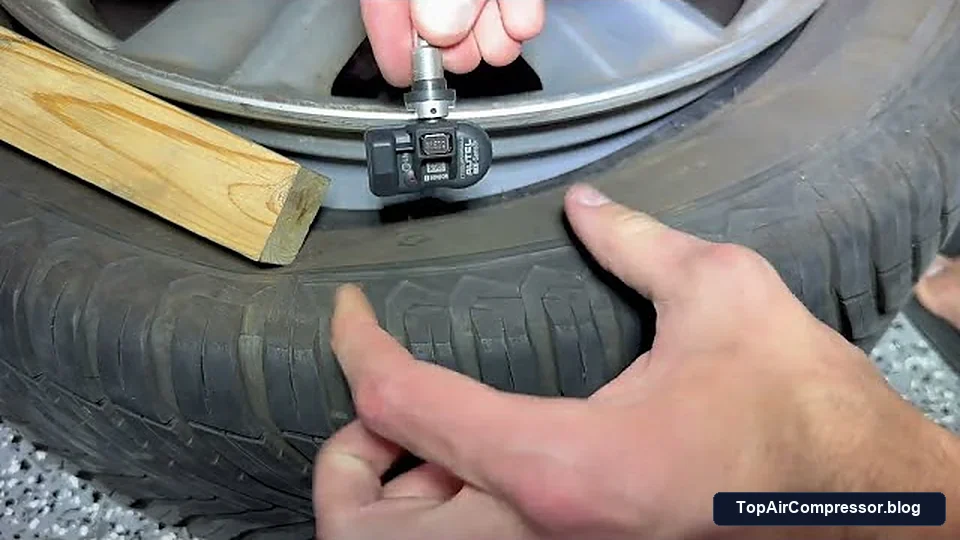
Conversely, chronic overinflation forces the center tread to bear the entire vehicle weight. This imbalance causes rapid centerline degradation and reduces overall braking traction.
Inspect tread depths across multiple grooves using a dedicated manual depth gauge. Uneven wear patterns indicate chronic neglect or underlying suspension alignment issues.
Rotate your wheel positions every six thousand miles to promote balanced wear. Regular rotation combined with correct pressure maximizes total tire longevity.
- Measure tread depth across inner, middle, and outer grooves regularly.
- Prevent shoulder wear by avoiding chronic underinflation during daily commutes.
- Rotate wheel assemblies consistently to ensure even overall tread depletion.
- Correct alignment angles immediately if feathered wear edges appear.
Recognizing Wear Pattern Anomalies
Cupping or scalloped tread blocks point toward worn shock absorbers or dampers. Do not confuse suspension damage with simple inflation pressure errors.
Feathered tread ribs indicate misaligned steering geometry requiring professional adjustment. Address mechanical faults before installing expensive replacement tires.
- Inspect rubber for cupping caused by failing suspension shock absorbers.
- Schedule professional wheel alignment services if steering pull occurs.
Frequently Asked Questions
What is the recommended tire pressure for a Lexus ES 350?
Inflate your sedan tires to 36 PSI cold for standard factory wheel sizes. Always verify this number against the certification label on your driver door pillar.
How often should I check my tire pressure?
Check your pressures at least once a month using a calibrated digital gauge. Perform these inspections early in the morning before driving any significant distance.
Why does my tire pressure warning light come on during cold weather?
Cold ambient temperatures cause air inside the casing to contract significantly. Adding a small amount of air restores proper pressure and turns off the dashboard warning.
Can I rely on maximum pressure numbers printed on the sidewall?
Never use maximum sidewall numbers for daily commuting because they represent structural limits. Follow the vehicle manufacturer placard located on the door jamb instead.
How do I reset the tire pressure monitoring system after inflating?
Turn your vehicle ignition to the ON position without starting the engine. Hold the reset button under the dashboard until the indicator light blinks three times.