What PSI Should My Honda Accord Tires Be?
Discover the exact cold inflation levels required for your Honda Accord. Maintaining correct pressure ensures optimal safety and fuel efficiency.


Most modern Honda Accord trims require 32 to 35 PSI for optimal tire performance. Always verify the placard located inside the driver door jamb rather than relying on sidewall maximums.
Looking for matching picks? See our Best Air Compressor For Bike Tires: Top Road & Trail Picks.
Honda Accord Tire Pressure Quick-Reference
| Accord Generation | Typical Tire Size | Recommended Cold PSI |
|---|---|---|
| 10th Gen (2018-2022) | 225/50R17 | 32 PSI Front / 32 PSI Rear |
| 10th Gen Sport/Touring | 235/40R19 | 33 PSI Front / 33 PSI Rear |
| 9th Gen (2013-2017) | 215/60R16 | 32 PSI Front / 32 PSI Rear |
| 9th Gen Sport Trim | 235/45R18 | 33 PSI Front / 33 PSI Rear |
| 8th Gen (2008-2012) | 215/60R16 | 30 PSI Front / 30 PSI Rear |
| Winter / Cold Weather | All Standard Sizes | Add 1 to 2 PSI for Drop |
Locating Factory Tire Pressure Specifications on Your Accord
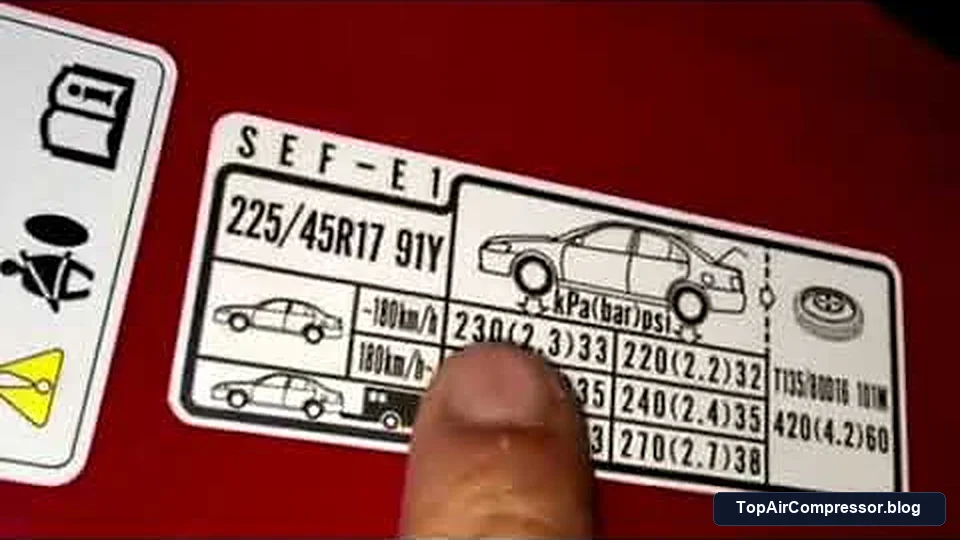
Finding the correct inflation pressure for your specific Honda vehicle requires checking the manufacturer placard. This vital sticker is permanently affixed to the driver side door jamb for easy access.
Never look at the tire sidewall for your target operational pressure. The sidewall lists the maximum absolute rating, which often causes a harsh ride and uneven center tread wear if followed.
Factory engineers calculate optimal PSI by analyzing vehicle weight distribution, braking dynamics, and suspension tuning. Following these guidelines preserves your factory warranty and ensures predictable handling responses.
Environmental temperature fluctuations alter internal pressure significantly throughout the seasons. Check your pressures monthly using a calibrated digital gauge recommended in our best air pumps for car tires guide while the tires remain cold.
- Open the driver door and locate the white and yellow certification placard.
- Note the designated front and rear cold tire pressure figures in PSI and kPa.
- Ignore the maximum pressure rating molded onto the outer tire rubber sidewall.
- Perform pressure checks early in the morning before driving or direct sun exposure.
Decoding Generation-Specific Inflation Standards
Different Accord production years utilize distinct suspension setups and wheel diameters. Base models usually feature higher sidewall profiles requiring moderate PSI levels around thirty-two.
Upgraded sport trims utilize lower profile tires with stiffer sidewalls. These larger wheel packages often demand thirty-three PSI to safely support the heavier dynamic cornering loads.
- Check your specific model year handbook for exact engineering variations.
- Match replacement tires to original load index ratings for safety.
Understanding Tire Wear Patterns Caused by Incorrect Inflation
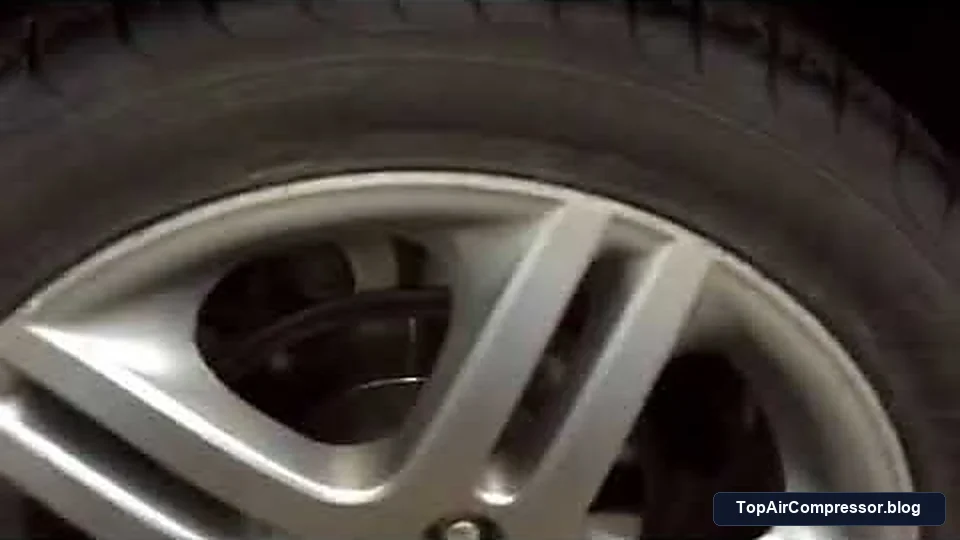
Incorrect inflation pressures severely compromise the contact patch between your tires and the pavement. Similar to using our cfm tool sizing calculator for pneumatic gear, over-inflation forces the middle tread to bear total vehicle weight, causing accelerated center wear.
Conversely, under-inflation allows the outer shoulders of the tire to collapse under load. This generates excessive friction, high internal heat, and premature shoulder degradation that ruins expensive tires prematurely.
Maintaining precise factory pressures ensures even load distribution across the entire tread width. This maximizes your overall stopping grip, steering response, and long-term tread life across all four wheels.
Fuel economy also suffers dramatically when your vehicle rolls on under-inflated rubber. The increased rolling resistance forces the engine to burn more fuel to maintain cruising highway speeds efficiently.
- Inspect tread depths across the inner, middle, and outer ribs regularly.
- Address chronic pressure losses immediately to prevent structural tire failure.
- Rotate tires every six thousand miles to promote balanced wear patterns.
- Keep a portable air compressor in your trunk for convenient adjustments.
Analyzing Temperature and Seasonal Pressure Shifts
Ambient temperature drops reduce internal tire pressure by roughly one PSI for every ten degrees Fahrenheit lost. Neglecting winter adjustments leads to low pressure warnings on cold mornings.
Summer heat causes the opposite reaction as trapped air expands inside the casing. Always verify your pressures after major weather shifts to maintain ideal driving dynamics year-round.
- Adjust pressures during seasonal transitions before embarking on trips.
- Account for friction-induced heat buildup during extended highway drives.
Video Walkthrough: How To Check Pressure And Tyres On Honda Accord
Procedure for Resetting the Tire Pressure Monitoring System
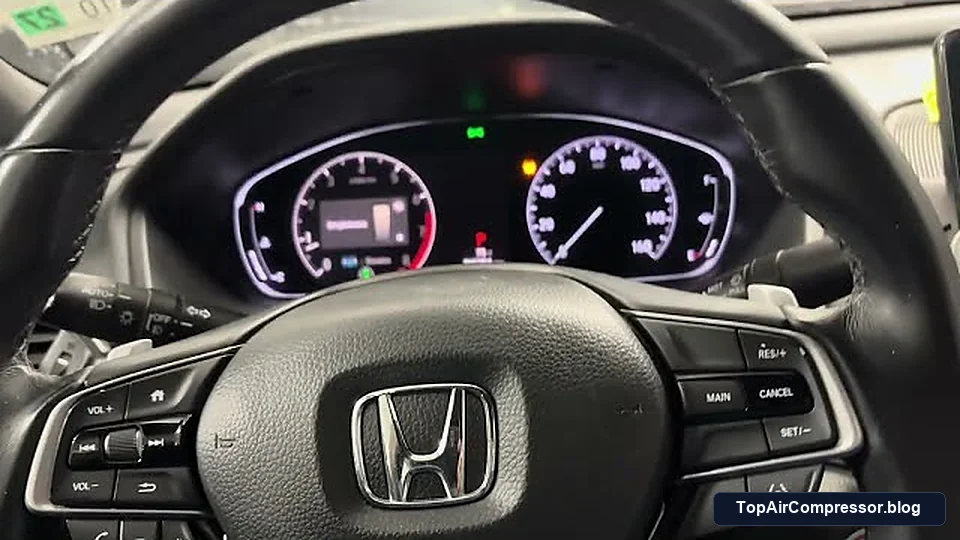
Modern Honda Accord models utilize indirect or direct monitoring systems to track wheel rotation speeds. After correcting your tire pressures, you must manually reset the TPMS through the dashboard interface.
For vehicles equipped with an audio touchscreen display, navigate to the vehicle settings menu. Select customize settings, locate the TPMS calibration option, and execute the initialization sequence.
Older Accord generations feature a physical reset button located beneath the steering wheel column. Turn the ignition to the on position and hold this button until the indicator light blinks twice.
Drive your vehicle at speeds between thirty and sixty miles per hour for up to thirty minutes. This allows the system to successfully relearn the baseline wheel speeds without triggering alerts.
- Verify all four tires match exact placard targets before starting the reset.
- Ensure the vehicle is stationary with the ignition in the proper mode.
- Consult your specific owner manual if dashboard menus differ by trim level.
- Repeat the calibration process if the warning light reappears after driving.
Troubleshooting Persistent Dashboard Warning Lights
If the TPMS light flashes instead of staying solid, a system fault exists. This usually indicates a dead sensor battery or a damaged internal electronic component requiring professional service.
Inspect the spare tire located in the trunk if all main tires check out fine. Many Honda models monitor the spare wheel pressure and will trigger warnings if it drops too low.
- Check spare tire pressure during routine monthly maintenance checks.
- Visit a certified technician if sensor hardware fails to communicate.
Best Practices for Utilizing Portable Air Compressors
Inflating your tires safely requires a reliable 12-volt model featured in our best air compressor for car tires review. Secure the brass chuck directly to the valve stem threads.
Monitor the integrated pressure gauge closely while the compressor actively pumps air into the chamber. Over-filling forces you to release air manually, so approach your target PSI slowly with short bursts.
Always screw the valve stem caps back on tightly after completing your adjustments. These small caps prevent moisture and road debris from entering the core mechanism and causing slow air leaks.
Store your compact unit selected from our best portable air compressor for truck tires roundup safely within your trunk. Protect the electrical cord and hose from sharp bends for long-term reliability.
- Keep the vehicle engine running during 12-volt compressor use to protect the battery.
- Verify gauge accuracy periodically using a standalone handheld pencil gauge.
- Never exceed the maximum pressure rating specified on your vehicle door placard.
- Allow hot compressor motors to cool down before packing them away.
Handling Emergency Roadside Inflation Scenarios
If you experience a rapid pressure loss while driving, pull over safely away from traffic. Assess the tire for punctures or sidewall damage before attempting to add emergency air.
If a puncture is too large for temporary inflation, deploy your compact spare tire. Ensure the spare is inflated to the correct sixty PSI threshold required for temporary driving.
- Activate hazard lights immediately when stopping on active roadways.
- Drive at reduced speeds on temporary spare wheels until repaired.
Video Walkthrough: How Much Air Should I Put in My Tire on A Honda Accord? Tire light on TPMS
Frequently Asked Questions
Can I use the maximum PSI listed on my tire sidewall for my Honda Accord?
No, you should never inflate tires to the sidewall maximum. Always follow the door placard specification for safe handling and even tread wear.
Why does my Honda Accord tire pressure drop during winter months?
Cold ambient temperatures cause air molecules to contract and lose density inside the tire. You typically lose one PSI per ten degrees of temperature drop.
How often should I check the tire pressure on my Honda Accord?
Check your tire pressures at least once a month using a reliable digital gauge. Regular monitoring prevents premature wear and maintains optimal fuel efficiency.
What should I do if the TPMS light stays on after inflating my tires?
You need to manually reset the system through your dashboard menu or physical button. Driving for twenty minutes allows the system to relearn baseline speeds.
Does higher tire pressure improve my Honda Accord fuel economy?
Slightly higher pressure reduces rolling resistance, but over-inflation ruins handling and grip. Stick strictly to the factory recommended PSI for balanced performance.