What SCFM for Air Tools?
Knowing exact pneumatic flow requirements prevents pressure drops and tool starvation. Proper sizing ensures reliable operation across heavy industrial applications and continuous shop tasks.

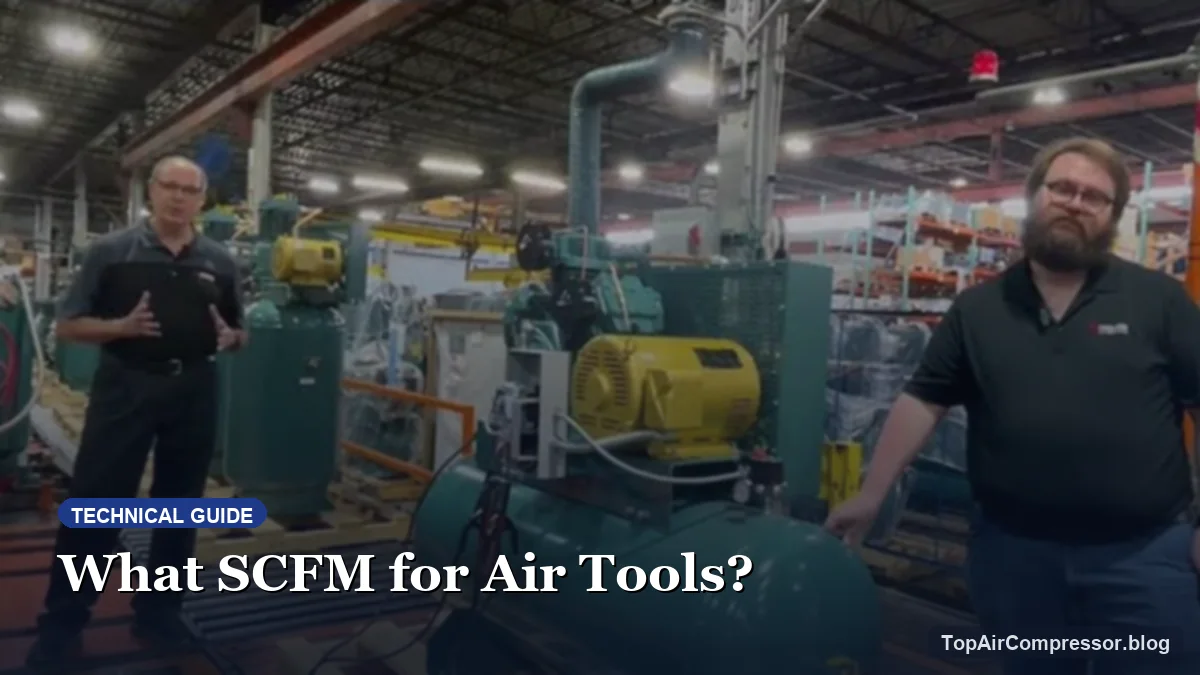
Always multiply your total continuous tool consumption by a 1.5 safety factor. This guarantees your compressor delivers adequate pressure without constant thermal overloads.
Ready to compare models? Start with our Best Air Compressor: Top Picks for Garage, Shop, & Tires.
Practical Quick-Reference Table
| Scenario / Metric | Recommended Target | Why It Matters |
|---|---|---|
| Impact Wrench | 4-5 SCFM at 90 PSI | Provides necessary torque for fast fastener removal. |
| Paint Spray Gun | 6-12 SCFM at 40 PSI | Ensures atomization without pressure drops or spitting. |
| Die Grinder | 8-10 SCFM at 90 PSI | Demands continuous air delivery for heavy material removal. |
| Brad Nailer | 0.5 SCFM at 90 PSI | Operates intermittently on low reservoir volumes easily. |
| Industrial Sizing | 1.5x Total Tool Demand | Prevents pump burnout and maintains stable line pressure. |
| Hose Diameter | 3/8-inch inner diameter | Reduces friction loss over long distribution runs effectively. |
Understanding Standard Cubic Feet Per Minute Metrics
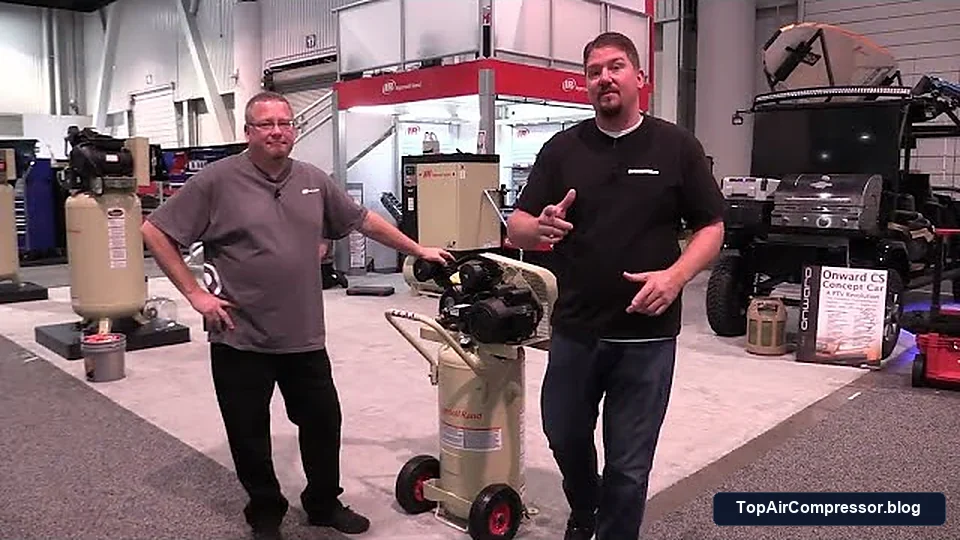
Air tool performance depends directly on SCFM measurements. Unlike displacement metrics, standard cubic feet per minute normalizes temperature and pressure values for accurate comparison.
Engineers rely on standardized environmental conditions to rate pneumatic equipment. When ambient humidity or altitude shifts, actual volumetric output changes significantly across the entire system.
Failing to account for atmospheric variables leads to unexpected performance losses. High ambient temperatures decrease air density, which ultimately starves pneumatic actuators of required oxygen mass.
Master technicians always evaluate compressor volumetric efficiency before connecting heavy-duty machinery. Proper evaluation prevents premature motor failure and erratic pneumatic tool operation in professional shops.
- Measure ambient air temperature before calculating volumetric efficiency ratings.
- Convert ACFM values to standard reference conditions for accuracy.
- Account for altitude variations when evaluating pump performance metrics.
- Verify pressure drop across all pneumatic distribution piping systems.
The Difference Between SCFM and Actual CFM
ACFM describes actual conditions at the compressor exhaust port during operation. Temperature and pressure fluctuations alter this volumetric output constantly during daily shop tasks.
SCFM provides a fixed baseline for comparing different pump models. Equipment manufacturers use these standardized laboratory metrics to establish consistent performance baselines worldwide.
- Use SCFM for cross-brand compressor comparisons.
- Monitor ACFM when tracking live system output.
Decoding Air Tool CFM Requirements and Specifications
Every pneumatic device specifies exact pressure and volume demands. Selecting the best air compressor for impact tools guarantees sufficient airflow for demanding fastening operations.
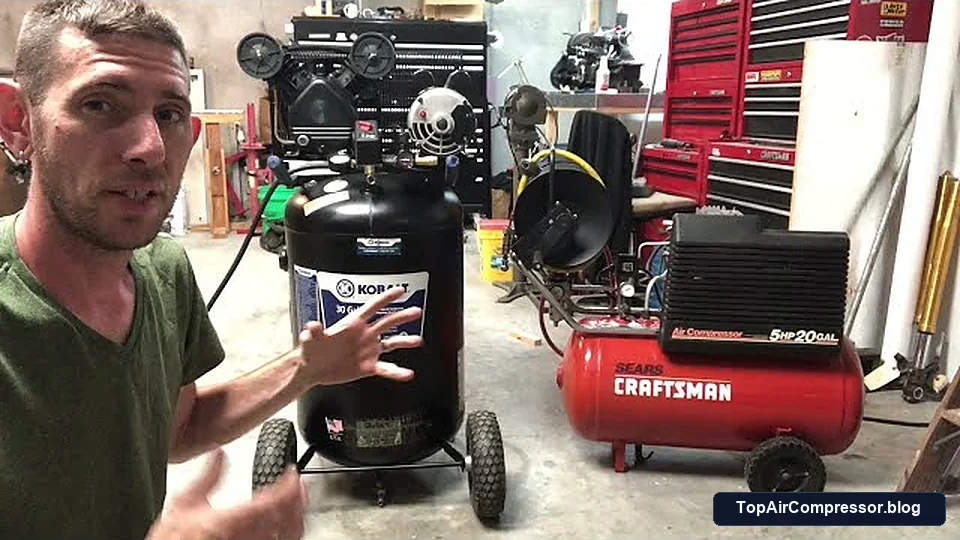
High-demand equipment like sanders and grinders require continuous airflow. Without sufficient volume, turbine motors bog down and lose critical rotational speed during heavy metal fabrication.
Manufacturers often rate intermittent tools using percentage duty cycles. Understanding this rating prevents operators from pushing hobbyist compressors past their safe thermal limits.
Reviewing individual tool data plates ensures proper equipment pairing. Ignoring these specifications causes severe pressure drops, ruined workpieces, and expensive pneumatic motor damage.
- Check tool manufacturer data plates for exact SCFM ratings.
- Never run continuous air tools on small hobbyist receivers.
- Match regulator pressure settings to specific tool design requirements.
- Monitor line pressure drops using inline mechanical pressure gauges.
Analyzing Intermittent Versus Continuous Tool Duty
Intermittent tools consume air in short, highly concentrated bursts. Nailers and staplers fall into this category because their reservoirs recover easily between firing cycles.
Continuous tools demand steady airflow for extended operational periods. Rotary sanders and paint sprayers require matched rotary screw or large reciprocating compressor systems.
- Calculate duty cycle limits before running grinders.
- Allow recovery time for intermittent pneumatic devices.
Video Walkthrough: Tips on Buying Your First Air Compressor | SCFM \u0026 PSI Explained
Applying the Industrial Safety Factor Rule for Sizing
Professional technicians never size compressors strictly to tool minimums. Applying a one point five multiplier accounts for line losses, valve friction, and normal equipment wear over time.
Older pneumatic hoses and quick-disconnect fittings create hidden flow restrictions. Building a generous safety margin into your initial calculations prevents unexpected pressure starvation during critical jobs.
System expansion is another vital reason to oversize compressors. Adding future drop lines or secondary workstations becomes seamless when your primary air source has surplus capacity.
Energy efficiency improves when compressors run below maximum load limits. A properly oversized pump operates cooler, extending total service life and reducing unexpected maintenance downtime.
- Multiply total tool SCFM requirements by one point five.
- Account for worn piston rings and internal valve leakage.
- Leave room for future shop expansion and added tools.
- Reduce friction losses with smooth interior distribution piping.
Accounting for Hose Length and Fittings
Long distribution lines introduce significant friction and pressure drops. Using a three-eighths inch hose minimizes restriction over extended fifty-foot spans in busy workshops.
Quick-connect couplers also restrict maximum volumetric flow rates noticeably. Choosing high-flow fittings ensures your air tools receive full pressure during demanding fabrication tasks.
- Avoid restrictive quarter-inch fittings on high-flow tools.
- Inspect flexible hoses regularly for internal kinks.
Evaluating Tank Capacity Versus Continuous Delivery Rates
Tank size determines how long tools run before cycling. Using our cfm tool sizing calculator helps balance receiver volume for optimal pneumatic shop efficiency.
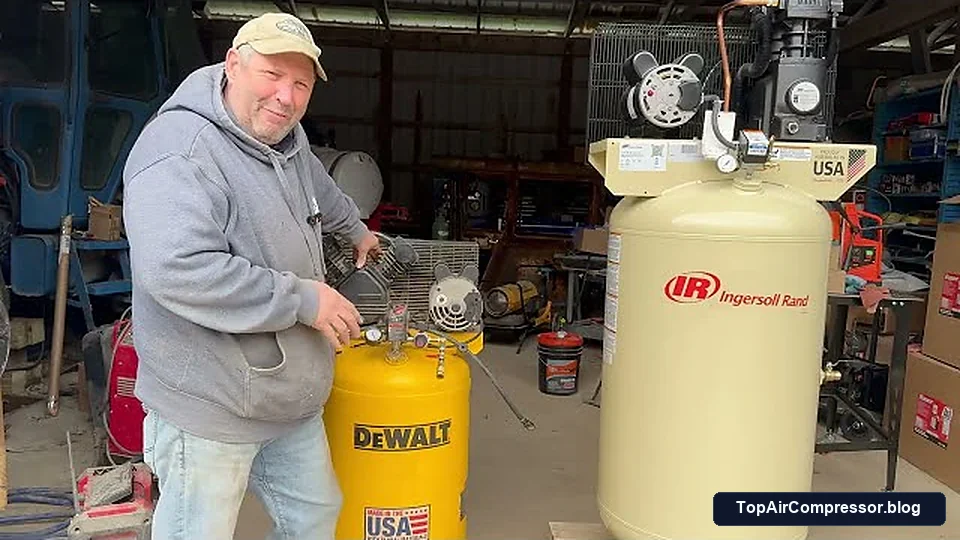
While tank volume matters, pump displacement dictates continuous performance. Small pancake tanks paired with massive grinders will cause the electric motor to run continuously without stopping.
Thermal overload switches protect motors from burning out during heavy workloads. Ensuring your compressor pump matches tool CFM output prevents these frustrating thermal shutdowns entirely.
Stationary shop installations often feature eighty-gallon vertical receivers. These large storage vessels reduce pump cycling frequency and cool compressed air before it enters distribution lines.
- Match pump CFM output rather than relying on tank size.
- Drain moisture daily to prevent internal tank corrosion issues.
- Position stationary tanks in well-ventilated, dry mechanical areas.
- Inspect pressure relief safety valves on a monthly basis.
The Role of Storage Reservoirs in Pneumatic Systems
Storage tanks provide reserve volume for sudden surge demands. When multiple technicians trigger impact wrenches simultaneously, the reservoir supplies immediate airflow without dropping line pressure.
Condensation naturally accumulates inside uninsulated metal storage tanks daily. Installing automated electronic drain valves removes moisture efficiently before it damages delicate pneumatic actuators.
- Install automatic condensate drains on large receiver tanks.
- Isolate tanks during pressure vessel structural safety inspections.
Calculating Aggregate Air Consumption for Multiple Tools
Multi-user shops must calculate combined air consumption carefully. Reviewing options like the best portable air compressor for tools helps determine exact SCFM requirements before purchasing hardware.
Not every connected tool operates at the same exact moment. Applying a simultaneous usage factor prevents massive over-engineering while maintaining safe, reliable shop air pressure levels.
Assembly lines running fastening tools require precise concurrency calculations. Facility managers must evaluate shift schedules and tool overlap to determine correct main compressor sizing parameters.
Documenting all pneumatic assets helps streamline future maintenance schedules. Keeping an updated inventory of tool specifications prevents costly mismatches when upgrading shop production capabilities.
- Sum maximum SCFM draws for simultaneous tool operations.
- Apply realistic concurrency factors for multi-user workstations.
- Audit shop air consumption annually to track equipment efficiency.
- Label all distribution branches with maximum pressure ratings.
Managing Peak Demand Periods in Busy Shops
Peak demand windows test the limits of facility compressors. Staggering heavy grinding operations prevents sudden system pressure drops that affect sensitive calibration tools nearby.
Installing dual compressor setups with lead-lag controllers optimizes efficiency. This configuration balances runtime evenly across both pumps while handling extreme peak workflow demands effortlessly.
- Program lead-lag controllers for balanced pump runtime hours.
- Stagger heavy fabrication tasks during shift changes.
Avoiding Common Pneumatic Pressure and Flow Mismatches
Equipment mismatches usually stem from confusing pressure with volume. Mechanics often focus solely on PSI ratings while ignoring critical SCFM delivery requirements for pneumatic tools.
Another frequent error involves using undersized supply piping. Restrictive iron pipes or coiled plastic lines choke airflow, starving high-demand tools of required volume during operation.
Failing to drain condensation leads to premature internal rusting. Water contamination ruins precision pneumatic motors and spoils freshly painted automotive surfaces during finishing operations.
Regular maintenance checks catch minor inefficiencies before failure occurs. Inspecting belt tension, intake filters, and check valves keeps your entire compressed air system operating smoothly.
- Prioritize volumetric SCFM ratings over maximum PSI claims.
- Upgrade distribution lines to prevent restrictive pressure drops.
- Replace clogged paper intake filters on a strict schedule.
- Check compressor drive belts for proper tension regularly.
Troubleshooting Low Pressure and Air Starvation
Air starvation causes pneumatic tools to sputter and stall. Upgrading to the best air compressor for pneumatic tools prevents pressure drops during critical fabrication tasks.
Installing desiccant air dryers eliminates moisture-related operational failures completely. Clean, dry air protects internal turbine blades and extends the working lifespan of all connected equipment.
- Test line pressure downstream during active tool operation.
- Clean filter-regulator-lubricator bowls every single month.
Frequently Asked Questions
What SCFM do most standard impact wrenches need?
Standard half-inch automotive impact wrenches typically require four to five SCFM while operating continuously at ninety pounds per square inch of regulated line pressure.
Providing this specific volumetric flow ensures your pneumatic motor maintains maximum rotational torque for quickly removing stubborn bolts and rusted fasteners without stalling.
Why is SCFM more important than PSI for air tools?
While PSI measures the static pressure force pushing compressed air through your shop distribution lines, SCFM measures the actual volume delivered per minute under load.
Pneumatic air tools require a continuous volumetric flow of compressed air to sustain high-speed turbine rotation without experiencing frustrating operational power drops during heavy tasks.
How do I calculate total CFM when running multiple air tools?
You must sum the maximum individual SCFM consumption ratings of every single tool that will operate simultaneously on the same pneumatic system.
Always apply a one point five safety multiplier to your final sum to account for standard distribution line friction losses and normal equipment wear over time.
Does a larger receiver tank increase compressor SCFM output?
A larger receiver tank only increases your temporary storage reserve capacity, meaning it does not increase the actual pump SCFM output rating.
The electric pump displacement dictates your continuous airflow delivery rate, while the storage tank simply handles short peak surge demands without causing sudden pressure drops.
What happens if my compressor does not supply enough SCFM?
Inadequate SCFM supply causes your pneumatic tools to sputter, lose rotational torque, and stall out completely during demanding workshop fabrication tasks.
This severe air starvation also forces your electric motor to run continuously without stopping, leading to dangerous thermal overloads and premature compressor pump failure.