What Should the PSI Be on My Tyres?
Maintaining proper tire inflation ensures optimal vehicle handling, braking performance, and fuel economy. Knowing the precise pressure requirements keeps you safe on every journey.

Always inflate your tires to the vehicle manufacturer placard located on the driver door jamb, completely ignoring the maximum rating printed directly on the tire sidewall.
Looking for matching picks? See our Best Tyre Air Compressor: Top Picks for Reliable Roadside Safety.
Practical Quick-Reference Table
| Scenario / Metric | Recommended Target | Why It Matters |
|---|---|---|
| Standard Passenger Car | 32 to 35 PSI cold | Balances ride comfort, fuel efficiency, and even tread wear. |
| Light Duty Truck | 35 to 40 PSI cold | Supports higher vehicle weight and moderate cargo hauling. |
| Heavy Towing Duty | Maximum placard rating | Prevents dangerous tire overheating and sidewall flex under load. |
| Cold Inflation Check | Morning before driving | Measures accurate baseline pressure before friction warms air. |
| TPMS Warning Threshold | 25 percent below placard | Alerts drivers to sudden pressure loss or slow leaks. |
| Tread Wear Inspection | Monthly visual check | Identifies improper inflation patterns early to extend life. |
Decoding Manufacturer Tire Pressure Specifications
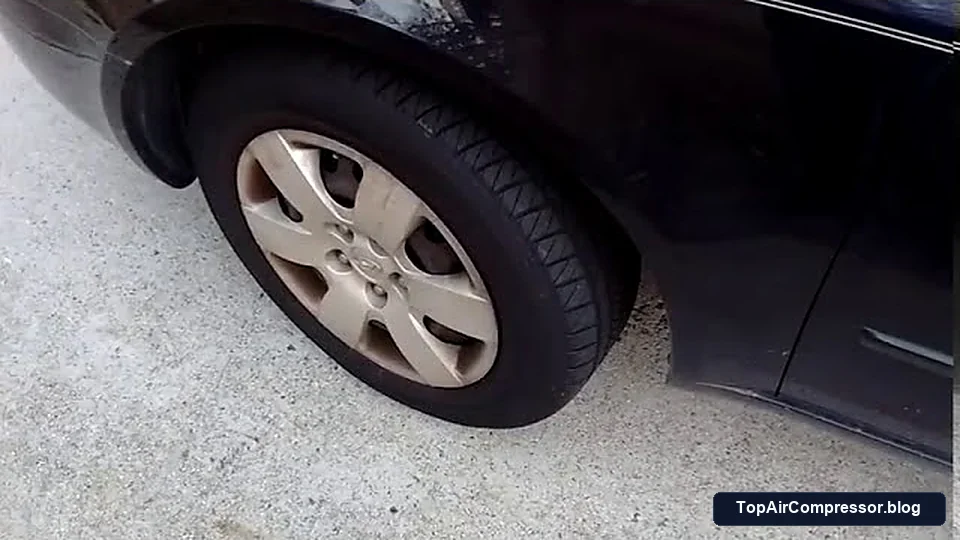
Finding the correct inflation level for your specific vehicle requires looking beyond generic estimates. Every automobile leaves the factory with engineered specifications designed to maximize safety, stability, and braking efficiency.
Consulting the vehicle owner manual provides foundational data regarding proper load indexes and seasonal adjustments. Relying on guesswork compromises stopping distances and accelerates premature tread degradation across all four wheels.
Engineers calculate these exact pressure figures based on vehicle weight distribution, suspension geometry, and braking capabilities. Deviating from these standards alters vehicle dynamics and reduces overall operational safety significantly.
Checking pressures regularly prevents uneven wear patterns and maintains strict adherence to federal safety guidelines. Establishing a consistent monthly routine protects your investment and ensures predictable highway handling responses.
The vehicle placard, typically located on the driver-side door jamb, provides the definitive cold inflation pressure. Ignoring this manufacturer specification compromises handling, braking distances, and overall structural tire integrity during daily driving.
Always measure pressure when tires are cold, meaning the vehicle sat for three hours. Reviewing resources like cfm vs psi comparisons helps you understand pressure variables alongside temperature fluctuations that alter internal air volume.
Gross weight ratings stamped on the chassis plate account for maximum payload distribution. Failing to adjust psi upward when towing heavy trailers creates dangerous sidewall flexing, accelerating tread wear and risking catastrophic high-speed blowout events.
Consult the physical owner manual for specialized operating conditions, such as sustained high-speed interstate driving or eco-friendly rolling resistance modes. Adhering strictly to these engineered tolerances ensures optimal fuel economy and extended treadlife.
- Always reference the factory placard rather than relying on general rules of thumb.
- Account for gross vehicle weight ratings when carrying heavy passenger loads.
- Verify inflation specifications before embarking on long interstate road trips.
- Never use unverified digital gauges without prior calibration checks.
Locating the Door Jamb Plaque
Opening the driver side front door reveals a critical certification label adhered to the metal pillar. This durable placard lists exact front and rear cold pressure requirements for your exact trim level.
Different engine configurations and wheel packages change weight distribution, making this specific label mandatory reading. Ignoring this panel in favor of sidewall figures creates dangerous handling imbalances.
- Inspect the metal door frame immediately adjacent to the driver seat latch.
- Verify that the tire size listed on the sticker matches your installed rubber.
Differentiating Sidewall Maximum Ratings from Recommended Pressures
A common motorist error involves inflating tires to match the maximum pressure stamped onto the outer rubber. That sidewall figure represents the structural limit, not the ideal daily operating pressure.
Pumping tires to their absolute maximum creates an overly rigid contact patch, causing harsh ride quality and rapid center tread wear. Proper vehicle operation demands adhering strictly to the lower door placard figures.
Thermal expansion causes internal air pressure to rise as tires roll along hot asphalt surfaces. Understanding this dynamic prevents over-inflation during extended summer highway driving conditions and heavy transport tasks.
Manufacturers print structural safety limits on the casing to define maximum load capacities safely. Treating this ceiling as a target pressure compromises traction and accelerates center tread destruction.
The numerical limit stamped on the tire sidewall represents the absolute maximum pressure required to hold the maximum load capacity. It is never the correct operational target for normal everyday passenger vehicle commuting applications.
Inflating tires to the sidewall limit causes the contact patch to balloon outward. This centralizes tread contact, severely reducing braking traction, inducing harsh ride quality, and accelerating premature wear down the center rib.
Vehicle manufacturers calculate ideal psi by balancing vehicle weight, suspension geometry, and tire volume. Trusting the door placard rather than the sidewall ensures proper contact patch distribution across the entire asphalt surface.
Treating the sidewall rating as a strict boundary prevents dangerous over-inflation mistakes. Consult guides explaining what is scfm vs cfm when upgrading your garage pneumatic tools to handle heavy aftermarket tires safely.
- Distinguish clearly between safe structural limits and recommended daily operating pressures.
- Avoid inflating tires to the sidewall maximum during routine maintenance sessions.
- Recognize that over-inflation reduces the available rubber contact patch dramatically.
- Protect suspension components by maintaining moderate, balanced placard pressures.
Understanding the Cold Inflation Concept
Accurate pressure measurements require taking readings only when tires are completely cold. Driving even a short distance generates internal friction that artificially elevates air pressure readings.
Always check pressures in the morning before the vehicle has been operated or exposed to direct sunlight. This baseline measurement ensures consistency across all seasonal weather fluctuations.
- Measure tire pressure after the vehicle has sat idle for at least three hours.
- Never bleed air from warm tires on the side of the highway.
Video Walkthrough: Common tire filling mistakes
Vehicle Class Breakdown for Proper Inflation Targets
Different automotive categories demand distinct pneumatic parameters to support varied gross weights. Using our cfm tool sizing calculator helps determine proper airflow needs for heavy-duty commercial pickup trucks and compact passenger cars.
Sedans generally operate efficiently between thirty-two and thirty-five pounds per square inch under normal driving loads. Exceeding these figures in lightweight vehicles degrades ride comfort and diminishes cornering grip.
Midsize crossovers and utility vehicles often require higher inflation targets to support increased cargo capacities safely. Reviewing the chassis sticker ensures your specific vehicle configuration is properly serviced.
Matching pressure targets to vehicle classifications prevents excessive sidewall flexing and minimizes catastrophic blowout risks. Regular monitoring guarantees consistent braking efficiency across diverse driving environments and loads.
Compact passenger cars generally require between 30 to 35 PSI to support their lighter curb weights and maintain smooth fuel-efficient rolling dynamics on standard highway asphalt environments.
Full-size SUVs and light trucks demand higher pressures, often ranging from 35 to 45 PSI, to adequately shoulder heavy cabins, towing loads, and rigorous utility hauling tasks safely.
Heavy-duty commercial trucks utilizing LT-metric tires often require 50 to 80 PSI in rear dual configurations to prevent excessive heat buildup under maximum cargo weight constraints.
Always verify specialized vehicle classes like electric vehicles, which carry heavier battery packs requiring distinct placard pressures to handle immediate torque loads and preserve structural sidewall integrity.
- Match your inflation routine directly to the specific vehicle classification placard.
- Adjust operating pressures upward when carrying maximum passenger and cargo weights.
- Inspect commercial utility vans more frequently due to constant heavy loading.
- Account for trailer tongue weights when calculating rear axle inflation needs.
Passenger Sedans versus Heavy Duty Trucks
Standard passenger cars prioritize smooth ride quality and balanced tread wear using lower PSI ranges. Conversely, heavy-duty trucks require substantial pneumatic support to manage massive payload capacities.
Ignoring truck-specific inflation requirements leads to dangerous sidewall overheating when hauling heavy materials. Always verify load range letters stamped into the tire casing before towing.
- Check light truck specifications against door placards and load rating charts.
- Increase rear pressures when hitching heavy trailers to prevent sway.
Interpreting Tire Pressure Monitoring System Warnings
Modern vehicles feature sophisticated electronic monitoring systems designed to alert drivers of dangerous pressure drops. The dashboard warning indicator typically illuminates when pressure falls twenty-five percent below specifications.
Ignoring this warning light compromises vehicle stability, increases fuel consumption, and damages internal casing structures. Promptly checking all four corners with a reliable gauge resolves the underlying mechanical issue.
Ambient temperature drops frequently trigger false warning lights during sudden seasonal weather transitions. Adding a small amount of compressed air restores proper baseline pressure and clears the dashboard alert.
Ensuring your monitoring sensors function correctly protects against sudden deflation events on high-speed roadways. Regular diagnostic checks prevent undetected slow leaks from developing into catastrophic tire failures.
Modern indirect and direct TPMS setups trigger a dashboard warning light when pressure drops 25 percent below the designated manufacturer cold specification, signaling immediate risk.
Never ignore an illuminated TPMS indicator, as under-inflated rubber generates excessive internal friction, leading to rapid tread degradation and potential structural failure on highways.
Seasonal temperature drops frequently cause false or nuisance TPMS alerts during autumn mornings, requiring you to manually check and reset pressures using a reliable digital gauge.
If a TPMS sensor flashes for sixty seconds before staying solid, it indicates an electronic malfunction requiring professional diagnostic scanning or battery replacement by a certified technician.
- Take dashboard pressure warnings seriously and inspect all tires immediately.
- Account for ambient temperature drops when winter weather arrives overnight.
- Verify that spare tires equipped with sensors are maintained properly.
- Consult professional technicians if dashboard indicators remain illuminated persistently.
Low Pressure Alerts versus Sensor Malfunctions
Differentiating between actual air loss and electronic sensor failure prevents unnecessary roadside delays. A flashing dashboard indicator often points toward internal battery depletion within the wheel sensor unit.
Physical pressure gauges provide the definitive answer when confirming true tire inflation levels. Never rely solely on dashboard lights without verifying physical pressures manually with a calibrated tool.
- Use a manual pencil or digital gauge to cross-check sensor readings.
- Replace aging sensor batteries during routine tire replacement intervals.
Assessing Tread Wear and Tire Health Visual Indicators

Visual inspections offer valuable clues regarding improper inflation habits and overall tire health. Examining tread patterns reveals whether your vehicle suffers from chronic over-inflation or dangerous under-inflation.
Center tread degradation strongly indicates that tires have been operated with excessive air pressure consistently. Conversely, heavy shoulder wear points directly toward prolonged under-inflation and increased rolling resistance.
Catching these wear patterns early allows drivers to correct pressure habits before purchasing expensive replacements. Maintaining even contact patches preserves steering responsiveness and maximizes total mileage lifespan.
Incorporating monthly visual checks into your maintenance routine catches foreign objects and cracking sidewalls early. Protecting your investment requires vigilance and adherence to manufacturer-recommended pneumatic parameters.
Inspect tread depth regularly using the classic penny test or a dedicated depth gauge to ensure your tires retain at least 2/32 of an inch of usable rubber.
Excessive wear along both outer shoulders typically confirms chronic under-inflation, while heavy central wear indicates chronic over-inflation, pointing to improper maintenance routines over time.
Look closely for cupping, feathering, or flat spots, which reveal underlying suspension misalignment or worn shock absorbers that demand immediate mechanical repair before new tire installation.
Check sidewalls for bulging, cracking, or deep cuts caused by striking curbs, as these structural compromises pose extreme blowout risks during sustained high-speed highway travel.
- Inspect tread depths across the entire width of each tire monthly.
- Look for abnormal feathering or cupping caused by alignment and pressure issues.
- Check sidewalls for bulges, cuts, or deep abrasions indicating structural damage.
- Rotate tires regularly to promote even wear across all four positions.
Spotting Center Wear versus Shoulder Wear Patterns
Center tread wear occurs when excessive air pressure balloons the tire casing outward. This concentrates vehicle weight onto a narrow strip of rubber, reducing braking traction significantly.
Shoulder wear happens when under-inflated tires allow outer tread blocks to scrub heavily during turns. Both conditions destroy tire longevity and demand immediate pressure correction and monitoring.
- Measure tread depth differences between the center and outer edges.
- Correct operating pressures immediately upon discovering asymmetrical wear.
Video Walkthrough: The 4 PSI Rule For Tires: What Is It, And Is It Reliable?
Using Portable Air Compressors and Pressure Gauges Safely
Owning a reliable portable air compressor empowers motorists to maintain precise inflation levels at home. Using quality equipment ensures you never rely on poorly calibrated service station air pumps.
Connecting chucks securely to valve stems prevents frustrating air leaks during the inflation process. Always monitor digital pressure readouts carefully to avoid overshooting your target placard specifications.
Choosing the best air compressor for the money ensures reliable inflation performance for your garage. Investing in a dedicated digital pressure gauge provides superior accuracy compared to standard pencil tools.
Performing routine maintenance on your inflation tools guarantees reliable performance during emergency roadside situations. Following proper safety protocols protects both your equipment and your vehicle wheels.
Connect your portable air compressor power cord securely to a 12V outlet or battery clamps before attaching the air chuck to the valve stem.
Monitor the inline pressure gauge carefully during inflation to prevent overpressurizing the tire casing beyond the target cold inflation specification printed on your door placard.
Allow compact 12V air compressors to cool down after ten minutes of continuous operation to prevent thermal overload and protect internal pump motor components from burnout.
Always replace missing valve stem caps promptly, as these small threaded covers block moisture and road debris from clogging the internal Schrader valve mechanism.
- Select portable compressors with integrated automatic shutoff features for safety.
- Inspect air hoses regularly for cracks, leaks, or loose brass fittings.
- Keep valve stem caps tightly secured to prevent dirt and moisture ingress.
- Store compressed air equipment away from extreme temperature fluctuations.
Calibrating Digital Gauges and Hose Connectors
Ensuring measurement accuracy requires periodic calibration checks against certified reference gauges. Even high-end digital tools can drift over time due to accidental drops or environmental exposure.
Inspect brass hose fittings and quick-connect couplers for worn rubber O-rings regularly. Replacing damaged seals prevents annoying pressure leaks while topping off your vehicle tires.
- Compare portable gauge readings against professional shop instruments annually.
- Keep valve stems clean of debris before attaching compressor chucks.
Frequently Asked Questions
How often should I check my vehicle tire pressure?
You should inspect your tire pressure at least once every month using a reliable gauge. Checking baseline pressures regularly prevents slow leaks from causing premature tread wear and safety hazards.
Should I inflate my tires to the number printed on the sidewall?
Never inflate tires to the maximum sidewall rating printed on the rubber casing. Always follow the specific vehicle placard located on your driver side door jamb for safety.
Why does my tire pressure drop when winter weather arrives?
Ambient temperature drops cause internal air molecules to contract and lose density. This natural thermodynamic reaction reduces pressure by roughly one PSI for every ten degree drop in temperature.
Is it safe to check tire pressure immediately after driving on the highway?
Checking pressure after driving yields inaccurate readings due to friction-generated heat. Always allow your vehicle to sit idle for three hours to obtain true cold inflation measurements.
What causes the dashboard tire pressure monitoring warning light to illuminate?
The warning light activates when pressure drops twenty-five percent below manufacturer specifications. Inspect all four tires immediately with a manual gauge to locate and correct the pressure loss.