What Size Air Compressor Do I Need for Painting
Calculating precise airflow demands prevents finishing defects. Proper sizing ensures consistent atomization across large automotive or fine furniture surfaces.

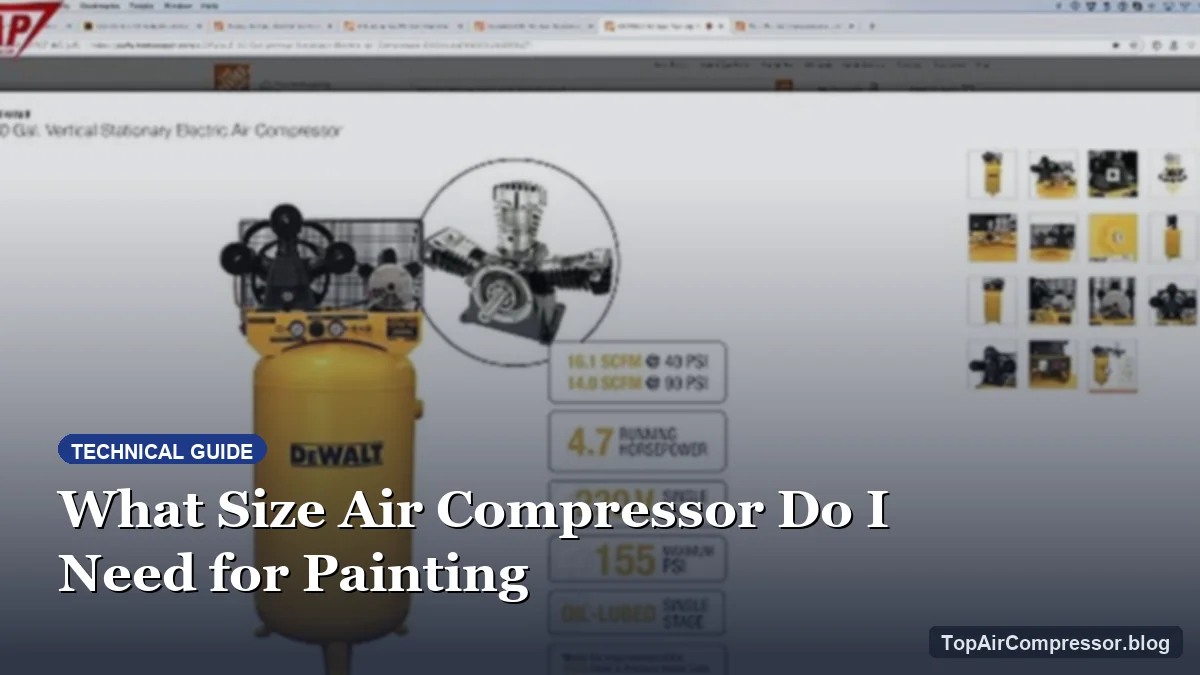
Most paint applications require at least 10 to 14 CFM at 40 PSI alongside a twenty-gallon tank. Always verify your specific spray gun specifications before purchasing equipment.
Looking for matching picks? See our Best Size Air Compressor For Painting: Top Garage Picks.
Practical Quick-Reference Table
| Scenario / Metric | Recommended Target | Why It Matters |
|---|---|---|
| Small Touch-Up Work | 8-10 CFM at 40 PSI | Prevents pump cycling during quick spot repairs. |
| Automotive Panel Painting | 12-16 CFM at 40 PSI | Ensures steady atomization for large flat surfaces. |
| Tank Storage Capacity | 60 Gallons Minimum | Reduces duty cycle strain and moisture buildup. |
| Hose Inner Diameter | 3/8 Inch Minimum | Eliminates restrictive pressure drops at the inlet. |
| Operating Pressure | 35-45 PSI (HVLP) | Optimizes transfer efficiency and minimizes overspray. |
| Air Filtration | Refrigerated / Desiccant | Eliminates water and oil contamination defects. |
Calculating CFM and PSI Requirements for Spray Painting
Spray painting demands a steady volume of compressed air to achieve proper atomization. Selecting the right unit requires matching your spray gun CFM requirements against pump output.
Operating pressure is measured in pounds per square inch, while volume is measured in cubic feet per minute. Most standard paint guns operate efficiently between 35 and 45 PSI.
Always check the manufacturer specifications for your specific paint gun model. Industrial turbine setups or high-pressure sprayers alter these baseline mathematical calculations significantly during project execution.
Failing to provide adequate airflow causes orange peel and dry spray. Using our cfm tool sizing calculator eliminates pressure drops that ruin professional automotive and woodworking finishes.
- Calculate total air volume using peak continuous spray requirements.
- Add a twenty percent safety margin to pump output ratings.
- Never rely solely on maximum horsepower claims listed by manufacturers.
- Account for pressure drops across long distribution hose runs.
Understanding Spray Gun Air Consumption Rates
Different spray gun technologies consume vastly different volumes of compressed air. HVLP guns require higher volumes at lower pressures to maximize transfer efficiency.
Conventional high-pressure guns demand more absolute pressure but consume slightly lower overall volume metrics. Evaluating these nuances prevents underpowered compressor installations in your shop.
- Measure exact air consumption during continuous trigger pulls.
- Compare conventional siphon feed requirements against gravity feed setups.
Tank Capacity and Duty Cycle Demands
Choosing the right storage capacity is vital, and consulting our best size air compressor for painting guide helps ensure steady pressure during detailed automotive spray work.
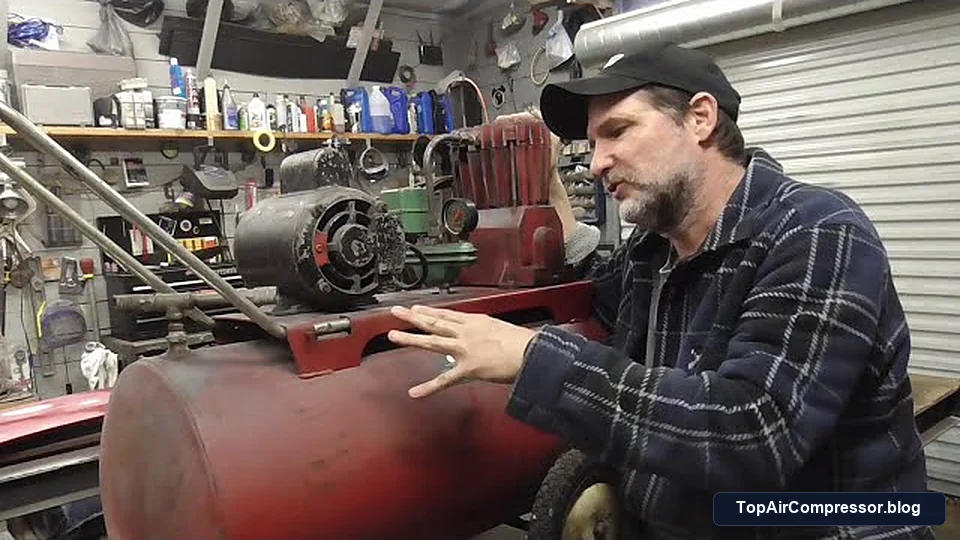
A minimum twenty-gallon tank is recommended for small touch-up painting tasks. Larger projects like full vehicle resprays demand sixty-gallon or larger ASME-rated vertical storage vessels.
Duty cycle ratings indicate the percentage of time a pump can operate safely. Exceeding recommended duty cycles leads to overheating, premature wear, and catastrophic pump failure.
Piston pumps generate substantial heat during extended operation cycles. Choosing cast-iron twin-cylinder pumps ensures better thermal dissipation and longevity under heavy workshop workloads.
- Match tank storage capacity to your typical project duration.
- Avoid oil-less direct-drive units for extended painting sessions.
- Monitor pump temperature during multi-stage coating applications.
- Ensure adequate shop ventilation to cool the compressor motor.
Continuous vs. Intermittent Spraying Applications
Intermittent painting tasks allow the compressor recovery time between spray passes. Cabinetry and furniture touch-ups fall comfortably into this manageable operational category.
Continuous industrial painting requires zero pressure drop during large surface coverage. Commercial production environments demand rotary screw or massive dual-stage reciprocating compressor setups.
- Factor in trigger-down time for continuous panels.
- Calculate pump recovery rates at working operating pressures.
Video Walkthrough: Picking YOUR Air Compressor For Automotive Painting - DIY Garage or Shop Air Compressors
Evaluating HVLP vs. Conventional Spray Equipment Needs
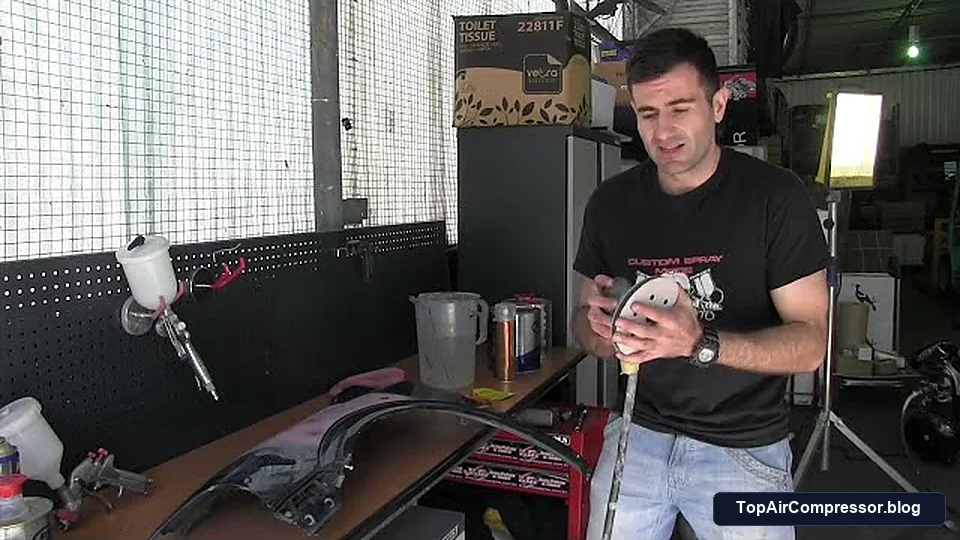
High Volume Low Pressure guns reduce overspray by utilizing higher air volumes. They require compressors delivering high CFM ratings at reduced operating pressures around 10 PSI at the cap.
Converting standard shop air down to HVLP requirements demands high-flow regulators. Standard restrictive fittings create severe pressure drops that disrupt atomization quality across panels.
Conventional high-pressure spray guns demand robust delivery pressures reaching 50 to 60 PSI. These older technologies consume less total volume but create significant atmospheric overspray.
Modern environmental regulations heavily favor HVLP equipment across most professional collision repair facilities. Balancing your compressor investment around these tools ensures regulatory compliance and finish quality.
- Verify cap pressure requirements for your specific spray gun.
- Install high-flow quick-disconnect fittings to prevent airflow restriction.
- Maintain consistent line pressure throughout the entire coating process.
- Test pattern atomization before applying basecoats to projects.
Essential Air Preparation and Moisture Control Systems
Compressed air naturally contains moisture and oil contaminants that ruin fresh paint. Installing professional-grade air drying equipment protects your finish from catastrophic fisheye defects.
A refrigerated air dryer removes the vast majority of atmospheric humidity before it enters lines. Desiccant secondary filters provide absolute dryness for critical automotive clear coat applications.
Position moisture traps at least twenty-five feet away from the compressor tank. This distance allows compressed air to cool naturally, condensing water vapor before reaching filters.
Inspect and drain tank condensation valves daily to prevent internal corrosion buildup. Neglecting moisture management introduces water droplets directly into your valuable paint mix formulas.
- Mount multi-stage filtration systems near the point of use.
- Replace desiccant filter beads when color indicators change entirely.
- Check automatic tank drains weekly for proper mechanical operation.
- Use oil-removal coalescing filters with reciprocating workshop compressors.
Hose Diameters, Lengths, and Pressure Drop Factors
Undersized air hoses severely restrict airflow regardless of compressor capacity. Using a standard three-eighths-inch inner diameter hose ensures adequate volume reaches your spray gun inlet.
Excessive hose length increases friction losses and reduces dynamic working pressure. Keep total hose runs under fifty feet between the regulator and your spray equipment.
Avoid using micro-diameter whip hoses directly at the gun handle if possible. These restrictive fittings drop effective working pressure below acceptable atomization thresholds instantly.
Select flexible, oil-resistant polyurethane or hybrid polymer hose materials for finishing work. High-quality lines prevent kinks and resist damage from harsh automotive solvents and thinners.
- Upgrade to half-inch main lines for long shop runs.
- Calculate pressure drop across every fitting and quick-disconnect.
- Avoid restrictive 1/4-inch fittings on high-CFM spray setups.
- Store hoses properly away from sharp edges and direct sunlight.
Video Walkthrough: What Size Air Compressor is Needed to Paint a Car?
Step-by-Step System Setup and Regulator Calibration
Correct system setup begins with proper compressor placement in a clean environment. Position the machine away from painting zones to prevent overspray from clogging cooling fins.
Install a dedicated air pressure regulator directly adjacent to your water separator. Adjust the secondary regulator while the spray gun trigger is fully depressed for accuracy.
Setting static pressure without airflow leads to massive pressure drops under load. Always calibrate your dynamic working pressure with air actively flowing through the spray nozzle.
Test your complete setup on a scrap panel before touching actual workpieces. This final calibration step guarantees smooth fluid delivery, perfect atomization, and flawless surface finishes.
- Mount regulators securely at a comfortable eye-level height.
- Use digital pressure gauges for precise pressure verification.
- Bleed residual tank pressure at the end of each workday.
- Check all threaded connections for air leaks using soapy water.
Preventing Common Painting Defects and Air Delivery Failures
Water contamination causes cratering in finishes. Reviewing the best air compressor for painting cars options ensures you select reliable filtration to eliminate moisture surges during humid weather.
Pulsating spray patterns indicate an under-sized compressor struggling to keep pace. Ensure your pump delivers at least 1.5 times the continuous CFM rating of your gun.
Pressure drop during long spraying sessions causes uneven metallic flake orientation. Resolving this requires upgrading main air distribution piping from rubber hoses to rigid aluminum.
Oil contamination from worn piston rings ruins urethane and acrylic enamel finishes instantly. Install commercial-grade coalescing oil separators to protect sensitive coating materials from chemical ruin.
- Inspect filters regularly for trapped oil and water emulsions.
- Listen for erratic compressor cycling indicating pressure switch failure.
- Maintain clean fluid passages inside your spray gun body.
- Monitor ambient humidity levels before initiating outdoor painting projects.
Preventive Maintenance Schedules for Painting Compressors
Routine maintenance extends equipment lifespan and ensures clean air delivery. Change compressor oil every three hundred operating hours using synthetic non-detergent compressor lubricants designed for pumps.
Clean air intake filters weekly to maintain maximum pump volumetric efficiency. Clogged filters starve the compressor of air, increasing operating temperatures and reducing total output CFM.
Inspect belt tension monthly on belt-driven reciprocating workshop compressor models. Following our best air compressor for spray painting guide helps prevent loose belts from reducing pump speed.
Test pressure relief safety valves periodically to guarantee emergency release functionality. Proper upkeep prevents catastrophic tank failures and protects workshop operators from hazardous high-pressure accidents.
- Keep detailed logs of all maintenance procedures and filter changes.
- Check flywheel alignment and tighten mounting bolts annually.
- Clean external cooling fins to maximize thermal heat dissipation.
- Replace worn check valves immediately upon noticing backflow issues.
Frequently Asked Questions
Can I use a small pancake compressor for painting cars?
Small pancake units lack the continuous CFM output required for automotive coating tasks. They cycle rapidly and overheat under sustained loads, ruining finishes.
Why does my spray gun spit water during use?
Water spitting indicates saturated air lines or a failing moisture trap system. Installing refrigerated dryers and desiccant filters resolves this costly finishing defect.
What size tank do I need for furniture painting?
Furniture touch-ups require at least a twenty-gallon tank with adequate recovery rates. Larger cabinet projects demand sixty-gallon vessels to prevent pressure drops.
How does hose length affect my spray gun pressure?
Long hoses create friction losses that reduce dynamic working pressure at the nozzle. Keeping total hose runs under fifty feet prevents unwanted pressure drops.
Do I need an oil-free compressor for painting?
Oil-free units prevent oil contamination but wear out much faster than lubricated pumps. Using commercial coalescing filters on lubricated compressors safely eliminates oil risks.