What Size Air Compressor Do I Need for Sandblasting
Choosing the correct air compressor prevents pressure drops and ensures continuous abrasive flow. Proper sizing protects your equipment and guarantees uniform surface finishing results.

Most sandblasting applications require at least 10 to 15 CFM per 1/16-inch of nozzle orifice at 90 PSI. Always add a 30 to 50 percent safety margin to your final calculations.
Looking for matching picks? See our Best Air Compressor For Sandblasting: Top Picks.
Practical Quick-Reference Table
| Scenario / Metric | Recommended Target | Why It Matters |
|---|---|---|
| 1/8-inch Nozzle | 20 to 25 CFM at 90 PSI | Matches standard DIY abrasive blasting setups. |
| 3/16-inch Nozzle | 45 to 50 CFM at 90 PSI | Required for medium restoration and automotive work. |
| 1/4-inch Nozzle | 80 to 90 CFM at 90 PSI | Standard professional production blasting requirement. |
| Moisture Control | Below 50°F Dew Point | Prevents abrasive media clumping in the pot. |
| Safety Margin | Add 30% to 50% CFM | Accounts for tank filling and system wear over time. |
| Duty Cycle | 100% Continuous Duty | Prevents thermal overload during extended blasting sessions. |
Decoding Sandblasting Air Volume Mechanics
Understanding cubic feet per minute is the single most critical factor when selecting an air compressor for abrasive blasting. Unlike intermittent tools like nail guns, blasting demands continuous airflow.
Evaluating options in our best air compressor for sandblasting guide ensures your pump meets actual nozzle demands. If output falls short, system pressure drops rapidly and halts abrasive flow completely.
Volumetric efficiency drops as atmospheric conditions change, meaning your compressor produces less air on hot, humid days. Factoring in these environmental variables protects you against unexpected performance bottlenecks.
Choosing the wrong volume rating leads to premature pump failure because the motor runs constantly without a break. Proper sizing ensures your machine cycles correctly and maintains consistent pressure.
- Continuous CFM delivery supersedes peak horsepower ratings on spec sheets.
- Atmospheric temperature directly impacts actual air compressor pump delivery rates.
- Pressure drops instantly halt abrasive media feed within the pickup tube.
- Electric motors require adequate cooling periods during heavy abrasive blasting tasks.
Understanding Air Delivery Ratings
Manufacturer specifications often list displacement CFM rather than actual delivery CFM, which misleads buyers. Always check the free air delivery rating at your required operating pressure.
Piston displacement measures cylinder volume, while actual delivery accounts for valve losses and thermal expansion. Relying solely on displacement guarantees an underpowered system for abrasive blasting.
- Check standard cubic feet per minute ratings carefully.
- Ignore inflated horsepower numbers marketed on retail equipment.
Nozzle Size Selection and Air Delivery Physics
The physical diameter of your abrasive nozzle dictates exact airflow consumption during any project. Even small increases in orifice size exponentially increase total compressed air demand.
A standard 1/8-inch nozzle typically requires roughly twenty CFM at ninety pounds per square inch. Stepping up to a quarter-inch nozzle quadruples the orifice area and air demand.
Venturi nozzles accelerate abrasive particles faster than straight-bore designs, improving cleaning efficiency significantly. However, they still require steady, high-volume air delivery to maintain their velocity advantage.
Choosing a unit matching guidelines inside our best size air compressor for air tools article prevents pressure starvation. Always calculate exact nozzle dimensions before buying.
- Orifice cross-sectional area dictates total cubic feet per minute consumption.
- Venturi nozzles demand stable pressure for maximum particle acceleration.
- Straight-bore tips offer lower initial air consumption for small tasks.
- Nozzle wear over time increases air demand beyond initial specs.
Managing Orifice Wear and Air Demand
Tungsten carbide and ceramic inserts erode gradually during extended abrasive blasting operations. As the bore widens, your air consumption increases beyond the initial baseline measurements.
Inspect your nozzles regularly with precision drill bits to detect early internal diameter expansion. Replacing worn tips preserves your compressor capacity and prevents unexpected pressure drops.
- Measure nozzle diameters after every ten hours of use.
- Discard worn inserts immediately to protect compressor efficiency.
Video Walkthrough: Best Air Compressor for Sandblasting - 5 Best Air Compressor of 2024
Pressure Requirements and Operating PSI Thresholds
Maintaining a steady ninety pounds per square inch at the nozzle is standard for most media blasting. Dropping below this threshold reduces kinetic energy and slows cleaning rates drastically.
Pressure losses occur naturally as compressed air travels through long hoses, fittings, and moisture separators. You must account for these internal friction losses when setting your regulator.
Heavy steel grit requires higher operating pressures than soft walnut shells or baking soda. Adjusting your system pressure ensures optimal cleaning without damaging delicate underlying substrates.
Use our cfm and tank sizing calculator to determine accurate operational requirements for your setup. Regulators should be positioned close to the blast pot to monitor working pressure safely.
- Friction losses in long hoses reduce effective working pressure.
- Different abrasives demand specific operational pressure ranges for safety.
- Tank pressure differs significantly from actual nozzle operating pressure.
- Install heavy-duty regulators to withstand abrasive dust environments.
Calculating Line Friction Losses
Long hose runs create significant pressure drops that starve your blasting nozzle of energy. Using three-quarter-inch inner diameter hoses minimizes friction compared to standard half-inch alternatives.
Every coupling and bend introduces turbulence, further reducing the effective operating pressure at your nozzle. Keep hose runs as short and straight as possible for peak performance.
- Select larger hose diameters for runs exceeding fifty feet.
- Minimize quick-disconnect fittings to reduce air restriction points.
Compressor Types for Continuous Abrasive Blasting
Rotary screw compressors provide the 100 percent duty cycle required for heavy commercial abrasive blasting tasks. Unlike piston models, they run continuously without overheating during prolonged projects.
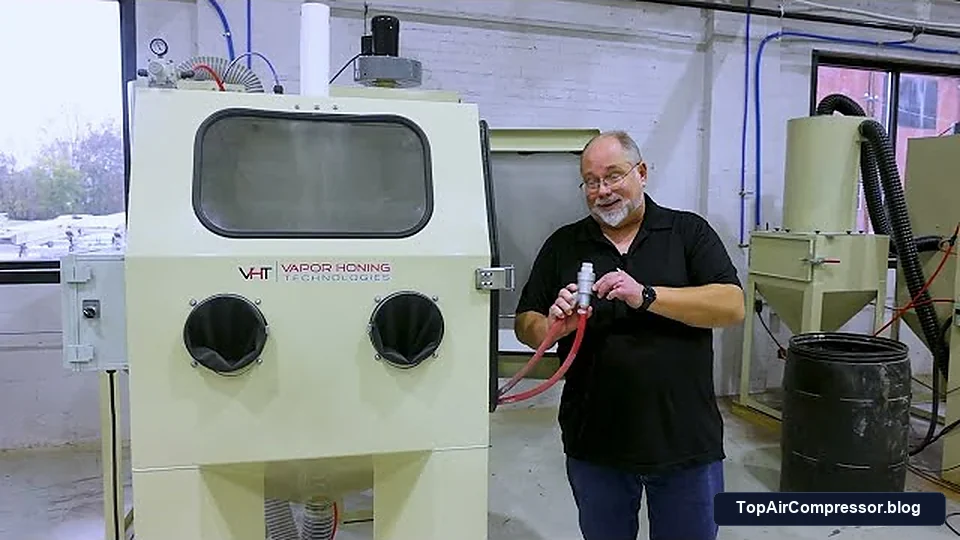
Two-stage reciprocating piston compressors work well for intermittent DIY or light restoration projects. They require adequate recovery time between heavy cycles to prevent thermal breakdown of pump components.
Single-stage units lack the cooling efficiency and sustained volume necessary for serious sandblasting applications. Attempting to use them for large projects results in thermal overload and tripped breakers.
Evaluate your project timelines to determine whether you need industrial continuous-duty equipment. Investing in the right compressor type prevents costly equipment replacements and frustrating work delays.
- Rotary screw designs offer seamless continuous-duty compressed air output.
- Two-stage piston pumps need cooldown intervals during extended use.
- Single-stage compressors cannot sustain required pressure for large nozzles.
- Thermal overload switches protect motors from catastrophic winding damage.
Evaluating PENDIP and Tank Capacity
Large storage tanks buffer pressure fluctuations but cannot make up for low pump CFM output. An eighty-gallon tank provides adequate storage for medium-duty shop blasting setups.
Remember that heavy blasting requires far more continuous volume than units featured in our best size air compressor for framing nailer review. Tank reserves deplete rapidly during continuous discharge.
- Tanks stabilize pressure but do not increase pump capacity.
- Drain condensation daily from vertical and horizontal storage tanks.
Air Treatment Systems for Moisture and Media Protection
Compressed air naturally generates moisture that ruins abrasive media inside your blast pot. Installing an aftercooler and refrigerated dryer removes humidity before it enters the system.
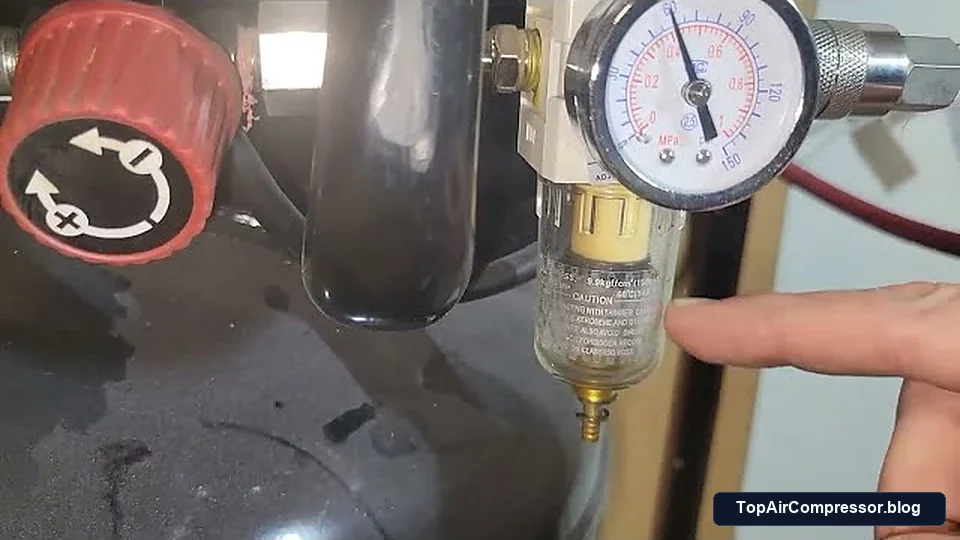
Wet abrasive media cakes together, clogging metering valves and stopping smooth material flow. Desiccant dryers provide ultra-dry air necessary for sensitive media like baking soda or fine aluminum oxide.
Oil carryover from lubricated compressor pumps stains freshly blasted metal surfaces instantly. Use high-efficiency coalescing filters to strip residual oil vapors from your compressed air stream.
Inspect automatic drain valves regularly to ensure moisture escapes before reaching downstream distribution lines. Clean filtration components prevent unexpected maintenance downtime on remote jobsites.
- Refrigerated dryers eliminate bulk moisture from humid ambient air.
- Desiccant systems achieve ultra-low dew points for specialty media.
- Coalescing filters trap microscopic oil droplets in the airstream.
- Moisture separators protect metering valves from abrasive clumping.
Positioning Air Treatment Equipment
Place aftercoolers immediately downstream of the compressor to lower compressed air temperatures safely. Cool air holds significantly less moisture, making downstream filtration much more effective.
Connect coalescing filters after the primary air receiver tank for optimal vapor trapping performance. This sequential setup extends filter lifespan and protects your expensive abrasive media.
- Install aftercoolers before primary air storage tanks.
- Position coalescing filters downstream from cooling equipment.
Video Walkthrough: Can this Harbor Freight compressor run my sandblaster?
Mobile Diesel Units Versus Stationary Electric Setups
Towable diesel compressors provide the high CFM needed for remote outdoor sandblasting projects. They operate independently of electrical grids, offering complete worksite mobility for large contractors.
Stationary electric units cost significantly less to operate and maintain inside permanent shop environments. They produce zero local exhaust emissions, making them ideal for enclosed workshop settings.
Diesel units require rigorous engine maintenance, including oil changes and fuel filter replacements. Electric compressors offer plug-and-play simplicity with lower overall long-term energy consumption rates.
Assess your primary operating locations carefully before investing in mobile or stationary hardware. Choosing the right power source prevents logistical headaches on remote or facility-based projects.
- Diesel towable compressors deliver massive CFM for remote jobsite work.
- Stationary electric models reduce operating costs in fixed workshops.
- Internal combustion engines demand strict adherence to emission standards.
- High-voltage electrical drops are mandatory for large shop compressors.
Sizing Electrical Requirements for Shop Units
Industrial electric compressors demand heavy-duty wiring and dedicated breaker panels for safe operation. Always consult a certified electrician to verify your facility's amperage capacity before installation.
Voltage drops during motor startup can damage sensitive electronic components across your facility. Proper starter configurations and soft-start technology protect your electrical infrastructure from surges.
- Verify three-phase electrical service availability prior to purchase.
- Install thermal-magnetic circuit breakers sized for motor loads.
Calculating Total System Demand and Safety Margins
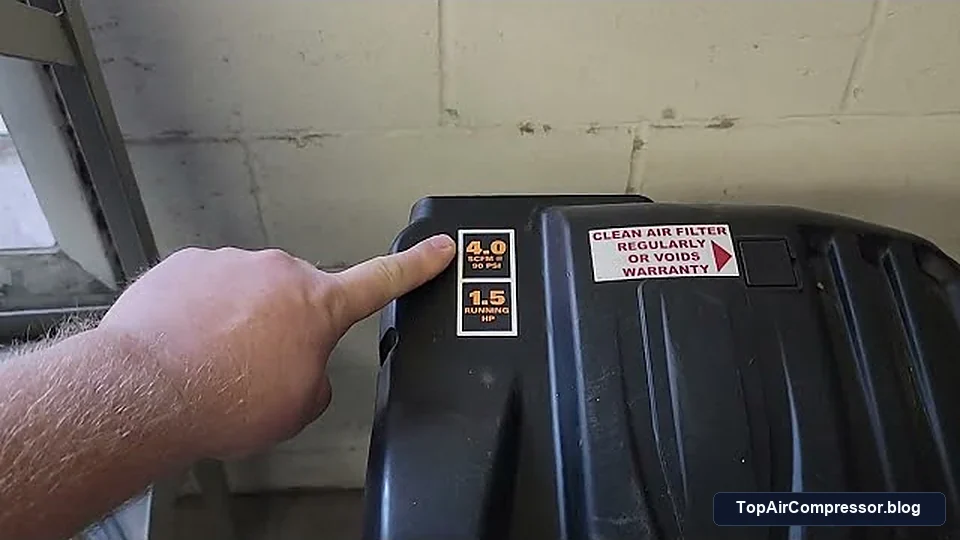
Accurately sizing your system requires adding a safety margin to your base calculations. Multiply your nozzle requirement by 1.3 to 1.5 to account for system inefficiencies and wear.
Ignoring this safety buffer leads to constant compressor cycling and premature mechanical component failure. Building overhead into your system guarantees reliable performance during peak operational demands.
Account for future workshop expansion by selecting a slightly larger compressor model initially. Upgrading equipment later costs significantly more than purchasing adequate capacity from the start.
Consult manufacturer technical sizing charts to cross-reference your specific blasting parameters. Thorough planning ensures your pneumatic system delivers flawless results on every single abrasive project.
- Apply a thirty to fifty percent CFM safety buffer.
- Account for future air tool additions in your calculations.
- Reference manufacturer volumetric output charts before finalizing equipment.
- Evaluate total pneumatic load including abrasive blast pots.
Factoring Altitude and Environmental Variables
Compressor volumetric output decreases at higher elevations due to reduced atmospheric air density. Adjust your CFM calculations upward if you operate significantly above sea level.
Ambient temperatures also alter air density and cooling efficiency throughout long operational cycles. Factor local climate extremes into your final equipment sizing equations for optimal results.
- Add three percent capacity loss per thousand feet of elevation.
- Factor high ambient temperatures into cooling system requirements.
Frequently Asked Questions
Can I use a standard 110V portable compressor for sandblasting?
Standard 110V units cannot deliver the continuous volume required for media blasting. Most require at least 10 to 15 CFM at 90 PSI, which demands 230V or gas power.
What size compressor runs a 1/4-inch sandblasting nozzle?
A standard quarter-inch nozzle demands roughly 80 to 90 CFM at 90 PSI. You need a 100 CFM industrial compressor with a proper safety margin for continuous operation.
Why does my air pressure drop instantly when I start blasting?
Pressure drops occur when your compressor pump cannot match nozzle air consumption. Your system is likely starved for CFM, forcing you to use a smaller nozzle.
Do I need a dryer for basic abrasive blasting?
Moisture causes abrasive media to clump and clog your blast pot metering valve. Installing a quality moisture separator or dryer ensures smooth, uninterrupted media flow.
Is a rotary screw compressor better than a piston model?
Rotary screw units provide a 100 percent duty cycle for heavy commercial work. Piston pumps work for quick DIY tasks, but they overheat during prolonged blasting sessions.