What Size Compressor Do I Need for Impact Wrench?
Choosing the correct air compressor size ensures your impact wrench delivers maximum torque without stalling. Proper CFM and PSI ratings prevent frustration during heavy automotive tasks.

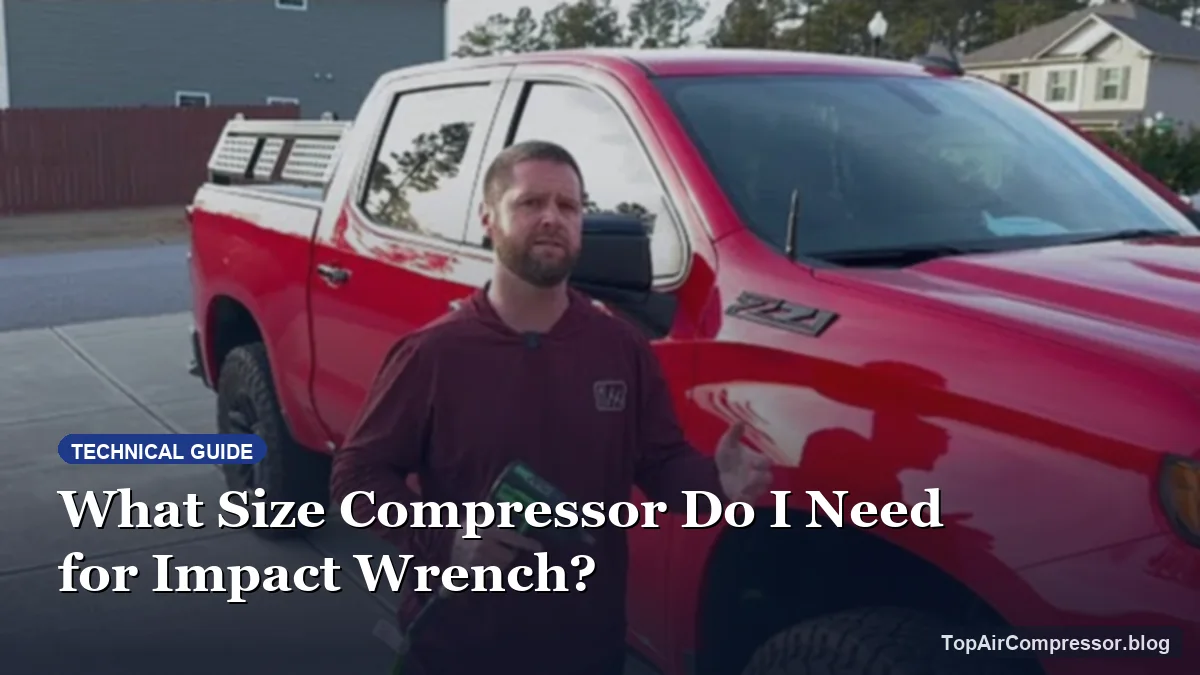
Most standard half-inch impact wrenches require a compressor delivering at least 4 to 5 CFM at 90 PSI paired with a 20 to 30 gallon tank for reliable performance.
Looking for matching picks? See our Best Air Compressor For Impact Wrench: Top Picks.
Practical Quick-Reference Table
| Scenario / Metric | Recommended Target | Why It Matters |
|---|---|---|
| Light Duty Impact Wrench | 3 to 4 CFM at 90 PSI | Handles basic tire rotations and minor suspension bolts without constant motor cycling. |
| Standard Shop Impact Wrench | 4 to 6 CFM at 90 PSI | Provides adequate reserve air for continuous fastener removal on cars and trucks. |
| Heavy Duty Industrial Wrench | 7 to 10 CFM at 90 PSI | Supplies high volume air necessary for stubborn semi-truck lug nuts and structural steel. |
| Minimum Tank Capacity | 20 to 30 Gallons | Acts as an air reservoir to smooth out pressure drops during short high-demand bursts. |
| Hose Inner Diameter | 3/8 Inch minimum | Prevents severe pressure starvation that limits the actual output force of your tool. |
| Operating Pressure | 90 PSI running pressure | Ensures internal pneumatic motor components rotate at rated speeds and impact frequencies. |
Understanding Pneumatic Power Demands for Fastener Tools
Operating an impact wrench requires a stable supply of compressed air measured in cubic feet per minute at a specific pressure. Ignoring these baseline pneumatic requirements leads directly to disappointing torque output.
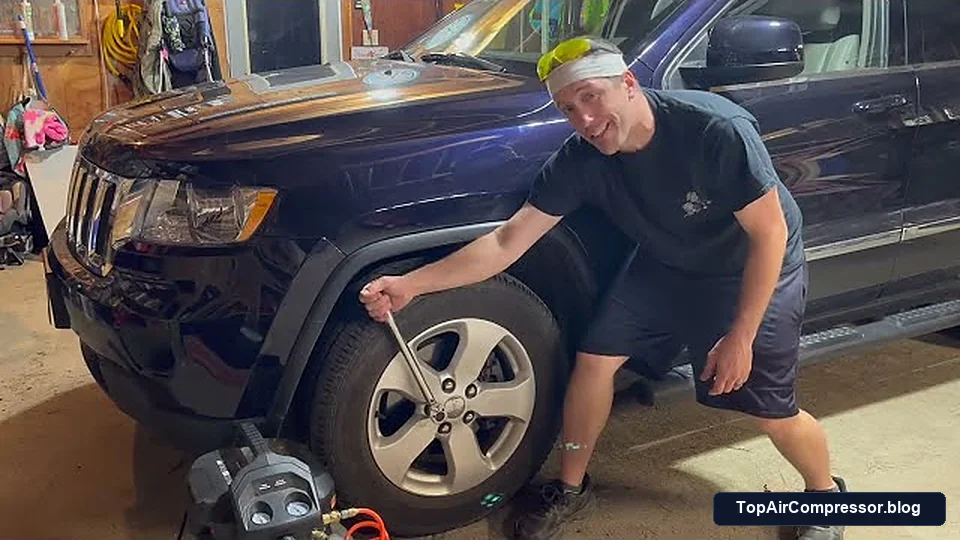
Manufacturers design impact mechanisms to operate efficiently at 90 pounds per square inch under load. Supplying lower operating pressure cripples the internal hammers and prevents proper fastener removal.
Air consumption is rarely continuous because pneumatic tools operate intermittently. Reviewing our best air impact wrench for small compressor choices helps you find models that will not rapidly deplete small storage tanks.
Matching your compressor pump capacity to the tool specifications prevents constant motor cycling. Proper equipment pairing protects both the air compressor motor and the pneumatic tool from premature wear.
Impact wrenches rely on continuous air volume rather than static pressure to deliver high torque. Mechanics must evaluate duty cycles carefully when running heavy-duty automotive fasteners under demanding shop conditions.
Standard shop compressors must supply at least 4 CFM at 90 PSI for basic half-inch impact guns. Professional units often require up to 7 CFM to prevent performance loss during extended lug nut removal.
Operating high-torque fasteners without adequate air supply causes premature motor wear and excessive thermal buildup. Ensuring your compressor pump matches tool specifications prevents costly equipment failures on the shop floor.
Fastener tools operate intermittently, yet sizing strictly for the raw average consumption leads to severe pressure starvation. Always factor in a safety margin of fifty percent above the tool manufacturer's baseline rating.
- Always evaluate tool air consumption at 90 PSI operating pressure.
- Factor in intermittent trigger usage versus continuous heavy fastening.
- Never rely solely on peak horsepower claims listed on marketing labels.
- Verify pump recovery rates match your actual workshop task frequency.
Intermittent Duty Versus Continuous Air Flow
Impact wrenches feature very low duty cycles because technicians pull the trigger for seconds at a time. This intermittent nature allows smaller tanks to handle short fastener bursts effectively.
Understanding this operational profile helps prevent overspending on massive industrial units. A moderate tank paired with adequate CFM easily supports typical automotive repair workflows.
- Calculate expected trigger time per minute during heavy repairs.
- Allow storage tanks to refill fully between stubborn fastener removal sessions.
Evaluating CFM Ratings and Tank Volume Specifications
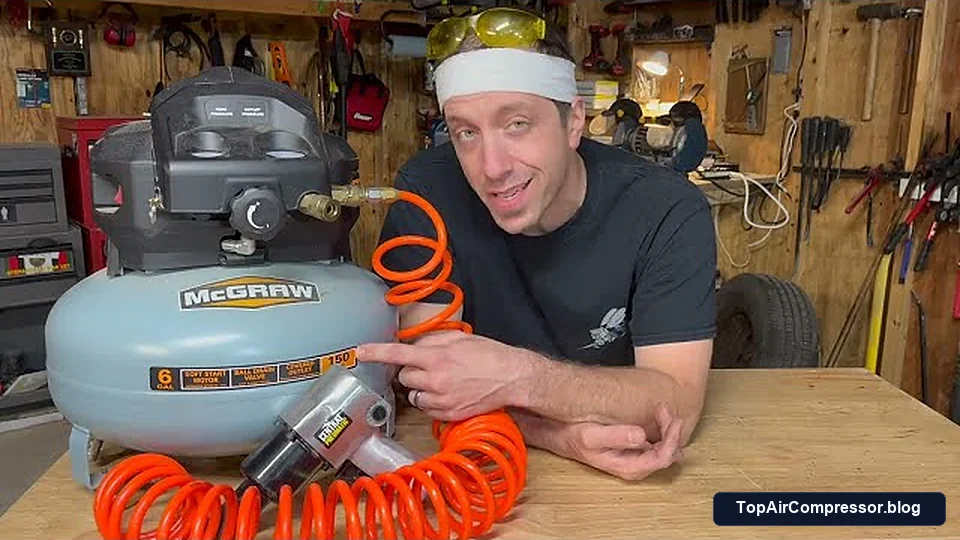
Evaluating air compressor specifications requires looking past horsepower numbers to find true delivery ratings. Choosing the right unit from our best air compressor for impact wrench selections dictates whether your tool functions properly.
Small pancake compressors with tiny tanks struggle to maintain the volume required for automotive fasteners. Selecting a 20 gallon minimum tank provides the necessary buffer for extended trigger pulls.
Industrial workshops handling large trucks require much higher volume outputs and dual-stage pumps. Home mechanics working on passenger cars find mid-range vertical units strike the ideal balance.
Tank volume stores compressed energy, but the pump delivery rate dictates long-term usability. A balanced system prevents frustrating mid-job pauses while waiting for the pressure gauge to rise.
Cubic Feet per Minute ratings dictate how long your impact wrench can run before pressure drops critically. A tank capacity of at least thirty gallons ensures reliable operation during rigorous automotive suspension repairs.
Smaller six-gallon pancake compressors cycle constantly and struggle to sustain the continuous airflow required by heavy impacts. Selecting a twin-cylinder cast-iron pump improves recovery times and extends overall compressor motor life span.
Pressure drops across manifolds can stall pneumatic tools if tank reserves are too small. You can easily determine correct tank dimensions using our cfm & tank sizing calculator before purchasing hardware.
Check the pump displacement versus actual delivered air metrics before purchasing any industrial setup. Real-world performance at ninety PSI matters far more than theoretical displacement figures listed on marketing materials.
- Prioritize CFM delivery numbers over exaggerated peak horsepower ratings.
- Choose vertical tank designs to save valuable floor space in small shops.
- Ensure the pump motor runs on appropriate household or shop electrical circuits.
- Check manufacturer specifications for both average and maximum air consumption.
Decoding Manufacturer Air Delivery Labels
Equipment nameplates often list displacement numbers rather than actual delivered air volumes. True performance relies strictly on delivered CFM at operating pressure thresholds.
Compare multiple unit specifications carefully before purchasing equipment for heavy fastener tasks. Real-world delivery rates determine whether your impact tool reaches maximum breakaway torque.
- Look for certified delivery ratings stamped on compliance plates.
- Avoid units that only list displacement without pressure context.
Video Walkthrough: Can a SMALL Air Compressor run an Impact Wrench? Let's SEE!
Optimizing Hose Diameters and Regulator Settings
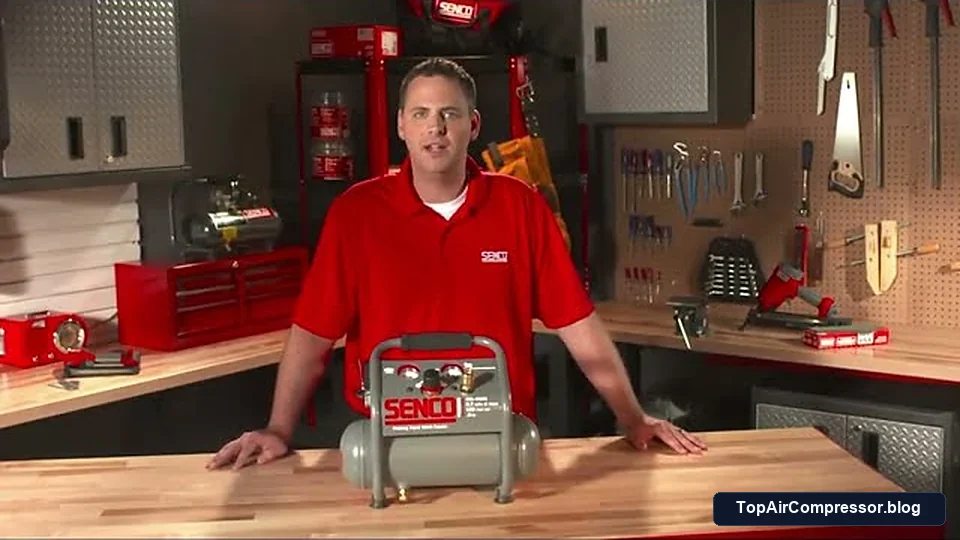
Plumbing restrictions between your compressor and impact wrench severely reduce actual tool performance. Evaluating recommendations from our best air compressor for impact gun setups prevents excessive pressure drops caused by restrictive fittings.
Upgrading to a three-eighths inch hose allows unrestricted airflow directly to the tool inlet. Minimizing line length further preserves precious operating pressure during heavy fastener removal.
Adjusting your pressure regulator to deliver 90 PSI at the coupler under flow is critical. Static pressure readings drop immediately once the trigger is pulled and air starts moving.
Installing high-flow industrial fittings eliminates common bottlenecks found in standard quick-disconnect couplers. Every component in the pneumatic circuit impacts the final delivery of raw torque.
Restrictive air lines starve impact wrenches of the vital volume needed to generate maximum torque output. Upgrading to a three-eighths inch inner diameter hose eliminates unnecessary pressure restrictions across long shop runs.
Standard quarter-inch whip hoses reduce dynamic pressure significantly before air ever reaches the tool inlet port. Maintaining proper air velocity requires minimizing fittings and utilizing high-flow industrial style quick-disconnect couplers.
Set your primary regulator to deliver precisely ninety pounds per square inch while the trigger is engaged. Adjusting pressure statically without airflow causes severe starvation once the impact mechanism starts spinning.
Inspect regulator diaphragms periodically to ensure accurate pressure delivery and prevent erratic tool behavior under load. Proper valve calibration protects internal components from damaging pressure spikes during intermittent fastener operations.
- Avoid long coiled hoses that cause excessive pressure drops over distance.
- Set regulators while the air is flowing rather than reading static pressure.
- Inspect quick-connect couplers regularly for internal wear and flow restriction.
- Keep total airline length as short as safely possible in the workspace.
The Danger of Internal Pressure Starvation
Pressure starvation occurs when restrictive fittings prevent volume from reaching the tool motor. Your compressor gauge might show adequate pressure while the wrench struggles.
Eliminating narrow adapters ensures the impact mechanism receives proper kinetic energy. Proper airflow translates directly into faster lug nut removal and smoother workshop operations.
- Test working pressure dynamically at the tool inlet whip hose.
- Replace worn fittings that exhibit internal flow restriction symptoms.
Preventing Pressure Drops and Common Setup Mistakes
Common setup errors often lead mechanics to believe their air compressor is fundamentally underpowered. Failing to account for line friction losses is the leading cause of tool starvation.
Running multiple pneumatic tools off a single undersized regulator starves the impact wrench of air. Dedicated lines or staged manifolds maintain consistent pressure across busy service bays.
Check all threaded pipe connections for silent air leaks using soapy water detection methods. Even minor leaks force compressor pumps to cycle unnecessarily and deplete storage reserves.
Undersized electrical extension cords also rob compressor motors of startup current and longevity. Plugging units directly into dedicated wall circuits prevents thermal overloads and voltage drops.
Long runs of narrow steel piping introduce massive friction losses that diminish available tool operating pressure. Installing larger main lines of three-quarter-inch aluminum or copper prevents severe pressure drops throughout the workshop.
Avoid daisy-chaining multiple coiled hoses together because each connection point creates turbulence and flow restriction. Direct routing using smooth-bore materials ensures your impact wrench receives consistent pneumatic energy for stubborn bolts.
Undersized fittings act as bottlenecks, neutralizing the benefits of a powerful commercial-grade air compressor system. Always verify that quick couplers feature a high flow internal valve design to maximize pneumatic efficiency.
Monitor gauge readings dynamically while operating your tools to catch hidden restrictions in the plumbing network early. Catching pressure drops prevents premature wear on pneumatic motors and ensures consistent shop productivity.
- Never use light-gauge extension cords with heavy motor compressors.
- Inspect threaded manifold joints periodically for hidden air leaks.
- Isolate high-demand pneumatic tools onto dedicated regulator drops.
- Monitor compressor duty cycles to prevent excessive internal component heat.
Diagnosing Low Torque Output Symptoms
When an impact wrench fails to remove standard bolts, systematic troubleshooting is required. Begin by checking dynamic operating pressure directly at the tool inlet connection.
Isolate whether the compressor pump, storage tank, or supply hose causes the bottleneck. Resolving these minor restrictions restores full manufacturer torque specifications instantly.
- Measure dynamic pressure drop during active trigger pulls.
- Verify internal rotor blades show no signs of premature wear.
Routine Maintenance and Moisture Control Practices
Compressed air naturally generates destructive moisture that rusts tanks and ruins pneumatic tools. Draining condensation from your storage tank daily after every use prevents internal corrosion.
Installing a dedicated water separator and oil lubricator protects internal impact motor components. Clean, dry air extends tool lifespan significantly while maintaining peak operating efficiency.
Inspect drive belts for proper tension and wear to ensure reliable compressor pump operation. Loose belts slip under load, reducing overall air delivery rates during high-demand jobs.
Clean intake air filters regularly to prevent dust buildup from restricting pump efficiency. Restricted airflow starves the compressor cylinder and slows down tank refill cycles.
Compressed air naturally generates condensation that rusts internal motor components and washes away essential lubrication. Installing an inline water separator close to the tool drop protects your precision impact mechanisms.
Drain the receiver tank daily to remove accumulated moisture and prevent internal corrosion from weakening the steel walls. Automated drain valves provide reliable tank maintenance for busy commercial automotive repair facilities.
Add a few drops of pneumatic tool oil into the air inlet before each heavy work shift. Proper lubrication routines reduce friction, prevent premature vane wear, and extend the operating life of your wrench.
Inspect filter elements weekly and replace clogged particulate cartridges to maintain optimal airflow across the system. Proactive maintenance stops contaminants from entering sensitive valves and causing erratic mechanical tool operation.
- Drain tank condensation completely while the system holds slight pressure.
- Add pneumatic tool oil regularly to lubricate internal impact hammers.
- Replace clogged intake filters annually or according to usage levels.
- Check safety relief valves periodically to verify proper mechanical operation.
Managing Thermal Limits and Duty Cycles
Air compressor pumps generate intense heat during continuous heavy pumping operations. Respecting maximum duty cycle ratings prevents motor burnout and thermal overload trips.
Allow units to cool adequately in well-ventilated areas during demanding automotive projects. Proper airflow around the pump head protects vital electrical and mechanical components.
- Position compressors in open areas away from restrictive walls.
- Never bypass thermal overload switches built into motor housings.
Video Walkthrough: Impact Wrench vs Impact Driver
Frequently Asked Questions
Can a small pancake compressor run an impact wrench?
Small pancake units can remove a single lug nut before pressure collapses entirely. For reliable operation, choose a twenty gallon or larger tank with adequate CFM delivery.
Why does my impact wrench lose power after five seconds?
This happens when your compressor pump cannot keep up with the tool air consumption rate. The storage tank empties faster than the motor can refill it.
What pressure setting should my compressor regulator be adjusted to?
Set your pressure regulator to deliver ninety pounds per square inch while the tool is actively running. Adjusting static pressure leads to starvation under load.
Does hose diameter affect the actual torque output of my wrench?
Narrow hoses create severe internal friction that restricts vital airflow volume. Upgrading to a three-eighths inch inner diameter hose restores missing impact power.
How often should I drain moisture from my air compressor tank?
Drain all accumulated condensation from the storage tank at the end of every workday. This vital maintenance practice prevents internal rust and tool damage.