What Size Compressor Do I Need for My Shop
Determining the correct air compressor size for your shop prevents equipment starvation and costly downtime. Proper calculations match your tools to reliable pneumatic delivery.


To size your shop compressor accurately, calculate the highest CFM requirement of your tools at 90 PSI, then multiply that total by a safety factor of 1.25 to ensure optimal pneumatic performance.
Looking for matching picks? See our Best Air Compressor For Bike Shop: Top Picks & Workshop Guide.
Practical Quick-Reference Table
| Scenario / Metric | Recommended Target | Why It Matters |
|---|---|---|
| Home Garage / Light Duty | 3 to 5 CFM at 90 PSI | Supports basic inflation, brad nailers, and light tire work. |
| Active Automotive Shop | 10 to 15 CFM at 90 PSI | Handles continuous impact wrenches, ratchets, and light grinding. |
| Heavy Fabrication Facility | 20+ CFM at 90 PSI | Powers multiple sanders, plasma cutters, and production blast cabinets. |
| Electrical Supply | Dedicated 230V Circuit | Prevents motor overheating, voltage sag, and premature compressor burnout. |
| Receiver Tank Volume | 30 to 60 Gallons | Buffers peak air demand and reduces rapid motor cycling cycles. |
| Pressure Drop Limit | Under 5 PSI Loss | Ensures pneumatic tools receive consistent operating pressure at the workstation. |
Evaluating Total Shop Air Demands and CFM Requirements
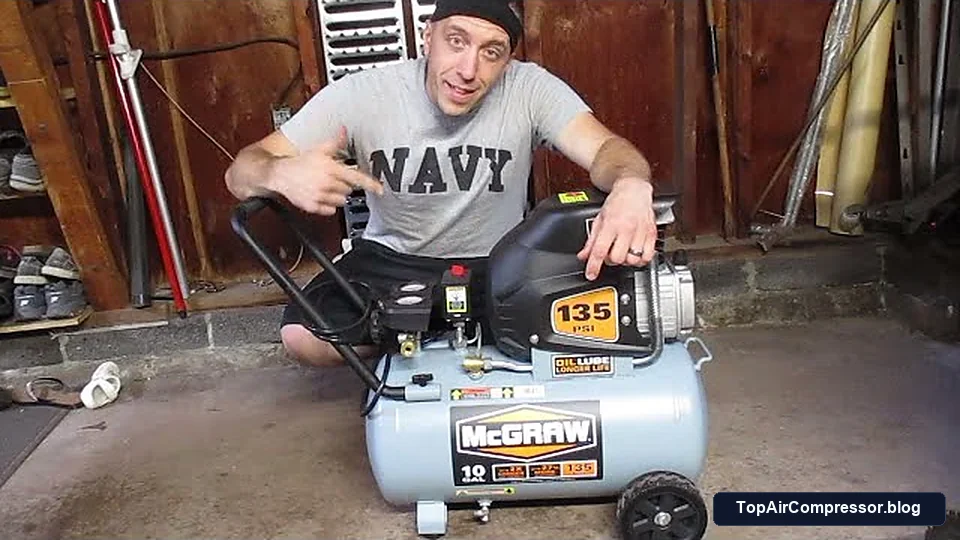
When upgrading your setup, consult our best air compressor for home shop guide to match sizing specs. Accurate sizing begins with listing tools and their cubic feet per minute requirements.
Summing the requirements of all tools running at the exact same time gives you your baseline air consumption rate. Ignoring this combined metric often leads to purchasing an undersized unit that constantly starves your equipment of air.
Professional shops rarely operate every single tool at once, but anticipating peak usage prevents major workflow bottlenecks. Always review the rating plate on high-demand items like sanders and grinders rather than relying on generalized averages.
Modern reciprocating compressors list both displacement CFM and actual delivery CFM ratings clearly. Focus exclusively on the actual delivered volume to ensure your shop maintains adequate pneumatic pressure during heavy multi-tool workloads.
- List all pneumatic tools intended for daily workshop use.
- Identify individual CFM ratings specified at ninety pounds per square inch.
- Sum the requirements of tools operating concurrently during peak workflows.
- Apply a twenty-five percent safety margin to account for system inefficiencies.
Accounting for Duty Cycle Limitations
Duty cycle dictates the percentage of time a compressor motor can run safely within a given ten-minute interval. Exceeding thermal limits causes premature motor failure and trips internal circuit protection switches.
Industrial workshops demand continuous-duty equipment rated for uninterrupted operation throughout extended fabrication shifts. Selecting an appropriate duty cycle rating protects your capital investment from thermal overload and costly repairs.
- Calculate expected daily run times before purchasing any unit.
- Choose fifty percent duty cycles for standard automotive service garages.
- Upgrade to hundred percent continuous-duty ratings for heavy production facilities.
Calculating Pressure Ratings and Working PSI Ranges
Operating pressure requirements vary significantly across different pneumatic equipment categories found in modern mechanical workshops. Most standard hand tools operate efficiently at ninety pounds per square inch, while specialized applications demand higher pressures.
Compressor pumps generate maximum pressure ratings that far exceed standard tool requirements to store energy effectively. Pressure switches automatically cut power when the tank reaches peak capacity and restart when pressure drops.
Adjustable pressure regulators installed at the tank outlet allow technicians to dial in precise operating levels for sensitive tools. Failing to regulate line pressure can damage internal components and accelerate wear on standard pneumatic ratchets.
Understanding the differential between tank pressure and working pressure prevents frustrating workflow interruptions during heavy fabrication projects. Always verify that your compressor can maintain required delivery pressure while tanks deplete.
- Identify the maximum operating pressure required by your most demanding tool.
- Set tank storage pressure higher than your required tool operating pressure.
- Install reliable pressure regulators to protect sensitive pneumatic equipment from surges.
- Monitor tank gauge readings regularly during high-volume cutting or grinding tasks.
Video Walkthrough: How to Choose an Air Compressor
Tank Capacity Sizing for Intermittent Versus Continuous Duty
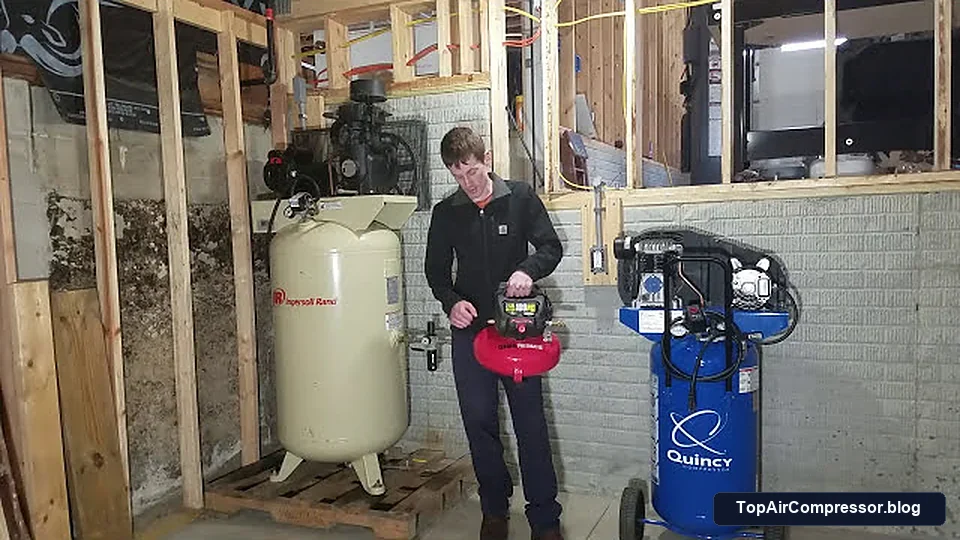
Receiver tank volume acts as an essential energy buffer that prevents your compressor motor from cycling continuously. Small tanks deplete rapidly under heavy loads, causing excessive motor wear and unstable delivery pressure across lines.
Shops utilizing intermittent tools require moderate tank capacities. Use our cfm and tank sizing calculator to match reservoirs properly, ensuring continuous tools drop moisture content and maintain steady pressure.
Vertical tank configurations save valuable floor space in cramped workshops while maintaining large internal storage capacities. Ensure your chosen tank location allows adequate clearance for routine maintenance inspections and daily moisture draining.
Rust prevention inside the receiver tank remains critical for long-term safety and reliable pneumatic tool operation. Routine daily drainage prevents moisture accumulation that compromises structural steel integrity over extended service lifetimes.
- Match receiver tank size to your specific daily operational volume.
- Select thirty-gallon tanks for light maintenance and hobbyist workshops.
- Install sixty to eighty-gallon reservoirs for active commercial service facilities.
- Perform daily manual tank draining to remove accumulated condensation safely.
Electrical Infrastructure and Voltage Requirements for Shops
Electrical supply limitations frequently dictate the maximum horsepower and compressor size you can install safely. Standard household circuits cannot support large industrial motors without risking severe voltage drops and tripped breakers.
Compressors exceeding two horsepower typically require dedicated two hundred thirty volt single-phase electrical supply lines installed by certified electricians. Heavy commercial environments often upgrade to three-phase power for smoother motor operation.
Undersized extension cords restrict electrical current flow and cause severe motor overheating during startup cycles. Always wire your compressor directly to a dedicated wall breaker using proper wire gauges specified by manufacturers.
Before upgrading power feeds, review our best air compressor for mechanic shop picks for heavy-duty requirements. Proper electrical planning ensures safe, reliable compressor operation throughout demanding production schedules.
- Evaluate existing breaker panel capacity before selecting a compressor unit.
- Install dedicated high-voltage circuits for motors rated above two horsepower.
- Never use standard extension cords to power heavy workshop air compressors.
- Consult licensed electricians to verify proper wire gauge and breaker sizing.
Optimizing Air Delivery Piping and Minimizing Pressure Drops
Friction losses inside distribution piping reduce effective tool pressure and waste valuable compressor energy over distance. Smooth interior pipe materials minimize turbulence and maintain consistent airflow throughout your entire workshop layout.
Undersized distribution lines restrict air velocity and starve high-demand tools located far from the receiver tank. Upgrading mainline pipe diameters prevents noticeable pressure drops during simultaneous multi-station tool operation.
Condensation forms naturally as compressed air cools inside distribution networks during standard daily operation. Installing sloped piping runs and vertical drop legs prevents moisture from entering valuable pneumatic tools.
Quality filter regulator lubricator units placed at drop stations remove remaining moisture and debris effectively. Proper filtration extends tool lifespans and protects internal mechanical components from premature abrasive wear.
- Avoid using restrictive hose diameters on long main distribution runs.
- Slope distribution piping slightly toward designated moisture drain points.
- Install water separators and particulate filters at every workstation drop.
- Insulate lines in unheated shops to prevent freezing condensation blockages.
Video Walkthrough: Choosing An Air Compressor: Which Size Is Right For You?
Identifying Common Sizing Mistakes and Troubleshooting Air Starvation
Choosing equipment based solely on peak horsepower ratings remains a common sizing mistake. When selecting units, review our best air compressor for woodworking shop picks to understand true delivered CFM output.
Air starvation occurs when total tool consumption exceeds the compressor pump delivery volume during active shifts. Technicians experience sluggish tool speeds, weak impact torque, and frustrating operational delays during peak hours.
Rapid motor cycling indicates an undersized receiver tank or excessive air demand exceeding pump capacity. Addressing these root issues prevents thermal overload faults and extends the service life of major components.
System leaks in hoses and fittings waste significant energy and force compressors to run continuously. Routine acoustic leak detection surveys save electricity and reduce unnecessary wear on your primary compression pump.
- Ignore misleading peak horsepower ratings listed on marketing materials.
- Calculate actual CFM delivery requirements rather than relying on guesswork.
- Inspect all quick-disconnect fittings and air lines for hidden pressure leaks.
- Monitor motor run times to detect early signs of system air starvation.
Essential Maintenance Protocols and Safety Compliance Standards
Routine maintenance schedules protect your pneumatic equipment investment and ensure a safe workshop environment for technicians. Regular oil level checks and synthetic fluid changes prevent catastrophic pump failure under heavy loads.
Inlet air filters trap airborne dust and debris that can score cylinder walls and ruin compressor valves. Inspecting and cleaning these filter elements weekly maintains peak volumetric efficiency and reduces energy waste.
Safety pressure relief valves must be tested manually on a monthly basis to verify proper mechanical operation. Never tamper with factory pressure settings or bypass internal safety mechanisms under any operational circumstances.
Securing receiver tanks to solid concrete flooring eliminates hazardous vibration and prevents structural fatigue in lines. Adhering to established safety standards keeps your facility compliant and protects personnel from sudden failures.
- Check compressor pump oil levels daily before initiating workshop tasks.
- Replace dirty intake air filters according to manufacturer service guidelines.
- Test mechanical pressure relief valves monthly to ensure proper release.
- Anchor heavy vertical storage tanks securely to solid workshop flooring.
Frequently Asked Questions
How do I calculate the exact CFM required for my shop?
List every pneumatic tool you plan to run simultaneously and sum their CFM ratings at ninety PSI. Multiply that final combined total by a safety factor of 1.25 to guarantee adequate airflow.
Can I run a shop air compressor on a standard 120V outlet?
Standard 120V household outlets only support small compressors rated up to two horsepower safely. Larger commercial shop units require dedicated 230V circuits to prevent voltage drops and tripped breakers.
Why does my compressor motor run constantly while I work?
Continuous running usually indicates an undersized compressor pump or severe air leaks in the distribution system. Check all hoses and verify your tool air demand does not exceed pump capacity.
What size receiver tank is best for an active automotive repair shop?
Active automotive shops typically require a minimum sixty to eighty gallon ASME receiver tank. This volume buffers peak air demands from impact wrenches and prevents excessive motor cycling.
How often should I drain moisture from my air compressor tank?
You should drain accumulated condensation from your receiver tank at the end of each workday. Daily draining prevents interior tank corrosion and keeps moisture out of your air tools.