What Size Compressor Do I Need for Spraying?
Calculating correct air volume prevents catastrophic finish flaws. Selecting proper equipment ensures consistent paint atomization across all your detailed professional workshop projects.

Match your compressor output safely to 1.5 times the spray gun requirement. Always verify exact CFM at forty PSI before making any purchasing decisions.
Looking for matching picks? See our Best Air Compressor For Spraying: Top Picks (2026 Guide).
Practical Quick-Reference Table
| Scenario / Metric | Recommended Target | Why It Matters |
|---|---|---|
| Automotive Painting | 12-16 CFM at 40 PSI | Prevents starved spray patterns |
| Furniture Finish | 8-12 CFM at 40 PSI | Ensures smooth lacquer application |
| Receiver Tank | 60 Gallon Minimum | Reduces rapid motor cycling |
| Air Hose Size | 3/8-inch Diameter | Minimizes friction pressure loss |
| Moisture Control | Desiccant Dryer | Stops water cratering in paint |
| Duty Cycle | 50% to 100% | Protects pump from thermal overload |
Fundamentals of Spraying Air Volume and Pressure
Spraying paint requires a steady flow of compressed air. Fluctuating pressure ruins delicate automotive or furniture finishes instantly, creating visible orange peel textures.
Understanding cubic feet per minute ratings is essential. High-volume low-pressure systems demand different specifications compared to traditional high-pressure conventional setups.
Manufacturers list air consumption at specific operating pressures. You must evaluate these technical metrics carefully against your specific project operational goals.
Ignoring compressor duty cycles leads to premature pump failure. Selecting the best air compressor for spraying ensures your system handles continuous industrial painting without motor burnout.
Spraying equipment relies on a precise balance of volume and pressure to atomize coatings evenly. Operating below the required PSI rating results in orange peel, runs, and inconsistent film thickness.
Air volume, measured in cubic feet per minute, dictates how long your compressor sustains continuous spraying. Reviewing the best compressor for hvlp spraying clarifies exact CFM requirements needed at lower pressures.
Conventional high-pressure guns use less air volume but require much higher operating pressures. Managing this dynamic requires understanding your compressor's pump displacement versus actual free air delivery to avoid pressure drops during large jobs.
Always calculate your required air delivery by adding a safety margin to the gun manufacturer specifications. Adding a 20 percent buffer accounts for line losses, worn nozzles, and altitude variations in your workspace.
- Always calculate 1.5x CFM safety margins.
- Match PSI ratings to gun specifications.
- Account for altitude air density losses.
- Verify tank recovery rates under load.
- Always verify CFM ratings at the specific operating pressure recommended by your spray gun manufacturer.
- Account for altitude-induced CFM degradation when operating compressors above standard sea-level elevations.
Evaluating Gun Types and Air Delivery
Conventional siphon-feed spray guns consume massive volumes of compressed air. They require large twin-cylinder pumps to maintain steady atomization pressure.
High-volume low-pressure models transfer coating materials efficiently while lowering operating pressure. However, they still demand substantial cubic foot delivery rates.
- Check transfer efficiency percentages.
- Measure dynamic pressure at the trigger.
Understanding Volumetric Efficiency
Volumetric efficiency dictates how well a compressor pump converts physical displacement into usable airflow. Quality pumps typically achieve 70 to 80 percent efficiency under ideal operating temperatures.
Consistently ignoring manufacturer efficiency ratings often results in purchasing an undersized unit that struggles to keep pace with continuous industrial production finishing schedules.
- Check pump RPM ratings before purchasing belt-drive units.
- Ensure adequate ambient cooling airflow around compressor pump heads.
Calculating CFM Demands for Different Spray Guns
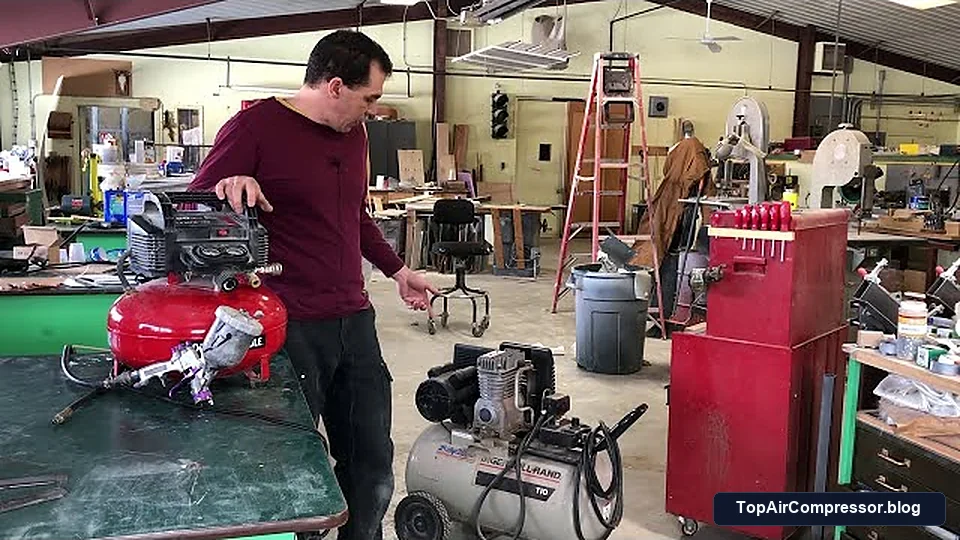
Every spray gun features a manufacturer-specified CFM requirement. This critical metric changes depending on fluid tip size and coating viscosity.
Automotive finish guns often need twelve to sixteen cubic feet per minute. Smaller touch-up tools operate comfortably on much lower air volumes.
Multiplying your tool requirement by standard safety factors ensures uninterrupted workflow. Never purchase a unit meeting exact minimum operational thresholds.
Ambient temperature and humidity also impact overall compressor efficiency. Build extra capacity into your workshop system to handle environmental variations.
Different paint application tools have vastly different pneumatic requirements that dictate proper equipment sizing. Using our cfm tool sizing calculator helps you match specific air consumption metrics accurately.
Full-scale production automotive painting requires heavy-duty full-size HVLP spray guns. These professional tools demand between 12 and 18 CFM to maintain proper atomization across large vehicle body panels without stuttering.
Architectural painting using airless or conventional siphon-feed setups introduces different calculations. Siphon-feed units often need higher pressure thresholds, pulling around 6 to 10 CFM at roughly 50 PSI to draw thick latex.
Energy-efficient Compliant or LVMP spray guns bridge the gap between old technology and HVLP standards. Operating these hybrid nozzles typically consumes a manageable 8 to 11 CFM while transferring material efficiently.
- Note tip orifice dimensions accurately.
- Factor in hose friction losses.
- Test tools at working pressure.
- Avoid single-stage units for large walls.
- Test actual air consumption with an inline flow meter whenever possible.
- Account for trigger-pull surges by sizing slightly above minimum gun requirements.
Fluid Viscosity Impact
Matching your air transformer delivery capacity directly to the specific spray gun ensures consistent finish quality. Never run high-demand turbine guns from inadequate standard workshop pneumatic plumbing systems.
You must always verify exact coating fluid viscosities before selecting pneumatic equipment to prevent experiencing excessive pressure drops during long continuous application runs.
- Measure material viscosity using a standard Zahn cup.
- Thin high-viscosity coatings according to technical data sheets.
Video Walkthrough: How to Size a Compressor for Paint Spraying
Tank Capacity and Duty Cycle Requirements
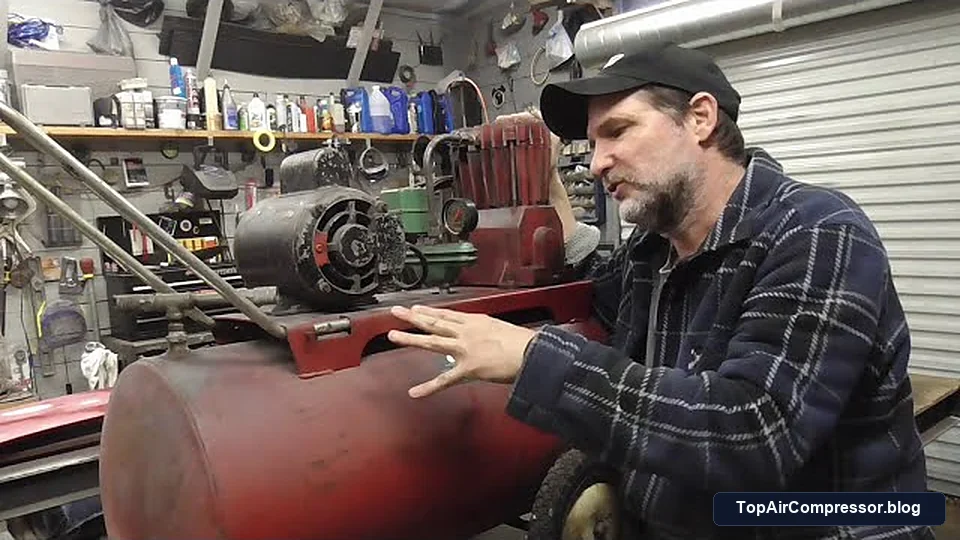
Large air receiver tanks store reserve volume for peak painting demands. Small tanks cause rapid motor cycling during extended spraying sessions.
A sixty-gallon vertical tank serves as the benchmark for serious painting. Portable pancake units cannot sustain continuous finish spraying applications.
Duty cycle ratings indicate how long motors run safely. Exceeding these thermal limits overheats copper windings and degrades pump components rapidly.
Look for heavy cast iron pumps featuring oil lubrication. They run cooler and last significantly longer than oil-less direct-drive alternatives.
Tank size directly influences how frequently your compressor motor cycles on and off during projects. Consulting our best size air compressor guide helps you choose adequate air reserves for uninterrupted workflow.
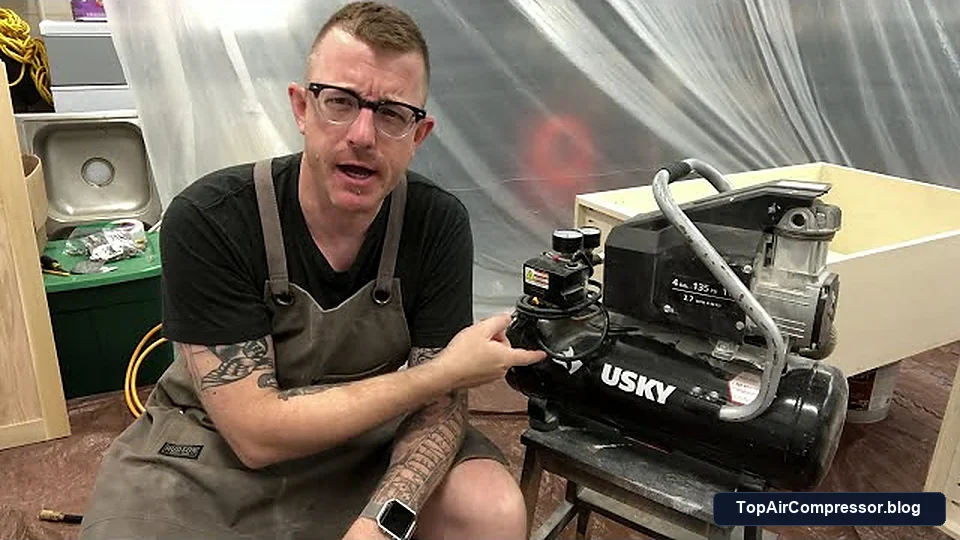
Small portable tanks under twenty gallons are entirely unsuitable for continuous professional spraying applications. They empty within seconds, forcing the pump to run constantly and introducing excessive heat and damaging moisture into hoses.
Duty cycle ratings indicate the percentage of time a compressor can operate safely within a ten-minute window. Selecting a 100 percent duty cycle industrial unit prevents thermal overload during extended cabinet finishing tasks.
Two-stage cast iron pumps dissipate operational heat far more effectively than single-stage aluminum alternatives. Pairing a heavy pump with an 80-gallon vertical receiver guarantees reliable performance for busy commercial body shops.
- Prioritize cast iron cylinders.
- Respect 50% duty cycle limits.
- Drain condensation tanks daily.
- Bolt units to stable flooring.
- Never exceed the manufacturer duty cycle rating to prevent motor burnout.
- Install larger tanks to extend pump lifespan during extended spraying sessions.
Receiver Configuration Choices
Large vertical air receivers save valuable workshop floor space while naturally allowing gravity to pool internal condensation safely away from upper outlet ports.
Heavy horizontal storage tanks must always require proper mounting anchoring hardware to prevent dangerous vibration damage across busy commercial automotive workshop concrete flooring foundations.
- Bolt floor mounts securely using heavy-duty expansion anchors.
- Leave adequate clearance space around the entire tank assembly.
Air Delivery Setup, Hoses, and Regulators
Restricted air lines drop operating pressure at the gun inlet. Use three-eighths inch or larger rubber hoses for spraying tasks.
Long hose runs create significant friction pressure drops. Compensate by using larger hose diameters or positioning compressors closer to work zones.
Install high-flow regulators near the tool connection point. Precise pressure control prevents orange peel and dry spray finish defects.
Quick-disconnect fittings must feature high-flow internal valves. Standard automotive couplers restrict vital air volume during high-draw spraying applications.
Restrictive air delivery components can choke even the most powerful industrial compressor system. Using standard 3/8-inch hoses rather than restrictive quarter-inch lines ensures your spray gun receives adequate volume without friction losses.
High-flow fittings and quick-disconnect couplers prevent unexpected pressure drops right at the tool inlet. Installing high-flow connectors eliminates the micro-restrictions commonly found in traditional automotive style air fittings and plugs.
Air pressure regulators must be positioned close to the spray gun to deliver precise control. A dedicated diaphragm regulator with an integrated gauge lets you adjust atomization pressures accurately while working away from the tank.
Whip hoses made from lightweight flexible materials reduce wrist fatigue during intricate automotive spraying tasks. Connecting a six-foot whip line isolates your heavier main air hose from direct tool manipulation and movement.
- Choose high-flow fittings.
- Keep hoses free of kinks.
- Mount regulators at eye level.
- Inspect lines for internal oil.
- Inspect quick-disconnect fittings daily for internal wear or debris.
- Keep total hose run lengths under fifty feet to minimize pressure drop.
Distribution Piping Layouts
Carefully plumbing your busy workshop with rigid metal tubing minimizes pressure loss over long distribution runs compared to standard flexible rubber hoses.
You should always safely install industrial manual shutoff valves at strategic intervals to easily isolate specific pneumatic workstation drops during routine maintenance procedures.
- Pitch horizontal hard pipe runs downward toward drain points.
- Use corrosion-resistant materials for all compressed air piping.
Moisture Control and Filtration Best Practices
Compressed air naturally gathers moisture as it cools down. Water droplets ruin fresh paint films and cause immediate surface cratering.
Install commercial desiccant dryers and water separators downstream. Position filters away from the hot pump to allow proper air cooling.
Oil contamination is another major enemy of fine finishes. Use coalescing filters to remove microscopic lubricant aerosols from the airstream completely.
Check manual drain valves before every major painting project. Accumulated water degrades tank integrity and compromises downstream air quality standards.
Compressed air naturally accumulates liquid water and oil aerosols that ruin professional paint finishes instantly. Incorporating a desiccant dryer system downstream from your compressor removes microscopic water vapor before air reaches the gun.
Stage your filtration setup properly by placing particulate filters and water traps near the tank drop. Follow those with a coalescing filter to catch oil droplets before the final chemical desiccant drying stage.
Copper or black iron hard piping installed with slight downward slopes helps condense ambient moisture safely. Adding automatic drain valves at low points prevents pooling water from entering your primary airline distribution network.
Monitor your filter elements regularly and replace saturated filter media according to manufacturer operating guidelines. Neglecting filter maintenance leads to fisheye paint defects that ruin hours of meticulous surface preparation work.
- Use desiccant air filters.
- Inspect coalescing elements monthly.
- Drain receiver tanks completely.
- Prevent oil blowby issues.
- Check color-changing desiccant beads frequently to determine replacement timing.
- Drain manual water traps before starting every major painting project.
Advanced Drying Technology
Refrigerated air dryers provide excellent bulk moisture removal for general workshop tools but lack the deep drying capacity required for fine painting.
You must always inspect automatic drain float assemblies monthly to ensure they are not stuck open or plugged with compressor oil residue.
- Verify dryer pressure dew point ratings before purchase.
- Install bypass loops around dryer units for servicing ease.
Video Walkthrough: 7 Must-Have Air Compressors for Spray Painting
Routine Maintenance and Operating Safety
Regular maintenance extends equipment lifespan and ensures safety. Change pump oil annually or per manufacturer operating hour guidelines reliably.
Inspect intake air filters weekly for dust buildup. Restricted intake elements reduce compressor efficiency and increase running operating temperatures.
Test safety pressure relief valves periodically by hand. Never bypass or modify factory pressure switch settings under any operating circumstances.
Wear appropriate respiratory protection during all spray operations. Enclosed spaces require dedicated ventilation and certified organic vapor filtration masks.
Consistent maintenance schedules protect your pneumatic investment and ensure safe working conditions in the shop. Draining the air receiver tank daily eliminates accumulated moisture and prevents internal rust corrosion failures.
Check intake air filters weekly to prevent dust from entering the compressor pump cylinder walls. Clogged filters starve the compressor of air, reducing overall efficiency and causing premature pump wear.
Inspect electrical connections and pressure switches periodically to avoid unexpected shutdowns during critical spraying sessions. Never bypass the pressure relief valve because it remains your ultimate defense against catastrophic tank explosions.
Always wear appropriate personal protective equipment including organic vapor respirators when applying solvent-based coatings. Proper ventilation combined with a grounded air system prevents static electricity buildup and potential fire hazards.
- Test safety valves yearly.
- Clean intake filter elements.
- Monitor oil sight glasses.
- Wear respirator protection.
- Change compressor oil every three months under heavy commercial use.
- Test the safety pressure valve manually during scheduled weekly maintenance.
Safety and Belt Inspection
You should routinely check compressor motor belt tension to prevent belt slipping and uneven pulley wear during heavy-duty commercial automotive painting operations.
You must always verify that compressor equipment safety warning labels remain clearly legible so that operators can quickly recognize high-pressure hazards instantly.
- Keep belt guards securely fastened during active motor operation.
- Turn off main electrical disconnects before servicing internal components.
Frequently Asked Questions
Can a pancake compressor handle painting?
Small portable pancake compressors are strictly limited to minor touch-up tasks, detailed airbrushing, or very small craft projects because they completely lack the sustained air delivery capacity required for continuous operation.
Attempting to use these small units for large vehicle panels or kitchen cabinets will result in severe pressure drops and completely ruined paint finishes.
What CFM is needed for HVLP guns?
Most standard High-Volume Low-Pressure spray guns require anywhere from ten to fourteen CFM at a regulated dynamic working pressure of ten pounds per square inch at the air cap.
Always verify your specific professional gun manufacturer technical specifications and fluid tip requirements before selecting a matching compressor pump unit for your workshop.
Why does water appear in my paint?
Compressed air naturally creates severe internal condensation as high-humidity ambient air is aggressively pressurized and subsequently cools down inside the metal storage tank.
Installing commercial-grade water separators, heavy coalescing oil filters, and multi-stage desiccant filtration drops is absolutely essential to completely eliminate these costly paint surface finishing flaws on your workshop projects permanently.
What tank size is best for painting?
A sixty-gallon vertical storage tank serves as the recognized industry gold standard for general automotive and large furniture painting because it effectively prevents the heavy electric motor from running constantly during jobs.
Smaller horizontal or portable tanks force the pump to cycle rapidly, creating pulsing air delivery and damaging operating temperature spikes across your entire workflow.
How do I prevent pressure drops?
Prevent significant pressure drops during detailed spraying by upgrading your entire workshop air delivery system to three-eighths inch rubber hoses and removing restrictive standard automotive quick-disconnect fittings.
Positioning your heavy compressor close to the active work area and installing industrial high-flow regulators also maintains steady atomization pressure consistently throughout long sessions.