What Type of Oil Do Air Compressors Use?
Discover the exact oil types, viscosities, and maintenance practices required to keep your pneumatic compressor running efficiently.


Always use dedicated non-detergent compressor oil matching your unit's ISO viscosity grade to prevent catastrophic carbon buildup and mechanical wear.
Looking for matching picks? See our Best Oil Less Air Compressor: Top Picks & Buying Guide.
Practical Quick-Reference Table
| Scenario / Metric | Recommended Target | Why It Matters |
|---|---|---|
| Standard Piston Unit | ISO 68 Mineral Oil | Provides optimal sealing and wear protection for reciprocating strokes. |
| Cold Winter Climate | ISO 32 Synthetic Oil | Ensures low-temperature flow and reduces startup strain on electric motors. |
| Heavy Rotary Screw | ISO 46 Synthetic Fluid | Resists thermal breakdown under continuous high-duty industrial cycles. |
| Automotive Shop | Non-Detergent Formula | Prevents harmful valve deposits caused by multi-grade automotive additives. |
| Standard Oil Change | Every 500 Operating Hours | Removes accumulated moisture, metal particulates, and thermal breakdown byproducts. |
| Oil-Free Units | Zero Lubrication Sump | Relies on sealed self-lubricating bearings requiring no external fluid. |
Fundamentals of Pneumatic Compressor Lubrication Mechanics
Air compressors rely on specialized internal fluids to seal internal clearances, cool moving components, and reduce friction under extreme operating pressures. Without proper lubrication, friction generates rapid heat that destroys pumps.
When selecting units for residential workshops, check out our best air compressor for home use guide to find models featuring reliable oil lubrication systems that protect internal metal components.
Reciprocating piston pumps use a splash lubrication system driven by a dipper on the connecting rod. This mechanism flings oil droplets upward to coat cylinder walls, wrist pins, and crankshaft bearings evenly.
Rotary screw systems utilize pressurized fluid injection to seal the tight clearances between meshing rotors. This fluid absorbs enormous compression heat before circulating through an external air-cooled oil cooler.
- Compressor oil seals microscopic gaps between pistons and cylinder walls.
- Fluid injection absorbs up to eighty percent of total compression heat.
- Splash lubrication requires maintaining precise fluid levels in the crankcase.
- Oil-free units use sealed bearings and require zero crankcase maintenance.
Differentiating Oil-Injected and Oil-Free Air Compressors
Oil-injected equipment dominates industrial manufacturing environments where heavy duty cycles demand continuous cooling and robust internal component sealing capabilities. These units require frequent monitoring.
Oil-free compressors feature Teflon-coated rings and permanently sealed bearings that isolate the compression chamber completely. This design guarantees hydrocarbon-free compressed air for sensitive medical or painting applications.
- Oil-injected pumps require periodic fluid replenishment and coalescing filter changes.
- Oil-free pumps wear out faster due to lack of internal fluid cooling.
Mineral Versus Synthetic Formulations for Industrial Duty
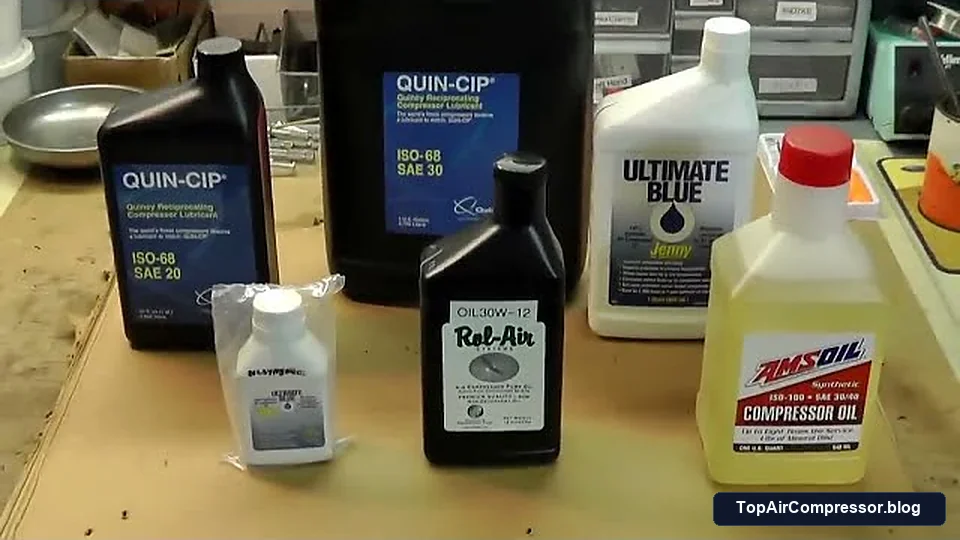
Choosing between mineral-based and synthetic compressor fluids directly impacts your equipment lifespan and operating expenses. Mineral oils derive from refined petroleum crude, offering reliable performance for standard workshop tasks.
Synthetic lubricants undergo advanced chemical processing to create uniform molecular structures that resist thermal degradation far better. These oils handle elevated operating temperatures without forming sticky varnish deposits.
Mineral oils typically require replacement every five hundred operating hours due to rapid oxidation under heat. High-grade synthetic formulations often extend service intervals up to eight thousand operating hours safely.
Synthetic options also feature significantly higher flash points, greatly reducing internal fire risks in severe-duty industrial screw compressors operating near maximum pressure thresholds continuously throughout the shift.
- Mineral oils offer cost-effective lubrication for intermittent garage compressors.
- Synthetics resist thermal breakdown and reduce carbon varnish accumulation.
- Synthetic fluids extend service intervals by up to sixteen times.
- Higher flash points in synthetics improve operational safety profiles.
Evaluating Operating Cost and Fluid Longevity
While synthetic lubricants carry a higher initial purchase price, their extended service life reduces total maintenance overhead. Facilities save money by minimizing downtime associated with frequent oil changes.
Mineral oils remain entirely adequate for weekend DIY users who run their portable reciprocating units infrequently and expose them to mild, temperature-controlled indoor shop environments consistently.
- Calculate total operating hours before selecting your fluid formulation.
- Weigh initial fluid costs against planned machinery duty cycles.
Video Walkthrough: What’s the Difference between Motor and Compressor Oil?
Viscosity Grades and Ambient Temperature Selection
Viscosity defines a fluid's internal resistance to flow at specific operating temperatures. Using an incorrect ISO viscosity grade leads to oil starvation or excessive mechanical drag during startup phases.
Most standard reciprocating air compressors require ISO 68 weight oil at normal temperatures. When browsing smaller workshop units like those in our best air compressors under 100 round-up, verify viscosity requirements carefully.
Cold ambient temperatures require thinner fluids, such as ISO 32 or ISO 46, to prevent motor overload during cold weather starts. Thick oil can immobilize pump components instantly.
Conversely, extremely hot industrial environments demand heavier multi-viscosity or synthetic ISO 100 oils to prevent the fluid from thinning out completely and losing its crucial boundary lubrication film.
- ISO 68 represents the standard choice for most workshop piston pumps.
- ISO 32 or ISO 46 prevents cold-weather motor stalls in unheated sheds.
- Hot industrial plants require heavier oils to maintain film strength.
- Always check the manufacturer manual for specific ambient temperature charts.
Matching Viscosity to Seasonal Climate Shifts
Seasonal temperature swings demand careful consideration of your compressor shed's internal climate control. Uninsulated outbuildings experience extreme winter lows and summer highs requiring seasonal fluid changes.
Failing to adjust oil viscosity for winter conditions can trip thermal overload breakers on electric motors trying to turn pumps submerged in cold, viscous fluid.
- Drain and replace heavy summer oil before winter freezing sets in.
- Ensure smooth startup torque by verifying proper cold-flow ratings.
Crucial Distinctions Between Motor Oil and Compressor Fluids
Automotive motor oils contain complex detergent and dispersant additives designed for car engines. For heavy-duty applications, consult our best air compressor for continuous use recommendations before choosing alternative lubricants.
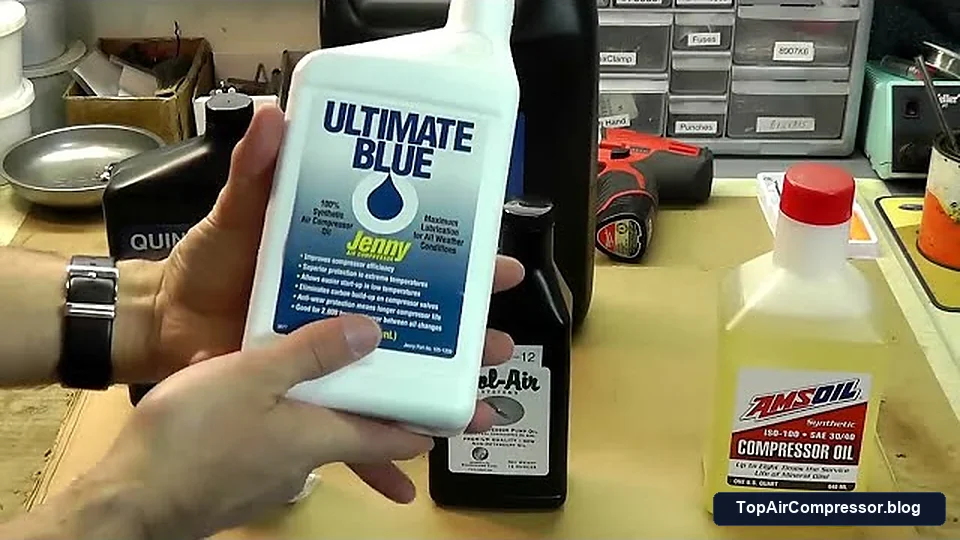
When automotive motor oil is heated under constant compressor pressure, its detergent packages break down and form hard carbon deposits on valve reeds. This leads to catastrophic valve failure.
Dedicated air compressor oils are engineered without detergents so moisture can quickly separate and drop to the bottom of the crankcase rather than forming harmful stable emulsions.
Using automotive engine oil also voids nearly every manufacturer warranty associated with commercial and industrial pneumatic equipment, leaving operators fully financially responsible for expensive pump replacements.
- Automotive oils contain detergents that bake into carbon on valves.
- Compressor oils allow rapid moisture separation to prevent emulsification.
- Using motor oil typically voids standard manufacturer equipment warranties.
- Non-detergent formulas ensure clean reed valves and safe operation.
The Dangers of Carbon Buildup on Valve Reeds
Carbon deposits act as thermal insulators on internal discharge valves, trapping excessive heat. This localized overheating warps steel reed valves and drastically reduces volumetric compressor output efficiency.
Preventing carbon formation requires sticking strictly to ashless, non-detergent synthetic or mineral compressor oils formulated to withstand continuous high-temperature compression cycles without coking.
- Warped reed valves cause low tank pressure and slow recovery.
- Ashless formulas prevent harmful coking on high-temperature discharge ports.
Establishing Correct Fluid Maintenance and Change Intervals
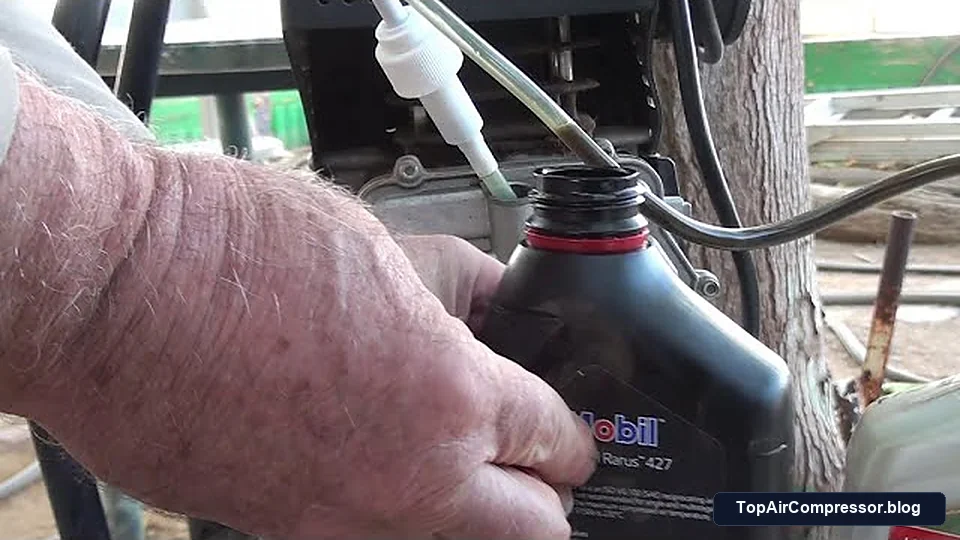
Routine fluid maintenance ensures maximum compressor efficiency and prevents premature wear on critical journals and bearings. Always inspect the sight glass before every single operating shift to verify levels.
If your unit lacks a sight glass, use the dipstick to confirm the oil sits precisely at the full indicator mark. Running low on oil causes rapid scoring of cylinders.
Perform initial oil changes after the first fifty hours of operation on brand-new reciprocating pumps to flush out microscopic break-in metal shavings from manufacturing processes completely.
Subsequent oil changes should occur every five hundred hours for mineral oils or up to two thousand hours for synthetics, depending on the severity of your daily workshop dust load.
- Inspect the oil sight glass or dipstick before every work shift.
- Change break-in oil after the first fifty operating hours.
- Replace mineral oil every five hundred hours of active run time.
- Keep detailed maintenance logs to track fluid degradation and service.
Step-by-Step Procedure for Draining and Refilling Sump Oil
Run your compressor for ten minutes to warm the oil, making it less viscous and easier to drain completely along with suspended contaminants. Turn off and unplug the unit.
Remove the drain plug, capture old fluid in an approved container, reinstall the plug securely, and slowly pour fresh compressor oil into the fill port until reaching the target line.
- Always warm the oil before draining to remove suspended particles.
- Dispose of used compressor lubricant according to local environmental regulations.
Video Walkthrough: Air Compressor Lubricating Oil Guide - What Type Of Oil To Use
Specialized Lubrication for Rotary Screw Versus Reciprocating Units
Reciprocating piston compressors and rotary screw compressors place vastly different demands on their lubrication systems. Piston pumps experience intermittent strokes with high peak temperatures on discharge valves.
Rotary screw compressors operate continuously, exposing their circulating fluid to severe oxidation and high shear forces between closely toleranced helical rotors spinning at thousands of revolutions per minute.
Rotary screw lubricants require robust anti-foam agents to prevent air entrapment in the fluid reservoir, which would otherwise starve downstream injection points of proper hydraulic cooling capacity.
Reciprocating oils prioritize demulsibility so condensed atmospheric moisture separates instantly from the oil pool at the bottom of the crankcase rather than churning into a destructive milky sludge.
- Rotary fluids need advanced anti-foam additives for high-speed operation.
- Reciprocating oils require high demulsibility to shed condensed water.
- Screw compressors subject oil to continuous high-shear mixing.
- Piston pumps rely on splash lubrication and high film strength.
Managing Moisture and Demulsibility in Damp Environments
Humid workshops cause significant atmospheric moisture to condense inside cold compressor crankcases during shutdown periods. Good compressor oil must shed this water effectively during idle times.
Drained condensate water should be bled regularly while monitoring air usage with our cfm tool sizing calculator to prevent milky oil mixtures from destroying precision crankshaft bearings.
- Drain tank moisture daily to reduce humidity entering the crankcase.
- Replace oil immediately if it appears milky or contaminated with water.
Troubleshooting Contaminated Sump Systems and Environmental Disposal
Identifying contaminated oil early prevents costly mechanical failures and extends overall equipment longevity. Dark, thick fluid often indicates severe thermal overheating or prolonged exposure to heavy workshop dust.
If you notice a foul burning odor or gritty sediment inside the crankcase during an oil change, inspect your intake air filters immediately for tears or bypass leaks allowing dirt ingress.
Responsible environmental management requires collecting all used compressor oil in sealed containers and taking it to a local automotive recycling facility that accepts industrial lubricants.
Never pour waste compressor lubricant down floor drains or onto the ground, as petroleum hydrocarbons severely contaminate local groundwater supplies and violate federal environmental protection statutes.
- Inspect intake filters if you find gritty sediment in the crankcase.
- Take used oil to certified local recycling collection centers promptly.
- Never dump petroleum lubricants into municipal storm drains or soil.
- Address foul burning odors immediately to prevent catastrophic pump seizure.
Recognizing Signs of Severe Thermal Breakdown
Thermal breakdown turns clear compressor oil into a dark, varnish-like sludge that restricts internal oil passages and binds piston rings tightly inside their respective grooves.
Prevent thermal distress by ensuring adequate ventilation around your compressor enclosure and cleaning external cooling fins regularly to maintain optimal heat dissipation efficiency.
- Keep cooling fins clean of sawdust and metal debris.
- Ensure adequate room ventilation around compressor enclosures.
Frequently Asked Questions
Can I use standard motor oil in my air compressor?
Never use automotive motor oil because its detergent additives form carbon deposits on valves. Always use non-detergent compressor oil.
How often should I change my air compressor oil?
Change mineral oil every five hundred hours and synthetic oil up to two thousand hours. Always check your specific owner manual for exact schedules.
What happens if I overfill my compressor crankcase?
Overfilling causes excessive pressure, forcing oil past piston rings and into your air lines. Maintain the fluid level precisely at the sight glass center.
What ISO grade of oil do most standard piston compressors need?
Most standard workshop reciprocating air compressors require ISO 68 mineral oil for normal ambient operating temperatures. Adjust to ISO 32 for cold winters.
How do I know if my compressor oil is contaminated?
Contaminated oil appears milky due to water or dark and gritty from dirt. Drain and replace it immediately to prevent internal bearing destruction.