What Type of Oil for Air Compressor?
Choosing the correct compressor oil protects internal components from severe wear and thermal breakdown. This technical guide details exact viscosity selections and maintenance schedules for pneumatic machinery.

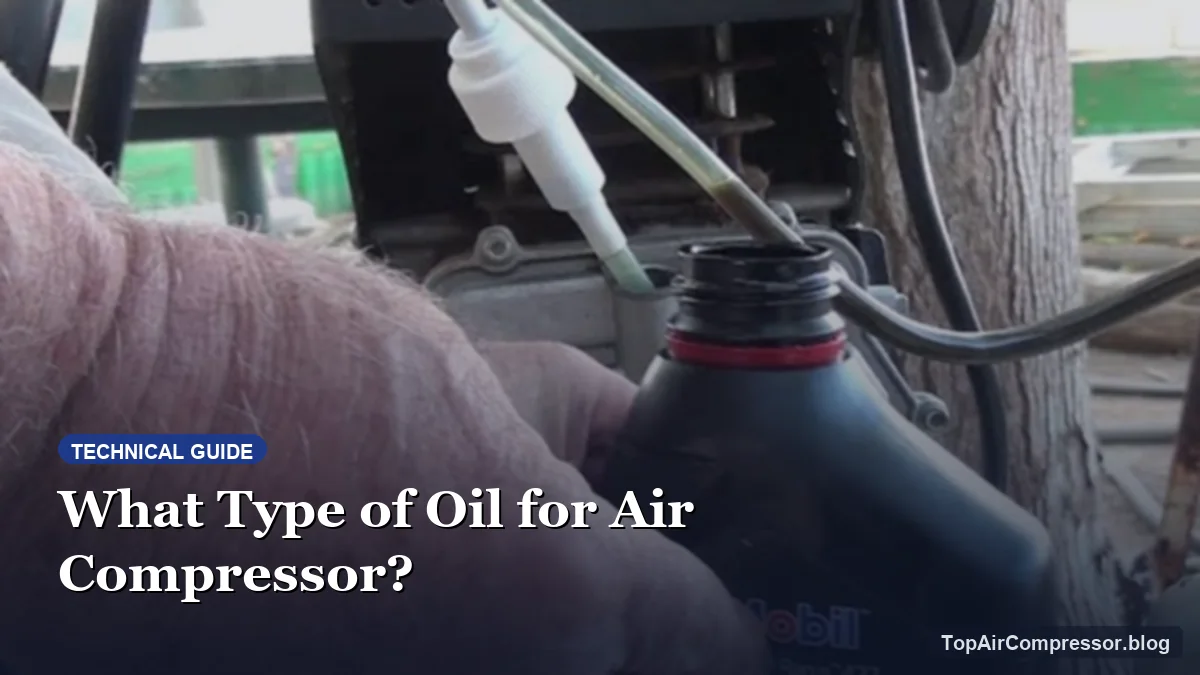
Always use non-detergent ISO 68 synthetic or mineral oil designed specifically for air compressors. Avoid standard automotive motor oils to prevent dangerous carbon buildup and catastrophic pump failure.
Looking for matching picks? See our Best Oil Less Air Compressor: Top Picks & Buying Guide.
Practical Quick-Reference Table
| Scenario / Metric | Recommended Target | Why It Matters |
|---|---|---|
| Ambient Temp 32F-80F | ISO 46 / SAE 20 | Ensures proper cold starts and flow. |
| Ambient Temp Above 80F | ISO 68 / SAE 30 | Prevents thinning under extreme operating heat. |
| Reciprocating Pumps | Non-Detergent Mineral Oil | Reduces valve carbonization and ring wear. |
| Rotary Screw Units | Synthetic ISO 46/68 | Extends service intervals and thermal stability. |
| Oil Change Interval | 500 to 1,000 Hours | Removes accumulated moisture and metal debris. |
| Flash Point Standard | Above 400 Degrees F | Guarantees safety against thermal ignition risks. |
Understanding Industrial Lubrication Fundamentals for Air Compressors
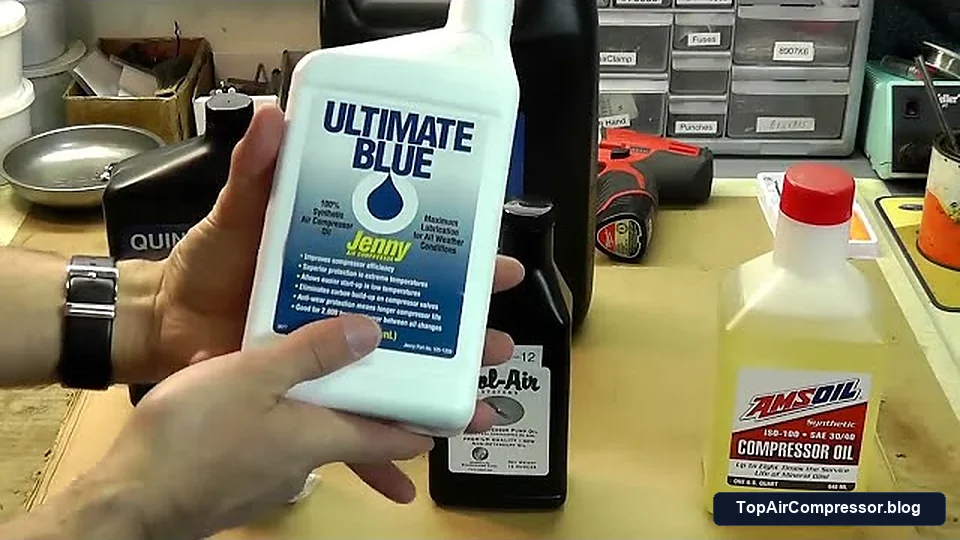
Air compressor lubricants perform vital cooling, sealing, and anti-wear functions inside high-pressure compression chambers. Selecting the appropriate fluid directly dictates overall mechanical efficiency and operational lifespan.
Unlike standard automotive engines, industrial compressors operate under continuous high thermal loads and moisture exposure. Specialized formulations resist foaming and prevent water emulsions from destroying internal metal surfaces.
Using automotive oil introduces detergents that create stubborn carbon deposits on valves. When choosing equipment, consult our best portable air compressor for tools guide to ensure you match proper lubrication standards.
Technical editors always recommend verifying manufacturer specifications before introducing any new fluid into your system. Matching the exact chemical formulation prevents catastrophic seal degradation and premature bearing failure.
- Cooling capacity transfers extreme frictional heat away from pistons.
- Seal integrity maintains compression pressure inside the cylinder walls.
- Anti-foam agents prevent air entrainment and oil starvation.
- Corrosion inhibitors protect steel receivers from moisture oxidation.
The Chemistry Behind Compressor Lubricants
Base oils form the primary foundation of every compressor lubricant, accounting for up to ninety percent of total volume. Additive packages are blended carefully to enhance thermal stability and oxidation resistance.
Synthetic base stocks undergo rigorous chemical engineering to eliminate impurities found naturally in crude petroleum. This advanced process results in superior molecular uniformity and enhanced performance across temperature extremes.
- Refining removes reactive sulfur and unstable aromatic compounds.
- Additive packages include zinc anti-wear and demulsifying agents.
Mineral Oils Versus Synthetic Formulations in Pneumatic Systems
Mineral oils derive straight from refined crude petroleum, offering reliable baseline lubrication for standard workshop compressors. They remain cost-effective choices for intermittent operations in temperature-controlled indoor environments.
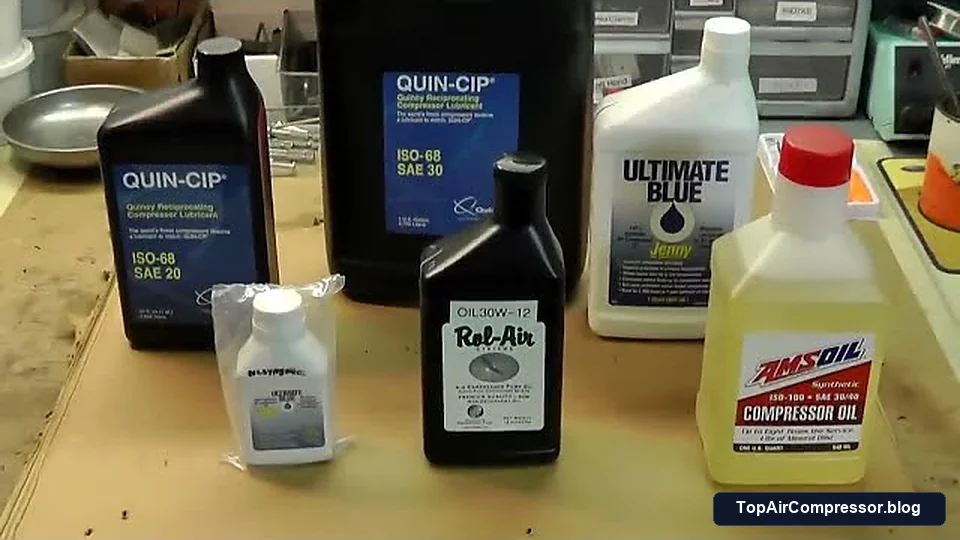
Synthetic lubricants utilize chemically engineered base stocks that provide exceptional performance under severe industrial conditions. Their molecular structure resists thermal breakdown far better than traditional mineral alternatives.
Operating heavy-duty machinery in freezing winter conditions or hot summer afternoons demands synthetic stability. Synthetics flow freely at low temperatures while retaining high viscosity under extreme operating heat.
Facility managers often balance initial procurement costs against long-term maintenance savings when selecting fluid types. Synthetic oils cost more upfront but extend oil change intervals by thousands of hours.
- Mineral oils suit light-duty shops with intermittent usage schedules.
- Synthetics withstand continuous 24/7 industrial production cycles.
- Synthetic fluids reduce varnish buildup on high-temperature valves.
- Mineral alternatives require much more frequent replacement intervals.
Evaluating Cost Versus Operational Longevity
Initial financial outlays for synthetic compressor oils can reach three times the price of standard mineral options. However, reduced downtime and extended oil drain intervals quickly offset this material expense.
Industrial operations running multi-shift schedules benefit immensely from synthetic longevity and reduced maintenance labor. Calculating total cost of ownership reveals clear financial advantages for premium synthetic selections.
- Track total fluid consumption and maintenance labor hours.
- Factor in avoided emergency repair costs from lubrication failure.
Video Walkthrough: What’s the Difference between Motor and Compressor Oil?
Selecting the Correct Viscosity Grade for Varying Ambient Temperatures
Viscosity measures a fluid's internal resistance to flow at specific operating and ambient temperatures. Choosing the incorrect grade results in either inadequate film strength or excessive internal fluid friction.
ISO viscosity grades provide standardized measurements for industrial lubricants used in compressed air equipment worldwide. Common industrial grades include ISO 32, ISO 46, and ISO 68 depending on thermal conditions.
Cold ambient workshops require thinner ISO 32 or ISO 46 oils to ensure immediate pump lubrication upon startup. Thick oil in freezing temperatures prevents proper circulation and stresses electric drive motors.
Hot operating environments demand heavier ISO 68 formulations to maintain adequate lubricating film thickness under load. Thin oils thin out dangerously when exposed to sustained high compression temperatures.
- ISO 32 fits cold climate workshops and rotary vane setups.
- ISO 46 serves as the universal standard for moderate temperatures.
- ISO 68 handles heavy-duty reciprocating pumps in warm climates.
- Ambient monitoring prevents seasonal viscosity mismatch issues.
Seasonal Viscosity Adjustments for Outdoor Equipment
Compressors operating outdoors must adapt to significant seasonal temperature swings throughout the calendar year. Changing viscosity grades during spring and autumn protects internal components from severe thermal stress.
Failing to adjust oil viscosity for winter frost or summer heat waves leads to premature wear. Always consult the equipment nameplate for acceptable ambient temperature ranges and specific viscosity guidance.
- Check ambient thermometer readings near the compressor intake.
- Flush and replace fluid completely before seasonal weather shifts.
Special Lubrication Demands of Rotary Screw and Reciprocating Units
Reciprocating piston compressors feature high mechanical friction and intermittent high heat spikes on discharge valves. These dynamic units require robust anti-wear additives and moderate viscosity oils to protect cylinder walls.
Rotary screw compressors operate with continuous rotating meshed rotors immersed in large volumes of circulating fluid. Their lubricants act as coolants, hydraulic seals, and mechanical lubricants simultaneously under pressure.
Rotary screw systems demand specialized turbine-quality oils with exceptional demulsibility and rapid air release properties. Standard reciprocating oils will foam uncontrollably inside a high-speed rotary oil separator tank.
Mixing incompatible compressor lubricants can cause chemical reactions that form sticky varnishes and sludge blockages. Always flush the entire system thoroughly when transitioning between different oil chemistries.
- Piston pumps need oils with high film strength for sliding rings.
- Screw units require high-volume cooling fluids with rapid air release.
- Demulsibility ensures water separates quickly from rotary fluids.
- Sludge prevention avoids clogged oil coolers and filter elements.
Addressing Scroll and Centrifugal Compressor Requirements
Scroll compressors utilize orbiting spirals requiring specialized scroll-specific oils to maintain hermetic sealing tolerances. Using incorrect lubricants ruins the precise tip seals and destroys the compression mechanism entirely.
Centrifugal systems require ISO VG 32 or 46 turbine oils. For smaller pneumatic tasks like inflation, check our best air compressor for car tires guide to find proper consumer-grade specifications.
- Scroll units demand specialized low-foaming refrigeration-grade oils.
- Centrifugal systems require strict particulate and moisture filtration.
Routine Maintenance Protocols for Oil Level Checks and Replacements
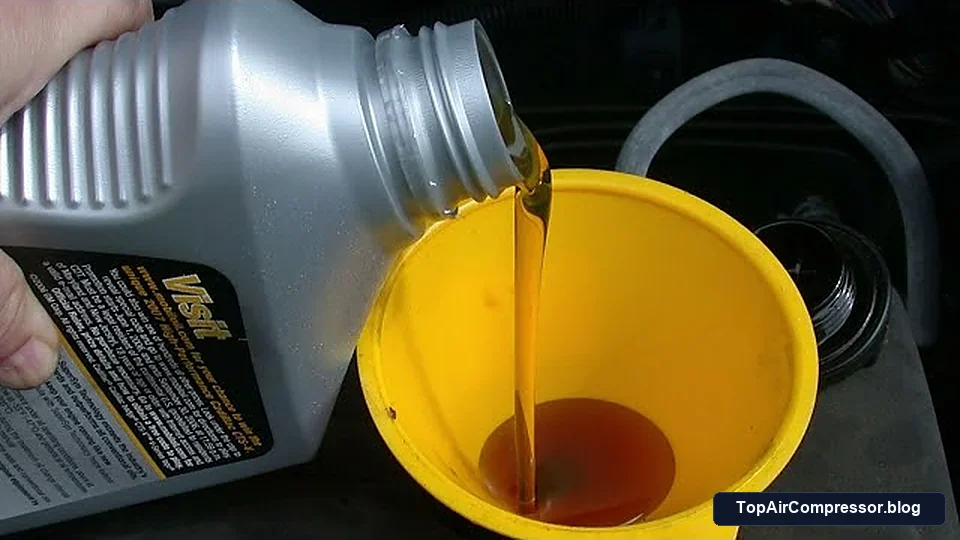
Establishing consistent maintenance routines prevents unexpected equipment breakdowns and extends compressor service life indefinitely. Operators must inspect oil sight glasses daily before powering up any industrial pneumatic system.
The proper oil level should sit squarely in the middle of the red circle indicator glass. Overfilling causes excessive oil carryover into air lines, while underfilling leads to rapid thermal overheating.
Scheduled oil changes remove accumulated moisture, microscopic metal shavings, and degraded chemical additives from the sump. Neglecting this simple maintenance task turns lubricating oil into an abrasive grinding slurry.
Always drain compressor oil immediately after shutdown while the fluid remains warm and suspended contaminants flow freely. Warm drainage ensures maximum removal of harmful particulate sludge from the bottom crankcase.
- Daily checks verify safe fluid levels through sight glass indicators.
- Oil changes occur every 500 hours for mineral or 2000 for synthetics.
- Filter replacements happen concurrently with every scheduled oil change.
- Crankcase flushing removes stubborn sludge before refilling fresh fluid.
Step-by-Step Procedure for Safe Oil Draining
Power down the compressor and relieve tank pressure before opening drain plugs. Before upgrading pneumatic systems, use our cfm and tank sizing calculator to match proper equipment demands.
Remove the drain plug slowly and capture the used fluid in an approved environmental containment pan. Clean the magnetic drain plug thoroughly of metal debris before reinstalling it securely.
- Verify zero pressure on the tank pressure gauge first.
- Dispose of used compressor oil according to local regulations.
Video Walkthrough: Air Compressor Oil vs Engine Oil: What’s the Difference?
Environmental Safeguards and Proper Disposal of Used Compressor Fluids
Used compressor oil contains heavy metals and hazardous byproducts. If you manage a small setup, review our best air compressor for home garage guide to understand proper fluid containment protocols.
Responsible shop management requires storing used compressor lubricants in sealed, clearly labeled steel drums until collection. Local automotive recycling centers or industrial waste handlers accept these fluids for proper reprocessing.
Spill containment kits must be readily accessible near all compressor maintenance stations to manage accidental leaks instantly. Quick action prevents slippery workplace hazards and costly environmental contamination fines from regulatory agencies.
Documenting all fluid disposal activities satisfies compliance requirements for occupational safety and environmental protection inspections. Proper record-keeping demonstrates corporate responsibility and environmental stewardship in industrial manufacturing facilities.
- Sealed containers prevent accidental spills during storage periods.
- Certified recyclers reprocess used petroleum into industrial heating fuels.
- Spill kits neutralize hazardous oil puddles on workshop concrete floors.
- Regulatory compliance avoids severe statutory fines and penalties.
Managing Minor Spills and Workplace Leak Safety
Minor compressor oil leaks create dangerous slip hazards and attract combustible dust in industrial workshops. Promptly apply absorbent clay granules to soak up fresh puddles before sweeping them safely away.
Inspect shaft seals, gaskets, and drain valves regularly to catch minor weeping before leaks escalate. Proactive seal replacements save thousands of dollars in emergency fluid loss and equipment damage.
- Keep absorbent pads and sweeping compound near lubrication stations.
- Repair weeping shaft seals during routine scheduled downtime windows.
Troubleshooting Common Lubrication Failures in Compressed Air Equipment
Identifying early warning signs of lubrication failure prevents catastrophic pump seizures and costly factory downtime. Excessive oil consumption often points toward worn piston rings, damaged cylinder walls, or failing shaft seals.
Milky or discolored oil indicates dangerous moisture contamination caused by high humidity or failed aftercoolers. Water in the crankcase destroys lubricating film strength and accelerates severe internal corrosion processes.
Dark, burnt-smelling oil reveals extreme operating temperatures resulting from restricted ventilation or overloaded compressor duty cycles. Immediate investigation into cooling fan operation and thermal valve integrity is mandatory.
Metallic sheen in drained oil signals advanced bearing wear or scoring on sliding mechanical components. Technicians must inspect connecting rods and crankshaft journals immediately upon discovering excessive metallic debris.
- Milky fluid mandates immediate moisture source identification and oil change.
- Burnt odors indicate thermal overload or restricted cooling airflow.
- Metallic flakes signal imminent mechanical bearing failure and teardown.
- High consumption points to worn piston rings or leaking gaskets.
Corrective Actions for Moisture Contamination
Moisture accumulation ruins compressor oil faster than normal thermal breakdown during humid summer operating months. Installing refrigerated air dryers and automatic tank drains helps minimize excessive moisture ingestion.
Run compressors long enough during each cycle to boil off minor condensation accumulating in the crankcase. Short operating cycles prevent oil from reaching proper operating temperatures needed for moisture evaporation.
- Check automatic condensate drain valves for proper daily operation.
- Ensure run cycles last at least twenty minutes to evaporate water.
Frequently Asked Questions
Can I use standard motor oil in my workshop air compressor?
Never use automotive motor oil because its detergent additives create carbon buildup on valves. Always select compressor-specific non-detergent mineral or synthetic lubricants for safety.
How often should I change the oil in a reciprocating compressor?
Change standard mineral compressor oil every 500 operating hours or annually. Synthetic formulations safely extend your service intervals up to 2,000 hours depending on conditions.
What happens if I mix synthetic and mineral compressor oils?
Mixing oils causes chemical incompatibility that forms varnish and clogs filters. Always drain and flush the entire system completely before switching lubricant types.
How do I determine the correct oil viscosity for my climate?
Use ISO 46 for standard workshop temperatures and ISO 68 for hot environments. Colder unheated winter garages require thinner ISO 32 oils for safe startup.
Why is my compressor oil turning milky or white?
Milky oil indicates moisture contamination from humidity or condensation buildup. Drain the contaminated fluid immediately and check your condensate drains and operating cycles.