What Type of Oil for Central Pneumatic Air Compressor?
Choosing the correct lubricant protects your pump from premature wear and thermal breakdown. Proper fluid selection ensures reliable workshop operation every single day.

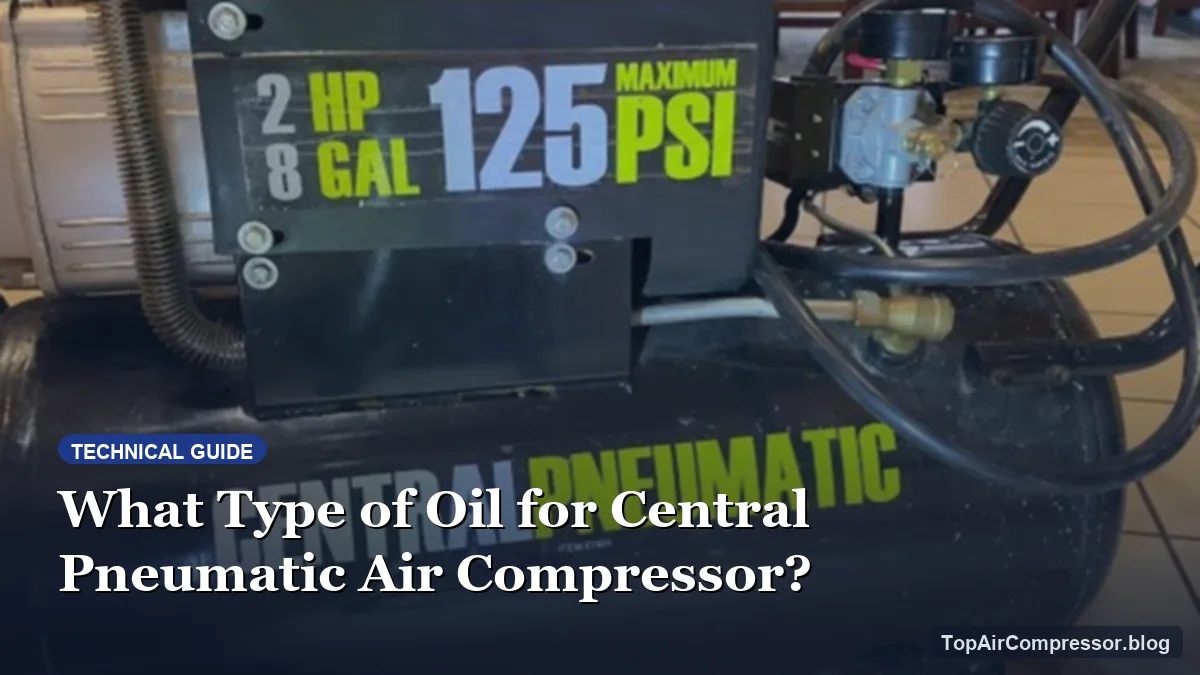
Always use a non-detergent 30-weight compressor oil or synthetic equivalent with an ISO 100 rating to prevent harmful carbon buildup and maintain proper valve sealing.
Looking for matching picks? See our Best Air Compressor For Pneumatic Tools: Top Power Picks.
Practical Quick-Reference Table
| Scenario / Metric | Recommended Target | Why It Matters |
|---|---|---|
| Standard Shop Temp | ISO 100 Non-Detergent | Prevents excessive wear in normal ambient conditions. |
| Cold Winter Garage | ISO 68 Synthetic Oil | Improves cold starts and reduces motor strain. |
| Oil Change Interval | Every 100 Operating Hours | Removes metallic debris and thermal breakdown byproducts. |
| Crankcase Capacity | Check Dipstick Markings | Avoids overfilling which causes discharge valve flooding. |
| Operating Viscosity | SAE 30 Rating | Maintains optimal film strength under high pressure. |
| Storage Conditions | Dry, Sealed Containers | Prevents moisture absorption and additive degradation over time. |
Understanding Central Pneumatic Lubrication Fundamentals
Piston-driven reciprocating air compressors rely on internal splash lubrication to protect moving metal parts. Without proper fluid dynamics inside the crankcase, friction generates destructive heat.
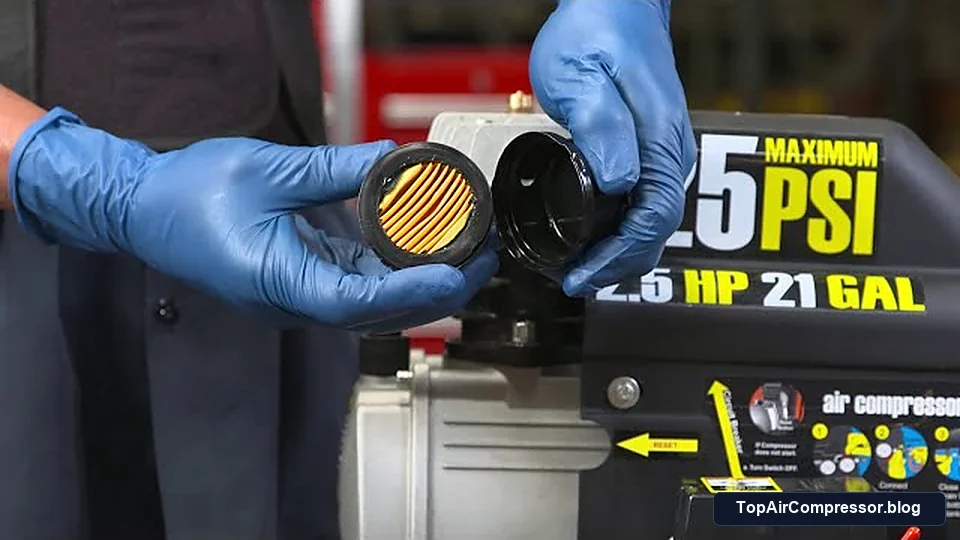
Operating equipment listed in our best portable air compressor for tools guide requires specific viscosity grades. Using automotive motor oil introduces harmful detergents that create carbon deposits on compressor valves.
Compressor pumps operate at much higher continuous temperatures than automotive engines. Specialized compressor lubricants resist thermal breakdown and prevent dangerous varnish accumulation on internal reeds.
Inspecting your compressor pump hardware diagram clarifies where oil travels during a stroke. Splash slingers distribute fluid upward to coat cylinder walls and wrist pins evenly.
- Never substitute automotive multi-grade engine oils.
- Maintain oil levels strictly between the lower and upper red dots.
- Verify pump compatibility using the manufacturer equipment manual.
- Check fluid clarity before every heavy workshop project.
Interpreting Internal Pump Hardware Layouts
Reviewing internal pump schematics helps operators visualize oil splash zones. The dipper arm scoops fluid from the crankcase bottom during every single rotation cycle.
Keeping fluid reservoirs clean ensures unobstructed flow through internal galleries. Debris accumulation prevents proper heat dissipation across the cast iron cylinder block.
- Locate the crankcase drain plug before starting maintenance.
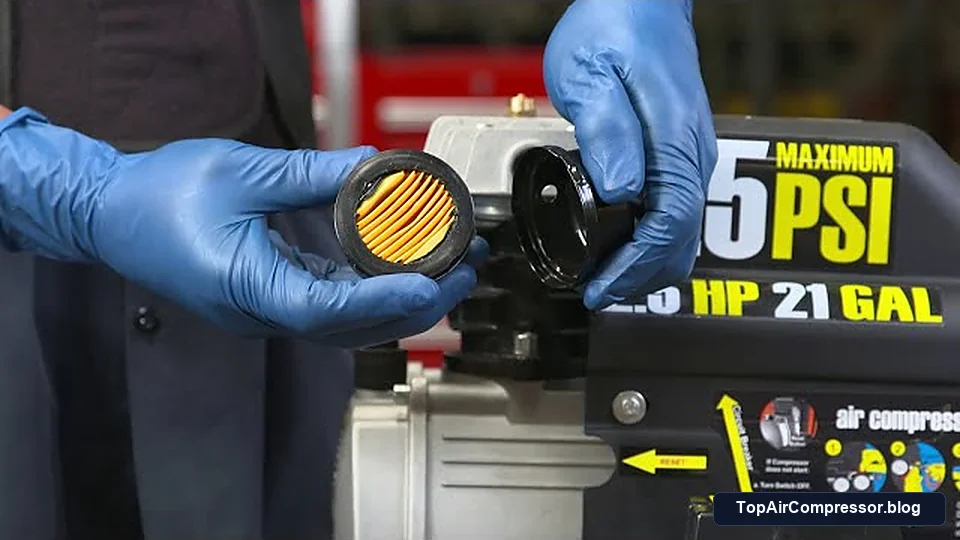
- Inspect the breather cap for clogging or oil residue.
Selecting Viscosity Grades and Synthetic Options
Standard workshop environments generally require an ISO 100 rating or SAE 30 non-detergent weight. This viscosity provides an ideal balance of flow and protective film strength.
Synthetic compressor oils offer superior performance across wider temperature ranges. When inflating automotive setups using the best air compressor for car tires, these advanced fluids resist oxidation significantly better than traditional mineral oils.
Cold winter garages demand lower viscosity ratings to prevent motor overload during startup. An ISO 68 synthetic blend flows more freely when ambient temperatures drop below freezing.
Hot summer workshops require heavier weight oils to maintain adequate lubrication seals. Thin oils break down rapidly under extreme heat, leading to scored cylinder walls.
- Match oil viscosity directly to local ambient shop temperatures.
- Choose synthetic formulas to extend service intervals safely.
- Avoid mixing different oil brands within the same reservoir.
- Verify ISO grade numbers before pouring fluid into the unit.
Evaluating Synthetic Versus Mineral Oil Performance
Synthetic oils maintain stable molecular structures under extreme operating pressures. This stability reduces carbon buildup on high-temperature valve reed assemblies.
Mineral oils cost less initially but require more frequent change intervals. Balancing upfront fluid costs with equipment longevity guides smart workshop maintenance choices.
- Drain mineral oil completely before switching to synthetic blends.
- Monitor operating temperatures after changing fluid types.
Video Walkthrough: How to Change the Oil in a Central Pneumatic 8 Gallon Air Compressor | Harbor Freight Air Compressor
Why Detergent Additives Damage Pneumatic Pumps
Automotive motor oils contain powerful detergent additives designed for combustion engines. When powering units like the best air compressor for pneumatic tools, these additives suspend soot and contaminants, which harms pneumatic air compressor systems.
Compressor crankcases lack oil filters found in modern automotive engines. Suspended particles circulate continuously, acting as an abrasive compound against precision bearings.
Detergents interact with moisture in compressed air to form stubborn foam. Foam reduces the hydraulic cushioning effect required by high-speed reciprocating connecting rods.
Non-detergent oils allow heavy contaminants to settle safely at the bottom. You can easily remove settled particles during routine oil drainage maintenance procedures.
- Reject any oil bottle labeled with modern API service ratings.
- Look explicitly for non-detergent phrasing on product labels.
- Protect cylinder walls by eliminating harmful chemical foaming.
- Keep dedicated compressor oil bottles clearly marked in storage.
Recognizing Oil Breakdown and Contamination Signs
Cloudy or milky oil indicates severe moisture contamination inside the crankcase. Humid workshop conditions pull water vapor through intake filters during compression cycles.
Dark, burnt-smelling fluid warns of extreme thermal stress or overloading. Immediate fluid replacement prevents catastrophic bearing seizure during operation.
- Inspect sight glass clarity before powering on the motor.
- Change fluid immediately if moisture discoloration appears.
Executing Safe Oil Change and Maintenance Procedures
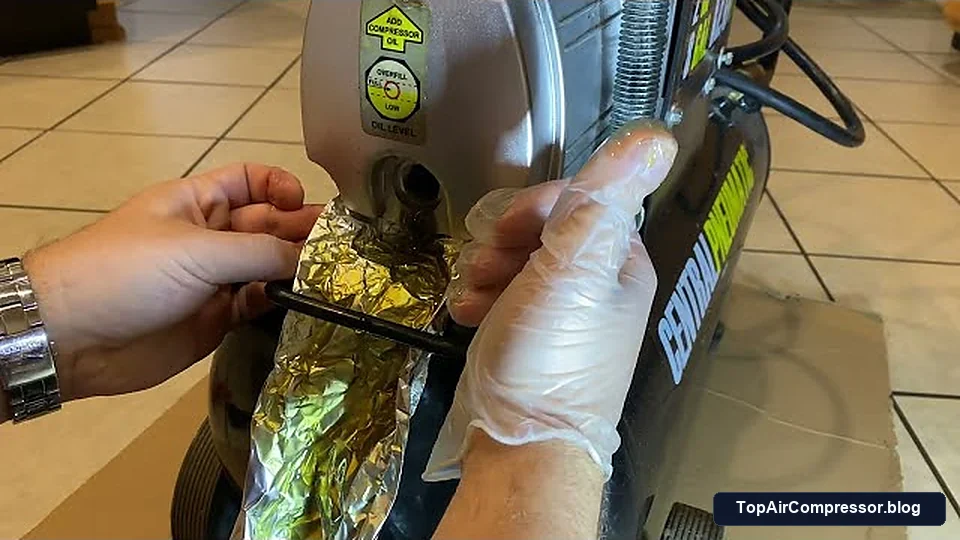
Routine maintenance keeps your Central Pneumatic compressor running reliably for years. Perform your first oil change after the initial break-in period concludes.
Warm up the compressor briefly to lower oil viscosity before draining. Warm fluid carries away suspended metallic particles much more effectively than cold oil.
Disconnect power cords completely before opening any crankcase access ports. Safety compliance prevents accidental motor engagement while working near moving mechanical components.
Refill the reservoir slowly while monitoring the sight glass indicator. Overfilling causes excessive pressure and forces oil past piston rings into air lines.
- Always disconnect electrical power before servicing the unit.
- Dispose of used compressor oil at local recycling centers.
- Clean the magnetic drain plug thoroughly to remove metal flakes.
- Tighten fill plugs securely to prevent operational pressure leaks.
Step-by-Step Workshop Fluid Replacement Protocol
Position a suitable catch pan beneath the crankcase drain port. Remove the fill plug to vent internal pressure and speed up drainage.
Reinstall the drain plug securely once old fluid stops dripping. Pour fresh non-detergent ISO 100 oil until the sight glass reads full.
- Wipe away spilled oil to maintain a slip-free workshop floor.
- Run the pump unpressurized for one minute to circulate fluid.
Preventing Common Lubrication and Viscosity Errors
Operators often make critical mistakes by using incorrect automotive lubricants. This error accelerates wear on piston rings and valve plates significantly.
Neglecting scheduled oil changes allows particulate buildup to ruin bearings. Establish a strict calendar or hour-meter tracking system for your workshop.
Failing to check oil levels before heavy tool use risks dry starts. A dry pump sustains irreversible scoring within seconds of startup.
Mixing incompatible fluid brands can cause chemical reactions and sludge. Always drain and flush the system completely when switching fluid types.
- Never operate a compressor with an empty crankcase reservoir.
- Avoid topping off with unknown or unverified fluid types.
- Check the sight glass before tackling large pneumatic jobs.
- Keep spare non-detergent oil bottles stocked on workshop shelves.
Troubleshooting Low Pressure Caused by Bad Oil
Thick, sludge-filled oil restricts reed valve movement and lowers output. Cleaning the valve plate restores normal operational pressure ratings quickly.
Excessive oil foaming creates erratic pressure fluctuations in the tank during heavy tool operation. Utilizing our cfm and tank sizing calculator alongside anti-foam non-detergent lubricants eliminates this common workshop frustration.
- Inspect valve reeds whenever you perform seasonal fluid changes.
- Clean intake air filters to reduce internal contaminant loads.
Video Walkthrough: Start-Up Checklist for the Central Pneumatic 21-Gallon Oil Lube Compressor
Temperature Impacts on Pump Wear and Fluid Life
Ambient workshop temperatures heavily influence compressor oil selection and lifespan. High heat thins lubricants, reducing critical protective film thickness on bearings.
Cold environments thicken standard oils, causing excessive strain on electric motors. Selecting appropriate seasonal viscosity grades protects both motor windings and pumps.
Running compressors in poorly ventilated spaces accelerates thermal fluid breakdown. Ensure adequate clearance around cooling fins to maintain safe operating temperatures.
Monitoring operating temperatures helps you catch cooling system failures early. Infrared thermometers provide precise readings across cast iron pump heads.
- Maintain adequate clearance around stationary workshop compressors.
- Switch to synthetic oils if operating in extreme heat zones.
- Keep cooling fins clean and free from dust accumulation.
- Avoid running heavy-duty cycles in enclosed, unventilated closets.
Managing Extreme Heat and Cold Workshop Climates
Extreme summer heat requires diligent monitoring of oil levels and clarity. Higher temperatures evaporate moisture rapidly but degrade oil additives faster.
Winter conditions demand proactive crankcase warming in unheated garages. Allowing the motor to idle unloaded helps circulate cold fluid safely.
- Install auxiliary cooling fans in hot industrial workshops.
- Store oil containers indoors away from freezing temperatures.
Diagnostic Checks for Contamination and Leaks
Routine visual inspections catch minor seal leaks before they become failures. Check crankcase gaskets and sight glass seals for signs of seepage.
A sudden drop in the oil sight glass indicates internal consumption. Worn piston rings often allow oil to pass upward into the pressure tank.
Listening for unusual mechanical noises helps identify lubrication failures early. Grinding or knocking sounds require an immediate shutdown and inspection.
Analyzing drained oil reveals hidden wear patterns inside the crankcase. Excessive metallic shimmer points toward failing bearings or piston scoring.
- Inspect crankcase gaskets regularly for oil seepage paths.
- Listen closely for abnormal mechanical ticking during startup.
- Monitor compressed air lines for unexpected oil carryover.
- Keep a maintenance logbook to track fluid consumption rates.
Fixing Crankcase Leaks and Seal Failures
Replace damaged sight glass O-rings immediately upon noticing leaks. Tightening fittings past torque specs cracks the pump housing.
Inspect shaft seals whenever oil accumulates near the flywheel. Prompt seal replacement prevents total loss of crankcase lubrication.
- Torque crankcase bolts in a cross pattern evenly.
- Use thread sealant approved for pneumatic equipment repairs.
Frequently Asked Questions
Can I use standard motor oil in my Central Pneumatic compressor?
Never use standard automotive motor oil because its detergents cause carbon buildup. Always choose a non-detergent 30-weight oil for proper compressor protection.
How often should I change the oil in my air compressor?
Change your compressor oil every 100 operating hours or at least once per year. Heavy workshop use requires more frequent fluid replacement intervals.
What happens if I overfill the compressor crankcase?
Overfilling causes excessive internal pressure that forces oil past the rings. This floods your air lines with lubricant and damages downstream pneumatic tools.
Is synthetic oil better for air compressors?
Synthetic oil resists thermal breakdown better and flows more easily in cold weather. It extends service intervals and prevents dangerous valve varnish accumulation.
Why does my compressor oil look milky?
Milky oil indicates severe moisture contamination from humid workshop air. Drain and replace the fluid immediately to prevent bearing corrosion and failure.