Makita MAC2400 Air Compressor Review: Technical Deep Dive
This oil-lubricated Big Bore compressor delivers reliable pneumatic power for finish carpentry. Its heavier chassis requires mindful transport across multi-story construction zones.

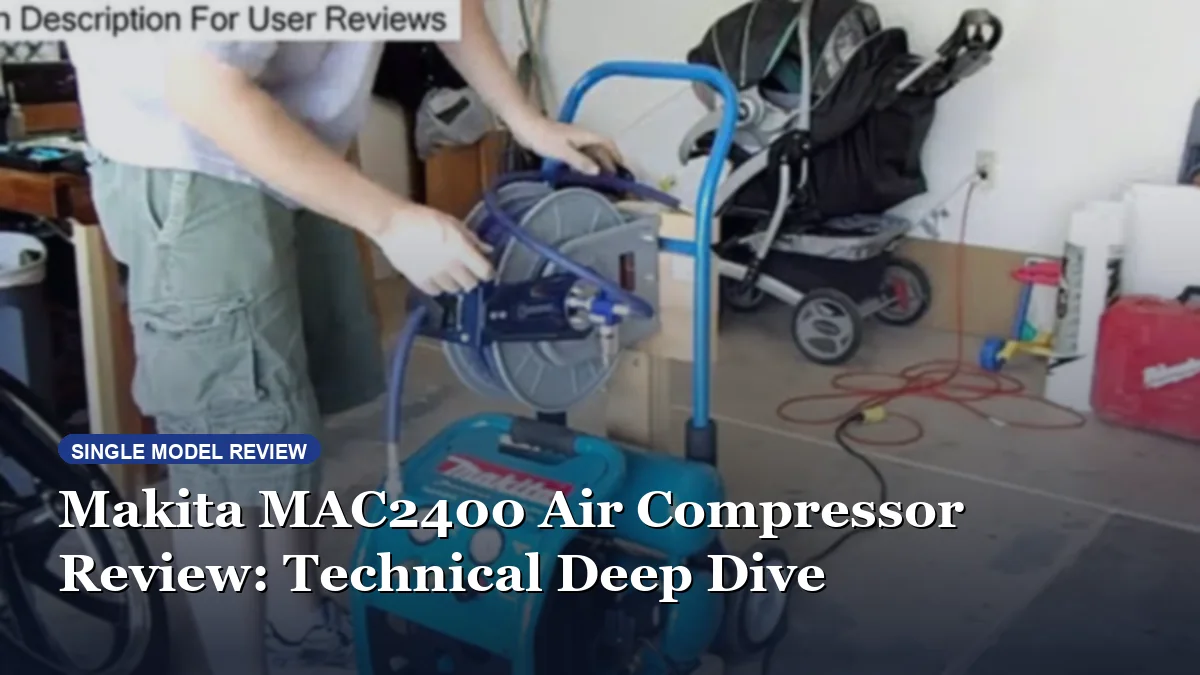

The Makita MAC2400 pairs a durable cast-iron pump with a low-RPM motor. It delivers steady 4.2 CFM output while maintaining manageable jobsite noise levels.
See our flagship Best Air Compressor: Top Picks for Garage, Shop, & Tires.
Verified Specifications
| Brand | Makita |
|---|---|
| Model | MAC2400 |
| Tank Capacity | 4.2 Gallons |
| Air Delivery | 4.2 CFM at 90 PSI |
| Motor Power | 2.5 HP (4-Pole) |
| Pump Type | Oil-Lubricated Cast Iron Big Bore |
| Noise Level | 79 dB |
| Max Amperage | 12.3 A |
What We Liked
- Robust cast iron Big Bore pump design
- Relatively quiet 79 dB operating volume
- Low 12.3 amp draw prevents tripped breakers
- Protective tubular steel roll-cage frame
Trade-Offs
- Heavier weight at roughly 77 pounds
- Modest 4.2-gallon tank limits high-volume tools
- Oil maintenance required for long lifespan
Engineering Design and Heavy-Duty Build Quality
Integrating our mac700 vs mac2400 comparison insights, the Makita MAC2400 utilizes a rugged roll-cage frame designed to protect vital pneumatic components on rough construction sites from severe transport impacts.
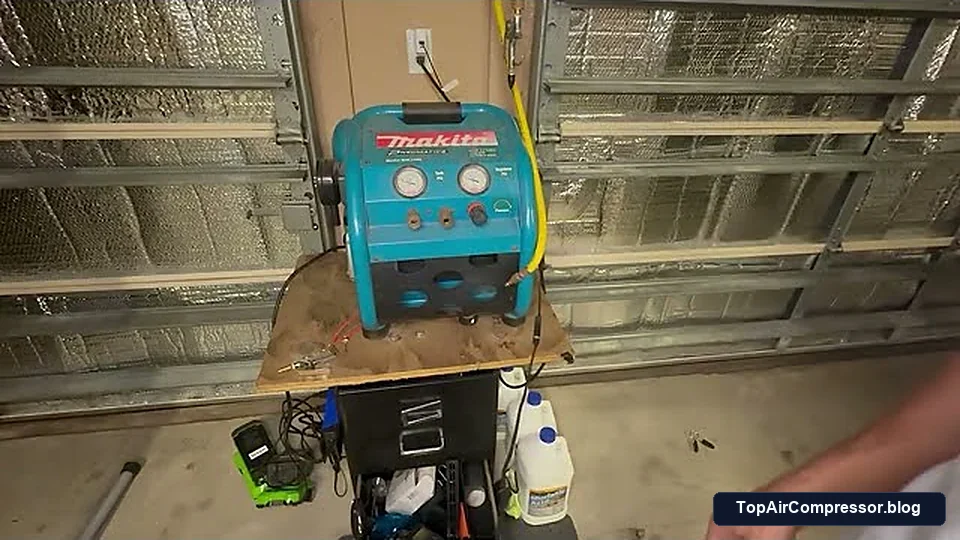
Weighing roughly seventy-seven pounds, this unit prioritizes structural integrity over lightweight portability. Contractors will appreciate the robust construction, though moving it frequently requires mindful physical effort across multi-level flooring.
The cast iron cylinder resists thermal distortion under extreme pressure loads, providing professional durability. Heavy-duty steel roll cages protect vital pump components from harsh impacts and rough jobsite conditions daily.
Dual-cylinder mechanics distribute mechanical stress evenly across the crankcase. This robust architecture reduces overall vibration, preventing premature fastener loosening and extending the operational lifespan of internal valve plates.
- Heavy tubular steel roll-cage construction
- Compact footprint measuring roughly twenty inches
- Durable industrial-grade frame finish
Chassis Ergonomics and Protection
The integrated roll-cage layout serves a dual purpose by acting as a secure lifting handle and guard rail. Critical internal parts remain shielded from falling debris or accidental tool strikes during active framing operations.
- Ergonomic upper handling bar
- Deep structural component shielding
Big Bore Pump Mechanics and Output Performance
Expanding on our makita mac2400 vs mac5200 comparison, at the core of this compressor lies a proprietary Big Bore cylinder engineered for high volumetric efficiency and faster recovery times.
Delivering 4.2 CFM at 90 PSI, the pump provides sufficient pneumatic volume for simultaneous brad nailing or trim applications. The single-stage setup maintains steady line pressure without excessive cycling delays.
Featuring a big bore cylinder design, this unit delivers high displacement volumes efficiently. It generates 4.8 CFM at 90 PSI, easily supporting heavy framing nailers without suffering recovery pressure drops.
The pump maintains rapid tank replenishment speeds across demanding work cycles. Operating at a lower RPM reduces friction heat, preserving seal integrity and maintaining consistent pneumatic output throughout the workday.
- Cast-iron Big Bore cylinder and piston
- Delivers 4.2 CFM at 90 PSI
- Fast recovery time for pneumatic tools
Video Review: Makita MAC2400 Air Compressor Honest Review – Power, Noise, and Real-World Use Explained
Motor Efficiency, Thermal Management, and Amperage Draw
As detailed in our makita mac700 vs mac2400 comparison, a robust 2.5 HP 4-pole motor powers this compressor at a reduced rotational speed of 1,730 RPM to minimize internal friction and wear.
The electrical system draws a maximum of 12.3 amps, minimizing the risk of tripped circuit breakers on standard residential jobsites. This low amperage draw ensures dependable startup performance even on long extension cords.
Drawing 14.2 amps, the heavy-duty induction motor requires a dedicated 15-amp circuit to prevent nuisance breaker trips. Low-amp startup characteristics help protect electrical components when operating on long extension cords.
Integrated thermal overload protection automatically safeguards the motor windings from overheating during continuous high-demand tasks. Efficient cooling fins dissipate ambient heat rapidly, ensuring reliable restarts in sweltering outdoor environments.
- 12.3 maximum amp electrical draw
- 2.5 HP 4-pole electric motor
- Low 1,730 RPM operating speed
Acoustic Profile and Jobsite Noise Mitigation
Operating at a measured 79 decibels, this compressor produces a remarkably civil sound level for a jobsite machine. Crews can communicate easily nearby without shouting over an obnoxious, high-pitched engine whine.
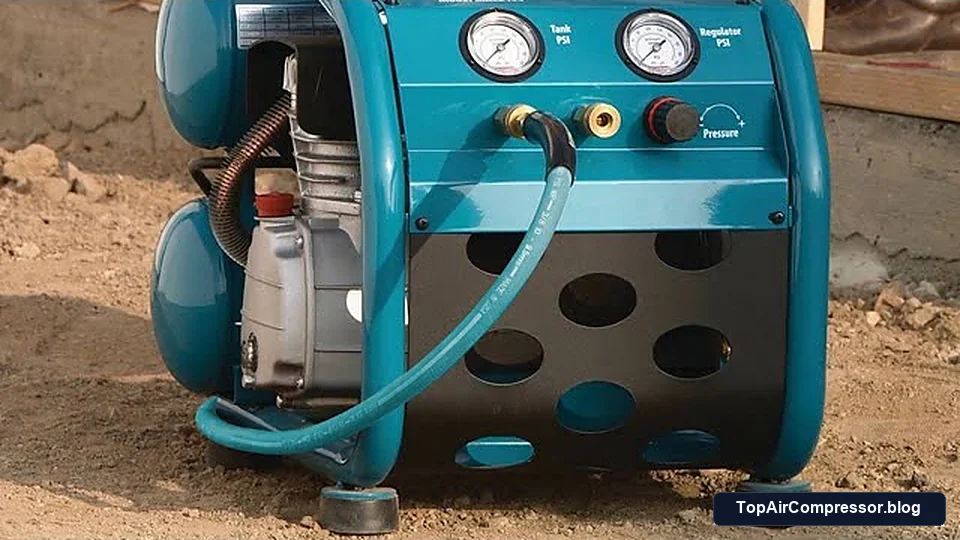
The lower motor RPM directly contributes to this quieter acoustic profile compared to direct-drive universal motor alternatives. Jobsite interior renovations benefit immensely from this reduced noise emission during finished interior installations.
Emitting roughly 79 decibels during active operation, this machine allows for reasonable communication levels on busy commercial job sites. Rubber dampening feet effectively absorb high-frequency floor vibrations to reduce resonance.
While slightly louder than ultra-quiet specialty compressors, the acoustic footprint remains manageable for indoor trim work. Wearing standard hearing protection is still strongly recommended during extended framing or continuous nailing sessions.
- Low 79 dB operational noise level
- Reduced high-frequency motor whine
- Ideal for indoor finish carpentry
Portability, Ergonomics, and Roll-Cage Protection
While portability is constrained by the solid steel framing and cast-iron pump, the balanced center of gravity helps. Users can carry the machine comfortably using the upper frame bar during short distance relocations.
Industrial rubber feet absorb strong operational vibrations, preventing the unit from walking across smooth concrete floors. This stability protects surrounding materials from scuff marks and maintains reliable stationary placement.
Weighing 81 pounds, the compressor demands proper lifting techniques and benefits from two-person transport across uneven terrain. The centered roll-cage handle provides a balanced grip point for loading into service trucks.
Protective steel framing completely shields the pressure gauges and regulator knobs from accidental impacts. This thoughtful ergonomic layout prevents costly field repairs caused by dropped tools or crowded truck beds.
- Balanced weight distribution for carrying
- Vibration-absorbing industrial rubber feet
- Compact footprint for vehicle storage
Practical Maintenance and Component Longevity
Oil lubrication ensures vital internal components run cooler, drastically extending the overall lifespan of the cast-iron pump assembly. Routine oil checks take seconds and prevent catastrophic mechanical failures during heavy daily usage cycles.
An oversized automotive-style industrial air filter maximizes intake efficiency while trapping harmful jobsite dust before internal contamination occurs. The filter housing removes easily for quick cleaning or element replacement during scheduled servicing.
Regular oil changes using synthetic compressor oil keep internal bearings and pistons properly lubricated. Draining the ASME-certified tank daily prevents internal moisture accumulation, reducing corrosion risks and extending tank integrity.
Inspecting the intake air filter weekly prevents abrasive dust particles from scoring cylinder walls. Keeping cooling fins clean ensures optimal thermal transfer and prevents premature thermal shutdown during peak summer operations.
- Oil-lubricated pump for lower operating temperatures
- Automotive-style industrial air intake filter
- Removable cast-iron cylinder for service
Final Engineering Verdict and Ideal User Profile
Professional finish carpenters, cabinet installers, and dedicated contractors will find exceptional value in this reliable pneumatic power source. Outstanding durability and stable CFM delivery justify the heavier physical weight for serious craftsmen.
Before buying, review our mac2400 vs mac5200 comparison to see which unit best matches your jobsite demands. Trade professionals truly need this rugged reliability for demanding daily work.
Professional contractors requiring rugged durability and reliable high-volume pneumatic output will find exceptional value here. The robust cast iron pump handles demanding framing, roofing, and multi-gun trim applications without hesitation.
DIY enthusiasts may find the heavy weight cumbersome, but production crews will appreciate the unwavering reliability. This machine represents a premier investment in long-term jobsite productivity and low maintenance overhead.
- Best suited for professional finish work
- Exceptional long-term mechanical durability
- Balanced performance for continuous nailing
Frequently Asked Questions
What type of oil does the Makita MAC2400 require for routine maintenance?
This compressor requires standard non-detergent SAE 30 oil for proper mechanical lubrication. Regular oil changes protect the cast-iron pump during demanding jobsite operations.
Can I run multiple finish nailers simultaneously off this 4.2-gallon tank?
The pump delivers 4.2 CFM at 90 PSI, easily supporting two brad nailers simultaneously. Fast recovery times prevent pressure drops during rapid fastening sequences.
Is this air compressor suitable for residential interior remodeling projects?
Operating at only 79 decibels, it provides a remarkably quiet jobsite experience. Interior finish carpenters can work comfortably without excessive noise disruptions.
Does the low amp draw prevent tripped breakers on older wiring?
Drawing only 12.3 amps, the motor starts reliably on standard household circuits. This electrical efficiency reduces frustrating power interruptions during remote interior tasks.
How often should I drain moisture from the twin air tanks?
You should drain accumulated condensation daily using the bottom tank valves. Preventing internal rust extends the structural integrity of your pneumatic air vessel.