Makita MAC5200 Review: Heavy-Duty Performance
This 3.0 HP compressor delivers massive pneumatic power. However, its heavy chassis requires deliberate transport planning.

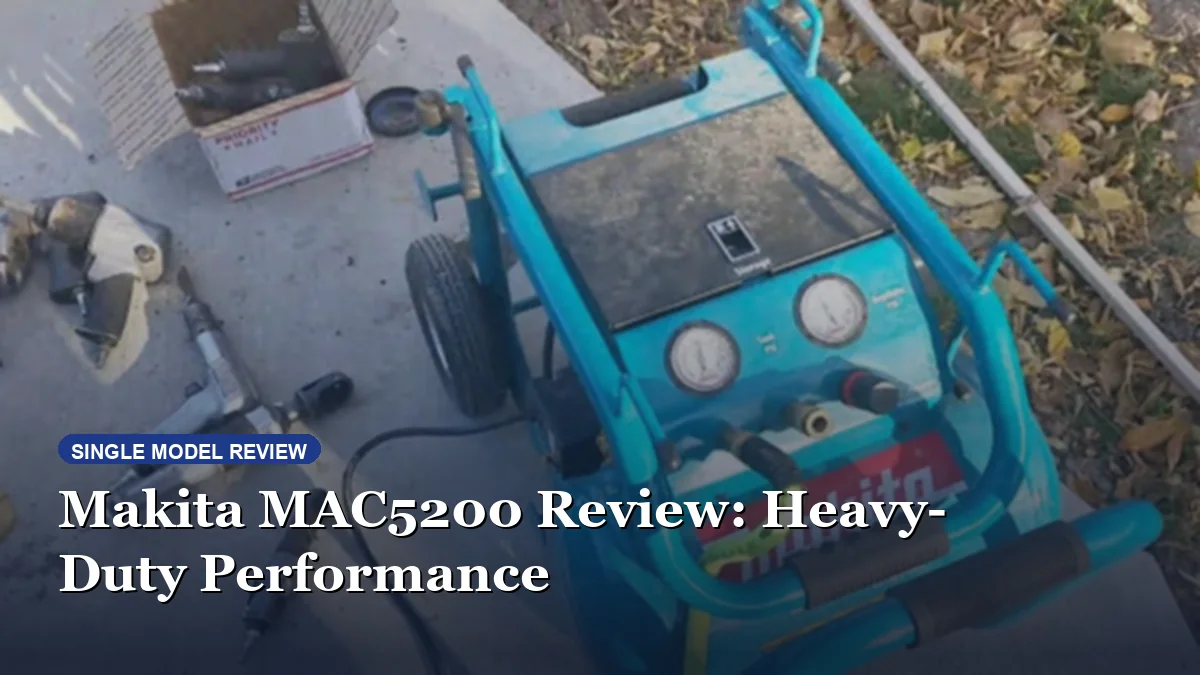
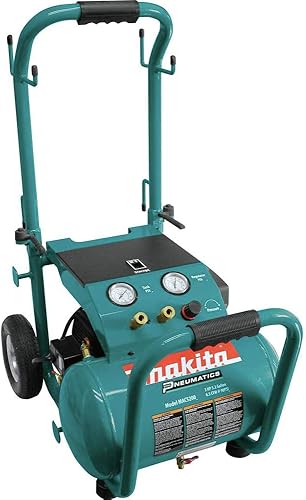
The Makita MAC5200 provides exceptional CFM delivery for heavy-duty pneumatic tools. Despite its heavier frame, trade professionals will appreciate its reliable cast-iron durability.
Explore related alternatives in our Best Heavy Duty Air Compressor: Top Picks for 2026.
Verified Specifications
| Pump Design | Cast iron Big Bore cylinder |
|---|---|
| Horsepower | 3.0 HP maximum output |
| Air Delivery | 6.5 CFM at 90 PSI |
| Max Pressure | 140 PSI limit |
| Tank Capacity | 5.2 gallons twin-stack |
| Power Source | 120V electric motor |
| Unit Weight | 75 pounds dry weight |
| Noise Rating | 65 dB operational sound |
What We Liked
- High 6.5 CFM output drives framing nailers effortlessly.
- Rugged cast iron pump ensures extended operational lifespan.
- Removable cylinder simplifies routine internal maintenance tasks.
- Folding handle design reduces overall footprint during storage.
Trade-Offs
- Weighing 75 pounds makes solo loading somewhat cumbersome.
- Compact 5.2-gallon tank cycles frequently under heavy continuous loads.
Engineering Architecture and Pump Design
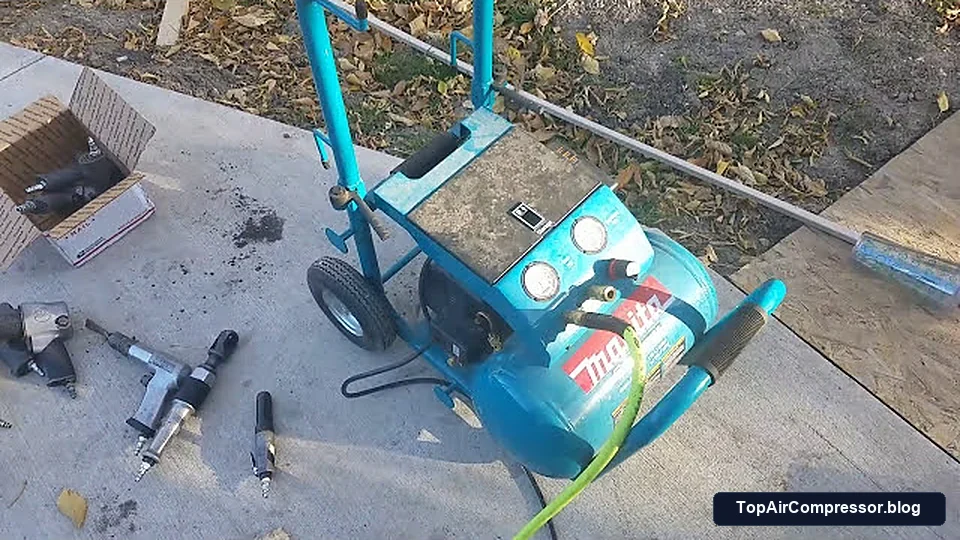
Makita designed this unit around a robust cast iron pump. This material choice significantly enhances thermal dissipation and overall structural integrity under harsh jobsite conditions.
The proprietary Big Bore cylinder configuration maximizes displacement efficiency. You can explore these metrics inside our detailed Mac2400 vs Mac5200 breakdown to understand specific motor specifications.
- Cast iron sleeve construction
- Removable cylinder design
- Oil-lubricated internal components
- Enhanced thermal dissipation fins
Big Bore Cylinder Dynamics
Internal engineering focuses heavily on minimizing mechanical friction. Precision-machined piston rings seal tightly against the cylinder wall to prevent pressure blowby during heavy compression phases.
Mechanics can easily service the removable cylinder head. This modular approach reduces long-term maintenance costs and eliminates the need for complete pump replacements during major overhauls.
- Tight piston ring seals
- Modular cylinder head
Real-World Pneumatic Output and Air Delivery
Delivering 6.5 CFM at 90 PSI, this compressor easily handles demanding applications. Read through our Makita Mac700 vs Mac2400 comparison to see how tank capacities and output ratings match up.
The maximum operating pressure reaches 140 PSI. This higher ceiling provides a generous reserve buffer before the pressure switch triggers the motor to refill the tank.
- 6.5 CFM delivery at 90 PSI
- 140 PSI maximum operating pressure
- Dual universal quick couplers
- Heavy-duty pressure regulator
Video Review: Makita MAC5200 3HP 5.2 gallon Portable Air Compressor Review 1 of 2
Thermal Management and Noise Footprint
Oil-lubricated operation keeps internal running temperatures remarkably low. Cooler oil circulation prevents premature breakdown of piston rings and extends the overall life of the pump.
Operational noise levels hover around 65 decibels. While certainly audible on a busy jobsite, this rating remains civilized compared to louder oil-free compressor alternatives.
- Low running temperatures
- Effective oil splash lubrication
- Moderate noise footprint
- Integrated cooling fins
Chassis Ergonomics and Jobsite Portability
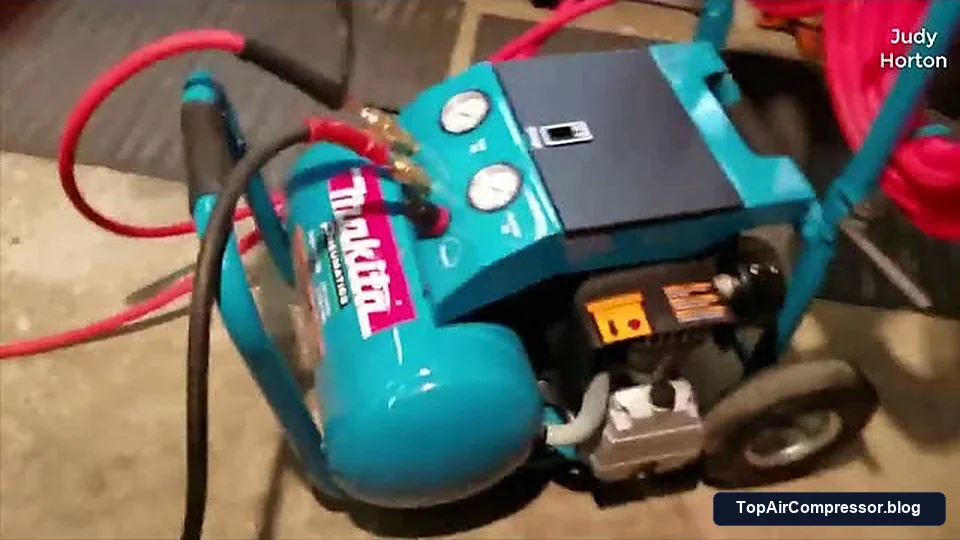
Transporting a 75-pound compressor requires a balanced, ergonomic frame design. When weighing options, consult our Makita Mac2400 vs Mac5200 comparison to find the ideal setup for your crew.
Large pneumatic wheels navigate rough terrain effortlessly. Contractors can pull the unit across gravel lots and muddy jobsite pathways without tipping the heavy twin-stack tanks.
- 75-pound total unit weight
- Protective steel roll cage
- Heavy-duty pneumatic wheels
- Balanced center of gravity
Folding Handle and Storage Optimization
A clever folding handle significantly reduces the storage footprint in a truck bed. Operators simply release the locking mechanism to fold the handle flush against the chassis.
This space-saving feature prevents snagging on other equipment during transit. It highlights thoughtful engineering tailored specifically for busy mobile contractors.
- Flush-folding mechanism
- Secure locking latches
Maintenance Protocols and Long-Term Durability
Routine maintenance is essential for preserving the oil-lubricated pump. For deeper insights, review our Makita Mac5200 vs Rolair VT25BIG comparison to evaluate key performance differences and build quality.
Brass drain valves resist corrosion over years of exposure to condensed moisture. Regularly draining the 5.2-gallon twin-stack tanks prevents internal rust and preserves structural tank integrity.
- Daily oil level checks
- Easy-access drain valves
- Accessible air intake filter
- Durable powder-coated tanks
Competitive Alternatives in the 3.0 HP Class
Comparing this unit against similar jobsite compressors highlights its strength. While oil-free models offer lighter weights, they typically lack the long-term durability of this cast-iron pump.
Competitor belt-driven units provide quieter operation but demand significantly more floor space. Contractors prioritizing raw power output per square inch will consistently lean toward this direct-drive layout.
- Cast-iron pump advantage
- Direct-drive compactness
- Superior CFM delivery
- Heavy-duty professional focus
Comprehensive Buyer Summary and Final Verdict
Professional contractors needing reliable pneumatic muscle will find exceptional value here. The combination of high CFM delivery and rugged cast-iron construction justifies the heavier physical footprint.
Weekend DIYers might find the weight excessive for occasional garage tasks. However, serious trade professionals upgrading their primary air source will discover an exceptionally reliable jobsite workhorse.
- Built for professional framing
- Heavy-duty cast-iron build
- High CFM capacity
- Excellent long-term reliability
Frequently Asked Questions
Can this compressor run multiple framing nailers simultaneously?
Yes, the impressive 6.5 CFM output easily supports dual framing nailers during heavy residential construction tasks. Working pressure remains steady throughout continuous fastening cycles without significant lag.
How often should I change the pump oil?
Operators must perform the initial oil change after twenty hours of break-in operation. Subsequent fluid changes should occur every one hundred hours to ensure maximum pump longevity.
Is the unit difficult to load into a truck bed?
Weighing seventy-five pounds requires deliberate lifting technique or a loading ramp. Fortunately, the balanced roll cage provides secure handholds for two-person jobsite loading.
What is the maximum pressure rating for this model?
The system reaches a maximum pressure of 140 PSI before shutting off automatically. This provides a generous reserve capacity for demanding pneumatic applications.
Can I use an extension cord with this electric motor?
You should use a heavy-gauge extension cord shorter than fifty feet to prevent voltage drop. Undersized cords can overheat the 120-volt motor and cause premature failure.