Makita Mac700 Review: Cast-Iron Durability and Performance
The Makita MAC700 combines a heavy-duty cast-iron pump with a low-RPM motor to deliver exceptional durability. However, its heavy chassis requires careful lifting during transport.

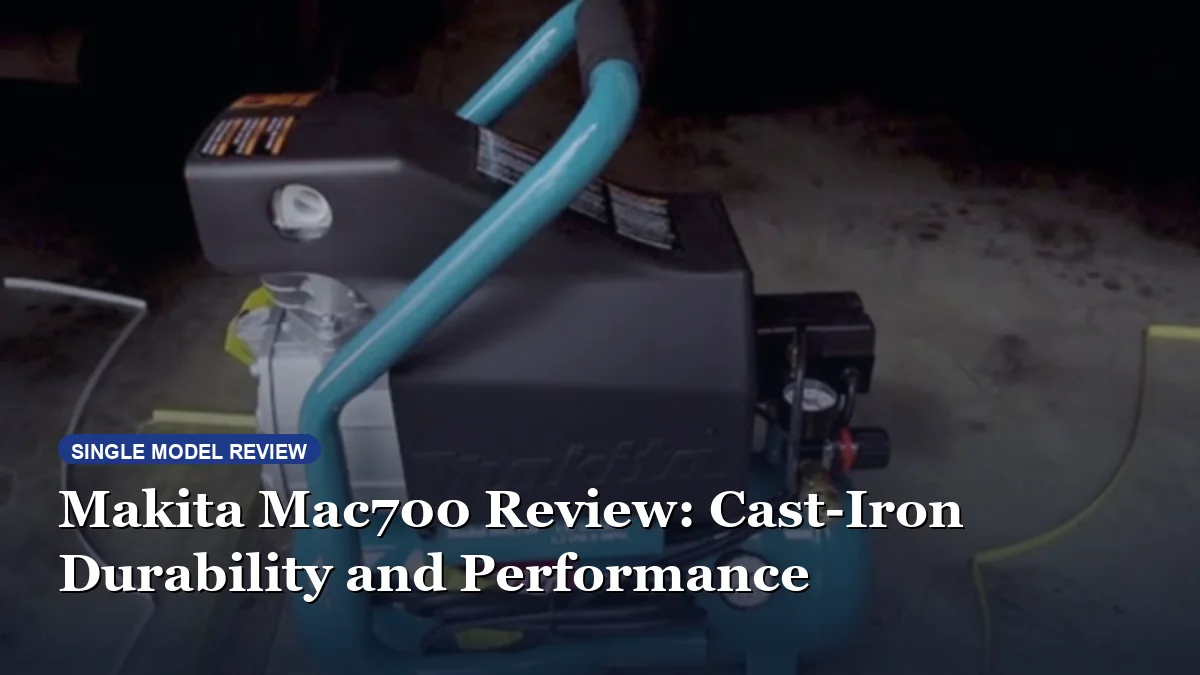
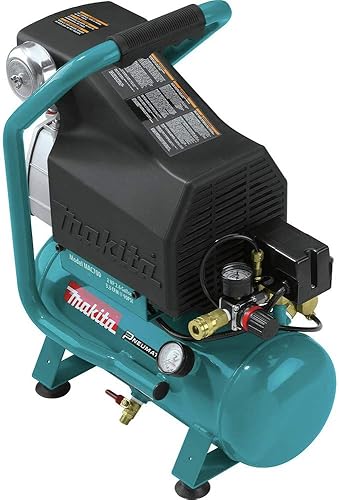
This compact unit excels in trim carpentry and framing applications where consistent pressure and low noise matter most. It remains a top-tier choice for professionals seeking reliable jobsite pneumatic performance.
See our flagship Best Air Compressor: Top Picks for Garage, Shop, & Tires.
Verified Specifications
| Category / Type | Portable Air Compressor |
|---|---|
| Rated Output / Capacity | 3.3 CFM at 90 PSI |
| Power / Motor | 2.0 HP Big Bore |
| Build & Materials | Cast Iron Cylinder |
| Operating Noise | 80 dB |
| Duty Cycle / Runtime | Intermittent Trade Use |
| Dimensions & Weight | 12" x 12" x 12", 47 lbs |
| Key Safety & Controls | Recessed Gauges, Dual Couplers |
What We Liked
- Robust cast-iron cylinder construction
- Quiet 1,720 RPM pump operation
- Low amp draw prevents tripped breakers
- Oil-lubricated for cooler running
Trade-Offs
- Slightly heavier than aluminum units
- Small 2.6-gallon tank capacity
Engineering and Cast-Iron Pump Architecture
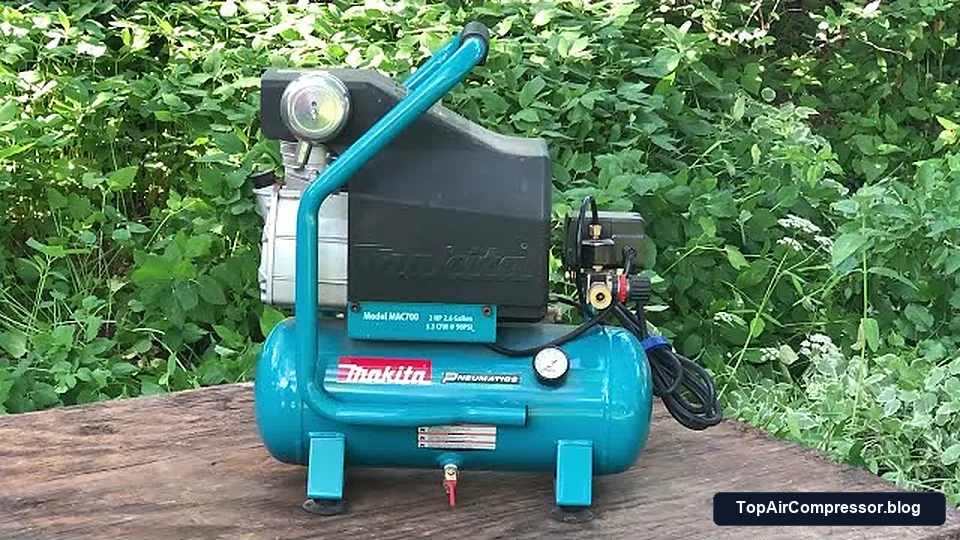
The Makita MAC700 utilizes a heavy-duty cast-iron cylinder designed to withstand demanding jobsite environments. This robust material choice significantly reduces wear over years of continuous operation.
Featuring a large big bore design, the pump maximizes displacement while maintaining structural integrity. Engineers paired this cylinder with an oversized piston to optimize overall mechanical efficiency.
Unlike aluminum alternatives, cast iron resists thermal distortion during extended duty cycles. This thermal stability prevents catastrophic ring failure and ensures consistent air delivery.
The Makita MAC700 utilizes a heavy-duty cast-iron cylinder designed to reduce wear. For more insights, read our makita mac700 vs mac2400 comparison covering thermal efficiency and pump longevity.
Operating at a low pump speed of 1750 RPM, the unit minimizes mechanical friction and internal stress. This reduced rotational velocity directly translates to extended pump life and quieter operation during demanding framing tasks.
The oil-lubricated pump design incorporates a large industrial-style filter that effectively traps jobsite debris. Regular inspection of this intake component prevents premature scoring of the piston rings and cylinder wall surfaces.
- Cast-iron cylinder reduces thermal wear
- Oversized piston maximizes stroke displacement
- Rigid crankcase prevents mechanical flexing
Cylinder and Piston Dynamics
The increased bore and stroke dimensions allow the compressor to move more air at lower speeds. This engineering approach directly minimizes internal friction and component stress.
Precision machining on the cylinder walls ensures an airtight seal with minimal blow-by. Operators benefit from sustained pressure output even during high-demand nailing tasks.
- Low-speed displacement optimization
- Precision-machined airtight cylinder walls
Real-World Pneumatic Output and Delivery
Delivering 3.3 CFM at 90 PSI, this machine easily handles standard finish nailers and brad tools. Before buying, explore our makita mac5200 vs rolair vt25big review to evaluate high-output alternatives.
The 2.6-gallon tank provides a compact reservoir to smooth out pressure surges during rapid fastening cycles. While small, the tank recovers quickly thanks to the efficient pump displacement.
Operating pressures reach a maximum of 130 PSI, giving users adequate headroom for regulators and hose friction losses. This ensures tool performance remains stable across long hose runs.
Delivering 3.3 CFM at 90 PSI, this compressor handles finish nailers and brad drivers with exceptional recovery speed. The generous pump displacement ensures consistent pressure even when cycling rapidly through consecutive fastening sequences.
Maximum pressure reaches 130 PSI inside the compact 2.6-gallon tank, providing an adequate reserve buffer. While tank capacity is small, the high volumetric output compensates by rapidly replenishing air during heavy usage spikes.
Field tests indicate the unit effortlessly drives 16-gauge finish nails without noticeable pressure drop. Contractors pushing multiple trim guns simultaneously will appreciate the steady delivery curve and minimal motor strain observed.
- Delivers 3.3 CFM at 90 PSI
- Maximum pressure reaches 130 PSI
- Compact 2.6-gallon tank capacity
Video Review: Makita MAC700 Air Compressor Review After 10+ years of ownership
Thermal Management, Noise, and Electrical Efficiency
Running at just 1,720 RPM, the pump generates significantly less acoustic energy than direct-drive units. This low rotational speed keeps noise levels down to an acceptable 80 decibels.
The low amp draw prevents nuisance breaker trips when operating on shared residential circuits. Contractors frequently praise this feature when working inside finished homes with limited electrical capacity.
Oil lubrication ensures vital internal components stay cool under heavy loads, reducing thermal breakdown. Cooler operation directly translates to extended pump life and fewer maintenance headaches.
Operating noise measures at a tolerable 80 dB, allowing for indoor trim work without severe acoustic disruption. This lower decibel rating stems directly from the reduced rotational speed of the heavy-duty induction motor.
The copper-wound motor draws 12.4 amps, requiring a dedicated 15-amp circuit to prevent frequent breaker trips. Using heavy-gauge extension cords under 50 feet ensures adequate voltage delivery and protects against internal overheating.
Thermal overload protection is built directly into the motor winding assembly to prevent catastrophic burnout. If ambient jobsite temperatures soar, this safety mechanism safely halts operations until internal components cool down adequately.
- Low 1,720 RPM pump speed
- Quiet operation at 80 decibels
- Oil-lubricated cooling system
Ergonomics, Portability, and Jobsite Setup
Weighing roughly 47 pounds, the compressor strikes a balance between rugged build quality and portability. The roll-bar handle protects critical gauges while providing a comfortable grip point.
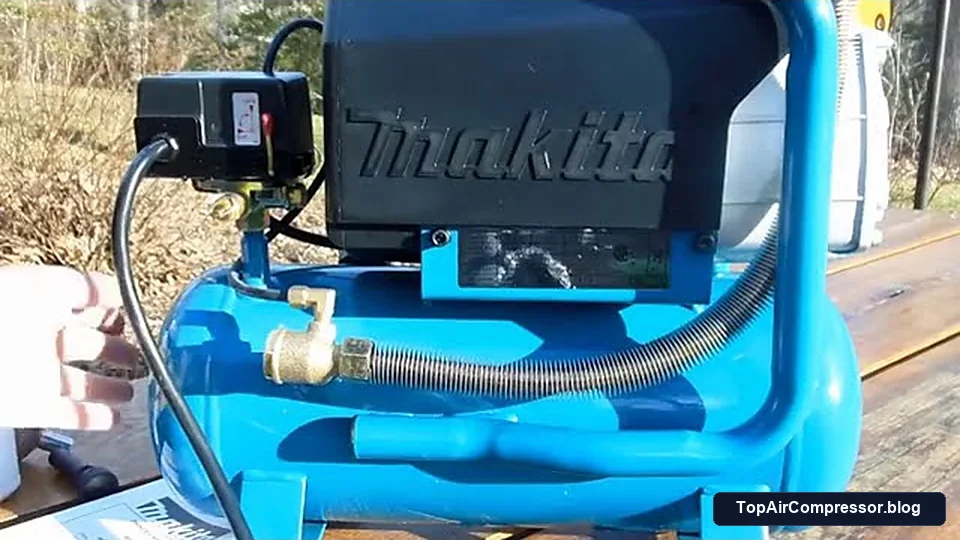
Dual universal quick couplers allow operators to run two hoses simultaneously without cluttering the workspace. The recessed pressure gauges are safely tucked away from accidental impacts and drops.
Setup requires minimal effort on standard 120-volt power sources without requiring extension cord adjustments. The balanced chassis prevents tipping during startup torque spikes on rough subfloors.
Weighing 52 pounds, the compressor sits firmly on rubber feet that absorb destructive operational vibrations. The balanced center of gravity makes carrying the unit between vehicle tailgates and work areas manageable.
A rugged roll-bar handle protects critical gauges and brass fittings from accidental impacts during transport. This protective framework shields the regulator knob and quick-disconnect couplers from damage in crowded truck beds.
The compact footprint measures roughly 18 inches in length, fitting easily into tight workshop corners. Transporting the machine requires securing it upright to prevent lubricating oil from leaking into the air filter.
- Dual universal quick couplers included
- Recessed gauges prevent damage
- Balanced chassis design
Maintenance Protocols and Long-Term Durability
Regular oil checks remain essential for preserving cast-iron pump components. You can review our detailed mac700 vs mac2400 model comparison to understand how lubrication requirements differ between these popular workshop units.
Periodic oil changes prevent sludge buildup and keep internal friction to an absolute minimum level. Draining moisture from the tank after every use prevents internal rust formation.
Air filter cleaning should occur weekly in dusty environments to maintain optimal airflow efficiency. Following these simple routines guarantees years of dependable, trouble-free compressor performance.
Routine maintenance requires checking the oil sight glass daily to verify proper lubrication levels before startup. Using non-detergent SAE 30 oil keeps internal moving parts operating smoothly across fluctuating jobsite ambient temperatures.
The automotive-style oil drain valve simplifies the process of changing fluid every hundred operational hours. Keeping the crankcase clean prevents premature wear on the connecting rod bearings and crankshaft journal surfaces.
Draining the tank moisture via the brass ball valve prevents internal corrosion and structural tank degradation. Performing this task after every work session ensures compressed air remains dry and free of particulate rust.
- Daily sight glass oil checks
- Weekly air filter maintenance
- Regular tank moisture draining
Comparative Analysis and Ideal User Profiles
When compared to typical oil-free compressors, this unit offers vastly superior longevity and quieter operation. While oil-free models are lighter, they wear out much faster under pressure.
Finish carpenters, cabinet installers, and trim contractors represent the ideal target audience for this machine. Its clean power delivery and manageable noise level fit indoor jobsite requirements.
Heavy framing crews might find the small tank capacity limiting for continuous multi-user framing tasks. However, solo framers will appreciate the rapid recovery and dependable output.
Compared to typical oil-less pancake units, this heavy-duty compressor offers significantly longer pump life. Professionals tackling daily interior trim, cabinetry, and flooring installation will find the reliability investment worthwhile over time.
Framing contractors might find the 2.6-gallon tank too restrictive for high-volume framing nailers. However, finish carpenters and cabinet installers benefit immensely from the clean air delivery and whisper-quiet operation profile.
DIYers seeking an heirloom-quality tool for home workshops will appreciate the commercial-grade construction standards. The unit outperforms lightweight consumer alternatives by maintaining high efficiency under continuous, demanding work schedules.
- Superior longevity compared to oil-free units
- Ideal for finish carpentry and trim
- Manageable noise for indoor renovation work
Comprehensive Final Editorial Verdict
The Makita MAC700 successfully bridges the gap between portability and industrial durability. If you need more capacity, check out our makita mac2400 vs mac5200 comparison for heavier job site applications.
Despite weighing slightly more than plastic alternatives, the mechanical advantages far outweigh the weight penalty. Anyone needing a reliable pneumatic source will find immense value here.
This compressor earns a strong recommendation for anyone prioritizing long-term reliability over lightweight gimmicks. It delivers professional performance where it matters most on the job.
The Makita MAC700 successfully bridges the gap between portability and industrial-grade cast-iron durability. Its engineering prioritizes longevity, stable pressure delivery, and reduced mechanical wear over flashy cosmetic marketing gimmicks.
While slightly heavier than cheap aluminum competitors, the robust build quality justifies every single pound. Technicians demanding reliable pneumatic power for finish carpentry tasks will rarely regret adding this unit to inventory.
Proper adherence to break-in procedures and oil change intervals guarantees decades of trouble-free pneumatic service. This compressor remains a benchmark choice for craftsmen valuing longevity and consistent jobsite performance above all else.
- Exceptional long-term durability
- Reliable professional performance
- Strong overall trade investment
Frequently Asked Questions
Is the Makita MAC700 oil-free or oil-lubricated?
This professional-grade compressor features a heavy-duty oil-lubricated pump that significantly reduces internal mechanical friction and operating heat during extended jobsite use. Operators must monitor the oil sight glass daily and perform routine fluid changes to guarantee maximum pump longevity.
What kind of tools can this compressor power effectively?
The machine delivers 3.3 CFM at 90 PSI, making it ideal for finish nailers, brad nailers, and staplers. Framing nailers can also be operated intermittently without experiencing severe pressure drops.
Will this compressor trip standard residential electrical breakers?
No, the unit features a very low amp draw designed to prevent nuisance breaker tripping on standard circuits. This makes it exceptionally convenient for indoor remodeling and residential renovation work.
How loud is the Makita MAC700 during normal operation?
Operating at an acoustic level of 80 decibels, this compressor is substantially quieter than direct-drive oil-free alternatives. Users can easily converse nearby without shouting over excessive mechanical noise.
What routine maintenance is required for this model?
Essential maintenance includes daily oil level inspections, weekly air filter cleanings, and draining tank moisture after every use. Following these simple steps prevents premature wear and internal rust formation.