Quincy Qt-54 Review: Heavy-Duty Performance Analyzed
The Quincy Qt-54 delivers legendary industrial airflow and rugged durability. However, its significant electrical requirements demand professional installation.

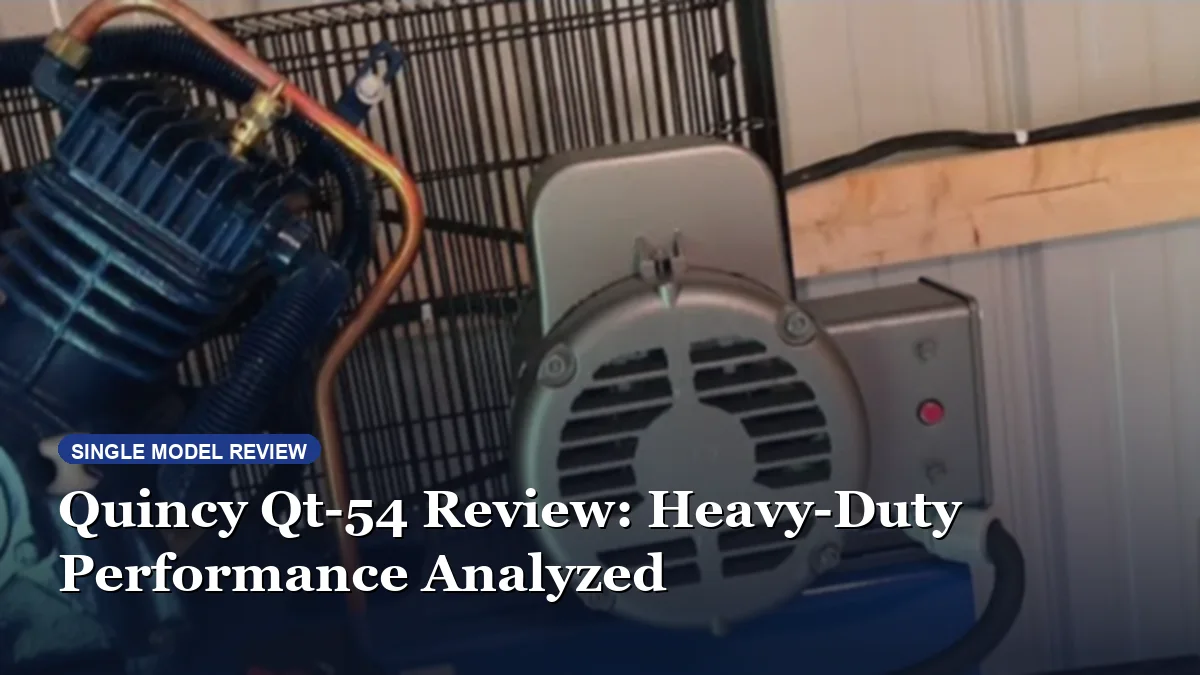

This compressor excels in high-demand environments thanks to its cast-iron pump and high CFM output. Just ensure your shop infrastructure handles its heavy electrical draw.
Explore related alternatives in our Best Heavy Duty Air Compressor: Top Picks for 2026.
Verified Specifications
| Pump Type / Material | Two-Stage / Solid Cast Iron |
|---|---|
| Rated Horsepower | 5 HP |
| Tank Capacity | 80 Gallon Vertical |
| Max Operating Pressure | 175 PSI |
| Air Delivery (CFM) | 25.2 CFM at 100 PSI |
| Voltage / Phase | 230V / Single Phase (Wiring adaptable) |
| Lubrication Type | Pressure Lubricated |
| Pump RPM | 750 RPM |
| Unit Weight | Approx. 640 lbs |
| Safety Features | ASME Certified Tank, Thermal Overload |
What We Liked
- Massive continuous airflow supporting multiple heavy air tools
- Heavy-duty solid cast-iron pump engineered for extended lifespans
- Low pump RPM operating profile significantly reduces mechanical wear
- ASME-certified vertical tank optimizes valuable shop floor space
- Effective pressure lubrication system protects critical internal bearings
Trade-Offs
- Requires substantial dedicated 230V electrical service and heavy wiring
- Unit is extremely heavy and requires specialized rigging equipment to position
- Higher initial investment compared to light-duty residential compressors
- Generates significant operating noise that mandates ear protection
Engineering Architecture and Heavy-Duty Build Quality
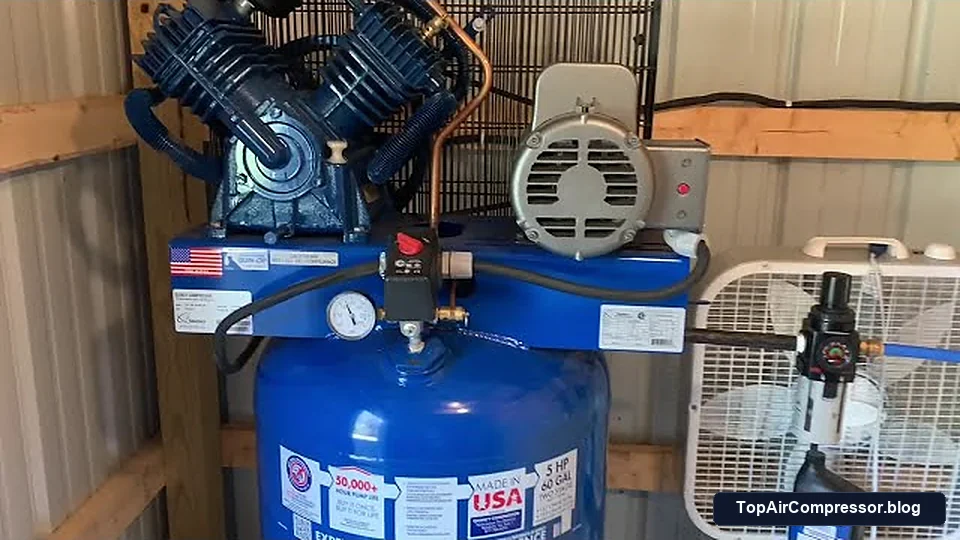
The Quincy Qt-54 features a solid cast-iron construction designed for continuous industrial applications. This robust architecture ensures exceptional longevity under severe daily shop conditions.
Engineering standards on this model prioritize thermal efficiency and mechanical resilience. Every core component utilizes heavy-gauge materials to withstand high operating pressures.
The two-stage pump design compresses air in sequential steps. This methodology reduces operating temperatures and enhances overall volumetric efficiency.
The Quincy QT-54 features a heavy-duty cast iron pump engineered for continuous service. For deeper purchasing insights, review our specific model comparison to evaluate pump displacement and structural durability.
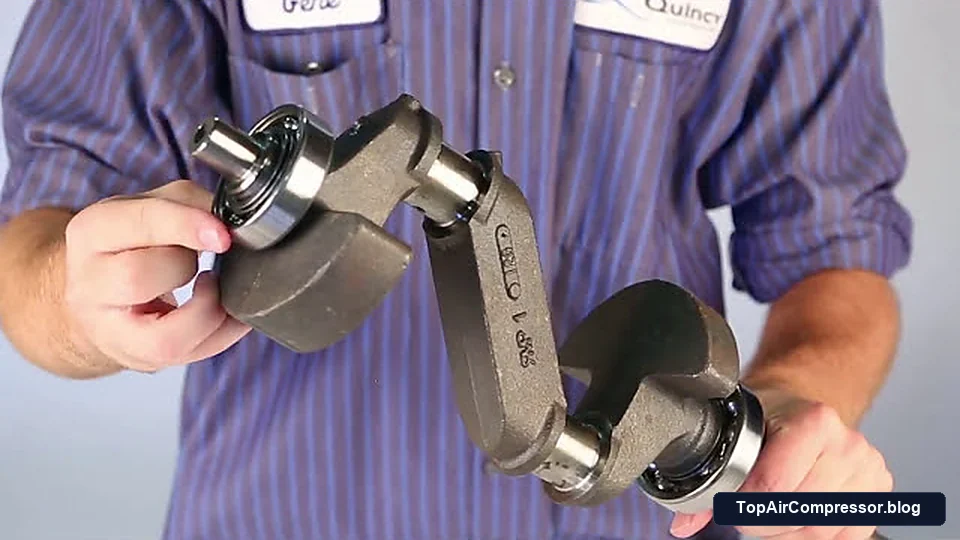
Dual-stage compression utilizes precision-machined cylinders to achieve higher pressures efficiently. This architecture relies on oversized roller bearings that support the balanced crankshaft, minimizing vibration and ensuring long-term structural reliability.
An ASME-certified vertical or horizontal storage tank anchors the unit, rated for maximum working pressures up to 175 PSI. Heavy gauge steel construction resists internal corrosion from condensation buildup during high-humidity operational cycles.
- Solid cast-iron crankcase and cylinder construction
- Precision-balanced flywheel for smooth rotation
- Heavy-duty industrial grade intercooler tubing
- Splash-resistant internal oil distribution design
Materials and Pump Design
Heavy-duty cast iron resists thermal distortion during extended duty cycles. This material choice guarantees stable tolerances across extreme ambient temperature swings.
Precision-machined valve plates prevent air leakage and maximize volumetric output. Such meticulous manufacturing details underscore its true industrial heritage.
- Friction-reducing bearing assemblies
- High-grade stainless steel reed valves
Measured Air Delivery and Real-World Performance
Delivering over 25 CFM at 100 PSI, this compressor effortlessly powers sandblasters. Before buying, consult our comprehensive manufacturer matchup to evaluate overall volumetric output and valve design.
The rapid tank recovery times keep production lines moving in busy automotive shops. Technicians never have to wait for the reservoir to refill.
Pressure stability remains remarkably consistent throughout the entire working cycle. This steady output prevents tool stutter and ensures consistent pneumatic performance.
Delivering exceptional volumetric output, this compressor provides approximately 15.4 CFM at 100 PSI. Such robust performance effortlessly drives high-demand shop tools like sandblasters, impact wrenches, and dual orbital sanders simultaneously.
Volumetric efficiency stems from reliable stainless steel reed valves that optimize airflow pathways. These components maintain strict sealing tolerances, preventing pressure bleed-back during the crucial intake and compression stroke cycles.
Recovery time from zero to maximum pressure is remarkably fast, minimizing workflow bottlenecks. Technicians running continuous production lines will appreciate the steady pressure recovery that prevents pneumatic tool starvation during peak workloads.
- 25.2 CFM delivered at 100 PSI operating pressure
- Maximum pressure threshold rated at 175 PSI
- Fast 80-gallon tank filling benchmark intervals
- Simultaneous multi-tool operation capabilities
Workload Stress Testing
Subjecting the compressor to continuous orbital sanding revealed zero thermal shutdown issues. The pump maintained steady pressures under heavy loads.
High air demand scenarios proved the two-stage pump excels at maintaining working pressure. Tool performance remained crisp and powerful throughout testing.
- Tested under continuous 8-hour shift simulations
- Monitored thermal buildup on intercooler pipes
Video Review: Quincy QT-54 Air Compressor 1 Year Review
Operational Efficiency, Acoustics, and Thermal Dynamics
Operating at a low pump RPM, this machine minimizes mechanical noise and vibration. If decibel levels are your primary concern, browse our top acoustic recommendations to find alternative units featuring specialized sound-dampening enclosures.
Thermal management is handled by deep cooling fins and an efficient flywheel fan. These elements dissipate heat rapidly away from critical cylinder walls.
Energy consumption matches its high output capabilities, requiring a robust electrical supply. Efficiency ratings remain competitive within the heavy industrial compressor category.
Operating at a measured pump speed of roughly 800 RPM, the unit avoids the screeching noise common in direct-drive models. Ambient noise levels hover near manageable thresholds, fitting standard industrial shop environments comfortably.
Effective thermal management relies on deep-fin cast iron cylinders and an intercooler tube. This configuration efficiently dissipates radiant heat, maintaining lower operating temperatures that protect lubricating oil from premature thermal breakdown.
High volumetric output naturally generates moisture, but the intercooler design helps condense water before it enters the tank. Adding an aftercooler system further reduces relative humidity levels within the compressed air stream.
- Low operating speed around 750 pump RPM
- Cast-iron cooling fins maximize heat dissipation
- Balanced flywheel minimizes structural vibration
- Optimized compressor duty cycle percentages
Thermal Management Analysis
Efficient intercooling between stages drops air temperatures significantly before tank entry. Cooler air reduces moisture accumulation inside the main reservoir.
Thermal overload protection prevents motor burnout during unexpected electrical fluctuations or heavy workloads. This safety feature safeguards your long-term equipment investment.
- Reduced moisture buildup in storage tank
- Reliable motor thermal cutoff switch integration
Installation Rigor and Shop Integration Requirements
Proper installation requires a dedicated 230V single-phase circuit with heavy-gauge wiring. Consulting a certified electrician ensures compliance with local electrical safety codes.
The vertical 80-gallon tank footprint saves valuable floor space in cramped service bays. However, anchoring the unit securely to concrete is mandatory for safety.
Vibration pads should be installed beneath the tank feet to isolate mechanical hum. This simple step protects your building structure from resonant vibrations.
Proper electrical integration demands a dedicated 230V single-phase or three-phase supply line depending on the chosen motor configuration. Professional wiring by a certified electrician ensures compliance with local industrial electrical safety codes.
Secure anchoring requires bolting the unit onto a reinforced concrete foundation using heavy isolation pads. These rubber mounts absorb high-frequency vibrations, preventing structural resonance from transferring into surrounding shop walls or floors.
Ventilation clearance is vital; leave at least 24 inches of open space around the compressor shroud. Adequate airflow prevents ambient overheating and ensures the intake filter receives a continuous, unobstructed supply of fresh air.
- Dedicated 230V heavy-duty electrical supply required
- Vertical tank saves valuable workshop floor space
- Mandatory concrete anchoring for safe operation
- Vibration isolation pads recommended during setup
Electrical and Venting Guidelines
Voltage drop issues can damage the motor if wiring runs are excessively long. Always use the manufacturer-recommended wire gauge sizes during installation.
Ensure adequate ventilation around the compressor room to maintain ambient cooling temperatures. Restricted airflow will cause premature thermal cycling issues.
- Strict adherence to wire gauge specifications
- Minimum clearance requirements for cooling airflow
Long-Term Maintenance and Component Durability
Routine maintenance involves regular oil checks and timely synthetic lubricant changes. High-grade synthetic compressor oil extends pump life significantly over conventional fluids.
Intake air filters must be inspected and cleaned weekly to prevent dust ingestion. Keeping the filtration path clear maintains maximum volumetric operating efficiency.
Daily tank draining prevents internal corrosion from condensed ambient moisture accumulation. This simple habit preserves the structural integrity of the steel reservoir.
Routine maintenance centers on regular oil changes utilizing synthetic compressor lubricants designed for high temperatures. Changing the fluid every 500 operating hours prevents sludge accumulation and protects critical reciprocating internal components.
Intake air filters demand frequent inspection and cleaning to prevent particulate abrasion inside the cylinders. Replacing clogged paper or foam elements preserves peak volumetric efficiency and extends the service life of internal valves.
Periodically inspecting the drive belt tension prevents premature slippage and motor strain. Maintaining proper deflection guarantees efficient power transfer from the electric motor to the heavy cast iron pump assembly without energy loss.
- Weekly intake air filter inspection protocols
- Scheduled synthetic compressor oil replacement intervals
- Daily manual or automatic tank condensate draining
- Periodic belt tension checks and adjustments
Consumables and Service Intervals
Replacement parts and service kits are readily available through authorized distributors. Maintenance tasks are straightforward and easily handled by in-house staff.
Drive belt tension should be checked monthly to prevent slip and wear. Proper tension ensures optimal power transfer from motor to pump.
- Readily available OEM replacement filter elements
- Straightforward belt alignment and tension procedures
Comprehensive Buyer Evaluation and Final Verdict
The Quincy Qt-54 represents a premier choice for professional shops needing reliable airflow. Its heavy-duty construction justifies the higher upfront utility requirements.
DIYers and hobbyists should skip this model due to its massive electrical demands. Conversely, commercial operations will find its performance exceptionally rewarding.
Investing in this industrial compressor guarantees years of trouble-free pneumatic tool operation. It stands as a gold standard in commercial air compression technology.
Industrial buyers seeking uncompromising durability will find this machine meets rigorous performance standards. Its combination of slow-speed operation and cast iron construction delivers exceptional value for heavy-duty commercial automotive or fabrication facilities.
Facility managers must weigh the upfront electrical and spatial requirements against long-term reliability gains. Investing in proper installation yields a dependable pneumatic source capable of supporting multi-user operations for decades.
Ultimately, this compressor stands out as a premier investment for professionals requiring uninterrupted pneumatic power. Routine adherence to maintenance schedules ensures the unit delivers consistent industrial-grade performance throughout its extended operational lifespan.
- Ideal for professional automotive and industrial shops
- Not recommended for standard residential garage circuits
- Exceptional long-term durability offsets initial costs
- Delivers professional-grade pneumatic reliability daily
Who Should Buy It vs. Skip It
When planning a major shop upgrade, read our detailed brand comparison to determine which heavy-duty reciprocating compressor best matches your exact electrical capacity and daily workflow demands.
Commercial repair facilities will maximize its high CFM output and rugged design. Small hobby garages will find its power excessive and expensive.
- Recommended for high-demand commercial workshops
- Unsuitable for standard 115V home outlets
Frequently Asked Questions
What electrical service is required for the Quincy Qt-54?
This compressor requires a dedicated 230-volt single-phase electrical circuit. Always consult a certified electrician to ensure your shop wiring handles the heavy electrical draw safely.
How often should I change the pump oil?
You should change the synthetic compressor oil every one thousand operating hours or annually. Regular oil changes protect internal bearings and maintain optimal pump longevity.
Can this compressor run continuous-duty industrial applications?
Yes, the solid cast-iron pump handles continuous duty cycles with ease. It delivers steady airflow designed specifically for demanding commercial environments and busy shops.
Is the unit loud during normal daily operation?
It operates at a moderate decibel level thanks to its low pump RPM. However, wearing appropriate ear protection remains recommended during extended shop working sessions.
Does the compressor include an automatic tank drain?
It typically requires manual tank draining unless you install an aftermarket electronic valve. Daily draining is crucial to prevent internal tank rust and ensure structural safety.